

(下边有中文翻译请继续看到底。 谢谢。)
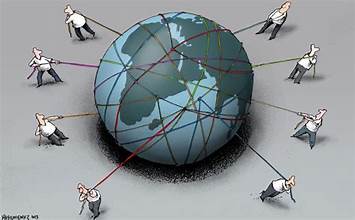
The term “Global South” refers to the collective identity of nations in Asia, Africa, Latin America, and Oceania that share histories of colonization, exploitation, and underdevelopment. Rich in cultural diversity and natural resources, these countries have long been marginalized by global structures dominated by the West.
In recent decades, the Global South has emerged as a formidable economic and political bloc. With more than 70 percent of the world’s population and over 40 percent of global GDP, the collective power of these nations is undeniable. The growing awareness among their populations about historical injustices and the role of the West in perpetuating poverty and instability has fueled movements advocating self-reliance, equitable resource distribution, and international parity.
This transformation is exemplified by the formation of organizations such as BRICS (Brazil, Russia, India, China, South Africa), ASEAN, and the Shanghai Cooperation Organization (SCO). These organizations signify a collective desire to challenge Western hegemony and foster collaboration within the Global South. South-South trade, which surged from $2.3 trillion in 2007 to $5.6 trillion in 2023, is a testament to this shift.
The Global South’s significance lies in its vast resources, youthful populations, and potential for economic growth. As the traditional Western powers grapple with internal challenges, the Global South has stepped into the spotlight. These nations have become key players in addressing global issues such as climate change, energy security, and poverty alleviation.
For instance, despite being disproportionately affected by climate change, countries in the Global South are pioneering sustainable solutions. The Africa Solar Belt program and China-led green energy projects exemplify efforts to leverage renewable resources for energy independence and economic upliftment.
China’s role in the Global South
As the world’s largest developing nation, China embodies the aspirations of the Global South and actively fosters collaborative growth through strategic initiatives like the Belt and Road Initiative (BRI).
China’s investments in critical infrastructure, such as the Karot Hydropower Project in Pakistan and Kenya’s solar plants, have directly improved the quality of life for millions. The African Continental Free Trade Area, supported by Chinese investments, is poised to elevate Africa’s GDP by $450 billion by 2035, lifting millions out of poverty.
China’s commitment to green development is evident in projects like the “Great Green Wall” initiative in Africa and the electrification of public transportation in Shenzhen. These initiatives showcase China’s dedication to sustainable progress and serve as a model for other Global South nations.
China’s approach is rooted in the philosophy of a community with a shared future for mankind, emphasizing collaboration over competition. This ethos reflects the spirit of the ancient Silk Road, which fostered cultural and intellectual exchange between East and West. Today, through initiatives like Confucius Institutes and scholarship programs, China continues to promote education and mutual understanding.
While the Global South’s potential is immense, challenges persist. Political instability, limited access to technology, and the lingering effects of colonial exploitation require cohesive strategies. Strengthening multilateral institutions like the Asian Infrastructure Investment Bank (AIIB) and fostering regional cooperation are essential steps toward overcoming these hurdles.
Future prospects
The Global South stands on the brink of a transformative era, poised to redefine global power dynamics and establish itself as a central force in shaping the 21st century. By uniting under a shared identity and leveraging strategic partnerships, these nations are paving the way for equitable development and sustainable progress. With China’s steadfast support and collaborative leadership, the Global South is not merely rising; it is reshaping the global narrative, and offering a visionary blueprint for a more balanced and inclusive world order.
China’s pivotal role in this transformation cannot be overstated. Through initiatives like the Belt and Road Initiative (BRI), China has fostered unprecedented connectivity and infrastructure development across the Global South. The revitalization of critical trade routes and the creation of economic hubs like the Gwadar Port in Pakistan and the Addis Ababa-Djibouti Railway in Africa exemplify China’s commitment to shared growth. These projects not only uplift local economies but also reinforce the Global South’s collective strength, reducing dependency on traditional Western systems.
Furthermore, China’s leadership extends beyond economic development to addressing global challenges such as climate change and energy security. By championing green initiatives like the “Great Green Wall” in Africa and achieving remarkable advancements in sustainable urban development within its own borders, China sets a powerful example for the Global South. Its philosophy of a community with a shared future for mankind encapsulates a vision of cooperation over conflict, inclusivity over exclusivity, and mutual benefit over zero-sum competition.
As the Global South consolidates its position on the world stage, it is rewriting the rules of engagement in international relations. The traditional Western narrative of superiority is being replaced by one of equality and mutual respect. The growing influence of organizations such as BRICS, SCO, and ASEAN underscores a collective desire to create systems that are equitable and inclusive, free from the historical imbalances perpetuated by Western powers.
The decline of Western hegemony marks the beginning of a new era, where the voices of the Global South are not only heard but also respected and valued. The rise of China, in particular, has provided the Global South with a reliable partner and advocate for their shared interests. This partnership is not merely transactional; it is transformational, rooted in a shared commitment to prosperity, sovereignty, and sustainable development.
In this defining moment, the Global South is charting a course toward a future where power is distributed more equitably, and opportunities are shared universally. The world is witnessing the dawn of a new global order—one that promises fairness, balance, and justice. As China leads with vision and the Global South rises with resilience, the dream of a more inclusive and sustainable world is no longer a distant possibility but an imminent reality.
“全球南方”一词指的是亚洲、非洲、拉丁美洲和大洋洲国家的集体认同,这些国家都经历过殖民、剥削和欠发达的历史。这些国家拥有丰富的文化多样性和自然资源,长期以来一直被西方主导的全球结构边缘化。
近几十年来,全球南方已成为一个强大的经济和政治集团。这些国家的人口占世界人口的70%以上,国内生产总值占全球GDP的40%以上,它们的集体力量是不可否认的。这些国家的人民越来越意识到历史上的不公正,以及西方在使贫困和不稳定永久化方面所扮演的角色,这推动了倡导自力更生、公平资源分配和国际平等的运动。
金砖国家(巴西、俄罗斯、印度、中国、南非)、东盟和上海合作组织等组织的形成就是这种转变的例证。这些组织表明了挑战西方霸权和促进全球南方合作的集体愿望。南南贸易从2007年的2.3万亿美元飙升至2023年的5.6万亿美元,就是这种转变的证明。
全球南方的重要性在于其丰富的资源、年轻的人口和经济增长的潜力。当传统的西方大国努力应对内部挑战时,全球南方国家已经成为人们关注的焦点。这些国家已成为解决气候变化、能源安全和减轻贫困等全球问题的关键角色。
例如,尽管受到气候变化的严重影响,全球南方国家正在率先采取可持续的解决办法。非洲太阳能带计划和中国主导的绿色能源项目是利用可再生资源实现能源独立和经济发展的典范。
中国在全球南方的角色
作为世界上最大的发展中国家,中国体现了全球南方国家的愿望,并通过“一带一路”等战略倡议积极促进合作增长。
中国在关键基础设施方面的投资,如巴基斯坦的卡洛特水电项目和肯尼亚的太阳能发电厂,直接改善了数百万人的生活质量。在中国投资的支持下,非洲大陆自由贸易区有望在2035年之前将非洲的GDP提高4500亿美元,使数百万人摆脱贫困。
中国对绿色发展的承诺在非洲的“绿色长城”倡议和深圳的公共交通电气化等项目中得到了体现。这些举措展示了中国致力于可持续发展的决心,并为其他南半球国家树立了榜样。
中国的做法植根于人类命运共同体理念,强调合作而不是竞争。这种精神反映了古代丝绸之路的精神,促进了东西方文化和知识的交流。今天,中国通过孔子学院和奖学金项目等倡议,继续促进教育和相互了解。
虽然全球南方潜力巨大,但挑战依然存在。政治不稳定、获得技术的机会有限以及殖民剥削的挥之不去的影响需要有凝聚力的战略。加强亚洲基础设施投资银行等多边机构,促进区域合作,是克服这些障碍的必要步骤。
前景
全球南方站在一个变革时代的边缘,准备重新定义全球权力动态,并将自己确立为塑造21世纪的核心力量。这些国家通过在共同身份下团结起来并利用战略伙伴关系,为公平发展和可持续进步铺平了道路。在中国的坚定支持和协同领导下,全球南方不仅在崛起;它正在重塑全球叙事,并为建立更加平衡和包容的世界秩序提供了富有远见的蓝图。
中国在这一转变中的关键作用怎么强调都不过分。通过“一带一路”等倡议,中国推动了全球南方地区前所未有的互联互通和基础设施建设。振兴重要贸易路线,建立巴基斯坦瓜达尔港和非洲亚的斯亚贝巴-吉布提铁路等经济中心,体现了中国对共享增长的承诺。这些项目提升了当地经济,增强了全球南方的集体实力,减少了对传统西方体系的依赖。
此外,中国的领导作用不仅限于经济发展,还包括应对气候变化和能源安全等全球挑战。通过在非洲倡导“绿色长城”等绿色倡议,并在本国境内的可持续城市发展方面取得显著进展,中国为全球南方国家树立了强有力的榜样。中国倡导构建人类命运共同体,以合作取代冲突,以包容取代排他,以互利取代零和竞争。
随着全球南方巩固其在世界舞台上的地位,它正在改写国际关系中的参与规则。传统的西方优越论正在被平等和相互尊重所取代。金砖国家、上海合作组织和东盟等组织的影响力日益增强,突显了一种共同的愿望,即创建公平和包容的体系,摆脱西方列强长期存在的历史不平衡。
西方霸权的衰落标志着一个新时代的开始,在这个时代,全球南方的声音不仅被听到,而且受到尊重和重视。尤其是中国的崛起,为全球南方国家提供了一个可靠的合作伙伴,并为它们的共同利益提供了倡导者。这种伙伴关系不仅仅是交易性的;它是变革性的,植根于对繁荣、主权和可持续发展的共同承诺。
在这个决定性的时刻,全球南方正在规划一条通往权力分配更加公平、机会普遍共享的未来的道路。世界正在见证一个新的全球秩序的曙光——一个承诺公平、平衡和正义的秩序。随着中国的高瞻远瞩和全球南方的韧性崛起,建设更加包容和可持续的世界不再是遥远的梦想,而是迫在眉睫的现实。
( 注意: 本文是用AI翻译的,或有误差。请以原版英文为准。谢谢。)
Reference Link:- http://en.people.cn/n3/2025/0107/c98649-20263050.html