Pakistan and China: Strengthening a Time-Tested Friendship Through Strategic Communication. 巴基斯坦与中国:通过战略沟通深化经久不衰的友谊.

(下边有中文翻译,请继续看到底。 谢谢。)
The Third Round of the Pakistan-China Spokespersons’ Dialogue, held in Islamabad on October 26, 2026, represents an important step in strengthening a relationship built over decades on mutual trust, respect, shared interests and unwavering support. The dialogue between Ambassador Sajjad Haider Khan, Spokesperson of Pakistan’s Ministry of Foreign Affairs, and Ms. Mao Ning, Spokesperson of China’s Ministry of Foreign Affairs, reaffirmed that enduring partnerships require not only strong political ties but also effective communication, public engagement and a deeper understanding between peoples.
The previous round, held virtually in October 2022, provided a foundation for continued institutional engagement. The latest meeting focused on media cooperation, strategic communication and public diplomacy, reflecting the growing importance of these areas in contemporary international relations.
A Friendship Tested by Time
Pakistan-China relations are widely recognized as an all-weather strategic cooperative partnership. Over the years, the two countries have maintained close contact through changing regional and international circumstances, expanding cooperation across diplomacy, defense, trade, infrastructure, education, science and technology, and cultural exchanges.
The strength of this relationship lies in its continuity and institutional depth. Regular consultations between leaders, foreign ministries and relevant departments help both countries address shared concerns, coordinate positions and identify new opportunities for cooperation. The Spokespersons’ Dialogue adds another useful channel to this established framework.
During her visit, Ms. Mao Ning also met Deputy Prime Minister and Foreign Minister Senator Mohammad Ishaq Dar. He reiterated Pakistan’s commitment to strengthening the partnership, emphasizing that enhanced media cooperation, strategic communication and public diplomacy can further deepen bilateral relations and bring the two peoples closer together.
Such engagement demonstrates that diplomacy is not limited to formal negotiations. It also involves explaining policies, sharing perspectives, building confidence and ensuring that the public understands the substance of bilateral cooperation.
Why Strategic Communication Matters
In today’s fast-moving information environment, digital platforms, social media, and round-the-clock news coverage increasingly shape public perceptions of countries and international events. Information travels rapidly across borders, while incomplete reporting, misunderstandings and unverified claims can sometimes complicate international relations.
Against this background, closer coordination between the Pakistani and Chinese foreign ministries is both timely and practical. Regular consultations can help officials exchange information, respond more effectively to emerging issues, and communicate their positions more clearly.
However, effective strategic communication should go beyond responding to criticism or correcting misinformation. Its broader purpose should be to provide accurate, accessible and timely information about policies, achievements, challenges and areas of cooperation. Credibility is built when communication is transparent, evidence-based and consistent.
Media organisations, journalists, academics, researchers, and think tanks can contribute by offering informed perspectives and encouraging constructive discussion. Professional exchanges between Pakistani and Chinese media institutions could also improve understanding of each country’s society, development priorities, cultural traditions and foreign policy.
Turning Friendship into Public Understanding
The economic and developmental dimensions of Pakistan-China cooperation provide substantial material for public engagement. The China-Pakistan Economic Corridor (CPEC), a flagship project of the Belt and Road Initiative, has supported infrastructure and energy development while creating opportunities for further collaboration.
The next stage of cooperation can extend beyond physical connectivity to include agricultural modernisation, industrial development, renewable energy, digital technology, vocational training and scientific research. Agreements announced during the May 2026 meetings between the two countries included cooperation in agriculture, education, science and technology, climate change, trade and people-to-people exchanges.
Communicating these initiatives effectively matters, but public diplomacy must also show how cooperation can improve ordinary people’s lives. Pakistani citizens need accessible information about employment opportunities, skills development, investment, educational exchanges and the practical benefits of joint projects. Chinese audiences, likewise, can gain from a fuller understanding of Pakistan’s people, culture, economic potential and development aspirations.
Universities, youth organisations, cultural institutions and professional associations should therefore be encouraged to participate more actively. Exchanges among students, scholars, journalists and entrepreneurs can build relationships that extend beyond official meetings and help carry the friendship into future generations.
A Shared Responsibility for the Future
Pakistan and China have a strong foundation on which to build. Yet, the durability of any partnership depends on its ability to respond to new circumstances, communicate effectively, and deliver tangible benefits to its people.
The Spokespersons’ Dialogue offers a practical mechanism for advancing these objectives. Its value will be measured not simply by the frequency of meetings, but by the quality of coordination, the accuracy of public information, the depth of professional exchanges and the confidence these efforts help foster.
In an increasingly interconnected world, mutual understanding is a strategic asset. Pakistan and China can strengthen their all-weather partnership by combining traditional diplomatic trust with modern communication, wider public engagement and people-centered cooperation.
Their friendship is time-tested, multidimensional and rooted in confidence. By communicating their achievements honestly, addressing misunderstandings constructively and creating more opportunities for direct contact between their peoples, both countries can ensure that this trusted relationship continues to develop in ways that support shared prosperity, regional stability and a more connected future.
巴基斯坦与中国:通过战略沟通深化经久不衰的友谊.
2026年10月26日在伊斯兰堡举行的巴基斯坦与中国发言人对话第三轮,标志着双方在数十年来基于相互信任、尊重、共同利益和坚定支持所建立的关系迈出了重要一步。巴基斯坦外交部发言人萨贾德·海德尔·汗大使与中华人民共和国外交部发言人毛宁女士的对话重申,持久的伙伴关系不仅需要牢固的政治联系,还需要有效的沟通、公众参与以及人民之间的深入理解。
此前于2022年10月举行的线上对话为后续的机构合作奠定了基础。最新一次会议聚焦媒体合作、战略传播和公共外交,反映出这些领域在当代国际关系中的日益重要性。
经受时间考验的友谊
巴基斯坦与中国关系被广泛认为是一对全天候的战略合作伙伴关系。多年来,两国在区域和国际形势变化的背景下保持密切联系,在外交、国防、贸易、基础设施、教育、科技以及文化交流等领域不断拓展合作。
这一关系的优势在于其持续性和制度深度。双方领导人、外交部及相关部门之间的定期磋商有助于共同应对关切问题,协调立场,并探索新的合作机遇。发言人对话为这一已有的合作框架增添了另一条有益渠道。
访问期间,毛宁女士还会见了巴基斯坦副总理兼外交部长穆罕默德·伊沙克·达尔参议员。他重申巴基斯坦致力于加强双边伙伴关系,并强调加强媒体合作、战略传播和公共外交将有助于进一步深化两国关系,增进两国人民的友谊。
此类互动表明,外交不仅限于正式谈判。这也包括解释政策、分享观点、增强信心,并确保公众理解双边合作的实质内容。
为何战略传播至关重要
在当今信息快速变化的环境中,公众对各国及国际事件的看法日益受到数字平台、社交媒体和全天候新闻报道的影响。信息跨越国界迅速传播,而不完整报道、误解以及未经核实的声称有时会加剧国际关系的复杂性。
在此背景下,巴基斯坦与中国的外交部加强协调既及时又务实。定期磋商有助于官员之间交流信息,更有效地应对新出现的问题,并更清晰地表达各自立场。
然而,有效的战略传播不应仅限于回应批评或纠正错误信息。其更广泛的目标应是提供有关政策、成就、挑战及合作领域的准确、易懂且及时的信息。可信度的建立依赖于透明、基于证据且一致的沟通。
媒体机构、记者、学者、研究人员和智库可以通过提供有见地的观点并促进建设性讨论来贡献力量。巴基斯坦与中国的媒体机构之间的专业交流,也有助于增进彼此对两国社会、发展重点、文化传统及外交政策的理解。
将友谊转化为公众理解
巴基斯坦与中国合作的经济与发展战略为公众参与提供了丰富素材。作为“一带一路”倡议的旗舰项目,中巴经济走廊(CPEC)在基础设施和能源建设方面发挥了重要作用,同时也为进一步深化合作创造了机遇。
合作的下一阶段可超越物理连接,涵盖农业现代化、工业发展、可再生能源、数字技术、职业培训以及科学研究等领域。2026年5月两国领导人会晤期间宣布的合作协议包括农业、教育、科技、气候变化、贸易及人文交流等方面的合作。
有效传达这些倡议固然重要,但公共外交还必须阐明合作如何改善普通民众的生活。巴基斯坦公民需要获取有关就业机会、技能培训、投资机会、教育交流以及联合项目实际效益的便捷信息。中国观众同样可以从更深入地了解巴基斯坦人民、文化、经济潜力和发展抱负中获益。
因此,应鼓励大学、青年组织、文化机构和专业协会更加积极地参与其中。学生、学者、记者和企业家之间的交流能够建立超越正式会议的联系,并将友谊延续至未来世代。
共同肩负未来的责任
巴基斯坦与中国拥有坚实的合作基础。然而,任何伙伴关系的持久性,都取决于其能否应对新情况、有效沟通,并为人民带来切实的福祉。
“发言人对话”为实现这些目标提供了一个切实可行的机制。其价值不仅体现在会议频率上,更在于协调工作的质量、公共信息的准确性、专业交流的深度,以及这些努力所营造的信心程度。
在一个日益互联互通的世界中,相互理解是一项战略资产。巴基斯坦和中国可以通过将传统的外交互信与现代沟通、更广泛的公众参与以及以人为本的合作相结合,进一步加强两国全天候的伙伴关系。
两国友谊历经考验,具有多维度的特点,并建立在互信基础之上。通过坦诚地交流成就、建设性地化解误解,并为两国人民提供更多直接接触的机会,双方能够确保这一值得信赖的关系持续发展,共同促进繁荣、地区稳定以及更加紧密的未来。
(注意: 本文是用AI翻译的,或有误差。请以原版英文为准。谢谢。)
Reference Link:- https://www2.apdnews.cn/en/item/26/1028/axjgcdmcdb8d590bc74898.html
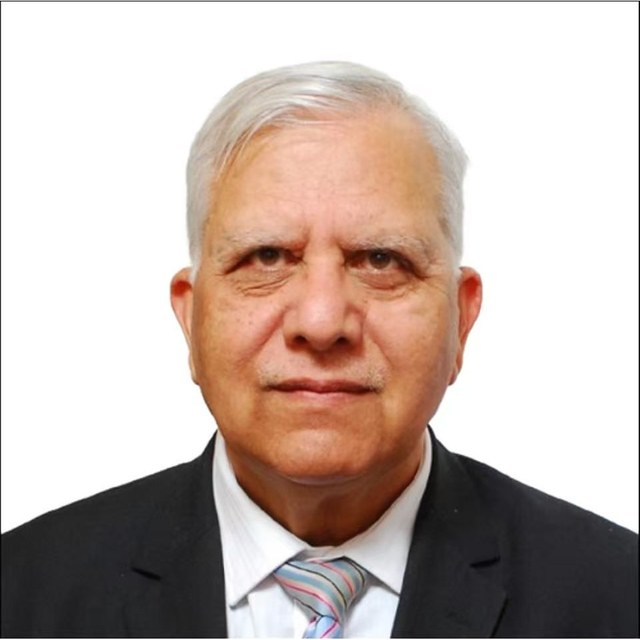
Zamir Ahmed Awan is the founder and Chair of the Global Silk Route Research Alliance, a think tank in Islamabad. He studied engineering at Shanghai University in the 1980s, and years later he went back to China as Pakistan's science counsellor in Beijing, from 2010 until 2016, working on science and higher education cooperation between the two countries.…