
Pakistan – Gaps in demand estimates: NEPRA chief calls for transparent power generation projections
Source Xinhua, Dawn, Arab News, Anadolu and Minute Mirror

Chairman National Electric Power Regulatory Authority (Nepra) Waseem Mukhtar has questioned ISMO, DISCOs and CPPA-G over significant variations in their demand projections, calling for a rational and transparent mechanism to align future generation capacity with prevailing and projected electricity demand while protecting consumers from unnecessary capacity costs.
In his additional note on the Integrated System Plan (ISP) 2025-35, approved by NEPRA, the Chairman said concerns raised by various stakeholders regarding the risk of surplus generation capacity warranted serious consideration. However, according to him, ISMO failed to provide a satisfactory response to these concerns during the proceedings.
He said Pakistan’s power sector continued to face a structural challenge of surplus generation capacity, resulting in substantial capacity payments and an increasing cost burden on consumers.
READ ALSO: Power generation up in Feb
The situation, he noted, was further aggravated by declining electricity sales and lower utilisation of generation assets, which increased capacity charges on a per-unit basis.
According to the Chairman, the higher cost of grid electricity was consequently suppressing demand as consumers increasingly shifted towards comparatively cheaper alternative sources while retaining the grid primarily as a backup.
He termed this a self-reinforcing cycle in which declining grid demand leads to underutilisation of generation capacity, higher per-unit capacity costs and further migration away from the grid.
“This cycle is adversely affecting affordability, efficiency and long-term sustainability of the power sector,” he observed.
Mukhtar said that during a recent Fuel Charges Adjustment (FCA) hearing, ISMO had indicated that daylight electricity demand had declined to approximately 12,000 MW, broadly corresponding to generation from must-run plants.
In view of changing consumption patterns and the increasing reliance of consumers on alternative energy sources, he stressed the need for concerted measures to reduce the cost of grid electricity and restore its competitiveness. Such measures, he said, were necessary to encourage consumers to remain connected to and optimally utilise the national grid.
The Nepra Chairman also highlighted transmission constraints as another factor aggravating the problem, saying inadequate transmission capacity restricted evacuation of comparatively cheaper available electricity to load centres.
He called for transmission projects to be executed on a priority basis to facilitate efficient evacuation of low-cost generation.
However, he cautioned that such investments should remain appropriately aligned with prevailing and projected demand so that they did not create additional stranded or underutilised capacity.
Mukhtar said the ISP was intended to provide an integrated framework for generation and transmission expansion and should, therefore, also assess, to the extent reasonably practicable, the likely impact of proposed investments and capacity additions on end-consumer tariffs.
Incorporating such an assessment, he said, would facilitate more informed, holistic and economically sustainable power-sector planning.
The Chairman also raised questions over the treatment of projects previously categorised as “committed” under assumptions and criteria prescribed by the Council of Common Interests (CCI) in 2021.
He noted that ISMO had excluded several projects from the IGCEP that had earlier been categorised as committed.
“Since then, the system scenario has evolved considerably, particularly with rising rooftop solar penetration and slowing demand growth,” he said.
According to Mukhtar, these developments warranted a rational and transparent mechanism for aligning upcoming generation capacity with prevailing and projected demand while safeguarding consumer interests.
He said committed projects should remain subject to clearly defined progress criteria and milestones.
Any project failing to demonstrate satisfactory progress within the stipulated timeframe, he added, should be excluded from the committed list after due diligence and completion of the relevant legal process, rather than being retained indefinitely.
The Chairman particularly cautioned against retaining projects where their continued inclusion could result in unnecessary generation capacity and associated costs for consumers.
He further called for all generation projects to be included in the ISP on the basis of merit-based and transparent criteria.
Mukhtar also questioned the consistency of assumptions and projections submitted by various stakeholders, saying the effectiveness of the ISP depended significantly on the reliability and consistency of such inputs.
During the review of the ISP, Distribution Investment Plan (DIP) and Power Price Projections (PPP), he said significant variations had been observed in demand projections submitted by ISMO, DISCOs and CPPA-G.
He termed demand a fundamental planning assumption and warned that divergence among the projections undermined the certainty and robustness of the overall planning exercise.
Since future generation requirements were directly dependent on the demand outlook, he said, reasonable alignment and reconciliation of demand projections was essential for determining the appropriate quantum, timing and composition of required generation capacity.
He directed that subsequent iterations of the ISP should clearly identify and reconcile the assumptions underlying demand projections submitted by all relevant stakeholders.
The additional note by the Nepra Chairman comes at a critical juncture for Pakistan’s power sector, which is simultaneously dealing with excess generation capacity, rising capacity-related costs, declining grid demand, rapid rooftop solar adoption and constraints in transmitting cheaper electricity to major load centres.
Reference Link:- https://www.brecorder.com/news/40439232
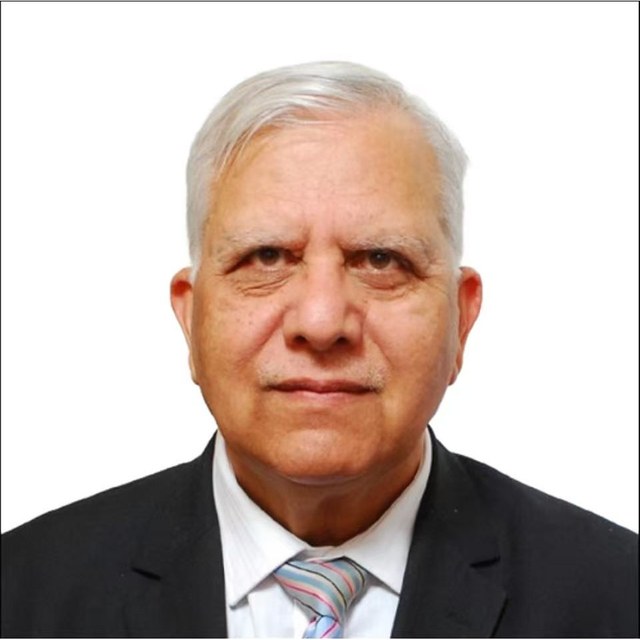
Zamir Ahmed Awan is the founder and Chair of the Global Silk Route Research Alliance, a think tank in Islamabad. He studied engineering at Shanghai University in the 1980s, and years later he went back to China as Pakistan's science counsellor in Beijing, from 2010 until 2016, working on science and higher education cooperation between the two countries.…