Pakistan Can Become a Demonstration Zone for the Global Development Initiative.

巴基斯坦可以成为全球发展倡议“示范区”。
(下边有中文翻译,请继续看到底。 谢谢。)
Development is real development only when all countries advance together; prosperity is genuine prosperity only when it is shared by all.
Five years ago, confronted with the defining question of where global development should go, China proposed the Global Development Initiative (GDI) at the United Nations General Assembly.
In a world marked by intertwined crises and turbulence, why has development become a shared aspiration of countries of the Global South? How is action transforming the world? We have invited three experts from China, Pakistan and Laos to share their observations and reflections.
Perhaps the answers can be found at the lunch tables of children in Laos, in Pakistan’s aspirations to become a “demonstration zone,” and in every step China and other countries take together toward modernization.
Author | Zamir Awan, Founding Chairman, Global Silk Route Research Alliance, Pakistan
Five years ago, Chinese President Xi Jinping proposed the Global Development Initiative (GDI). Today, it has evolved from a Chinese initiative into a broad platform for international development cooperation. Since its launch in September 2021, the initiative has mobilized more than 2,000 cooperation projects, benefiting over 40 million people.
These achievements reflect an important reality: development remains a shared aspiration of countries around the world, particularly those in the Global South.
What has the Global Development Initiative brought to Pakistan?
The Global Development Initiative emphasizes giving priority to development, putting people at the center, pursuing inclusive and universally beneficial development, promoting innovation-driven growth, fostering harmony between humanity and nature, and focusing on action. These principles have resonated strongly in developing countries. For countries facing poverty, unemployment, inadequate infrastructure capacity, energy challenges, and the impacts of climate change, development is not an abstract concept. It directly affects livelihoods, education, healthcare and employment opportunities.
Pakistan provides an example of a country that has embraced and supported the Global Development Initiative while achieving substantial results. As a developing country with a large young population, an important strategic geographical position, and considerable agricultural, industrial and mineral potential, Pakistan has both a strong desire to advance development and significant growth potential. Cooperation with China has also continued to empower Pakistan’s development.
The China-Pakistan Economic Corridor (CPEC), a flagship project under the Belt and Road Initiative, has demonstrated the results of long-term cooperation between the two countries. Energy projects have helped alleviate Pakistan’s electricity shortages, while infrastructure and connectivity projects have strengthened the foundations for economic development. In addition, industrial cooperation and special economic zones have created opportunities to connect production with regional and international markets.
In the next stage, greater emphasis should be placed on cooperation in areas such as job creation, skills development, technology transfer, agricultural modernization, digital development, healthcare, education, and industry. This would enable development cooperation to benefit a larger number of ordinary people more directly.
Why is Pakistan well positioned to become a “demonstration zone”?
Pakistan is fully capable of becoming a demonstration zone for the Global Development Initiative. Such a model could integrate infrastructure development with human development and industrial development. For example, modern agriculture could be linked with agro-processing; vocational education with manufacturing; digital infrastructure with small and medium-sized enterprises; renewable energy with rural communities; and producers with domestic and international markets.
Pakistan’s geographical location makes this particularly important. It sits at the crossroads of South Asia, Central Asia, the Middle East, and the Arabian Sea. Therefore, a successful development model could have significance beyond Pakistan itself, offering useful experience for other developing countries.
How can cooperation be deepened in the next stage?
At the same time, global development faces serious challenges. Geopolitical conflicts, climate change, threats to supply-chain stability, and the rise of trade protectionism could slow economic development. No single country can address these challenges alone. China and countries in the region can work together by strengthening connectivity, expanding development financing, promoting technological cooperation, maintaining open trade and supporting practical South-South cooperation.
In implementing the Global Development Initiative, China’s provinces, autonomous regions and municipalities can also play an important supporting role. Yunnan has close geographical, cultural and economic ties with South and Southeast Asia. In recent years, Yunnan has implemented national strategies and continuously deepened cooperation with countries in South and Southeast Asia. Greater engagement at the provincial level can support national strategies and help China establish numerous practical partnerships in the fields of economy, agriculture, logistics, tourism, technology, education and manufacturing.
The fifth anniversary of the Global Development Initiative should not only be an occasion to review its achievements, but also to consider the next stage of cooperation. Pakistan possesses a large population, strategic geography, abundant resources, institutions, substantial development needs, and an all-weather strategic cooperative partnership with China. It can therefore become a demonstration zone for the Global Development Initiative. If successful, this could provide valuable experience for South and Southeast Asia and even wider regions.
The ultimate purpose of development is to improve people’s lives. It is hoped that Pakistan and China, through practical cooperation and the sharing of experience, can ensure that the benefits of development reach more people across the region, enabling the Global Development Initiative to gain broader recognition and support.
巴基斯坦可以成为全球发展倡议“示范区”
各国一起发展才是真发展,大家共同富裕才是真富裕。
五年前,面对全球发展事业何去何从的时代之问,中国在联合国大会上提出了全球发展倡议。
在一个变乱交织的世界里,发展何以成为全球南方国家共同的心声?行动又在如何改变世界?我们邀请中国、巴基斯坦、老挝三位专家撰文,分享他们的观察和思考。
答案或许在老挝孩子的午餐桌上,在巴基斯坦对“示范区”的期待里,也在中国与各国携手推进现代化的每一步中。
作者 | 泽米尔·阿万 巴基斯坦全球丝绸之路研究联盟创始主席
5年前,中国国家主席习近平提出了全球发展倡议(GDI)。今天,它从一个中国倡议演变为国际发展合作的广阔平台。自2021年9月提出以来,该倡议已动员支持2000多个合作项目,惠及超4000万民众。
这些成果反映了一个重要现实:发展仍是世界各国的共同愿望,尤其是对全球南方国家而言。
全球发展倡议,为巴基斯坦带来了什么?
全球发展倡议强调坚持发展优先、坚持以人民为中心,坚持普惠包容、坚持创新驱动、坚持人与自然和谐共生、坚持行动导向,这在发展中国家产生了强烈共鸣。对于面临贫困、失业、基础设施建设能力不足、能源挑战和气候变化影响的国家而言,发展不是抽象概念。它直接影响生计、教育、医疗和就业机会。
巴基斯坦提供了认同和支持全球发展倡议并取得丰硕成果的例子。作为一个拥有庞大年轻人口、重要战略地理位置以及可观农业、工业和矿产潜力的发展中国家,巴基斯坦既有推动发展的强烈愿望,也有相当大的增长潜能。与中国的合作也持续赋能巴基斯坦发展。
中巴经济走廊(CPEC)作为共建“一带一路”倡议的旗舰项目,已充分展示了中巴长期合作的成果。能源项目帮助缓解巴基斯坦电力短缺,而基础设施和互联互通项目则夯实了巴基斯坦经济发展基础。此外,工业合作和经济特区为将生产与区域及国际市场连接起来提供了机遇。
下一阶段应更加重视扩大就业、技能提升、技术转让、农业现代化、数字发展、医疗、教育和工业等领域的合作。这将使发展合作更直接地惠及更多普通民众。
为什么巴基斯坦有条件成为“示范区”?
巴基斯坦完全有条件成为全球发展倡议的示范区。这样一种模式可以将基础设施与人的发展、产业的发展结合起来,比如:现代农业与加工业、职业教育与制造业、数字基础设施与中小企业、可再生能源与农村社区、生产者与国内外市场的连接。
巴基斯坦的地理位置使这一点尤为重要。它位于南亚、中亚、中东和阿拉伯海的交汇处。因此,一个成功的发展模式可能具有超越单个国家的意义,为其他发展中国家提供借鉴。
下一步,合作如何深化?
与此同时,全球发展面临严峻挑战。地缘政治冲突、气候变化、供应链稳定受威胁和贸易保护主义抬头可能减缓经济发展。任何单一国家都无法独自应对这些挑战。中国和地区国家可以通过加强互联互通、扩大发展融资、鼓励技术合作、保持开放贸易和支持务实南南合作来共同应对。
在践行全球发展倡议的过程中,中国各省(区、市)可以发挥重要支持作用。云南与南亚和东南亚有着地理、文化和经济层面的紧密联系,近年来,云南落实国家战略,与南亚东南亚国家合作持续深化。省级层面的发力,是对国家战略的支撑,推动中国在经济、农业、物流、旅游、技术、教育和制造业方面建立了不少务实伙伴关系。
全球发展倡议提出5周年,不只是回顾总结成就,更应思考下一步合作。巴基斯坦拥有人口、地理、资源、机构、发展需求以及与中国建立的全天候战略合作伙伴关系,可以成为全球发展倡议的示范区。如果成功,可为南亚东南亚甚至更广阔地区提供经验参考。
发展最终的落脚点是改善人民生活。期待巴基斯坦和中国通过务实合作、经验共享,让更多发展成果惠及区域民众,让全球发展倡议赢得更多认同和支持。
(注意: 本文是用AI翻译的,或有误差。请以原版英文为准。谢谢。)
Reference Link:- https://mp.weixin.qq.com/s/eW8Niedw3or32M58IZ5Fnw
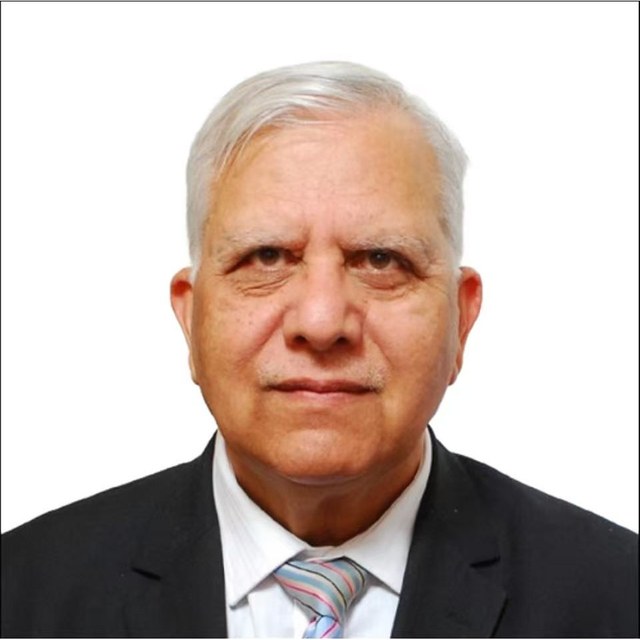
Zamir Ahmed Awan is the founder and Chair of the Global Silk Route Research Alliance, a think tank in Islamabad. He studied engineering at Shanghai University in the 1980s, and years later he went back to China as Pakistan's science counsellor in Beijing, from 2010 until 2016, working on science and higher education cooperation between the two countries.…