
Pakistan ends Asian Games with best finish in 24 years
Source Xinhua, Dawn, Arab News, Anadolu and Minute Mirror


Pakistan finished its Asian Games 2026 campaign with 10 medals, two silver and eight bronze, their best haul at the continental event since 2002.
China dominated and topped the 2026 Asian Games final standings with a massive haul of 341 total medals (including 169 gold).
India enjoyed a stellar run to finish in 4th place with 85 medals overall, comprising 21 gold, 27 silver, and 37 bronze, by top finishes in sports like archery, hockey, and cricket. Meanwhile, Pakistan secured the 29th spot, failing to win a gold but registering their best overall performance since 2002.
The two silver medals came in men’s cricket and men’s squash, while Pakistan won bronze in women’s cricket, men’s hockey, men’s volleyball, men’s squash singles, MMA, shooting and e-sports (PUBG).
The 10-medal haul represents a significant improvement on Pakistan’s recent performances at the Asian Games.
Pakistan won three medals in 2023, four in 2018, five in 2014, eight in 2010 and four in 2006.
Follow us on our Official WhatsApp channel
Their last campaign to produce more than nine medals was in 2002, when Pakistan won 13, including one gold, six silver and six bronze.
The 2026 Games also ended several long medal droughts.
Pakistan won its first Asian Games volleyball medal since 1962, while the men’s hockey team claimed its first medal at the event since 2014.
Cricket also returned to the Asian Games podium for the first time since 2014, with the men’s team winning silver and the women’s side taking bronze.
Pakistan missed out on medals in kabaddi and javelin throw, two events in which they had targeted podium finishes.
Despite failing to win gold, Pakistan’s 10-medal haul marks a notable improvement on their recent Asian Games record.
Reference Link:- https://a-sports.tv/pakistan-end-asian-games-best-finish-24-years
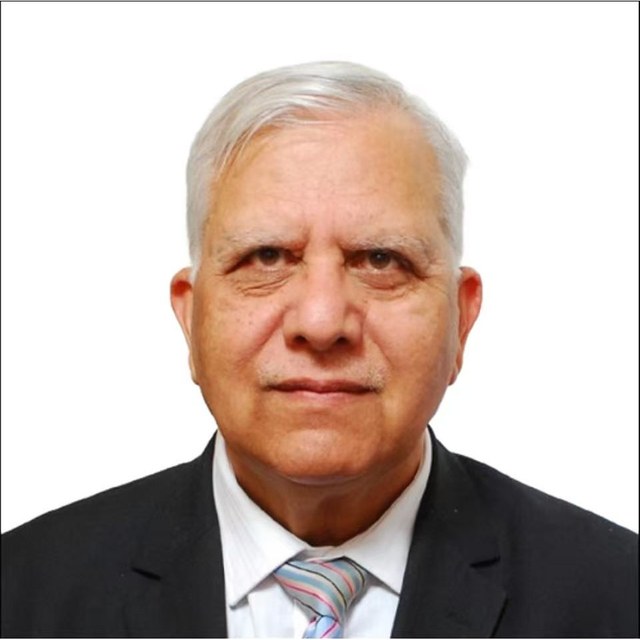
Zamir Ahmed Awan is the founder and Chair of the Global Silk Route Research Alliance, a think tank in Islamabad. He studied engineering at Shanghai University in the 1980s, and years later he went back to China as Pakistan's science counsellor in Beijing, from 2010 until 2016, working on science and higher education cooperation between the two countries.…






My experience with training revealed that consistent effort matters more than focusing solely on the final score. A different approach to physical conditioning changed everything.