Pakistan and the SCO Civilizational Dialogue: Reviving Our Shared Heritage for a Peaceful Future. 巴基斯坦与上合组织文明对话:为和平未来重振我们的共同遗产.

(下边有中文翻译,请继续看到底。 谢谢。)
The Government of Pakistan’s decision to nominate Dr. Musadik Masood Malik, Federal Minister for Climate Change and Environmental Coordination, to represent the country at the Shanghai Cooperation Organisation (SCO) Civilizational Dialogue in New Delhi from 20 to 22 November 2026 is a welcome diplomatic initiative. It reflects Pakistan’s commitment to promoting intercultural understanding, mutual respect and people-to-people contacts within the SCO framework.
At a time when geopolitical tensions, regional rivalries and cultural misunderstandings continue to challenge international relations, civilizational dialogue has acquired renewed importance. Nations must look beyond political differences and recognize their shared histories, cultural connections and common human values. Pakistan has a particularly important contribution to make in this regard.
Understanding the SCO and Pakistan’s significance
Established in June 2001, the Shanghai Cooperation Organisation has developed into one of the most significant regional multilateral organizations. Its original members were China, Russia, Kazakhstan, Kyrgyzstan, Tajikistan and Uzbekistan. With subsequent expansion, including Pakistan and India in 2017, Iran in 2023 and Belarus in 2024, the SCO now comprises ten member states.
The organization seeks to strengthen regional peace, security and stability while promoting cooperation in trade, investment, energy, transportation, science, technology, education and culture. Its guiding principles include mutual trust, sovereign equality, respect for cultural diversity and common development.
Pakistan became a full member in June 2017, following twelve years as an observer. Its membership is strategically significant because of its geographical position, connecting South Asia with Central Asia, China, and the broader Eurasian region. Pakistan also provides access to the Arabian Sea through its ports, offering important opportunities for regional trade and connectivity.
Through CPEC and its wider connectivity potential, Pakistan can contribute to economic integration, transportation networks, and regional prosperity. Its longstanding relationships with China and Central Asian countries further strengthen its position within the organization. Pakistan’s significance, however, extends beyond geography and economics. Its historical, cultural, and civilizational connections with SCO member states provide a strong foundation for cooperation.
Pakistan: An ancient civilization and contributor to humanity
Pakistan is not a young civilization simply because it became an independent country in 1947. The territory constituting modern Pakistan is home to some of the world’s oldest civilizations and has served as a meeting point of cultures, religions, languages and intellectual traditions for thousands of years.
The Indus Valley Civilization, particularly Mohenjo-daro and Harappa, represents one of humanity’s earliest urban civilizations, flourishing more than 4,000 years ago. Its achievements in town planning, drainage systems, architecture, trade, and craftsmanship demonstrate an advanced understanding of urban life.
Equally significant is the Gandhara Civilization, which developed in present-day northern Pakistan and adjoining regions. Gandhara became an important centre of Buddhist learning, philosophy, sculpture and artistic expression. Its distinctive artistic traditions travelled along ancient trade routes, influencing Buddhist art across Central and East Asia.
Taxila was among the important centres of learning in the ancient world. Located along a branch of the Silk Road, it attracted scholars, traders, and travellers from different regions. Its historical significance illustrates how knowledge and ideas crossed geographical and cultural boundaries long before modern globalization.
Pakistan’s contribution continued through successive historical periods. Islamic civilization enriched the region through scholarship, architecture, literature, philosophy, and spiritual traditions. Later, Mughal architecture, Sufi teachings, traditional music, poetry, handicrafts and diverse regional languages further enriched its cultural landscape.
UNESCO recognizes six Pakistani properties on its World Heritage List, including Mohenjo-daro, Taxila, Takht-i-Bahi, Makli, Lahore Fort, Shalimar Gardens, and Rohtas Fort. These sites represent a remarkable heritage belonging not only to Pakistan but also to humanity.
Pakistan’s role in promoting civilizational dialogue
Pakistan has considerable potential to serve as a bridge between civilizations. Its historical connections with China, Central Asia, South Asia and the Middle East provide a unique foundation for promoting cultural understanding.
The ancient Silk Road was not merely a commercial network. It facilitated the exchange of religions, philosophies, languages, scientific knowledge, artistic traditions and technologies. Pakistan’s geographical and historical position made it an important part of these interactions.
The SCO Civilizational Dialogue should therefore be viewed as an opportunity to revive these historical connections and translate them into contemporary cooperation.
Pakistan can contribute by promoting academic exchanges, joint archaeological research, cultural exhibitions, student mobility, tourism, literary festivals and cooperation among universities and research institutions. Greater collaboration among museums, historians, artists and cultural organizations could also help preserve shared heritage.
Importantly, Pakistan can use its experience of religious and cultural diversity to encourage tolerance and mutual understanding. Respect for different beliefs, traditions and identities should remain central to meaningful civilizational dialogue.
There is also a growing need to protect cultural heritage from climate change, environmental degradation, urbanization and natural disasters. Pakistan’s participation under the leadership of its Federal Minister for Climate Change and Environmental Coordination provides an opportunity to connect cultural preservation with environmental sustainability. Protecting ancient monuments and archaeological sites is also an important responsibility towards future generations.
From historical connections to a shared future
Civilizational dialogue must go beyond speeches and ceremonial gatherings. It should produce practical initiatives that bring people closer together. The SCO provides an appropriate institutional platform for developing long-term cultural partnerships among its member states.
Pakistan can propose a regional programme of heritage cooperation, including a network of universities and archaeological institutions, joint cultural festivals, exchange programmes for young scholars and students, and collaborative efforts to document and preserve historical sites.
Such initiatives would strengthen mutual understanding and create opportunities for tourism, education and economic cooperation.
The participation of Pakistan in the New Delhi dialogue should also be understood in the broader context of regional diplomacy. Despite political differences among certain SCO members, cultural engagement can provide common ground and maintain channels of communication.
Civilizations should be bridges connecting nations, not barriers dividing them.
Pakistan has a rich historical legacy and a constructive regional role to play. By sharing its heritage, promoting intercultural understanding and encouraging practical cooperation, it can make a meaningful contribution to the SCO’s broader vision.
Ultimately, the objective of civilizational dialogue should not be to establish the superiority of one civilization over another. It should be to recognize the achievements of all civilizations, learn from their experiences, and build a future based on mutual respect, peaceful coexistence, and shared prosperity.
Pakistan has both the historical credentials and the diplomatic opportunity to contribute to this important mission.
巴基斯坦与上合组织文明对话:为和平未来重振我们的共同遗产.
巴基斯坦政府决定提名联邦气候变化与环境协调部长穆萨迪克·马苏德·马利克博士,于2026年11月20日至22日代表巴基斯坦出席在新德里举行的上海合作组织(SCO)文明对话会议,是一项值得欢迎的外交举措。这体现了巴基斯坦在SCO框架内致力于促进跨文化理解、相互尊重以及民间交流的坚定承诺。
在地缘政治紧张局势、地区竞争和文化误解持续影响国际关系的背景下,文明对话的重要性日益凸显。各国必须超越政治分歧,认识到彼此共同的历史、文化联系以及普世的人类价值观。巴基斯坦在此方面具有特别重要的贡献。
了解SCO及巴基斯坦的意义
上海合作组织成立于2001年6月,现已发展成为最重要的区域性多边组织之一,其创始成员国包括中国、俄罗斯、哈萨克斯坦、吉尔吉斯斯坦、塔吉克斯坦和乌兹别克斯坦。随着后续的扩张,包括2017年加入巴基斯坦和印度,2023年伊朗以及2024年白俄罗斯,上海合作组织现已拥有十个成员国。
该组织致力于加强地区和平、安全与稳定,同时推动在贸易、投资、能源、交通、科技、教育和文化等领域的合作。其指导原则包括相互信任、主权平等、尊重文化多样性以及共同繁荣。
巴基斯坦于2017年6月成为正式成员,此前已作为观察员参与了十二年。由于其地理位置,连接南亚与中亚、中国及更广泛的欧亚地区,巴基斯坦的成员资格具有重要的战略意义。此外,巴基斯坦通过港口可通往阿拉伯海,为区域贸易和互联互通提供了重要机遇。
通过“一带一路”倡议及其更广泛的互联互通潜力,巴基斯坦能够促进经济一体化、交通网络建设和区域繁荣。其与中国及中亚国家长期建立的关系进一步巩固了其在该组织中的地位。然而,巴基斯坦的重要性远不止于地理和经济层面。巴基斯坦与上海合作组织成员国在历史、文化和文明方面的联系,为合作奠定了坚实基础。
巴基斯坦:人类古老文明的贡献者
巴基斯坦并非仅仅因为1947年获得独立而成为年轻文明。现代巴基斯坦所辖领土孕育了世界上一些最古老的文明,并作为文化、宗教、语言和思想传统的交汇之地,持续数千年之久。
印度河流域文明,尤其是摩亨佐-达罗和哈拉帕遗址,代表了人类最早的城市文明之一,其繁荣时间距今已有四千多年以上。该文明在城市规划、排水系统、建筑、贸易和工艺方面取得的成就,展现了对城市生活的深刻理解。
同样重要的是犍陀罗文明,它发展于今天的巴基斯坦北部及周边地区。犍陀罗成为佛教学习、哲学、雕塑和艺术表达的重要中心。其独特的艺术传统沿着古代贸易路线传播,影响了中亚和东亚地区的佛教��术。
塔希拉是古代世界重要的学术中心之一,位于丝绸之路的一条分支沿线,吸引了来自不同地区的学者、商人和旅行者。其历史意义表明,在现代全球化之前,知识与思想早已跨越地理和文化边界。
巴基斯坦的贡献贯穿了多个历史时期。伊斯兰文明通过学术、建筑、文学、哲学和精神传统丰富了该地区。后来,莫卧儿建筑、苏菲教义、传统音乐、诗歌、手工艺以及多种地方语言进一步丰富了其文化景观。
联合国教科文组织将包括摩亨佐-达罗、塔希拉、巴赫蒂尔宫、马克利、拉合尔堡、沙丽玛花园和罗塔斯堡在内的六处巴基斯坦遗产列入世界遗产名录。这些遗址不仅属于巴基斯坦,也属于全人类的重要文化遗产。
巴基斯坦在促进文明对话中的作用
巴基斯坦具有巨大的潜力,可成为不同文明之间的桥梁。其与中国、中亚、南亚及中东地区的历史联系,为推动文化交流提供了独特基础。
古代丝绸之路不仅是一条商业网络,更促进了宗教、哲学、语言、科学知识、艺术传统和技术的交流。巴基斯坦的地理与历史位置使其成为这些互动的重要组成部分。
因此,上海合作组织文明对话应被视为重振这些历史联系并转化为当代合作的契机。
巴基斯坦可通过推动学术交流、联合考古研究、文化展览、学生互访、旅游、文学节以及大学和科研机构间的合作来贡献力量。博物馆、历史学家、艺术家和文化组织之间的更大程度协作,也有助于共同文化遗产的保护。
重要的是,巴基斯坦可以利用其宗教与文化多样性的经验,促进宽容与相互理解。尊重不同的信仰、传统和身份认同,应始终是富有意义的文明对话的核心。
同时,保护文化遗产免受气候变化、环境退化、城市化和自然灾害的影响的需求日益增长。在联邦气候变化与环境协调部长的领导下,巴基斯坦的参与为将文化遗产保护与环境可持续发展相结合提供了契机。保护古代遗迹和考古遗址也是对子孙后代的重要责任。
从历史联系到共同未来
文明对话不应仅限于演讲和仪式性聚会,而应产生切实可行的举措,使人们更加紧密地团结在一起。上海合作组织为成员国之间建立长期文化伙伴关系提供了合适的制度平台。
巴基斯坦可以提出一项区域文化遗产合作计划,包括建立大学和考古机构网络、举办联合文化节、开展青年学者与学生的交流项目,以及共同开展历史遗址的记录与保护工作。
此类举措将加强相互理解,并为旅游、教育和经济合作创造机遇。
巴基斯坦参与新德里对话,也应置于更广泛的区域外交背景中来理解。尽管上海合作组织(SCO)部分成员国之间存在政治分歧,但文化交流仍可提供共同基础,并保持沟通渠道。
文明应当成为连接各国的桥梁,而非分裂国家的障碍。
巴基斯坦拥有丰富的历史文化传统,在区域发展中具有建设性作用。通过分享文化遗产、促进跨文化理解并推动务实合作,它能够为上海合作组织的更广泛愿景作出有意义的贡献。
归根结底,文明对话的目标不应是确立一种文明优于其他文明的优越地位。应当承认所有文明的成就,借鉴他们的经验,并以相互尊重、和平共处和共同繁荣为基础建设未来。
(注意: 本文是用AI翻译的,或有误差。请以原版英文为准。谢谢。)
Reference Link:- https://thinktank.pk/2026/11/19/pakistan-and-the-sco-civilizational-dialogue-reviving-our-shared-heritage-for-a-peaceful-future/
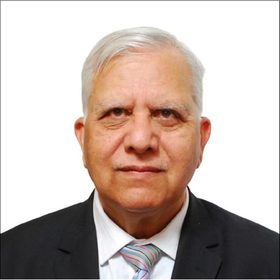
Zamir Ahmed Awan is the founder and Chair of the Global Silk Route Research Alliance, a think tank in Islamabad. He studied engineering at Shanghai University in the 1980s, and years later he went back to China as Pakistan's science counsellor in Beijing, from 2010 until 2016, working on science and higher education cooperation between the two countries.…