Ginseng harvest in full swing in Fusong, NE China
Wire desk byline Sourced from Xinhua, Dawn, Arab News, Anadolu and Minute Mirror. Translated and abridged by the GSRRA Desk.


An aerial drone photo taken on Sept. 20, 2026 shows farmers harvesting ginseng at a national modern agriculture industrial park in Fusong County, northeast China’s Jilin Province. In Autumn, Fusong County, located in the hinterland of the Changbai Mountain in northeast China’s Jilin Province, has greeted the harvest and dealing season for locally grown ginseng. As the largest planting, processing and trading center of ginseng in China, Fusong County is also called “the hometown of ginseng.”
In recent years, Jilin has promoted the ginseng industry as a key mission in high-quality development, with the comprehensive output value of the ginseng industry exceeding 100 billion yuan (about 14.94 billion U.S. dollars) in 2025, a 30.5 percent increase from that of last year, the biggest increase in the last ten years. (Xinhua/Xu Chang)

A worker sorts ginseng products at a ginseng processing company in Wanliang Town, Fusong County, northeast China’s Jilin Province, Sept. 19, 2026. In Autumn, Fusong County, located in the hinterland of the Changbai Mountains in northeast China’s Jilin Province, has greeted the harvest and dealing season for locally grown ginseng. As the largest planting, processing and trading center of ginseng in China, Fusong County is also called “the hometown of ginseng.”
In recent years, Jilin has promoted the ginseng industry as a key mission in high-quality development, with the comprehensive output value of the ginseng industry exceeding 100 billion yuan (about 14.94 billion U.S. dollars) in 2025, a 30.5 percent increase from that of last year, the biggest increase in the last ten years. (Xinhua/Xu Chang)

A worker sorts ginseng at a ginseng processing company in Wanliang Town, Fusong County, northeast China’s Jilin Province, Sept. 19, 2026. In Autumn, Fusong County, located in the hinterland of the Changbai Mountain in northeast China’s Jilin Province, has greeted the harvest and dealing season for locally grown ginseng. As the largest planting, processing and trading center of ginseng in China, Fusong County is also called “the hometown of ginseng.”
In recent years, Jilin has promoted the ginseng industry as a key mission in high-quality development, with the comprehensive output value of the ginseng industry exceeding 100 billion yuan (about 14.94 billion U.S. dollars) in 2025, a 30.5 percent increase from that of last year, the biggest increase in the last ten years. (Xinhua/Xu Chang)

A worker dries ginseng at a ginseng processing company in Wanliang Town, Fusong County, northeast China’s Jilin Province, Sept. 19, 2026. In Autumn, Fusong County, located in the hinterland of the Changbai Mountain in northeast China’s Jilin Province, has greeted the harvest and dealing season for locally grown ginseng. As the largest planting, processing and trading center of ginseng in China, Fusong County is also called “the hometown of ginseng.”
In recent years, Jilin has promoted the ginseng industry as a key mission in high-quality development, with the comprehensive output value of the ginseng industry exceeding 100 billion yuan (about 14.94 billion U.S. dollars) in 2025, a 30.5 percent increase from that of last year, the biggest increase in the last ten years. (Xinhua/Xu Chang)

A judge reviews a wild ginseng during a wild ginseng competition in Wanliang Town, Fusong County, northeast China’s Jilin Province, Sept. 19, 2026. In Autumn, Fusong County, located in the hinterland of the Changbai Mountain in northeast China’s Jilin Province, has greeted the harvest and dealing season for locally grown ginseng. As the largest planting, processing and trading center of ginseng in China, Fusong County is also called “the hometown of ginseng.”
In recent years, Jilin has promoted the ginseng industry as a key mission in high-quality development, with the comprehensive output value of the ginseng industry exceeding 100 billion yuan (about 14.94 billion U.S. dollars) in 2025, a 30.5 percent increase from that of last year, the biggest increase in the last ten years. (Xinhua/Xu Chang)

A customer shows a ginseng he purchased at a trading market for ginseng, in Wanliang Town, Fusong County, northeast China’s Jilin Province, Sept. 19, 2026. In Autumn, Fusong County, located in the hinterland of the Changbai Mountain in northeast China’s Jilin Province, has greeted the harvest and dealing season for locally grown ginseng. As the largest planting, processing and trading center of ginseng in China, Fusong County is also called “the hometown of ginseng.”
In recent years, Jilin has promoted the ginseng industry as a key mission in high-quality development, with the comprehensive output value of the ginseng industry exceeding 100 billion yuan (about 14.94 billion U.S. dollars) in 2025, a 30.5 percent increase from that of last year, the biggest increase in the last ten years. (Xinhua/Xu Chang)

A shop owner sells ginseng products via livestreaming at a trading market for ginseng, in Wanliang Town, Fusong County, northeast China’s Jilin Province, Sept. 20, 2026. In Autumn, Fusong County, located in the hinterland of the Changbai Mountains in northeast China’s Jilin Province, has greeted the harvest and trading season for locally grown ginseng. As the largest planting, processing and trading center of ginseng in China, Fusong County is also called “the hometown of ginseng.”
In recent years, Jilin has promoted the ginseng industry as a key mission in high-quality development, with the comprehensive output value of the ginseng industry exceeding 100 billion yuan (about 14.94 billion U.S. dollars) in 2025, a 30.5 percent increase from that of last year, the biggest increase in the last ten years. (Xinhua/Xu Chang)

Workers sort ginseng at a ginseng processing company in Wanliang Town, Fusong County, northeast China’s Jilin Province, Sept. 19, 2026. In Autumn, Fusong County, located in the hinterland of the Changbai Mountain in northeast China’s Jilin Province, has greeted the harvest and dealing season for locally grown ginseng. As the largest planting, processing and trading center of ginseng in China, Fusong County is also called “the hometown of ginseng.”
In recent years, Jilin has promoted the ginseng industry as a key mission in high-quality development, with the comprehensive output value of the ginseng industry exceeding 100 billion yuan (about 14.94 billion U.S. dollars) in 2025, a 30.5 percent increase from that of last year, the biggest increase in the last ten years. (Xinhua/Xu Chang)

An aerial drone photo taken on Sept. 20, 2026 shows a ginseng planting base at a national modern agriculture industrial park in Fusong County, northeast China’s Jilin Province. In Autumn, Fusong County, located in the hinterland of the Changbai Mountains in northeast China’s Jilin Province, has greeted the harvest and dealing season for locally grown ginseng. As the largest planting, processing and trading center of ginseng in China, Fusong County is also called “the hometown of ginseng.”
In recent years, Jilin has promoted the ginseng industry as a key mission in high-quality development, with the comprehensive output value of the ginseng industry exceeding 100 billion yuan (about 14.94 billion U.S. dollars) in 2025, a 30.5 percent increase from that of last year, the biggest increase in the last ten years. (Xinhua/Xu Chang)

A wild ginseng is displayed during a wild ginseng competition in Wanliang Town, Fusong County, northeast China’s Jilin Province, Sept. 20, 2026. In Autumn, Fusong County, located in the hinterland of the Changbai Mountains in northeast China’s Jilin Province, has greeted the harvest and dealing season for locally grown ginseng. As the largest planting, processing and trading center of ginseng in China, Fusong County is also called “the hometown of ginseng.”
In recent years, Jilin has promoted the ginseng industry as a key mission in high-quality development, with the comprehensive output value of the ginseng industry exceeding 100 billion yuan (about 14.94 billion U.S. dollars) in 2025, a 30.5 percent increase from that of last year, the biggest increase in the last ten years. (Xinhua/Xu Chang)

The awarding ceremony of a wild ginseng competition is held in Wanliang Town, Fusong County, northeast China’s Jilin Province, Sept. 20, 2026. In Autumn, Fusong County, located in the hinterland of the Changbai Mountain in northeast China’s Jilin Province, has greeted the harvest and processing season for locally grown ginseng. As the largest planting, processing and trading center of ginseng in China, Fusong County is also called “the hometown of ginseng.”
In recent years, Jilin has promoted the ginseng industry as a key mission in high-quality development, with the comprehensive output value of the ginseng industry exceeding 100 billion yuan (about 14.94 billion U.S. dollars) in 2025, a 30.5 percent increase from that of last year, the biggest increase in the last ten years. (Xinhua/Xu Chang)

A farmer shows a harvested ginseng in Wanliang Town, Fusong County, northeast China’s Jilin Province, Sept. 20, 2026. In Autumn, Fusong County, located in the hinterland of the Changbai Mountain in northeast China’s Jilin Province, has greeted the harvest and dealing season for locally grown ginseng. As the largest planting, processing, and trading center of ginseng in China, Fusong County is also called “the hometown of ginseng.”
In recent years, Jilin has promoted the ginseng industry as a key mission in high-quality development, with the comprehensive output value of the ginseng industry exceeding 100 billion yuan (about 14.94 billion U.S. dollars) in 2025, a 30.5 percent increase from that of last year, the biggest increase in the last ten years. (Xinhua/Xu Chang)

A staff member helps a merchant carry goods at a trading market for ginseng, in Wanliang Town, Fusong County, northeast China’s Jilin Province, Sept. 19, 2026. In Autumn, Fusong County, located in the hinterland of the Changbai Mountain in northeast China’s Jilin Province, has greeted the harvest and dealing season for locally grown ginseng. As the largest planting, processing and trading center of ginseng in China, Fusong County is also called “the hometown of ginseng.”
In recent years, Jilin has promoted the ginseng industry as a key mission in high-quality development, with the comprehensive output value of the ginseng industry exceeding 100 billion yuan (about 14.94 billion U.S. dollars) in 2025, a 30.5 percent increase from that of last year, the biggest increase in the last ten years. (Xinhua/Xu Chang)

Customers select ginseng at a trading market for ginseng, in Wanliang Town, Fusong County, northeast China’s Jilin Province, Sept. 19, 2026. In Autumn, Fusong County, located in the hinterland of the Changbai Mountains in northeast China’s Jilin Province, has greeted the harvest and trading season for locally grown ginseng. As the largest planting, processing, and trading center of ginseng in China, Fusong County is also called “the hometown of ginseng.”
In recent years, Jilin has promoted the ginseng industry as a key mission in high-quality development, with the comprehensive output value of the ginseng industry exceeding 100 billion yuan (about 14.94 billion U.S. dollars) in 2025, a 30.5 percent increase from that of last year, the biggest increase in the last ten years. (Xinhua/Xu Chang)

Merchants are seen at a trading market for ginseng at night in Wanliang Town, Fusong County, northeast China’s Jilin Province, Sept. 19, 2026. In Autumn, Fusong County, located in the hinterland of the Changbai Mountain in northeast China’s Jilin Province, has greeted the harvest and trading season for locally grown ginseng. As the largest planting, processing, and trading center of ginseng in China, Fusong County is also called “the hometown of ginseng.”
In recent years, Jilin has promoted the ginseng industry as a key mission in high-quality development, with the comprehensive output value of the ginseng industry exceeding 100 billion yuan (about 14.94 billion U.S. dollars) in 2025, a 30.5 percent increase from that of last year, the biggest increase in the last ten years. (Xinhua/Xu Chang)

A drone photo taken on Sept. 19, 2026 shows a view in Wanliang Town, where a trading market for ginseng is located, in Fusong County, northeast China’s Jilin Province. In Autumn, Fusong County, located in the hinterland of the Changbai Mountains in northeast China’s Jilin Province, has greeted the harvest and trading season for locally grown ginseng. As the largest planting, processing, and trading center of ginseng in China, Fusong County is also called “the hometown of ginseng.”
In recent years, Jilin has promoted the ginseng industry as a key mission in high-quality development, with the comprehensive output value of the ginseng industry exceeding 100 billion yuan (about 14.94 billion U.S. dollars) in 2025, a 30.5 percent increase from that of last year, the biggest increase in the last ten years. (Xinhua/Xu Chang)

Workers pack ginseng products at a ginseng processing company in Wanliang Town, Fusong County, northeast China’s Jilin Province, Sept. 19, 2026. In Autumn, Fusong County, located in the hinterland of the Changbai Mountains in northeast China’s Jilin Province, has greeted the harvest and dealing season for locally grown ginseng. As the largest planting, processing, and trading center of ginseng in China, Fusong County is also called “the hometown of ginseng.”
In recent years, Jilin has promoted the ginseng industry as a key mission in high-quality development, with the comprehensive output value of the ginseng industry exceeding 100 billion yuan (about 14.94 billion U.S. dollars) in 2025, a 30.5 percent increase from that of last year, the biggest increase in the last ten years. (Xinhua/Xu Chang)
Reference Link:- https://english.news.cn/20260922/5013981f9226466db24336e479096f18/c.html
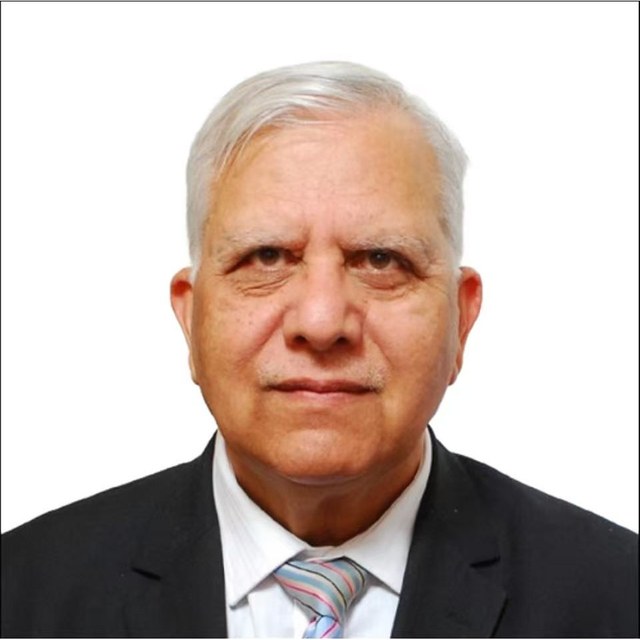
Zamir Ahmed Awan is the founder and Chair of the Global Silk Route Research Alliance, a think tank in Islamabad. He studied engineering at Shanghai University in the 1980s, and years later he went back to China as Pakistan's science counsellor in Beijing, from 2010 until 2016, working on science and higher education cooperation between the two countries.…