
China’s Anti-Corruption Drive: Building Clean Governance for National Development. 中国的反腐败斗争:为国家发展构建清廉治理。
Wire desk byline Sourced from Xinhua, Dawn, Arab News, Anadolu and Minute Mirror. Translated and abridged by the GSRRA Desk.

Corruption is a curse that undermines development, weakens institutions, and erodes public confidence. It diverts public resources, distorts economic decision-making, and creates inequality. While corruption is a global phenomenon affecting countries at different stages of development, it poses an especially serious challenge for developing nations, where efficient governance and the proper use of limited resources are essential for national progress.
China has placed the fight against corruption at the center of its governance agenda. Under the leadership of President Xi Jinping, who is also General Secretary of the Communist Party of China (CPC) Central Committee and Chairman of the Central Military Commission, the country has pursued a sustained and wide-ranging anti-corruption campaign. The effort has demonstrated that combating corruption requires not only laws and punishment, but also political commitment, institutional supervision and long-term preventive mechanisms.
Since the launch of the current anti-corruption drive, numerous officials at different levels have been investigated and punished, including senior figures once considered politically powerful. The campaign’s well-known principle of targeting both “tigers and flies” reflects the objective of applying discipline and accountability across all levels of administration. This approach has sent a clear message: no position should provide immunity from scrutiny.
China’s anti-corruption campaign is now increasingly focused on building institutions capable of preventing misconduct rather than relying exclusively on punishment after corruption has occurred. The objective is to strengthen political oversight, improve supervision, enforce discipline and address corruption at its roots. This represents an important transition from reactive anti-graft action towards a more systematic model of clean governance.
The importance of this approach was again highlighted at the sixth plenary session of the 20th Central Commission for Discipline Inspection (CCDI), held in Beijing on Saturday. Li Xi, a member of the Standing Committee of the Political Bureau of the CPC Central Committee and secretary of the CCDI, addressed the session, which reviewed discipline inspection and supervision work during the first half of 2026 and outlined priorities for the remainder of the year.
The session called for steadfastly following the Chinese path to combating corruption and promoting the high-quality development of discipline inspection and supervision in the new era. Importantly, it emphasized the need for higher standards and more concrete measures rather than complacency over earlier achievements.
Among the priorities identified were strengthening political oversight, deepening political inspections and strictly enforcing discipline during leadership transitions. The session also called for continued efforts to improve conduct, enforce discipline and combat corruption, while maintaining concentrated rectification of misconduct and corruption occurring “at the people’s doorsteps.” This focus is particularly significant because corruption is not limited to major financial scandals or high-ranking officials. Everyday abuses of authority can directly affect citizens’ access to public services, welfare and economic opportunities.
The session also elected Zhao Shiyong as deputy secretary of the CCDI and Zhang Zhong as deputy secretary and a member of its Standing Committee, reinforcing the commission’s organizational structure for the continuing implementation of its mandate.
China’s experience offers an important lesson: the fight against corruption cannot be treated as a temporary political campaign. Corruption adapts; it changes form and finds new channels when oversight weakens. Therefore, the most effective strategy must combine strict enforcement with institutional reform, transparent procedures, effective supervision and continuous political commitment.
China’s achievements should not lead to the assumption that corruption can disappear overnight. The construction of a cleaner system of governance is necessarily a long-term process. Yet China’s sustained campaign demonstrates that determined leadership, strong institutions and consistent accountability can significantly reduce the space in which corruption operates.
For developing countries struggling with weak institutions and limited resources, this experience deserves careful study. Every country has its own political system and circumstances, and no single model can simply be copied. However, certain principles have universal relevance: accountability should apply to everyone, public authority must remain subject to oversight, and the fight against corruption must be institutionalized rather than selectively applied.
China’s continuing reforms and disciplinary efforts reflect an ambition to make clean governance an enduring feature of national development. The ultimate goal may be ambitious, but the direction is clear: to ensure that public power serves the people and that private interests do not compromise development.
The anti-corruption struggle, therefore, is not merely about punishing corrupt individuals. It is about protecting public resources, strengthening institutions, improving governance and creating conditions for sustainable development. China’s continuing efforts offer a powerful reminder that when the fight against corruption is pursued with consistency, seriousness and institutional support, meaningful progress is possible.
中国的反腐败斗争:为国家发展构建清廉治理。
反腐败斗争:维护发展、强化治理的重要保障
腐败是一种严重阻碍发展的顽疾,它不仅削弱国家机构的效能,也会侵蚀公众对政府的信任。腐败会导致公共资源被挪用,扭曲经济决策,并加剧社会不平等。虽然腐败是一个影响处于不同发展阶段国家的全球性现象,但对于发展中国家而言,这一问题尤为严峻,因为高效治理以及有限资源的合理使用,是实现国家进步的重要基础。
中国一直将反腐败斗争置于国家治理的重要位置。在中共中央总书记、国家主席、中央军委主席习近平的领导下,中国持续开展了一场长期、广泛而深入的反腐败斗争。这一努力表明,反腐败不仅需要法律法规和惩治措施,更需要坚定的政治决心、完善的制度监督以及长期有效的预防机制。
自当前反腐败斗争开展以来,中国对各级干部进行了大量调查和处理,其中包括一些曾经具有较大政治影响力的高级官员。反腐败斗争中广为人知的“打虎拍蝇”原则,体现了在各个层级落实纪律约束和责任追究的目标。这种做法释放出一个清晰的信号:任何职位都不应成为逃避监督和审查的保护伞。
当前,中国的反腐败斗争越来越重视建设能够预防违规违纪行为的制度体系,而不仅仅是在腐败发生之后进行惩处。其目标是加强政治监督,完善监督体系,严格执行纪律,从根源上治理腐败。这标志着反腐败工作正在从事后惩治逐步向更加系统化的廉洁治理模式转变。
这一理念在8月29日于北京举行的中共中央纪委国家监委第六次全体会议上再次得到强调。中共中央政治局常委、中央纪委书记李希出席会议并讲话。会议总结了2026年上半年纪律检查和监察工作,并对下半年重点任务作出部署。
会议强调,要坚定不移走中国特色反腐败之路,推动新时代纪检监察工作高质量发展。值得注意的是,会议强调必须坚持更高标准、采取更加具体有效的措施,不能因已经取得的成绩而产生松懈情绪。
会议提出的重点任务包括加强政治监督、深化政治巡视,并在领导班子换届过程中严格执行纪律。同时,会议要求持续推进作风建设、严格纪律执行和反腐败斗争,并集中整治发生在“群众身边”的不正之风和腐败问题。
这一重点具有特别重要的意义,因为腐败并不仅仅表现为重大经济案件或高级官员违法违纪。滥用职权等发生在日常治理中的行为,同样可能直接影响普通群众获得公共服务、社会福利以及经济发展机会。
会议还选举赵世勇为中央纪委副书记,张忠为中央纪委副书记、常委,进一步完善了中央纪委的组织结构,为持续履行其监督执纪问责职责提供组织保障。
中国的经验表明,反腐败不能被视为一场短期的政治运动。腐败具有很强的适应性。当监督力度减弱时,腐败可能改变形式,并通过新的渠道重新出现。因此,有效的反腐败战略必须把严格执法与制度改革、程序透明、有效监督以及持续的政治决心结合起来。
中国取得的成绩并不意味着腐败能够在短期内彻底消失。建设更加廉洁、高效的治理体系必然是一个长期过程。然而,中国持续推进反腐败斗争的实践表明,坚定的领导、健全的制度和持续的问责能够有效压缩腐败滋生和蔓延的空间。
对于许多面临制度薄弱、资源有限等问题的发展中国家而言,中国的相关经验值得认真研究。每个国家都有自身的政治制度、历史背景和社会条件,因此不存在一种可以简单照搬的模式。但一些基本原则具有普遍意义:问责必须适用于所有人,公共权力必须接受监督,反腐败必须制度化、常态化,而不能选择性地实施。
中国持续推进的改革和纪律建设,体现了将廉洁治理打造成为国家长期发展的重要组成部分的目标。这个目标虽然任重道远,但方向十分明确:确保公共权力服务于人民,确保国家发展不被个人利益和腐败行为所侵蚀。 因此,反腐败斗争并不仅仅是惩处腐败分子,更重要的是保护公共资源、强化国家机构、改善治理能力,并为可持续发展创造良好条件。中国持续推进反腐败斗争的实践有力说明,只要以坚定的决心、严肃的态度和完善的制度体系持续推进反腐败工作,就能够取得切实而有意义的进展。
Reference Link:- https://macaulawnews.com/newsinfo/3217992.html
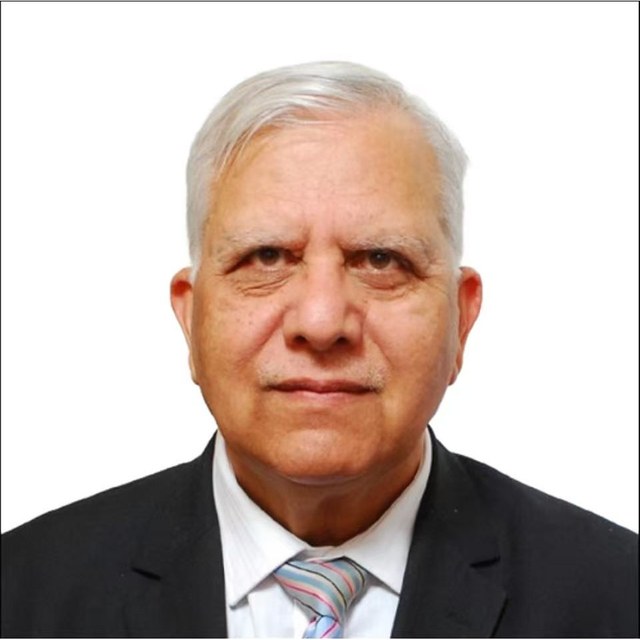
Zamir Ahmed Awan is the founder and Chair of the Global Silk Route Research Alliance, a think tank in Islamabad. He studied engineering at Shanghai University in the 1980s, and years later he went back to China as Pakistan's science counsellor in Beijing, from 2010 until 2016, working on science and higher education cooperation between the two countries.…







In my experience, a system needs strong legal backing to truly succeed. For instance, in some regions, the lack of clear enforcement mechanisms meant the initiative had limited long term impact.