

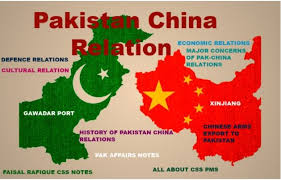
(下边有中文翻译,请继续看到底。 谢谢。)
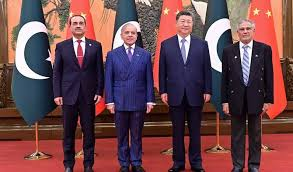
The history of economic development is, in many ways, the history of technological transformation. Nations that successfully identify and invest in emerging technologies often shape the future rather than merely adapt to it. From the Industrial Revolution to the digital age, technological leadership has repeatedly determined economic competitiveness, national strength, and societal progress. Today, the world stands at the threshold of another major transformation driven by artificial intelligence, quantum technologies, biotechnology, advanced communications, and clean energy systems.
Against this backdrop, Chinese President Xi Jinping’s article, “Proactively Planning and Developing Future Industries,” published in Qiushi Journal, provides a comprehensive vision for China’s next stage of development. The article reflects China’s determination to seize the initiative in future technological competition, cultivate new, quality productive forces, and ensure that scientific and technological innovation continues to improve people’s quality of life.
The vision outlined by President Xi is not merely about economic growth. It is about preparing China for the industries that will define the global economy over the coming decades. It is a strategic roadmap that combines technological innovation, industrial modernization, talent development, policy support, and international cooperation.
Building the Industries of Tomorrow
President Xi identifies six major areas as strategic priorities for future industrial development: quantum science and technology, biomanufacturing, hydrogen energy and nuclear fusion energy, brain-computer interfaces, embodied intelligence, and sixth-generation mobile communications (6G).
These sectors represent some of the most transformative technologies currently under development worldwide.
Quantum technologies promise revolutionary advances in computing, communication, encryption, and scientific research. China has already emerged as one of the world’s leading countries in quantum research, making significant progress in quantum communication satellites, quantum computing, and quantum cryptography.
Biomanufacturing combines biotechnology, synthetic biology, and advanced manufacturing processes to create new materials, medicines, food products, and industrial solutions. As healthcare and sustainability become increasingly important global priorities, biomanufacturing is expected to become a major growth industry.
Hydrogen energy and nuclear fusion represent potential breakthroughs in clean energy production. As nations seek carbon neutrality and energy security, these technologies could fundamentally reshape global energy systems.
Brain-computer interfaces are opening new possibilities in medicine, rehabilitation, communication, and human-machine interaction. Although still in the early stages of development, the field holds enormous long-term potential.
Embodied intelligence, integrating artificial intelligence with advanced robotics, represents a new frontier in manufacturing, logistics, healthcare, and services. China’s growing robotics sector provides a strong foundation for leadership in this field.
Meanwhile, sixth-generation mobile communications will likely become the backbone of future digital societies, supporting ultra-fast connectivity, intelligent networks, and the seamless integration of physical and digital systems.
By identifying these sectors as strategic priorities, China is demonstrating a forward-looking approach that aims to anticipate future technological revolutions rather than react to them.
China’s Unique Strengths in Developing Future Industries
China enters this new technological era with significant advantages.
First, China possesses one of the world’s most comprehensive industrial systems. The country is the only major economy that has all industrial categories recognized by the United Nations. This complete industrial ecosystem allows rapid commercialization of scientific discoveries and efficient integration of research, manufacturing, and market deployment.
Second, China has developed a powerful innovation ecosystem. Investments in research and development have increased steadily over the past decade. Universities, research institutes, state laboratories, technology companies, and industrial enterprises increasingly work together to transform scientific breakthroughs into commercial applications.
Third, China benefits from a vast domestic market. New technologies can be tested, scaled, and refined within a market of more than 1.4 billion people. This provides unique opportunities for innovation and commercialization that few countries can match.
Fourth, China possesses strong infrastructure capabilities. High-speed rail, digital networks, smart cities, advanced manufacturing zones, and modern logistics systems create an environment that supports technological innovation and industrial transformation.
Fifth, long-term strategic planning remains one of China’s most distinctive strengths. Through mechanisms such as the Five-Year Plans and national development strategies, China can align policy, investment, education, and industrial development toward common objectives.
President Xi’s emphasis on strengthening industrial coordination reflects an understanding that future industries cannot emerge in isolation. They require integrated ecosystems where government agencies, research institutions, universities, private enterprises, and investors work together.
From Innovation to Application
A central theme of Xi’s article is the importance of transforming scientific achievements into practical applications.
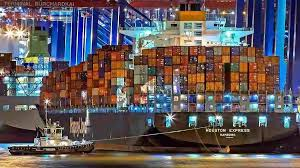
Many countries excel in scientific research but struggle to commercialize discoveries. China aims to bridge this gap by accelerating technology transfer and industrial application.
The country’s experience in sectors such as renewable energy, electric vehicles, high-speed rail, telecommunications, and digital platforms demonstrates its capacity to move rapidly from laboratory research to large-scale deployment.
Future industries require not only technological breakthroughs but also supportive regulatory frameworks, financing mechanisms, talent development programs, and industrial standards. China is increasingly building these supporting systems to ensure that innovation generates economic and social value.
The emphasis on policy support is particularly important. Emerging technologies often face high initial costs, technical uncertainty, and long development cycles. Strategic government support can help overcome these barriers and accelerate industrial growth.
International Cooperation and Shared Development
President Xi also highlights international cooperation as a key component of future industrial development.
Technological progress increasingly depends on global collaboration. Scientific research, talent exchange, investment flows, and international partnerships can accelerate innovation and benefit all countries.
China’s approach does not view future industries solely through the lens of competition. It also recognizes opportunities for cooperation, particularly with developing countries seeking technological advancement and industrial modernization.
Initiatives under the Belt and Road framework, digital cooperation projects, scientific partnerships, and educational exchanges can help spread the benefits of technological development more broadly.
As emerging technologies reshape the global economy, inclusive cooperation will become increasingly important to ensure that technological progress contributes to shared prosperity rather than widening global inequalities.
Lessons and Opportunities for Pakistan
For Pakistan, Xi Jinping’s vision offers valuable lessons.
Pakistan faces significant development challenges, including industrial modernization, energy security, technological competitiveness, and job creation. Future industries provide an opportunity to address these challenges while positioning the country for long-term growth.
Pakistan should develop its own national strategy for future industries, drawing inspiration from China’s experience while adapting it to local realities.
The first priority should be human capital development. Universities and technical institutions should expand programs in artificial intelligence, biotechnology, advanced engineering, robotics, data science, renewable energy, and telecommunications.
Second, Pakistan should establish dedicated future technology zones and innovation parks where universities, startups, investors, and industrial firms can collaborate.
Third, research and development spending should gradually increase. While financial constraints exist, targeted investments in strategic sectors can generate significant long-term returns.
Fourth, Pakistan should prioritize sectors where it already possesses comparative advantages or strong potential. These include agricultural biotechnology, renewable energy, digital services, healthcare technologies, and smart manufacturing.
Fifth, policymakers should develop long-term industrial strategies that extend beyond electoral cycles. Consistent policies encourage investment and innovation.
Engaging China for Future Industrial Development
China can play a critical role in helping Pakistan build future industries.
Under the framework of the China-Pakistan Economic Corridor (CPEC), cooperation can gradually expand beyond traditional infrastructure projects toward technology-intensive sectors.
Joint research centers could be established in areas such as artificial intelligence, agricultural biotechnology, renewable energy, advanced manufacturing, and digital communications.
Chinese universities and research institutes can partner with Pakistani institutions to provide training, scholarships, and technology transfer opportunities.
Special economic zones under CPEC can be upgraded into innovation-driven industrial clusters focused on emerging technologies.
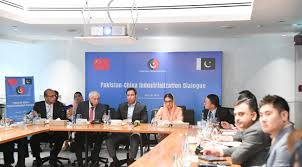
Pakistan should also actively participate in China’s growing innovation ecosystem by encouraging academic exchanges, startup cooperation, venture capital partnerships, and industrial collaboration.
The development of digital infrastructure, including next-generation communications networks, offers another area for cooperation. As China advances toward 6G technologies, Pakistan can position itself as an early partner in testing, adoption, and application.
In clean energy, cooperation on solar energy, wind power, hydrogen technologies, and smart grids can help address Pakistan’s energy challenges while supporting sustainable development goals.
Broader understanding
President Xi Jinping’s vision for future industries reflects a broader understanding that economic leadership in the twenty-first century will increasingly depend on technological leadership. By proactively planning for emerging industries, China seeks to create new engines of growth, strengthen national competitiveness, improve living standards, and contribute to global technological progress.
China’s strengths—its industrial capacity, innovation ecosystem, infrastructure, talent base, and strategic planning capabilities—provide a strong foundation for achieving these objectives. While challenges remain, the country’s commitment to long-term development positions it favorably in the race to shape the technologies of the future.
For Pakistan, the message is equally clear. The future economy is being built today. Countries that invest in science, technology, innovation, and human capital will be best positioned to succeed.
By learning from China’s experience, developing its own national vision for future industries, and deepening technological cooperation with China, Pakistan can accelerate industrial modernization, create high-quality jobs, strengthen economic resilience, and secure a more prosperous future for its people.

The industries of tomorrow are not merely technological opportunities. They are opportunities to improve lives, promote sustainable development, and build a better future. The decisions made today will determine which nations lead that future and which struggle to catch up. China has chosen to prepare proactively. Pakistan should do the same.
巴基斯坦为下一次工业革命做好准备了吗?来自中国的经验启示.
在许多方面,经济发展的历史就是技术变革的历史。那些能够成功识别并投资于新兴技术的国家,往往能够塑造未来,而不仅仅是被动适应未来。从工业革命到数字时代,技术领导力一再决定着一个国家的经济竞争力、综合国力以及社会进步。如今,世界正站在新一轮重大变革的门槛上,而这一变革将由人工智能、量子技术、生物技术、先进通信以及清洁能源系统等前沿科技所驱动。
在此背景下,中国国家主席习近平发表于《求是》杂志的文章《积极发展未来产业》,为中国下一阶段的发展描绘了全面的蓝图。这篇文章体现了中国在未来科技竞争中抢占先机、培育新质生产力,并确保科技创新持续改善人民生活质量的坚定决心。
习近平主席所阐述的愿景,并不仅仅关乎经济增长,更关乎为那些将在未来几十年定义全球经济格局的产业做好准备。这是一份融合科技创新、产业现代化、人才培养、政策支持以及国际合作的战略路线图。
培育明日产业
习近平主席指出,量子科技、生物制造、氢能与核聚变能源、脑机接口、具身智能以及第六代移动通信(6G)等六大领域,是未来产业发展的战略重点。
这些领域代表着当前全球最具变革性的前沿技术。
量子技术有望在计算、通信、加密以及科学研究等方面带来革命性突破。中国已成为全球量子研究的重要引领者,在量子通信卫星、量子计算和量子密码学等领域取得了显著进展。
生物制造融合了生物技术、合成生物学与先进制造工艺,可创造新材料、新药品、新食品以及工业解决方案。随着医疗健康和可持续发展日益成为全球关注重点,生物制造有望成长为重要的新兴产业。
氢能与核聚变能源则代表着清洁能源生产领域潜在的重大突破。在各国追求碳中和与能源安全的背景下,这些技术有可能从根本上重塑全球能源体系。
脑机接口正在为医学、康复、通信以及人机交互开辟新的可能。尽管这一领域仍处于发展的初级阶段,但其长期潜力巨大。
具身智能通过将人工智能与先进机器人技术相结合,正成为制造业、物流、医疗及服务业的新前沿。中国快速发展的机器人产业,为其在这一领域取得领先地位奠定了坚实基础。
与此同时,第六代移动通信技术有望成为未来数字社会的核心支撑,为超高速连接、智能网络以及物理世界与数字世界的无缝融合提供基础。
通过将这些领域确立为战略重点,中国展现出一种面向未来的发展思维,即主动预见下一轮科技革命,而非在变革发生后被动应对。
中国发展未来产业的独特优势
中国正凭借诸多优势迈入这一新的科技时代。
首先,中国拥有世界上最完整的工业体系。作为全球唯一拥有联合国产业分类全部工业门类的主要经济体,中国完整的产业生态系统使科研成果能够快速实现商业化,并促进科研、制造与市场应用之间的高效衔接。
其次,中国已构建起强大的创新生态体系。过去十年来,中国研发投入持续增长,高校、科研机构、国家实验室、科技企业以及工业企业之间的协同合作不断加强,共同推动科技突破向商业应用转化。
第三,中国拥有庞大的国内市场。新技术能够在拥有14亿多人口的巨大市场中进行测试、推广和完善,这为创新与产业化提供了其他国家难以比拟的优势。
第四,中国具备雄厚的基础设施能力。高速铁路、数字网络、智慧城市、先进制造园区以及现代物流体系,共同构成了支持技术创新和产业升级的重要环境。
第五,长期战略规划始终是中国最鲜明的优势之一。通过五年规划和国家发展战略等机制,中国能够将政策、投资、教育和产业发展统一协调,朝着共同目标稳步推进。
习近平主席强调加强产业协同,正是基于这样一种认识:未来产业的发展无法孤立进行,而需要政府部门、科研机构、高校、企业以及投资者共同参与,构建完整的创新生态系统。
从创新走向应用
习近平文章中的一个核心主题,是推动科技成果向现实生产力转化。
许多国家在科学研究方面表现出色,但在成果商业化方面却面临困难。中国则致力于弥合这一鸿沟,加快技术转移和产业应用。
中国在可再生能源、电动汽车、高速铁路、通信技术以及数字平台等领域的发展实践,充分展现了其将实验室成果迅速转化为大规模应用的能力。
未来产业不仅需要技术突破,还需要配套的监管框架、融资机制、人才培养体系以及产业标准。中国正在不断完善这些支撑体系,以确保创新真正创造经济和社会价值。
其中,政策支持尤为重要。新兴技术往往面临初期投入高、技术不确定性强以及研发周期长等挑战。战略性的政府支持能够有效克服这些障碍,加快产业成长。
国际合作与共享发展
习近平主席还将国际合作视为未来产业发展的重要组成部分。
当今科技进步越来越依赖全球协作。科学研究、人才交流、资本流动以及国际伙伴关系,都能够加速创新进程,并惠及各国人民。
中国并未仅从竞争的角度看待未来产业的发展,同时也看到了合作的广阔空间,特别是与那些寻求技术进步和产业现代化的发展中国家之间的合作潜力。
“一带一路”框架下的合作倡议、数字合作项目、科研伙伴关系以及教育交流,都有助于让科技发展的成果惠及更广泛的群体。
随着新兴技术不断重塑全球经济格局,包容性合作将变得愈发重要,以确保科技进步能够促进共同繁荣,而非进一步扩大全球发展鸿沟。
在为巴基斯坦带来的启示与机遇方面,习近平主席关于未来产业发展的愿景具有重要的借鉴意义。
巴基斯坦当前面临工业现代化、能源安全、科技竞争力提升以及就业创造等多重发展挑战。而未来产业的发展,则为解决这些问题、推动国家长期增长提供了新的机遇。
巴基斯坦应结合本国实际,在借鉴中国经验的基础上,制定属于自己的未来产业国家发展战略。
首先,应将人力资本培养作为优先任务。高等院校和职业技术机构应扩大人工智能、生物技术、先进工程、机器人技术、数据科学、可再生能源以及通信技术等领域的人才培养项目。
其次,巴基斯坦应建立专门的未来科技园区和创新基地,为高校、初创企业、投资者和工业企业搭建协同合作的平台。
第三,应逐步增加科研与开发投入。尽管面临财政约束,但对战略性领域进行有针对性的投资,将在长期内带来可观回报。
第四,巴基斯坦应重点发展自身具有比较优势或巨大潜力的产业,包括农业生物技术、可再生能源、数字服务、医疗健康技术以及智能制造等领域。
第五,政策制定者应制定超越选举周期的长期产业发展战略。稳定持续的政策环境,有助于增强投资者信心,促进创新发展。
深化与中国合作,共同发展未来产业
中国能够在帮助巴基斯坦培育未来产业方面发挥关键作用。
在中巴经济走廊(CPEC)框架下,双方合作可以逐步从传统基础设施建设,拓展至技术密集型产业领域。
双方可在人工智能、农业生物技术、可再生能源、先进制造以及数字通信等领域,共同建立联合研究中心。
中国高校和科研机构还可与巴基斯坦相关机构开展合作,提供人才培训、奖学金项目以及技术转移机会。
中巴经济走廊下设立的经济特区,也可以升级为以新兴技术为核心的创新型产业集群。
巴基斯坦还应积极融入中国不断壮大的创新生态体系,鼓励学术交流、初创企业合作、风险投资伙伴关系以及产业协同发展。
数字基础设施建设,特别是下一代通信网络的发展,也是双方合作的重要方向。随着中国向6G技术迈进,巴基斯坦可积极成为相关技术测试、应用与推广的早期合作伙伴。
在清洁能源领域,双方可在太阳能、风能、氢能技术以及智能电网等方面深化合作,以帮助巴基斯坦缓解能源短缺问题,同时推动可持续发展目标的实现。
更广阔的视角
习近平主席关于未来产业发展的愿景,体现了一种更深层次的认识:二十一世纪的经济领导力,将越来越依赖于科技领导力。通过积极布局未来产业,中国正努力培育新的经济增长引擎,增强国家竞争力,提高人民生活水平,并为全球科技进步作出贡献。
中国在工业基础、创新生态、基础设施、人才储备以及战略规划能力等方面所具备的优势,为实现这些目标奠定了坚实基础。尽管仍然面临挑战,但中国对长期发展的坚定承诺,使其在塑造未来科技格局的竞争中占据有利地位。
对于巴基斯坦而言,这一信息同样十分明确:未来经济正在今天被塑造。那些重视科学、技术、创新以及人才培养的国家,将更有可能在未来取得成功。
通过借鉴中国的发展经验,制定符合自身国情的未来产业发展愿景,并进一步深化与中国的科技合作,巴基斯坦能够加快工业现代化进程,创造更多高质量就业岗位,增强经济韧性,并为人民创造更加繁荣的未来。
未来产业不仅意味着技术上的机遇,更意味着改善民生、推动可持续发展以及建设更加美好未来的契机。今天所作出的选择,将决定哪些国家能够引领未来,哪些国家则只能艰难追赶。
中国已经选择主动布局、积极准备。巴基斯坦也应如此。
(注意: 本文是用AI翻译的,或有误差。请以原版英文为准。谢谢。)
Reference Link:- https://thinktank.pk/2026/06/09/is-pakistan-prepared-for-the-next-industrial-revolution-insights-from-chinas-playbook/
确实,技术进步一直是国家发展的重要驱动力。中国模式的经验值得我们借鉴。
感谢感谢