

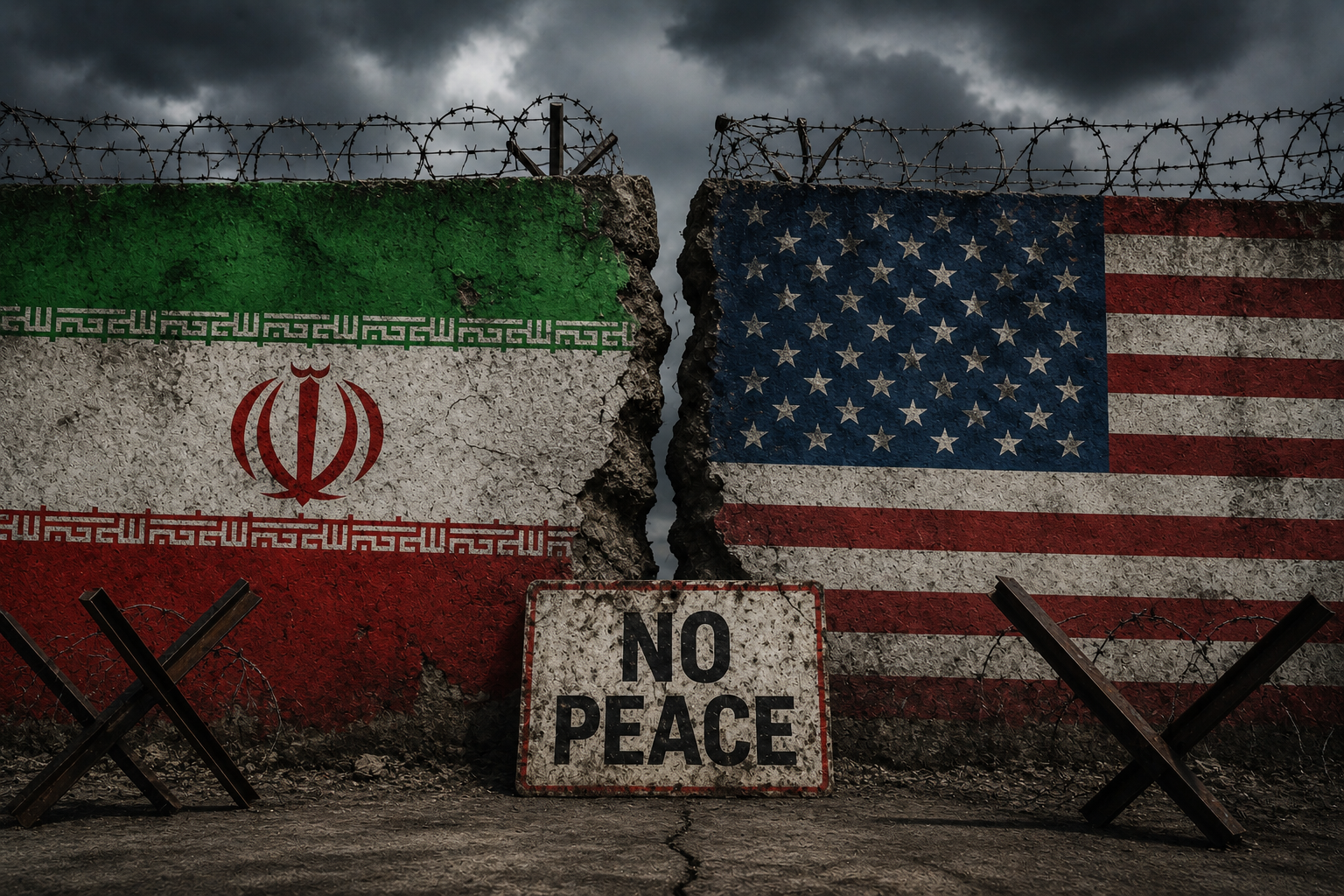
(下边有中文翻译,请继续看到底。 谢谢。)
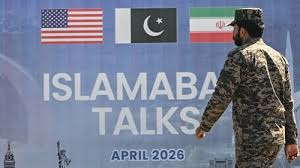
The search for an Iran-America peace deal has reached a critical but complicated stage. On the surface, both Washington and Tehran understand that the continuation of war serves no one. The United States needs a politically acceptable exit. Iran needs relief from military, economic, and diplomatic pressure. Gulf countries need open sea lanes and stable energy markets. Pakistan, China, Oman, Qatar, and other responsible actors want de-escalation. Yet, despite these converging interests, peace remains difficult because the obstacles are not only military or diplomatic; they are also political, ideological, regional, and psychological.
The most immediate hurdle is the gap between stated objectives and ground realities. If measured against its maximum goals, the United States has not achieved a decisive result. Iran has not surrendered its sovereignty, its nuclear position has not been settled on American terms, and the Strait of Hormuz has not returned to normal commercial activity. Washington, therefore, needs a formula that can be presented at home as success. President Donald Trump appears to seek a safe political exit, one that allows him to declare victory, reassure voters, calm markets, and reduce pressure before the approaching mid-term election cycle. Such a face-saving exit is not unusual in diplomacy. Many wars end not when one side achieves all objectives, but when each side finds language that protects its dignity.
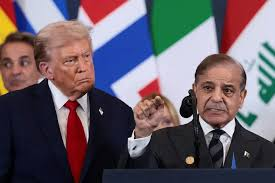
However, the American position itself remains inconsistent. At one moment, Washington signals interest in a ceasefire and negotiated settlement. At another, it keeps military options open and insists on tougher terms. This mixed messaging weakens confidence in diplomacy. Tehran is unlikely to accept a deal if it fears that Washington may later reinterpret, delay, or abandon its commitments. The bitter memory of the earlier U.S. withdrawal from the Iran nuclear agreement still shapes Iranian thinking. For Iran, the issue is not only about the current war; it is about whether any American guarantee can be trusted.
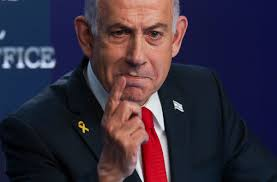
A second major obstacle is the Israeli factor. Prime Minister Benjamin Netanyahu’s government remains one of the most difficult variables in the peace equation. Israel views Iran as an existential threat and is unlikely to accept any agreement that leaves Tehran with strategic space, regional influence, or nuclear capability. But the problem goes beyond security concerns. Netanyahu’s domestic political survival is deeply tied to war politics. He faces legal challenges, coalition pressure from far-right partners, and the constant risk of political accountability. In such circumstances, prolonged conflict gives him political room, delays domestic reckoning, and keeps Israeli society mobilized around security fears.
The third hurdle is the attempt to link an Iran-America peace deal with the Abraham Accords. This has complicated the process unnecessarily. The Abraham Accords were designed to normalize relations between Israel and selected Arab and Muslim countries. The UAE and Bahrain signed the accords, while Morocco and Sudan also moved toward normalization in different forms. Kuwait, however, did not join them and remains politically distant from normalization with Israel.
The problem today is that the regional environment has changed dramatically since the first Abraham Accords were signed. After the destruction in Gaza, the expansion of settlements in the West Bank, repeated tensions in Jerusalem, Israeli operations in Lebanon, and continued occupation of Arab lands, the idea of expanding normalization has become politically toxic in much of the Muslim world. Even in countries that already have formalized relations with Israel, public opinion has become more uncomfortable. Governments may remain cautious in their language, but societies are far more vocal. Any peace arrangement that appears to reward Israel while ignoring Palestinian rights will face rejection from the Arab street.
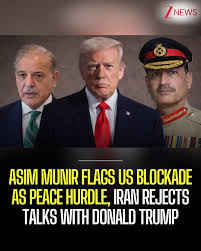
For most Arab and Muslim countries, the central precondition for lasting regional peace remains the creation of a sovereign and independent Palestinian state, generally understood based on 1948 borders (recognized Israel by the UN), with Jerusalem as its capital. There is also a strong demand for ending the occupation, halting settlement expansion, restoring Arab lands, including the occupied Syrian Golan Heights, and ensuring withdrawal from Lebanese territory. These demands are not emotional slogans alone; they are linked to decades of United Nations resolutions, international law, and the Arab Peace Initiative.
Therefore, trying to attach the Abraham Accords to the Iran-America peace process may be a strategic mistake. Iran’s war and the Palestine question are connected in regional psychology, but they cannot be solved by forcing reluctant states to normalize with Israel. If anything, such pressure may harden positions, weaken mediators and turn a difficult Iran deal into a broader regional stalemate.
The fourth hurdle is Gaza. No peace architecture in the Middle East can ignore the humanitarian catastrophe in Gaza. The Israeli assault on Gaza has changed public opinion across the region and globally as well. For millions of people, the issue is no longer only about diplomacy or state interests; it is about justice, human dignity, and the future of the Palestinian people. Any regional settlement that bypasses Gaza will be seen as morally incomplete and politically unsustainable. The same applies to the West Bank, where annexationist policies, settlement expansion and restrictions on Palestinian life have made the two-state solution increasingly fragile.
This is where Israel’s negative approach has created long-term damage. Instead of building confidence with the Arab and Muslim world, Israeli policies have deepened mistrust. Gaza has been devastated. The West Bank faces increasing pressure. Jerusalem remains tense. Lebanon continues to face insecurity. The Golan Heights remain occupied. These realities make normalization harder, not easier. They also strengthen the argument of those who say that Israel wants regional acceptance without ending the occupation.
The fifth hurdle is the Strait of Hormuz. The current crisis has shown how vulnerable the global economy remains to Middle Eastern instability. Kuwait, Bahrain, Qatar, the UAE, Saudi Arabia and other regional economies depend heavily on energy exports and maritime routes. Kuwait and Bahrain are especially exposed because their economic stability is closely tied to hydrocarbon exports and access to safe shipping routes. Qatar is relatively better placed due to its gas position and diplomatic flexibility, while Saudi Arabia can partially rely on Red Sea outlets. Yet no Gulf country can remain comfortable while Hormuz is unstable.
This is why regional states are deeply interested in ending the war. They may differ in their relations with Iran, the United States and Israel, but all understand the cost of prolonged disruption. Higher insurance rates, delayed tankers, reduced exports, inflationary pressure and investor uncertainty affect everyone. A peace deal that reopens maritime routes and provides security guarantees would serve the entire region. But the question remains: who will guarantee the Strait, and under what terms? Iran will not accept arrangements that undermine its sovereignty. The United States will not accept an arrangement it sees as Iranian control over the Strait. Gulf states will demand predictability. This technical issue is also a strategic issue.
The sixth hurdle is the sanctions question. Iran will not sign a serious agreement unless sanctions relief is credible, measurable and durable. It will want access to frozen assets, permission to sell oil, banking channels and guarantees against new restrictions. Washington, however, will hesitate to grant major relief without nuclear concessions, limits on missiles, and assurances regarding Iran’s regional posture. This creates a familiar deadlock: Iran wants relief first because it has suffered under sanctions; the United States wants concessions first because it distrusts Iran’s intentions.
The seventh hurdle is regional alignment. Iran is not isolated from the region’s conflicts. It enjoys comfortable relations with most of the regional countries, and especially China and Russia.
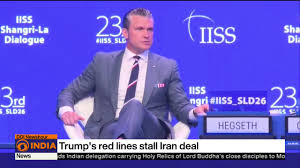
The eighth hurdle is domestic politics in all key capitals. In Washington, Trump must show strength to his political base and cannot appear soft on Iran. In Tehran, no leadership can be seen surrendering to American pressure after the war. In Tel Aviv, Netanyahu depends on hardline forces that oppose compromise. In Arab capitals, rulers must balance strategic ties with Washington against public anger over Gaza and Palestine. In Europe, governments fear both Iranian escalation and public backlash over support for Israel. These domestic pressures make diplomacy fragile.
Despite these hurdles, peace is still possible. The path forward requires realism. First, the Iran-America track should be separated from the forced expansion of the Abraham Accords. Normalization with Israel cannot be imposed while Palestine remains unresolved. Second, any ceasefire must include credible mechanisms for reopening the Strait of Hormuz and protecting commercial shipping. Third, Iran must receive phased sanctions relief in return for verifiable commitments. Fourth, Israel must be restrained from actions that sabotage diplomacy. Fifth, Gaza and Palestine must be placed back at the center of any regional peace framework.
Pakistan’s role in this environment is important and constructive. Pakistan has good relations with Iran, deep ties with the Gulf, strategic understanding with China, and excellent communication channels with the United States. Islamabad has consistently called for restraint, de-escalation and diplomacy. Pakistan’s position is rooted in the belief that another prolonged war would endanger regional peace, disrupt global energy flows and deepen humanitarian suffering. This is a responsible and balanced position.
China’s role is also significant. Beijing has emphasized ceasefire, dialogue, respect for sovereignty, open sea lanes and a stronger United Nations-centered international order. China and Pakistan’s joint approach toward peace in the Gulf and Middle East reflects a wider demand from the Global South: conflicts should be settled through diplomacy, not coercion; sovereignty should be respected; and regional states should not be forced into bloc politics.
The core truth is simple: the Middle East cannot be stabilized through selective justice. Iran-US peace cannot succeed if it is used to ignore Palestine. Israel cannot gain lasting acceptance while occupation, settlement expansion, and military escalation continue. The United States cannot claim victory if the region remains unstable. Iran cannot secure its future through confrontation alone. Gulf states cannot prosper if their sea lanes remain hostage to war. Everyone needs peace, but peace requires political courage.
The greatest hurdle to an Iran-America peace deal is not the absence of diplomatic formulas. It is the unwillingness of some actors to accept that real peace requires compromise, justice, and restraint. A deal built only for headlines will collapse. A deal built on dignity, sovereignty, Palestinian rights, maritime security, and regional inclusion may survive.
The choice before the region is clear. Either leaders continue to use war as a tool of domestic politics and strategic pressure, or they accept that the future of the Middle East must be negotiated, not bombed into shape. The world has already paid too high a price for confrontation. It is time for diplomacy to prevail.
阻碍达成伊朗与美国和平协议的因素。
寻找伊朗—美国和平协议的进程,已经进入一个关键但复杂的阶段。表面上看,华盛顿和德黑兰都明白,战争继续下去对任何一方都没有好处。美国需要一个在政治上可以接受的退出方案。伊朗需要缓解军事、经济和外交压力。海湾国家需要开放的海上通道和稳定的能源市场。巴基斯坦、中国、阿曼、卡塔尔以及其他负责任的行为体都希望局势降温。然而,尽管各方存在这些共同利益,和平仍然很难实现,因为障碍不仅是军事或外交层面的,也涉及政治、意识形态、地区格局和心理因素。
最直接的障碍,是公开目标与现实情况之间的差距。如果按照其最高目标来衡量,美国并没有取得决定性成果。伊朗没有放弃主权,其核立场也没有按照美国的条件得到解决,霍尔木兹海峡也尚未恢复正常商业活动。因此,华盛顿需要一种可以在国内被包装为成功的方案。唐纳德·特朗普总统似乎在寻求一个安全的政治退出方式,使他能够宣布胜利、安抚选民、稳定市场,并在即将到来的中期选举周期前减轻压力。这种保全面子的退出方式在外交中并不罕见。许多战争并不是在一方实现所有目标时结束,而是在各方都找到能够维护自身尊严的措辞时结束。
然而,美国自身的立场仍然不一致。有时,华盛顿释放出希望停火和谈判解决的信号;另一些时候,它又保留军事选项,并坚持更强硬的条件。这种混乱信息削弱了人们对外交的信心。如果德黑兰担心华盛顿日后可能重新解释、拖延或放弃承诺,它就不太可能接受协议。美国此前退出伊朗核协议的痛苦记忆,仍然影响着伊朗的判断。对伊朗来说,问题不仅在于当前战争本身,更在于任何美国保证是否值得信任。
第二个主要障碍是以色列因素。总理本雅明·内塔尼亚胡政府仍然是和平方程式中最难处理的变量之一。以色列将伊朗视为生存威胁,不太可能接受任何让德黑兰保留战略空间、地区影响力或核能力的协议。但问题并不只限于安全担忧。内塔尼亚胡的国内政治生存与战争政治深度绑定。他面临法律挑战、极右翼联盟伙伴的压力,以及随时可能出现的政治问责风险。在这种情况下,长期冲突为他提供了政治空间,推迟国内清算,并使以色列社会继续围绕安全恐惧保持动员状态。
第三个障碍,是试图把伊朗—美国和平协议与《亚伯拉罕协议》联系起来。这使整个进程变得不必要地复杂。《亚伯拉罕协议》的设计目的,是推动以色列与部分阿拉伯和穆斯林国家关系正常化。阿联酋和巴林签署了该协议,摩洛哥和苏丹也以不同形式走向正常化。然而,科威特并没有加入,并且在政治上仍然与以色列关系正常化保持距离。
如今的问题是,自第一批《亚伯拉罕协议》签署以来,地区环境已经发生了巨大变化。加沙遭到破坏、约旦河西岸定居点扩张、耶路撒冷反复紧张、以色列在黎巴嫩的行动,以及对阿拉伯土地的持续占领,使扩大正常化在穆斯林世界许多地区变得具有政治毒性。即使在已经与以色列建立正式关系的国家,公众舆论也变得更加不安。政府在表态上可能保持谨慎,但社会舆论要直接得多。任何看起来奖励以色列、却忽视巴勒斯坦权利的和平安排,都将遭到阿拉伯民众的反对。
对大多数阿拉伯和穆斯林国家来说,实现持久地区和平的核心前提,仍然是建立一个拥有主权和独立地位的巴勒斯坦国,通常被理解为基于1948年边界,即联合国承认以色列的边界,并以耶路撒冷为首都。同时,外界也强烈要求结束占领、停止定居点扩张、归还阿拉伯土地,包括被占领的叙利亚戈兰高地,并确保从黎巴嫩领土撤出。这些要求并不只是情绪化口号;它们与几十年来的联合国决议、国际法和《阿拉伯和平倡议》密切相关。
因此,试图把《亚伯拉罕协议》附加到伊朗—美国和平进程上,可能是一个战略错误。伊朗战争和巴勒斯坦问题在地区心理层面确实相关,但不能通过迫使不愿意的国家与以色列正常化来解决。相反,这种压力可能使各方立场更加强硬,削弱调解者作用,并把本已艰难的伊朗协议变成更广泛的地区僵局。
第四个障碍是加沙。中东任何和平架构都不能无视加沙的人道主义灾难。以色列对加沙的攻击已经改变了整个地区以及全球的公众舆论。对数百万人来说,这个问题不再只是外交或国家利益问题,而是关于正义、人类尊严以及巴勒斯坦人民未来的问题。任何绕过加沙的地区安排,都会被视为道德上不完整、政治上不可持续。同样的情况也适用于约旦河西岸,在那里,吞并政策、定居点扩张以及对巴勒斯坦人生活的限制,使两国方案变得越来越脆弱。
正是在这一点上,以色列的消极做法造成了长期损害。以色列政策没有与阿拉伯和穆斯林世界建立信任,反而加深了不信任。加沙已经被严重破坏。约旦河西岸面临越来越大的压力。耶路撒冷持续紧张。黎巴嫩继续面临安全不稳定。戈兰高地仍被占领。这些现实使正常化更加困难,而不是更加容易。它们也强化了这样一种观点:以色列希望在不结束占领的情况下获得地区接受。
第五个障碍是霍尔木兹海峡。当前危机表明,全球经济仍然非常容易受到中东不稳定的影响。科威特、巴林、卡塔尔、阿联酋、沙特阿拉伯以及其他地区经济体,严重依赖能源出口和海上运输路线。科威特和巴林尤其脆弱,因为它们的经济稳定与碳氢化合物出口以及安全航运通道密切相关。卡塔尔由于其天然气地位和外交灵活性,相对处于更有利位置,而沙特阿拉伯可以部分依靠红海出口通道。然而,只要霍尔木兹海峡不稳定,没有任何海湾国家能够安心。
这就是为什么地区国家都非常希望结束战争。它们与伊朗、美国和以色列的关系各不相同,但都明白长期中断的代价。保险费上涨、油轮延误、出口减少、通胀压力和投资者不确定性会影响所有国家。一个能够重新开放海上航线并提供安全保障的和平协议,将服务于整个地区。但问题仍然存在:谁来保障海峡安全?以什么条件保障?伊朗不会接受削弱其主权的安排。美国也不会接受它认为等同于伊朗控制海峡的安排。海湾国家则要求可预期性。这个技术问题同时也是战略问题。
第六个障碍是制裁问题。除非制裁解除是可信、可衡量且持久的,否则伊朗不会签署严肃协议。伊朗希望获得被冻结资产、出售石油的许可、银行渠道,以及避免新限制的保证。然而,华盛顿在没有核让步、导弹限制以及有关伊朗地区政策保证的情况下,会犹豫是否提供重大制裁解除。这造成了一个熟悉的僵局:伊朗希望先获得缓解,因为它长期承受制裁;美国则希望伊朗先作出让步,因为它不信任伊朗的意图。
第七个障碍是地区阵营关系。伊朗并没有脱离地区冲突之外。它与大多数地区国家保持着相对稳定的关系,尤其与中国和俄罗斯关系密切。
第八个障碍是各主要首都的国内政治。在华盛顿,特朗普必须向自己的政治基本盘展示强硬,不能显得对伊朗软弱。在德黑兰,任何领导层都不能被视为在战争后向美国压力投降。在特拉维夫,内塔尼亚胡依赖反对妥协的强硬派力量。在阿拉伯国家首都,统治者必须在与华盛顿的战略关系和公众对加沙与巴勒斯坦问题的愤怒之间取得平衡。在欧洲,各国政府既担心伊朗升级局势,也担心因支持以色列而引发公众反弹。这些国内压力使外交变得脆弱。
尽管存在这些障碍,和平仍然是可能的。前进道路需要现实主义。第一,伊朗—美国轨道应与强行扩大《亚伯拉罕协议》分开。只要巴勒斯坦问题没有解决,与以色列的正常化就不能被强加。第二,任何停火都必须包括重新开放霍尔木兹海峡并保护商业航运的可信机制。第三,伊朗必须获得分阶段制裁解除,以换取可核查承诺。第四,以色列必须受到约束,不能采取破坏外交的行动。第五,加沙和巴勒斯坦必须重新回到任何地区和平框架的中心。
在这种环境下,巴基斯坦的作用重要且具有建设性。巴基斯坦与伊朗关系良好,与海湾国家联系深厚,与中国具有战略理解,并与美国保持良好沟通渠道。伊斯兰堡一直呼吁保持克制、推动局势降温和外交解决。巴基斯坦的立场源于这样一种认识:另一场长期战争将危及地区和平、扰乱全球能源流动,并加剧人道主义苦难。这是一个负责任且平衡的立场。
中国的作用同样重要。北京强调停火、对话、尊重主权、开放海上通道,以及以联合国为中心的更强国际秩序。中国和巴基斯坦在海湾和中东和平问题上的共同立场,反映了全球南方更广泛的诉求:冲突应通过外交解决,而不是通过胁迫解决;主权应受到尊重;地区国家不应被迫卷入阵营政治。
核心事实很简单:中东不能通过选择性正义来实现稳定。如果伊朗—美国和平被用来忽视巴勒斯坦,它就不可能成功。只要占领、定居点扩张和军事升级继续存在,以色列就无法获得持久接受。如果地区仍然不稳定,美国就不能声称胜利。伊朗也不能仅靠对抗来保障自身未来。如果海上通道继续被战争绑架,海湾国家就无法繁荣。每一方都需要和平,但和平需要政治勇气。
伊朗—美国和平协议面临的最大障碍,并不是缺少外交方案,而是一些行为体不愿接受一个事实:真正的和平需要妥协、正义和克制。一个只为制造新闻标题而建立的协议终将崩溃。一个建立在尊严、主权、巴勒斯坦权利、海上安全和地区包容基础上的协议,才可能存续。
摆在该地区面前的选择很清楚。要么各国领导人继续把战争作为国内政治和战略施压的工具,要么他们承认,中东的未来必须通过谈判来塑造,而不是通过轰炸来塑造。世界已经为对抗付出了过高代价。现在是让外交胜出的时候了。
(注意: 本文是用AI翻译的,或有误差。请以原版英文为准。谢谢。)
Reference Link:- https://strafasia.com/hurdles-to-an-iran-america-peace-deal-1780128365879