
China at the Center: The Return of Diplomacy in a Fragmented World. 《中国居于中心位置:在分裂的世界中重拾外交手段》
Wire desk byline Sourced from Xinhua, Dawn, Arab News, Anadolu and Minute Mirror. Translated and abridged by the GSRRA Desk.

(下边有中文翻译,请继续看到底。 谢谢。)

In a world unsettled by war, economic anxiety, technological rivalry, and declining trust between major powers, one fact is becoming increasingly clear: China is no longer merely participating in global politics; it is helping shape its direction. The recent diplomatic calendar in Beijing has sent a powerful message. Within one-week, Chinese President Xi Jinping hosted U.S. President Donald Trump and then Russian President Vladimir Putin, two leaders representing different poles of global power and different strategic expectations from China. Reuters reported that Xi welcomed Trump and Putin in Beijing within the same week, while AP News noted that Putin arrived less than a week after Trump’s visit.
This sequence was more than diplomatic choreography. It reflected a deeper reality: China has become a central platform where global powers come to test positions, reduce risks, and search for room to negotiate. The United States came to Beijing because the world’s two largest economies cannot afford an unmanaged confrontation. Russia came because its strategic partnership with China has become one of the most important relationships in the Eurasian order. At the same time, China’s official diplomatic schedule shows continuous engagement with leaders and ministers from Europe, Asia, Africa, Latin America and the wider Global South, including recent or scheduled exchanges involving Canada, the United Kingdom, Uruguay, Finland, Pakistan and Singapore.
The meaning is simple: global politics is moving toward Beijing not because every country agrees with China on every issue, but because every serious country now understands that China cannot be ignored. Its market is too large, its technology base too advanced, its manufacturing system too deep, and its diplomatic reach too broad.

The Trump visit was especially significant because it suggested that even fierce rivals understand the necessity of dialogue. According to China’s Foreign Ministry, Xi and Trump discussed major issues concerning China-U.S. relations and world peace and development in an “open, thorough, constructive, and strategic” way. The two sides agreed on the idea of building “a constructive China-U.S. relationship of strategic stability,” with cooperation as the mainstay, competition kept within proper limits, differences made manageable, and peace treated as essential.
This is close to the heart of the Chinese official narrative: confrontation is not destiny, and major-country competition should not become a zero-sum trap. Beijing’s message is that China’s development is not a threat to be contained, but a reality to be understood. In a period when trade wars, sanctions, military signaling and ideological suspicion have weakened global confidence, China presents itself as a force of stability, continuity and long-term planning.
The Putin visit carried a different but related message. China and Russia have deepened their comprehensive strategic partnership, and Beijing describes that relationship as contributing to global strategic stability and international fairness. Western observers often interpret this relationship mainly through rivalry with the United States, but from Beijing’s perspective, the broader theme is multipolarity. China argues that the world should not be organized around one center of power, one model of development, or one country’s security preferences. Instead, international relations should be based on sovereignty, mutual respect, non-interference and shared development.

China’s rise gives this argument weight. Economically, China remains the world’s second-largest economy in nominal terms, and the IMF projects China’s real GDP growth at 4.4 percent in 2026. The World Bank has also emphasized that China maintained solid growth momentum in early 2025, even while noting structural challenges such as the need to rely more on household consumption. This matters because China’s growth is not only a domestic story. It affects commodity markets, supply chains, developing-country exports, infrastructure finance, consumer demand and investor confidence across regions.
Technologically, China has moved from being viewed mainly as a manufacturing base to becoming a major innovation power. The World Intellectual Property Organization reported in the Global Innovation Index 2025 that China entered the world’s top ten for the first time. This reflects a wider transformation: China is now competitive in high-speed rail, electric vehicles, renewable energy, digital infrastructure, artificial intelligence applications, space technology and advanced manufacturing. In several fields, China is no longer simply catching up; it is helping set the pace.

This strength gives China a different diplomatic appeal from traditional military alliances. For many developing countries, China is attractive not because it lectures them, but because it offers roads, ports, energy projects, industrial parks, digital systems, trade access and development experience. The Belt and Road Initiative, despite criticism and implementation challenges, remains one of the most ambitious development connectivity projects in modern history. For many countries in Asia, Africa and Latin America, the central question is not abstract ideology, but whether partnership can bring infrastructure, jobs, exports and modernization. China’s answer is to place development at the center of diplomacy.
The recent zero-tariff treatment for African countries with diplomatic ties to China is a strong example of this development-oriented approach. China’s Foreign Ministry said China is the first major economy to voluntarily extend zero-tariff treatment to all African countries having diplomatic relations with China, and that shipments from several African countries had already entered China under the policy. This is not merely symbolic. It gives African exporters greater access to the Chinese market and supports Beijing’s claim that South-South cooperation should produce practical benefits, not only diplomatic statements.

China’s contribution to peace is also increasingly visible. The most important example remains the Saudi-Iran reconciliation process. China’s Foreign Ministry said that, with China’s support, the trilateral Beijing Agreement helped Saudi Arabia and Iran restore diplomatic ties, creating what Beijing called a “wave of reconciliation” in the Middle East. This mediation did not solve all regional problems, but it demonstrated China’s ability to provide diplomatic space where traditional Western-led approaches had often reached limits.
China’s position on current conflicts follows the same pattern. On the Middle East crisis, Beijing argues that force cannot solve political problems and that dialogue remains the only correct path. In the China-U.S. summit briefing, Wang Yi stated that China supports reopening the Strait of Hormuz on the basis of a continued ceasefire and sees a permanent, comprehensive ceasefire as the fundamental solution. On Ukraine, China has also repeatedly emphasized peace talks and a political settlement. Critics may question whether China should do more, but Beijing’s core narrative is consistent: dialogue, ceasefire, sovereignty, humanitarian concern and opposition to bloc confrontation.

This is also why China’s global initiatives matter. The Global Security Initiative calls for common, comprehensive, cooperative and sustainable security, while aiming to address root causes of conflict and improve global security governance. The newer Global Governance Initiative argues for sovereign equality, greater representation for the Global South, true multilateralism, and reform of international institutions without overturning the U.N.-centered system. These initiatives are part of China’s attempt to present a full diplomatic philosophy: peace through dialogue, development through cooperation, and order through multipolar consultation.
There is, of course, resistance. Many Western policymakers remain concerned about China’s military modernization, its relations with Russia, its industrial policy, and its position on Taiwan. Some developing countries also worry about debt, trade imbalance or overdependence. A serious op-ed should not ignore these concerns. But the larger trend remains unmistakable. Countries are not walking away from China. They are coming to Beijing. They may negotiate hard, disagree openly, and protect their own interests, but they still seek engagement.

That is the real measure of China’s centrality. Power in the 21st century is not only measured by military reach. It is measured by the ability to convene, finance, manufacture, innovate, mediate and provide stability when the world feels uncertain. China today possesses many of these capabilities at once.
The emerging world order will not be unipolar. It will not be shaped by one capital alone. But China will be one of its most important navigators. Its strengths are economic scale, technological acceleration, policy continuity, infrastructure capacity, diplomatic patience and a narrative that appeals strongly to the Global South. Where some powers speak the language of pressure, China increasingly speaks the language of partnership. Where some states divide the world into camps, China promotes the idea of a community with a shared future.

The optimistic conclusion is that China’s rise does not need to be a source of global fear. If managed wisely, it can become a source of balance. A confident China can stabilize relations with the United States, deepen strategic coordination with Russia, expand cooperation with Europe, support development in Africa, strengthen connectivity across Asia, and give Latin America more options. It can also work with trusted partners such as Pakistan to promote regional peace and development; the 75th anniversary of China-Pakistan diplomatic relations was marked by Chinese and Pakistani leaders as an example of durable strategic trust.
The world is entering a difficult period, but not a hopeless one. The lesson from Beijing’s diplomatic calendar is that communication still matters. Major powers still need channels. Developing countries still need growth. Global markets still need stability. Conflicts still need negotiation. In all these areas, China’s role is expanding.

China has not become central by accident. It has become central because the world has changed, and because China has built the economic, technological, and diplomatic capacity to matter in every major conversation. The future world order will be more balanced, more multipolar, and more contested. But if China continues to promote development, peace, and dialogue, its rise can help turn global uncertainty into a more stable and inclusive international system.

《中国居于中心位置:在分裂的世界中重拾外交手段》
在一个被战争、经济焦虑、技术竞争以及大国之间信任下降所扰动的世界中,一个事实正变得越来越清楚:中国不再只是参与全球政治,而是在帮助塑造全球政治的方向。最近北京的外交日程释放了一个强有力的信息。在一周之内,中国国家主席习近平先后接待了美国总统唐纳德·特朗普和俄罗斯总统弗拉基米尔·普京。这两位领导人代表着不同的全球权力极点,也代表着对中国不同的战略期待。据路透社报道,习近平在同一周内于北京接待了特朗普和普京;美联社也指出,普京是在特朗普访华后不到一周抵达北京的。
这一安排不仅仅是外交上的时间巧合。它反映出一个更深层的现实:中国已经成为一个重要的中心平台,全球大国来到这里测试立场、降低风险,并寻找谈判空间。美国来到北京,是因为世界上最大的两个经济体无法承受失控的对抗。俄罗斯来到北京,是因为中俄战略伙伴关系已经成为欧亚秩序中最重要的关系之一。与此同时,中国官方外交日程也显示,中国持续同来自欧洲、亚洲、非洲、拉丁美洲以及更广泛全球南方的领导人和部长保持接触,其中包括加拿大、英国、乌拉圭、芬兰、巴基斯坦和新加坡等国的近期或计划中的交流。
其意义很简单:全球政治正在走向北京,并不是因为每个国家都在所有问题上同意中国,而是因为每一个严肃的国家都明白,中国已经无法被忽视。中国的市场太庞大,技术基础太先进,制造体系太深厚,外交影响力也太广泛。
特朗普访华尤其重要,因为它表明,即使是激烈竞争的对手,也理解对话的必要性。根据中国外交部的消息,习近平和特朗普就中美关系以及世界和平与发展中的重大问题进行了“坦诚、深入、建设性和战略性”的交流。双方同意推动构建具有战略稳定性的建设性中美关系,以合作为主线,把竞争控制在适当范围内,使分歧可控,并把和平视为必要前提。
这正接近中国官方叙事的核心:对抗不是命运,大国竞争不应陷入零和陷阱。北京传递的信息是,中国的发展不是需要被遏制的威胁,而是需要被理解的现实。在贸易战、制裁、军事信号和意识形态猜疑削弱全球信心的时期,中国把自己呈现为稳定、连续性和长期规划的力量。
普京访华传递了另一种但相互关联的信息。中国和俄罗斯深化了全面战略协作伙伴关系,北京将这种关系描述为有助于全球战略稳定和国际公平。西方观察者往往主要通过与美国竞争的视角来解读这一关系,但从北京的角度看,更广泛的主题是多极化。中国认为,世界不应围绕一个权力中心、一种发展模式或一个国家的安全偏好来组织。相反,国际关系应建立在主权、相互尊重、不干涉和共同发展的基础之上。
中国的崛起使这一主张更有分量。在经济上,中国按名义GDP计算仍是世界第二大经济体,国际货币基金组织预计中国2026年实际GDP增长率为4.4%。世界银行也强调,中国在2025年初保持了稳健的增长势头,同时也指出其仍面临一些结构性挑战,例如需要更多依靠家庭消费。这一点很重要,因为中国的增长不仅是一个国内故事。它影响着大宗商品市场、供应链、发展中国家出口、基础设施融资、消费需求以及各地区的投资者信心。
在技术上,中国已经从主要被视为制造基地,转变为重要的创新强国。世界知识产权组织在《2025年全球创新指数》中报告称,中国首次进入全球前十。这反映出一种更广泛的转型:中国如今在高铁、电动汽车、可再生能源、数字基础设施、人工智能应用、航天技术和先进制造等领域都具有竞争力。在若干领域,中国不再只是追赶者,而是在帮助设定发展节奏。
这种实力赋予中国一种不同于传统军事联盟的外交吸引力。对许多发展中国家来说,中国之所以具有吸引力,并不是因为它对他们说教,而是因为它提供道路、港口、能源项目、工业园区、数字系统、贸易准入和发展经验。“一带一路”倡议尽管面临批评和执行挑战,但仍然是现代史上最雄心勃勃的发展互联互通项目之一。对于亚洲、非洲和拉丁美洲的许多国家来说,核心问题不是抽象的意识形态,而是伙伴关系能否带来基础设施、就业、出口和现代化。中国的答案是把发展置于外交的中心。
最近中国给予同中国建交的非洲国家零关税待遇,就是这种以发展为导向做法的有力例子。中国外交部表示,中国是第一个主动向所有同中国建交的非洲国家提供零关税待遇的主要经济体,并且已有若干非洲国家的货物在该政策下进入中国市场。这不仅具有象征意义,也为非洲出口商提供了更大的中国市场准入机会,并支持了北京关于南南合作应产生实际利益,而不仅仅是外交声明的主张。
中国对和平的贡献也越来越明显。最重要的例子仍然是沙特和伊朗的和解进程。中国外交部表示,在中国支持下,中沙伊三方北京协议帮助沙特和伊朗恢复外交关系,形成了北京所称的中东“和解浪潮”。这一调解并没有解决所有地区问题,但它展示了中国提供外交空间的能力,而传统西方主导的方式在许多情况下已经达到局限。
中国在当前冲突中的立场也遵循同样的模式。在中东危机问题上,北京认为武力无法解决政治问题,对话仍然是唯一正确的道路。在中美峰会简报中,王毅表示,中国支持在持续停火基础上重新开放霍尔木兹海峡,并认为永久、全面停火是根本解决方案。在乌克兰问题上,中国也多次强调和平谈判和政治解决。批评者可能会质疑中国是否应做得更多,但北京的核心叙事是一致的:对话、停火、主权、人道关切以及反对阵营对抗。
这也正是中国全球倡议的重要性所在。全球安全倡议主张共同、综合、合作、可持续的安全,旨在解决冲突根源并改善全球安全治理。较新的全球治理倡议则强调主权平等、提高全球南方代表性、真正的多边主义,以及在不推翻以联合国为核心的国际体系前提下改革国际机构。这些倡议是中国试图提出一套完整外交理念的一部分:通过对话实现和平,通过合作实现发展,通过多极协商形成秩序。
当然,阻力依然存在。许多西方政策制定者仍然担心中国的军事现代化、中俄关系、中国的产业政策以及中国在台湾问题上的立场。一些发展中国家也担心债务、贸易不平衡或过度依赖。严肃的评论文章不应忽视这些担忧。但更大的趋势仍然十分明显:各国并没有远离中国。它们正在来到北京。它们可能会强硬谈判、公开分歧,并维护自身利益,但它们仍然寻求接触。
这才是衡量中国中心地位的真正标准。21世纪的力量不仅仅由军事投射能力来衡量,也由召集、融资、制造、创新、调解以及在世界不确定时提供稳定的能力来衡量。今天的中国同时具备其中许多能力。
新兴世界秩序不会是单极的,也不会由一个首都单独塑造。但中国将成为其中最重要的引领者之一。中国的优势在于经济规模、技术加速、政策连续性、基础设施能力、外交耐心,以及一种对全球南方具有强烈吸引力的叙事。当一些大国使用压力语言时,中国越来越多地使用伙伴关系语言。当一些国家把世界划分为阵营时,中国倡导构建人类命运共同体。
乐观的结论是,中国的崛起不必成为全球恐惧的来源。如果处理得当,它可以成为平衡的来源。一个自信的中国可以稳定与美国的关系,深化同俄罗斯的战略协调,扩大与欧洲的合作,支持非洲发展,加强亚洲互联互通,并为拉丁美洲提供更多选择。中国也可以同巴基斯坦等可信赖伙伴合作,促进地区和平与发展;中巴建交75周年被两国领导人视为持久战略互信的例证。
世界正在进入一个困难时期,但并非没有希望。北京外交日程带来的启示是:沟通仍然重要。大国仍然需要沟通渠道。发展中国家仍然需要增长。全球市场仍然需要稳定。冲突仍然需要谈判。在所有这些领域,中国的作用都在扩大。
中国不是偶然成为中心的。它之所以成为中心,是因为世界已经改变,也因为中国已经建立起在每一个重大议题中都具有影响力的经济、技术和外交能力。未来的世界秩序将更加平衡、更加多极,也更加充满竞争。但如果中国继续推动发展、和平与对话,它的崛起就能够帮助把全球不确定性转化为一个更加稳定和包容的国际体系。
(注意: 本文是用AI翻译的,或有误差。请以原版英文为准。谢谢。)
Reference Link:- https://www2.apdnews.cn/en/item/26/0525/axjfmjkze0789b53750c85.html
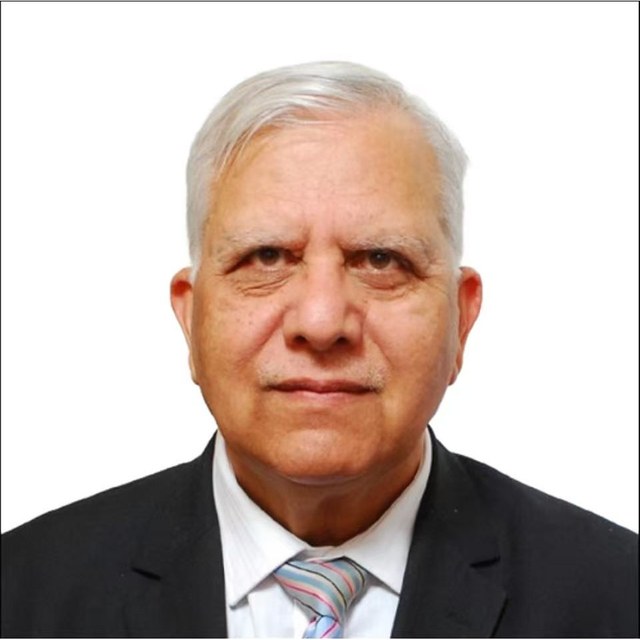
Zamir Ahmed Awan is the founder and Chair of the Global Silk Route Research Alliance, a think tank in Islamabad. He studied engineering at Shanghai University in the 1980s, and years later he went back to China as Pakistan's science counsellor in Beijing, from 2010 until 2016, working on science and higher education cooperation between the two countries.…





It’s definitely interesting to see China taking a more active role, especially given the current global instability. The shifts in Beijing’s diplomacy seem quite significant.
Thanks for your kind support.