Pakistan possesses all the ingredients to develop rapidly – Replication of the Chinese model. 巴基斯坦具备实现快速发展的所有条件——可以效仿中国的模式进行发展.
Wire desk byline Sourced from Xinhua, Dawn, Arab News, Anadolu and Minute Mirror. Translated and abridged by the GSRRA Desk.

(下边有中文翻译,请继续看到底。 谢谢。)

Across the 21st century, the interplay of economics, technology and governance has often dominated narratives of national progress. Yet as China’s recent policy emphasis makes clear, culture and soft power are not ornamental extras: they are foundational levers for sustainable, inclusive and high-quality development. For countries seeking rapid advancement, harnessing cultural capital—rooted in tradition but dynamically expressed through innovation—can yield an accelerant for growth that economic policy alone cannot provide. Pakistan, with its rich cultural tapestry, youthful population and strategic location, has every ingredient to follow a similar path: to accelerate development, project a positive international image, and craft a coherent strategy for achieving ambitious national goals.
Culture as driver of high-quality development: lessons from China

China’s approach over the last decade shows a deliberate repositioning of culture from background texture to strategic input. Beijing’s framing—culture as both a source of cohesion and a productive input for development—has three interlocking dimensions that are instructive for other rising nations.
First, culture as social glue. China emphasizes cultural identity, historical continuity and shared values as a means of consolidating social cohesion in the face of rapid urbanization and social change. Cultural confidence—pride in linguistic, philosophical and artistic traditions—operates not merely as nostalgia but as an anchor that stabilizes expectations and norms during periods of transformation. A unified cultural narrative helps align public expectations with collective objectives such as poverty reduction, social welfare expansion and ecological goals.
Second, culture as an economic multiplier. China’s cultural industries—from digital content and gaming to film, heritage tourism, and design—have rapidly evolved into high-growth sectors. The creative reworking of traditional motifs into contemporary products (immersive exhibitions, digital museums, AI-driven cultural apps) has expanded consumer demand and diversified exportable services. By integrating culture with technology—“technology for good”—China has enhanced the quality of cultural consumption and built new value chains that feed back into broader economic dynamism.
Third, culture as a governance tool. By embedding cultural values within governance frameworks—education, public service, community initiatives—China leverages normative frameworks to improve social governance. Cultural resources are marshalled to foster civic responsibility, promote public ethics, and encourage citizen participation in social programs. The result is a governance model that uses shared values to amplify administrative capacity and community resilience.
These three dimensions—cohesion, economic activation, and governance—are mutually reinforcing. China’s experience demonstrates that cultural policy is not a luxury for mature economies but a strategic policy lever for accelerated, yet sustainable development.
Pakistan’s cultural strengths: an untapped engine for growth

Pakistan possesses a wealth of cultural assets that can be strategically harnessed for national development. From the Indus civilisation and Mughal architecture to Sufi music and contemporary literature, Pakistan’s cultural capital is deep and diverse. Several concrete strengths stand out:
Historical depth and soft power potential. Pakistan’s historical narratives—centuries of trade, scholarship and artistic exchange—offer fertile ground for cultural diplomacy. Sufism, in particular, presents a universal message of tolerance and spiritual pluralism that resonates across borders and could be an effective bridge in regional and global soft power outreach.
Intangible cultural assets and creative industries. Folk music, textile crafts, traditional cuisines and regional festivals are marketable cultural goods. With investment in branding, digital platforms and tourism infrastructure, these sectors could deliver rapid employment gains and export revenue, especially in experiential tourism and niche cultural exports.
Youthful demographics and creative energy. Pakistan’s young population is a major asset. Coupled with expanding internet and mobile penetration, Pakistan can cultivate a vibrant digital content ecosystem—film, music, games, apps—that both preserves cultural heritage and speaks to global tastes.
Diaspora engagement. The Pakistani diaspora is a reservoir of skills, capital and networks. Mobilizing this community for cultural promotion, investment in creative enterprises and educational partnerships can accelerate capacity building and international visibility.
Confluence of civilizations and geostrategic narrative. Pakistan’s location at the crossroads of South, Central and West Asia positions it as a potential cultural and commercial hub. Leveraging this identity can enhance connectivity projects, tourism corridors and cultural exchange initiatives that dovetail with broader economic objectives.
From assets to strategy: pathways for Pakistan’s rapid, culture-informed advancement

To convert cultural capital into a sustainable development accelerant, Pakistan should pursue a coherent strategy with several interlinked pillars:
Integrate culture into development planning. Ministries of culture, tourism, education and commerce must coordinate to mainstream culture into economic planning. This means incorporating cultural impact assessments into infrastructure projects, creating incentives for cultural entrepreneurship, and linking heritage conservation to local livelihoods.
Invest in cultural industries and creative education. Establish public–private funds for creative startups, provide tax breaks for cultural exports, and expand vocational and university programs for film, design, curatorial studies and digital arts. Strengthening intellectual property protection will give creators the confidence to commercialise cultural products.
Digitalize cultural heritage and expand immersive offerings. Pakistan should digitize archives, create virtual museum tours, and develop immersive exhibitions that can be monetized globally. Partnerships with tech companies and universities can accelerate the development of AI-driven cultural products, interactive storytelling, and augmented-reality heritage experiences.
Mobilise cultural diplomacy. A strategic cultural diplomacy initiative can rebuild and amplify Pakistan’s global image. Rotating cultural showcases, touring music ensembles focused on Sufi and folk traditions, film festivals, and academic exchanges can project a narrative of creativity, resilience, and hospitality that complements economic diplomacy.
Empower community-led cultural economies. Heritage-based development must benefit local communities. Community-led tourism, craft cooperatives, and revenue-sharing models around cultural sites will ensure that cultural revitalisation translates into grassroots prosperity.
Anchor reforms in education and value formation. Embedding arts education, intercultural literacy and civic values in school curricula will nurture a generation that values creativity, tolerance and civic responsibility—qualities essential for a modern, inclusive society.
Leverage the diaspora and private sector. Create incentive schemes to attract diaspora investment into creative clusters and cultural tourism projects. Encourage private broadcasters, streaming services and publishers to partner with local creators for global distribution.
Align culture with sustainability and social inclusion. Cultural strategies should be inclusive—prioritizing minority traditions and women’s participation—and environmentally mindful, ensuring tourism and creative production adhere to sustainability standards.
Why cultural strength matters for Pakistan’s credibility and speed of development

Culture is not merely symbolic; it underwrites trust, legitimacy and social cohesion—intangible conditions that materially affect investment, innovation and governance. By strengthening cultural identity and projecting it abroad, Pakistan can achieve several practical gains:
At home, cultural confidence can reduce social friction, making policy implementation smoother and enabling longer-term planning.
Abroad, soft power can lower transaction costs in diplomacy and trade, opening doors for partnerships and tourism that provide rapid economic returns.
In markets, culturally distinctive products can capture premium niches, especially where authenticity and storytelling matter—luxury textiles, culinary tourism, and artisanal crafts.
In governance, shared cultural narratives can mobilise civic action around public health, education, and environmental initiatives.
Policy realism and avoiding pitfalls

A culture-driven development strategy must be realistic. It should recognise that cultural promotion is not a substitute for sound macroeconomic policy, institutional reform and investment in infrastructure. Simultaneously, culture-based initiatives must avoid exclusionary narratives; cultural confidence should be pluralistic and inclusive, reflecting Pakistan’s internal diversity. Investments must be sustainable and tied to measurable outcomes: job creation, export revenue, tourist arrivals, community income, and international recognition.
Case studies and quick wins

There are immediate, scalable actions Pakistan can take that would demonstrate rapid returns:
Launch a national “Cultural Export Accelerator” to support creators in film, music, and fashion to reach global streaming platforms and trade shows.
Digitise major heritage sites and create monetizable virtual tours aimed at the diaspora and international tourists.
Pilot community-led cultural tourism in regions with high heritage density—linking training, microfinance, and marketing support to local entrepreneurs.
Establish bilateral cultural exchange programs focused on Sufi music and literature with partner countries to boost soft power.
Culture as a competitive advantage

The rapid development China seeks—and increasingly achieves—illustrates how cultural capital, when allied to technology and governance reform, becomes a strategic engine for high-quality modernisation. Pakistan, with its deep history, dynamic creatives, and strategic location, can craft a parallel path suited to its national conditions. By treating culture not as an afterthought but as a priority—integrated into economic policy, education, digital innovation and diplomacy—Pakistan can accelerate development, project positivity, and mobilise national energies toward high aspirations.
Pakistan’s moment is one of possibility. With coherent policy, inclusive narratives, and pragmatic investments, culture can become the fulcrum on which rapid, resilient and people-centred development pivots. The ingredients are present; the task now is to translate them into a sustained strategy that places cultural strength at the heart of Pakistan’s march toward a prosperous future.
巴基斯坦具备实现快速发展的所有条件——可以效仿中国的模式进行发展.
在 21 世纪,经济、技术与治理之间的相互作用常常主导着国家发展的叙事。然而,正如中国近期的政策重点所表明的那样,文化和软实力并非点缀性的元素:它们是实现可持续、包容性和高质量发展的关键杠杆。对于那些寻求快速发展的国家而言,利用文化资本——根植于传统但通过创新得以动态展现——能够为经济增长提供一种经济政策无法提供的推动力。拥有丰富文化内涵、年轻人口和战略位置优势的巴基斯坦,具备了遵循类似道路的所有要素:加速发展、塑造积极的国际形象,并制定实现宏伟国家目标的连贯战略。
文化作为高质量发展的推动力:来自中国的经验教训
在过去十年中,中国的做法表明其已将文化从背景元素转变为具有战略意义的要素。北京方面所提出的观点——将文化视为凝聚力量的源泉以及促进发展的有效因素——包含三个相互关联的方面,对于其他正在崛起的国家而言具有借鉴意义。
首先,文化是社会的黏合剂。中国重视文化认同、历史传承以及共同价值观,以此作为在快速城市化和社会变革的背景下巩固社会凝聚力的手段。文化自信——对语言、哲学和艺术传统的自豪感——不仅是一种怀旧情绪,更是一种在变革时期稳定预期和规范的锚点。统一的文化叙事有助于使公众的期望与诸如减贫、社会福利扩大和生态目标等集体目标保持一致。
其次,文化作为经济的倍增器。中国的文化产业——从数字内容和游戏到电影、遗产旅游和设计——已迅速发展成为高增长领域。将传统元素创造性地转化为当代产品(沉浸式展览、数字博物馆、基于人工智能的文化应用程序)扩大了消费者需求,并丰富了可出口的服务种类。通过将文化与技术相结合——“为善而用技术”——中国提升了文化消费的质量,并构建了新的价值链,从而为更广泛的经济活力提供了反馈支持。
第三,文化作为治理工具。通过将文化价值观融入治理框架之中——如教育、公共服务、社区活动——中国利用规范性框架来改善社会治理。文化资源被整合起来,以培养公民责任感、促进公共道德,并鼓励公民参与社会项目。其结果是形成了一种治理模式,该模式利用共同的价值观来增强行政能力以及社区的适应力。
这三个方面——凝聚力、经济活力以及治理能力——彼此相互促进。中国的经验表明,文化政策并非成熟经济体的可有可无的事务,而是一种促进经济加速且可持续发展的战略性政策手段。
巴基斯坦的文化优势:蕴藏巨大增长潜力的未开发动力源
巴基斯坦拥有丰富的文化资源,这些资源若能加以合理利用,将对国家发展大有裨益。从印度河文明和莫卧儿建筑到苏菲音乐和当代文学,巴基斯坦的文化底蕴深厚且多样。以下列举了几个突出的优势:
深厚的历史底蕴与强大的软实力潜力。巴基斯坦的历史故事——数百年来的贸易、学术交流和艺术往来——为文化外交提供了肥沃的土壤。尤其是苏菲教派所传达的宽容与精神多元化的普世信息,在跨越国界的交流中能够引起共鸣,并且有可能成为在地区及全球范围内开展软实力推广的有效桥梁。
非物质文化遗产与创意产业。民间音乐、纺织工艺、传统美食和地方节日都是具有市场价值的文化产品。通过在品牌推广、数字平台建设和旅游基础设施方面的投资,这些领域能够带来快速的就业增长和出口收入,尤其是在体验式旅游和特色文化出口方面。
充满活力的人口结构和创新精神。巴基斯坦的年轻人口是一项重要资源。再加上不断扩大的互联网和移动设备普及率,巴基斯坦能够培育出一个充满活力的数字内容生态系统——包括电影、音乐、游戏和应用程序——既能保护文化遗产,又能迎合全球的审美需求。
海外华人的参与。巴基斯坦侨民群体拥有丰富的技能、资金和人脉资源。动员这一群体参与文化推广、对创意企业的投资以及教育合作项目,能够加快能力提升和国际知名度的提升。
不同文明的交融与地缘战略叙事。巴基斯坦地处南亚、中亚和西亚的交汇地带,使其成为潜在的文化和商业中心。利用这一身份可以加强互联互通项目、旅游走廊以及与更广泛经济目标相契合的文化交流活动。
从资源到战略:巴基斯坦实现快速且文化导向式发展的路径
要将文化资本转化为推动可持续发展的动力,巴基斯坦应当制定一个连贯的策略,并包含几个相互关联的要素:
将文化融入发展规划之中。文化、旅游、教育和商务等部门必须协同合作,将文化纳入经济规划的核心范畴。这意味着要在基础设施项目中纳入文化影响评估,为文化创业提供激励措施,并将遗产保护与当地民生紧密相连。
投资文化产业和创意教育。设立公共与私营合作基金以支持创意初创企业,为文化产品出口提供税收减免,并扩大电影、设计、策展研究和数字艺术方面的职业培训和大学课程。加强知识产权保护将使创作者有信心将文化产品推向市场。
将文化遗产数字化,并拓展沉浸式服务。巴基斯坦应当对档案进行数字化处理,创建虚拟博物馆游览项目,并开发能够在全球范围内盈利的沉浸式展览。与科技公司和大学的合作能够加速人工智能驱动的文化产品、互动式故事讲述以及增强现实文化遗产体验的开发。
开展文化外交活动。一项具有战略意义的文化外交计划能够重塑并提升巴基斯坦在全球的形象。轮流举办的文化展示活动、专注于苏菲教派和民间传统的巡回音乐团体、电影节以及学术交流活动,能够传递出一种关于创造力、坚韧和热情好客的叙事,从而与经济外交相得益彰。
促进由社区主导的文化经济的发展。基于遗产的开发必须惠及当地社区。由社区主导的旅游、手工艺合作社以及围绕文化遗址的收益共享模式将确保文化复兴能够转化为基层的繁荣。
加强教育改革与价值观培养。将艺术教育、跨文化素养以及公民价值观纳入学校课程,将培育出一代重视创新、宽容和公民责任的青年——这些品质对于一个现代、包容的社会而言至关重要。
充分利用海外侨民和私营部门的力量。制定激励措施,吸引海外侨民投资进入创意产业集群和文化旅游项目。鼓励私营广播公司、流媒体服务提供商和出版商与当地创作者合作,以实现全球推广。
使文化与可持续发展及社会包容性相契合。文化策略应当具有包容性——优先考虑少数民族的传统和女性的参与,并且要考虑到环境因素,确保旅游业和创意产业符合可持续发展标准。
为何文化实力对巴基斯坦的信誉及发展速度至关重要
文化并非仅仅是象征性的存在;它支撑着信任、合法性以及社会凝聚力——这些无形的要素会对投资、创新和治理产生实质性的影响。通过强化文化认同并将其传播到国外,巴基斯坦能够获得一系列实际的收益:
在家庭中,文化自信能够减少社会矛盾,使政策的实施更加顺畅,并有助于进行更长远的规划。
在国外,软实力能够降低外交和贸易中的交易成本,从而为合作与旅游开辟通道,带来快速的经济回报。
在市场中,具有独特文化内涵的产品能够占据高端细分市场,尤其是在那些注重真实性与故事叙述的领域——比如高端纺织品、美食旅游以及手工艺品。
在治理方面,共同的民族文化叙事能够激发民众参与公共卫生、教育和环保等领域的行动。
政策现实主义与避免陷阱
以文化为导向的发展策略必须切合实际。它应当认识到,文化推广并不能替代健全的宏观经济政策、制度改革以及基础设施投资。同时,基于文化的举措也必须避免排他性的叙述;文化自信应当是多元且包容的,能够反映巴基斯坦内部的多样性。投资必须是可持续的,并与可衡量的成果挂钩:创造就业机会、增加出口收入、吸引游客、提高社区收入以及获得国际认可。
案例研究与立竿见影的成效
巴基斯坦可以立即采取一些具有可扩展性的措施,这些措施将能迅速见到成效:
启动一项全国性的“文化出口加速计划”,以支持电影、音乐和时尚领域的创作者,使其能够进入全球流媒体平台和贸易展会。
将主要的遗产景点数字化,并创建面向海外侨民和国际游客的可盈利虚拟游览项目。
在遗产资源密集的地区开展由社区主导的文化旅游活动——将培训、小额信贷以及市场推广支持与当地企业家相结合。
与相关国家建立以苏菲音乐和文学为主题的双边文化交流项目,以提升国家软实力。
文化作为竞争优势
中国所追求的快速发展以及其日益取得的成就,充分说明了当文化资本与技术及治理改革相结合时,便能成为推动高质量现代化的有力引擎。拥有深厚历史底蕴、充满活力的创新人才以及重要地理位置的巴基斯坦,能够制定出符合本国国情的替代路径。通过将文化视为首要任务而非附带事项——将其纳入经济政策、教育、数字创新和外交等各个方面——巴基斯坦能够加快发展步伐,展现积极形象,并动员全国力量朝着宏伟目标迈进。
巴基斯坦的当下正处于充满机遇的时期。若能制定连贯的政策、构建包容性的叙事框架,并进行务实的投资,文化便能够成为推动快速、稳健且以人为本的发展的支点。所需条件已然具备;当前的任务是将这些条件转化为一项可持续的战略,将文化实力置于巴基斯坦迈向繁荣未来的核心位置。
(注意: 本文是用AI翻译的,或有误差。请以原版英文为准。谢谢。)
Reference Link:- https://theopiniondesk.com/pakistan-possesses-all-ingredients-to-develop-rapidly-replication-of-chinese-model/
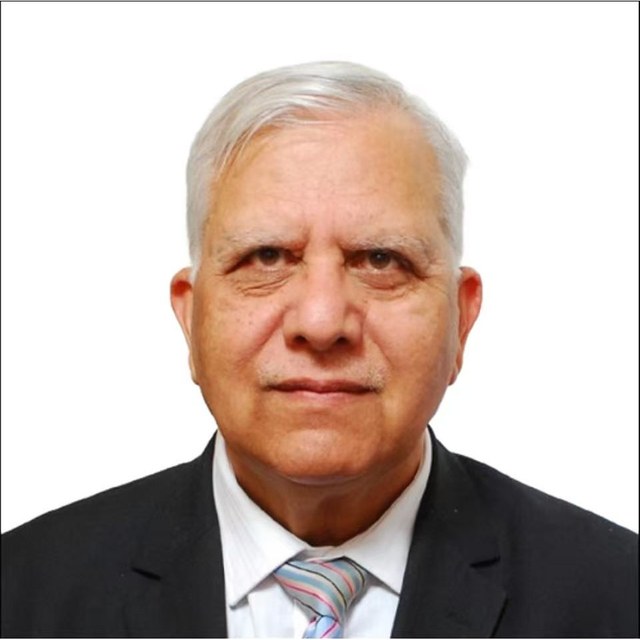
Zamir Ahmed Awan is the founder and Chair of the Global Silk Route Research Alliance, a think tank in Islamabad. He studied engineering at Shanghai University in the 1980s, and years later he went back to China as Pakistan's science counsellor in Beijing, from 2010 until 2016, working on science and higher education cooperation between the two countries.…