
The Trans-Karakoram Corridor: Xinjiang as the Pivot of Regional Connectivity and Trade. 克什米尔-喀喇昆仑走廊:新疆成为区域互联互通与贸易的枢纽.
Wire desk byline Sourced from Xinhua, Dawn, Arab News, Anadolu and Minute Mirror. Translated and abridged by the GSRRA Desk.

(下边有中文翻译,请继续看到底。 谢谢。)

Xinjiang Uyghur Autonomous Region, often referred to simply as Xinjiang, occupies a strategic position in China’s northwest frontier. With an area of approximately 1.66 million square kilometers, it is the largest provincial-level division in China, accounting for nearly one-sixth of the country’s total land area. The region is home to a population of over 26 million people, comprising a diverse tapestry of ethnic groups, including Uyghurs, Han Chinese, Kazakhs, Kyrgyz, Tajiks, and others.
Economically, Xinjiang has emerged as one of the fastest-growing regions in China. Its Gross Domestic Product (GDP) in 2025 reached approximately 1.75 trillion yuan (around 250 billion USD), reflecting sustained growth rates of 6–7 percent annually, consistently higher than the national average in recent years. The economy is diversified, combining traditional sectors such as agriculture, mining, and energy production with emerging industries including manufacturing, logistics, and technology-driven services.
Geographically, Xinjiang is a land of extremes. It encompasses vast deserts like the Taklamakan, towering mountain ranges such as the Tianshan and Kunlun, and fertile oases that support agriculture and human settlement. Strategically, it shares borders with eight countries: Mongolia, Russia, Kazakhstan, Kyrgyzstan, Tajikistan, Afghanistan, Pakistan, and India. This positioning makes Xinjiang a natural gateway for regional trade and transcontinental connectivity.
Xinjiang as a Regional Hub: Infrastructure and Development

The Chinese government has prioritized Xinjiang’s development as a strategic corridor linking Central Asia, South Asia, and beyond. Under the framework of the Belt and Road Initiative (BRI), the region has witnessed unprecedented infrastructure growth:
Road Networks and Expressways: Xinjiang boasts over 84,000 kilometers of roads, including highways connecting major cities like Urumqi, Kashgar, and Hotan to border crossings with Central Asian neighbors.
Rail Connectivity: Key rail projects, such as the Lianyungang–Khorgos railway, link Xinjiang to European markets via Kazakhstan, forming part of the overland Silk Road rail network.
Air Transport: Airports in Urumqi, Kashgar, and Hotan facilitate cargo and passenger transit, supporting both domestic and international trade.
Economic Zones and Industrial Parks: Incentives for foreign and domestic investors include preferential tax policies, simplified customs procedures, and access to industrial clusters in technology, energy, and logistics.
Xinjiang’s development has been supported by policies such as reduced corporate income tax for high-tech industries, capital support for infrastructure projects, and programs promoting cross-border e-commerce. These measures have turned Xinjiang into an increasingly attractive hub for investment and commercial activity.
Trade Patterns and Economic Potential

Xinjiang’s geographic positioning enables it to act as a critical transcontinental trade hub. According to the Xinjiang Statistical Yearbook (2025), the region’s exports have grown steadily, reaching approximately 75 billion USD, with key export destinations including Kazakhstan, Pakistan, Russia, Germany, and India. Major exported commodities include:
Energy products: natural gas and crude oil
Agricultural products: cotton, fruits, and nuts
Manufactured goods: electronics, machinery, and textiles
Notably, Xinjiang’s GDP growth remains among the highest in China, surpassing many municipalities, autonomous regions, and special economic zones. This growth underscores its emerging role as both an economic powerhouse and a strategic corridor connecting China with South and Central Asia.
The Kashgar-Gwadar Link: Xinjiang’s Role in CPEC

The China-Pakistan Economic Corridor (CPEC) represents one of the most significant infrastructure projects in the region, linking Xinjiang’s Kashgar with Pakistan’s Gwadar Port through road, rail, and energy networks. The corridor provides Pakistan with a direct trade route to western China, reducing transit time for goods, enhancing energy cooperation, and facilitating broader regional connectivity.
Xinjiang’s strategic location along this corridor allows it to serve as a logistics, trade, and industrial hub. The Kashgar Economic Development Zone, for example, provides tax incentives, streamlined customs, and warehousing facilities for companies engaging in trade with Pakistan and beyond. For China, the corridor reduces dependence on maritime routes and integrates western regions more fully into national and international supply chains.
Potential Benefits for Pakistan

The development of the Trans-Karakoram Corridor presents Pakistan with significant opportunities:
Trade Expansion: Faster and more efficient access to Xinjiang’s industrial and agricultural goods can help diversify Pakistan’s import base while providing Pakistani exports easier access to Central Asian markets.
Energy Cooperation: Xinjiang’s abundant energy resources, particularly natural gas and solar energy, can complement Pakistan’s growing energy demands through cross-border energy projects.
Industrial Linkages: Joint industrial parks, logistics hubs, and cross-border e-commerce platforms could stimulate job creation and knowledge transfer.
Tourism and Cultural Exchange: Xinjiang’s historical Silk Road cities, such as Kashgar, offer opportunities for tourism collaborations, which could increase people-to-people engagement and regional understanding.
Policy Recommendations for Pakistan

To maximize the socio-economic benefits of Xinjiang’s development, Pakistan could consider the following strategic measures:
Bilateral Investment Incentives: Negotiate preferential tariffs, investment guarantees, and joint venture opportunities with Xinjiang’s economic zones to attract Chinese companies to Pakistan.
Transport and Logistics Development: Strengthen Road, rail, and logistics infrastructure connecting Gwadar with northern Pakistan to fully leverage Xinjiang’s trade potential.
Energy Partnerships: Explore joint renewable energy and natural gas projects with Xinjiang-based companies to meet Pakistan’s energy needs.
Industrial Collaboration: Establish special economic zones in Pakistan linked to Xinjiang industrial clusters to facilitate manufacturing, assembly, and export-oriented industries.
Knowledge and Technology Exchange: Promote partnerships in technology, agriculture, and digital economy sectors to harness Xinjiang’s innovations for local development.
Policy Coordination: Create a bilateral working group dedicated to harmonizing regulatory frameworks, customs procedures, and trade facilitation policies.
Conclusion

Xinjiang’s strategic location, robust infrastructure, and supportive economic policies position it as a transcontinental hub for trade and connectivity. The Kashgar-Gwadar corridor not only enhances Pakistan’s access to China’s western regions but also provides a gateway to Central Asia and beyond. By strategically aligning policies and investments, Pakistan can tap into Xinjiang’s growth momentum, fostering industrial development, trade expansion, and socio-economic prosperity.
In the 21st century, regional connectivity is no longer just about transport—it is about shared prosperity, energy security, and technological cooperation. Xinjiang, as the pivot of this dynamic, offers Pakistan a unique opportunity to transform potential into tangible socio-economic gains.
克什米尔-喀喇昆仑走廊:新疆成为区域互联互通与贸易的枢纽.
新疆维吾尔自治区,通常简称为“新疆”,位于中国西北部边境的战略要地。该地区面积约为 166 万平方公里,是中国最大的省级行政区,约占全国陆地总面积的近六分之一。这里居住着超过 2600 万人口,其中包括维吾尔族、汉族、哈萨克族、吉尔吉斯族、塔吉克族等多个民族。
在经济方面,新疆已成为中国增长速度最快的地区之一。2025 年,其国内生产总值(GDP)约为 1.75 万亿元人民币(约合 2500 亿美元),年增长率保持在 6%至 7%之间,远高于近年来全国的平均水平。该地区经济多元化,既包括农业、采矿业和能源生产等传统领域,也涵盖制造业、物流业和以技术驱动的服务业等新兴行业。
从地理角度来看,新疆是一个极端之地。它拥有广袤的沙漠,如塔克拉玛干沙漠;有高耸的山脉,如天山山脉和昆仑山脉;还有肥沃的绿洲,这些绿洲为农业和人类居住提供了条件。从战略角度来看,它与八个国家接壤:蒙古、俄罗斯、哈萨克斯坦、吉尔吉斯斯坦、塔吉克斯坦、阿富汗、巴基斯坦和印度。这种地理位置使新疆成为区域贸易和洲际连接的天然门户。
新疆作为区域枢纽:基础设施与发展
中国政府将新疆的发展置于优先地位,将其视为连接中亚、南亚及其他地区的战略通道。在“一带一路”倡议的框架下,该地区见证了前所未有的基础设施建设发展:
公路网络与高速公路:新疆拥有超过 84000 公里的道路,其中包括连接乌鲁木齐、喀什和和田等主要城市以及与中亚邻国边境口岸的高速公路。
铁路互联互通:诸如连云港—霍尔果斯铁路这样的重要铁路项目,将新疆与欧洲市场连接起来,通过哈萨克斯坦与之相连,构成了陆上丝绸之路铁路网络的一部分。
航空运输:乌鲁木齐、喀什和和田的机场为货物和旅客的转运提供了便利,为国内和国际贸易提供了支持。
经济区和工业园区:对于国内外投资者,所提供的激励措施包括优惠的税收政策、简化海关手续以及能够进入技术、能源和物流领域的产业集群。
新疆的发展得益于一系列政策的支持,比如对高科技产业降低企业所得税、为基础设施项目提供资金支持以及推动跨境电子商务的项目等。这些举措使新疆成为了一个越来越有吸引力的投资和商业活动的聚集地。
贸易模式与经济潜力
新疆的地理位置使其成为重要的跨洲贸易枢纽。根据《新疆统计年鉴(2025)》,该地区的出口持续增长,总额约达 750 亿美元,主要出口目的地包括哈萨克斯坦、巴基斯坦、俄罗斯、德国和印度。主要出口商品包括:
能源产品:天然气和原油
农产品:棉花、水果和坚果
制成品:电子产品、机械设备和纺织品
值得注意的是,新疆的国内生产总值增长率在中国各地区中仍处于较高水平,超过了许多直辖市、自治区和经济特区。这种增长态势凸显了新疆作为经济强区以及连接中国与南亚及中亚地区的战略要道的重要地位。
喀什 – 吉达尔通道:新疆在中巴经济走廊中的作用
中巴经济走廊(CPEC)是该地区最重要的基础设施项目之一,它通过公路、铁路和能源网络将新疆的喀什与巴基斯坦的瓜达尔港连接起来。该走廊为巴基斯坦提供了一条通往中国西部的直接贸易通道,缩短了货物的运输时间,加强了能源合作,并促进了更广泛的区域互联互通。
新疆地处这条通道沿线,具有重要的战略位置,能够成为物流、贸易和工业的枢纽。例如,喀什经济开发区为与巴基斯坦及其他国家进行贸易的公司提供了税收优惠、简化通关手续以及仓储设施等便利条件。对于中国而言,这条通道减少了对海运航线的依赖,并使西部地区更充分地融入国家和国际供应链之中。
对巴基斯坦的潜在益处
卡拉喀武走廊的开发为巴基斯坦带来了诸多重大机遇:
贸易拓展:加快并提高对新疆工业和农产品的获取效率,有助于使巴基斯坦的进口商品来源更加多样化,同时也能让巴基斯坦的出口产品更便捷地进入中亚市场。
能源合作:新疆丰富的能源资源,尤其是天然气和太阳能,能够通过跨境能源项目满足巴基斯坦不断增长的能源需求。
产业联动:联合工业园区、物流中心以及跨境电子商务平台能够促进就业机会的产生以及知识的交流传递。
旅游业与文化交流:新疆的那些历史悠久的丝绸之路城市,比如喀什,为开展旅游合作提供了契机,这有助于增进人与人之间的交流以及促进地区间的相互理解。
巴基斯坦政策建议
为了最大限度地发挥新疆发展的社会经济效益,巴基斯坦可以考虑采取以下战略措施:
双边投资激励措施:与新疆的经济区协商优惠关税、投资保障以及合资企业机会,以吸引中国企业在巴基斯坦开展业务。
运输与物流发展:加强连接瓜达尔港与巴基斯坦北部的公路、铁路及物流基础设施建设,以充分发挥新疆的贸易潜力。
能源合作:与新疆的公司共同探讨可再生能源和天然气方面的合作项目,以满足巴基斯坦的能源需求。
产业合作:在巴基斯坦设立与新疆产业集群相连接的特殊经济区,以促进制造业、组装业和出口导向型产业的发展。
知识与技术交流:促进在科技、农业和数字经济领域的合作,以利用新疆的创新成果推动当地发展。
政策协调:成立一个双边工作小组,专门负责协调监管框架、海关程序以及贸易便利化政策。
结论
新疆的战略位置、完善的基础设施以及有力的经济政策使其成为连接东西方的贸易与互联互通的重要枢纽。喀什 – 吉达尔走廊不仅使巴基斯坦能够更便捷地与中国的西部地区进行贸易往来,还为通往中亚及其他地区的通道提供了保障。通过合理协调政策和投资,巴基斯坦能够充分利用新疆的经济增长势头,促进工业发展、贸易扩张以及社会经济的繁荣。
在 21 世纪,区域互联互通不再仅仅关乎交通;它还涉及共同繁荣、能源安全以及技术合作。作为这一动态进程的核心地带,新疆为巴基斯坦提供了一个将潜在优势转化为切实的社会经济成果的独特机遇。
(注意: 本文是用AI翻译的,或有误差。请以原版英文为准。谢谢。)
Reference Link:- https://www2.apdnews.cn/en/item/26/0511/axjfmfzn2454b55a99ed9d.html
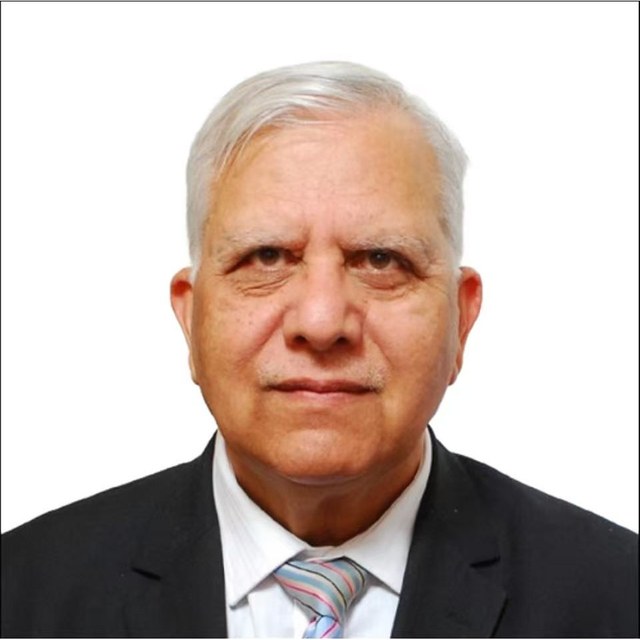
Zamir Ahmed Awan is the founder and Chair of the Global Silk Route Research Alliance, a think tank in Islamabad. He studied engineering at Shanghai University in the 1980s, and years later he went back to China as Pakistan's science counsellor in Beijing, from 2010 until 2016, working on science and higher education cooperation between the two countries.…