
Israeli-American War with Iran: The War That Weakened Everyone. 以色列与伊朗之间的美以战争:这场削弱了所有人的战争。
Wire desk byline Sourced from Xinhua, Dawn, Arab News, Anadolu and Minute Mirror. Translated and abridged by the GSRRA Desk.

(下边有中文翻译请继续看到底。 谢谢。)

From Tehran, this war is not remembered as a triumph of deterrence, but as a war of choice that shattered lives, destabilized the Persian Gulf, and left the entire region less secure than before.
From an Iranian perspective, the U.S.-Israeli war on Iran was not a regrettable necessity. It was an avoidable political choice, one launched in defiance of diplomacy and justified by the familiar language of preemption. Reuters reports that the war began on February 28, when the United States and Israel struck Iran, setting off Iranian retaliation against Israel, U.S. bases, and Gulf states. Iranian media have stressed another point with equal force: the attack came as diplomacy was still alive. Tehran Times, reflecting a widely voiced Iranian view, argued that military action followed reported progress in U.S.-Iran talks and amounted to a betrayal of peaceful settlement. From Tehran, that is the first and lasting fact of this conflict: it did not close a diplomatic door after it had failed; it slammed that door while it was still open.

Iran has borne the highest physical and human cost. The International Federation of Red Cross and Red Crescent Societies says more than 1,900 people have been killed and more than 21,000 injured in Iran since the strikes began, while Reuters notes that HRANA, a U.S.-based rights group, has published a much higher estimate of 3,531 deaths, including 1,607 civilians and at least 244 children. These are not abstract numbers. They point to damaged homes, crippled medical systems, disrupted communications, and a public living under repeated alarm and uncertainty. Reuters also reported that Red Cross workers themselves have been killed on duty and that trauma supplies are under threat as logistics routes remain choked by war. In plain terms, Iran is not only counting its dead; it is trying to treat its wounded while the war continues to obstruct aid.
For Iranians, perhaps no image captures the moral failure of this war more clearly than the image of children under fire. UNICEF has warned of reports of schools being struck in Iran, including a girls’ school in Minab, and said that targeting civilians and civilian objects such as schools violates international law. Iranian reporting has placed the Minab strike at the center of the national conscience. Tehran Times reported that Iran’s judiciary and numerous public figures have sought legal action over the strike on the Shajareh Tayyebeh elementary school, where Iranian accounts say at least 165 children were killed. Whether one approaches that tragedy through humanitarian law, parental grief, or simple common sense, the conclusion is the same: no strategic argument can justify a war that turns classrooms into graves and childhood into trauma.

Iranian media have also framed the conflict as an assault not only on lives, but on the country’s economic future. Press TV reported renewed strikes on Mobarakeh Steel and other industrial sites, describing them as attacks on civilian infrastructure and livelihoods. Tehran Times, citing the ICRC president, went even further: targeting energy, fuel, water, and healthcare facilities is, in effect, a war on civilians. This language is not accidental. It reflects the Iranian argument that such attacks are meant not merely to weaken military capacity, but to impose long-term pressure on ordinary people by damaging the arteries of daily life: power, transport, heavy industry, health services, and jobs. Even when bridges, factories, and roads are rebuilt, the lost time in development, production, education, and social confidence cannot be restored quickly.
This is why many Iranians speak of two kinds of damage: the rebuildable and the irretrievable. Buildings can be reconstructed. Industrial plants can be repaired. Damaged transport links can be reopened. But human loss is final. The deaths of civilians, children, medical workers, and senior national figures cannot be reversed by any ceasefire or reconstruction plan. That is why Iranian Foreign Minister Abbas Araghchi’s recent message resonated so strongly inside the country. As reported by Press TV, he said that every bridge and building can be built back stronger, but the damage to America’s standing may never recover. That is, of course, an Iranian political judgment. Yet it is a revealing one. It shows how this war is viewed in Tehran: not as a contest over territory alone, but as a test of moral legitimacy in which Washington has spent prestige to destroy structures that Iran will eventually rebuild.

None of this means others escaped the costs. Israel has also suffered deaths, damage, fear, and disruption. Reuters reports that missiles launched from Iran and Lebanon have killed 19 people in Israel, and that 10 Israeli soldiers were killed in southern Lebanon. The United States, although far from the battlefield in geographic terms, has not been untouched either. Reuters says 13 U.S. service members have been killed in the wider conflict. More importantly, the political basis for the war inside America looks weak. A Reuters/Ipsos poll found that 66% of Americans want the United States to end its involvement quickly, even if all objectives are not achieved, while 60% disapprove of U.S. strikes on Iran. From Tehran, these numbers confirm what Iranian officials have argued from the start: military power can project force, but it cannot by itself manufacture legitimacy.
The neighboring Arab states may be the most revealing case of all. They were not the principal battlefield, yet they paid heavily for the spillover. Reuters has reported that Gulf states fear absorbing the consequences of a war they did not start or shape, and that the conflict has damaged energy assets, unsettled markets, and exposed the limits of the American security umbrella. Another Reuters analysis put the question starkly: is the U.S. security umbrella still worth the price? That is a remarkable question for the Gulf, where security bargains with Washington have shaped regional strategy for decades. From an Iranian perspective, this matters greatly. Tehran has long argued that extra-regional military dominance brings instability, not protection. The war has not conclusively proven Iran right in every respect, but it has undeniably forced the Gulf to reexamine old assumptions.

The global economic fallout has made that reassessment unavoidable. The International Energy Agency warned this week that Middle East oil disruptions would intensify in April and begin hitting Europe harder, with more than 12 million barrels already lost and approximately 40 key energy assets damaged. Reuters also reported that the IEA, IMF, and World Bank have now formed a coordination group to address what they described as one of the largest supply shortages in global energy market history. Their warning was blunt: the impact is substantial, global, and highly asymmetric, hitting energy importers and poorer countries especially hard. Oil, gas, fertilizer, food logistics, tourism, shipping, and inflation are all now part of the war’s
aftershock. In that sense, the people buying expensive fuel in Asia, Europe, Africa, and beyond are also paying a share of the bill for a war they did not choose.
What, then, of the postwar security order? Here, too, an Iranian perspective is useful. Many in Tehran believe the war has exposed a basic truth: American protection in the region is selective, not universal. If Gulf states conclude the same, they may not sever ties with Washington, but they will likely hedge more aggressively. That could mean deeper investments in domestic defense industries, greater emphasis on regional diplomacy, more flexible ties with Asian powers, and less blind faith in U.S. bases, weapons, and guarantees. Reuters’ reporting suggests that this debate is already underway as Gulf confidence in the U.S. umbrella comes under strain. This does not mean American influence will vanish. It means influence will face tougher questions, narrower trust, and a marketplace of alternatives that did not look as serious before this war.

Those alternatives will not produce a simple replacement for Washington. China is not offering a military shield; it is offering diplomacy. Reuters reported on April 2 that Beijing again called for a ceasefire, safe navigation through Hormuz, and negotiations involving all sides. Russia, for its part, has said it is ready to help move the conflict toward peace. Neither country is poised to become the sole guarantor of Middle Eastern order. But both matter because they point to a future in which the region is less unipolar and more contested diplomatically. From Tehran’s vantage point, that is not necessarily a threat. It may be an opportunity: a chance for a less militarized, more plural regional balance in which no single outside power dictates the rules by force.
Europe’s posture is also telling. Reuters reported that France, Italy, and Spain pushed back against some U.S. military operations, with Spain and others denying support or airspace in certain cases. That does not mean Europe has broken with America. It does mean the war has revealed real divergence inside the Western camp. From Tehran, this is seen as evidence that even close allies are uncomfortable with the legal, humanitarian, and strategic costs of the campaign. The future of NATO cannot be reduced to one war, and claims of its imminent collapse would be premature. Still, the image of Western unity has clearly been weakened. This matters because wars are fought not only with missiles and aircraft, but also with narratives. On that front, the war has left the Atlantic alliance looking less coherent than its leaders would prefer.

For the Muslim world, the lesson should not be rage alone. It should be clear. This war has reminded the region that dependence without self-reliance is dangerous, that diplomacy abandoned too early is often paid for in blood, and that civilians always bear the costs of strategic fantasies sold by powerful states. It has also renewed the search for wider regional coordination, whether through mediation efforts, ceasefire diplomacy, or new conversations about collective security. The constructive response now is not endless escalation, but sober statecraft: ceasefire, humanitarian access, reconstruction, legal accountability, and a security framework built less on coercion and more on regional consent.
From Iran, then, the verdict is stark but simple. This war did not make the region safer. It did not stabilize energy markets. It did not strengthen international law. It did not reassure America’s partners. It did not end resistance, eliminate vulnerability, or produce a convincing peace. What it did produce was grief, destruction, inflation, fear, and a new wave of doubt about the wisdom of force-first politics. Iran will rebuild much of what was broken in steel and stone. The harder task, for the region and for the world, will be rebuilding trust in a political order that allowed such a war to begin at all.

以色列与伊朗之间的美以战争:这场削弱了所有人的战争。
从德黑兰的视角来看,这场战争并未被视为威慑的胜利,而是一场人为选择的战争,它摧毁了无数生命,动摇了波斯湾地区的稳定,并使整个地区比以往更加不安全。
从伊朗的角度看,美以对伊战争并非一种令人遗憾但必要的行动,而是一个本可避免的政治选择。这场战争是在无视外交努力的情况下发动的,并以“先发制人”的惯常话语加以正当化。据路透社报道,战争始于2月28日,当时美国与以色列对伊朗发动打击,引发伊朗对以色列、美国基地及海湾国家的报复行动。伊朗媒体同样强调一点:袭击发生时外交仍在进行。《德黑兰时报》反映了一种广泛存在的伊朗观点,认为军事行动是在美伊谈判取得进展的背景下发生的,构成了对和平解决的背叛。从德黑兰来看,这场冲突最根本的事实在于:它并非在外交失败后关闭大门,而是在外交仍然开放时猛然关上了大门。
伊朗承受了最大的人员与物质损失。红十字会与红新月会国际联合会称,自袭击开始以来,伊朗已有超过1900人死亡、2.1万人受伤;而路透社援引总部位于美国的人权组织HRANA数据称,死亡人数可能高达3531人,其中包括1607名平民及至少244名儿童。这些并非抽象数字,而是意味着破碎的家庭、瘫痪的医疗系统、受阻的通信,以及在持续警报与不确定性中生活的民众。路透社还指出,红十字会工作人员在执行任务时遇难,创伤医疗物资也因运输受阻而面临短缺。简而言之,伊朗不仅在统计死亡人数,还在战争持续阻碍援助的情况下努力救治伤员。
对伊朗人而言,这场战争的道德失败或许最清晰地体现在儿童遭受攻击的画面中。联合国儿童基金会警告称,伊朗有学校遭袭,包括米纳布的一所女子学校,并指出袭击平民及民用设施违反国际法。伊朗媒体将该事件视为国家良知的焦点。《德黑兰时报》报道称,伊朗司法部门及多位公众人物已就沙贾雷·塔伊贝小学遭袭事件寻求法律追责,据伊方称该事件造成至少165名儿童死亡。无论从国际人道法、父母的悲痛还是基本常识来看,结论都是一致的:任何战略理由都无法为将教室变为坟墓、将童年变为创伤的战争辩护。
伊朗媒体还将冲突描述为不仅是对生命的攻击,也是对国家经济未来的打击。Press TV报道称,穆巴拉克钢铁厂等工业设施再次遭到袭击,被视为对民用基础设施与生计的攻击。《德黑兰时报》援引红十字国际委员会主席的说法更进一步指出:针对能源、燃料、水资源和医疗设施的打击,本质上是对平民的战争。这种表述并非偶然,而是反映了伊朗的论点:这些攻击不仅削弱军事能力,更通过破坏电力、交通、重工业、医疗与就业等日常生活的关键系统,对普通民众施加长期压力。即便桥梁、工厂和道路可以重建,发展、生产、教育与社会信心的损失也难以迅速恢复。
因此,许多伊朗人区分两种损失:可重建的与不可挽回的。建筑可以重建,工业设施可以修复,交通可以恢复,但人的生命无法复原。平民、儿童、医护人员及国家重要人物的死亡,不会因停火或重建计划而逆转。这也是伊朗外长阿巴斯·阿拉格奇近期言论在国内引发强烈共鸣的原因。据Press TV报道,他表示桥梁和建筑可以重建得更坚固,但美国的声誉损害或许难以恢复。这当然是伊朗的政治判断,但它揭示了德黑兰的视角:这场战争不仅是领土争夺,更是道义合法性的较量,而美国为了摧毁可以重建的实体付出了声誉代价。
这并不意味着其他国家未付出代价。以色列同样经历了死亡、破坏与恐慌。路透社称,来自伊朗和黎巴嫩的导弹袭击已造成以色列19人死亡,南黎巴嫩另有10名以军士兵阵亡。美国虽然地理上远离战场,也并非毫发无损。路透社指出,有13名美军人员在冲突中死亡。更重要的是,美国国内对战争的政治支持基础较弱。路透社/益普索民调显示,66%的美国人希望迅速结束介入,即便未达成全部目标,60%的人反对对伊朗的打击。从德黑兰来看,这印证了其一贯观点:军事力量可以投射,但无法单独制造合法性。
邻近的阿拉伯国家或许是最具代表性的案例。它们并非主要战场,却承受了外溢影响。路透社报道称,海湾国家担心为一场并非自己主导的战争承担后果,冲突损害了能源资产、扰乱市场,并暴露出美国安全保护的局限性。另一篇路透社分析提出了一个关键问题:美国的安全保护伞是否仍值得其代价?这一问题在海湾地区尤为重要,因为其安全长期依赖与华盛顿的合作。从伊朗视角看,这一点意义重大:长期以来,德黑兰认为域外军事主导带来的是不稳定而非安全。这场战争未完全证明伊朗正确,但确实迫使海湾国家重新审视既有假设。
全球经济的连锁反应使这种反思不可避免。国际能源署警告称,中东石油供应中断将在4月加剧,并对欧洲产生更大冲击,已有超过1200万桶石油损失,约40个关键能源设施受损。路透社还报道,国际能源署、国际货币基金组织与世界银行已成立协调机制,应对他们所称的全球能源市场史上最严重的供应短缺之一。其警告直言不讳:影响巨大、全球性且不对称,尤其冲击能源进口国与较贫穷国家。石油、天然气、化肥、粮食运输、旅游、航运及通胀,均成为战争的后续冲击。从这个意义上说,全球消费者为高油价买单,也是在为这场并非自己选择的战争分担成本。
那么战后安全秩序将如何?从伊朗视角看,战争揭示了一点:美国在该地区的安全保护是选择性的,而非普遍性的。如果海湾国家得出相同结论,它们可能不会完全脱离美国,但会更积极地进行战略对冲,包括加强本国防工业、推动地区外交、拓展与亚洲国家关系,以及减少对美军基地与安全承诺的依赖。路透社报道显示,这一讨论已在进行。这并不意味着美国影响力消失,而是其影响力将面临更严苛的质疑与更多替代选项。
这些替代方案不会简单取代美国。中国提供的是外交而非军事保护。路透社4月2日报道称,北京再次呼吁停火、保障霍尔木兹海峡航行安全,并推动各方谈判。俄罗斯也表示愿意协助推动和平。两国都不会成为唯一安全保障者,但它们表明未来地区将更加多极化。从德黑兰角度看,这未必是威胁,反而可能是机会:建立一个更少军事化、更多元平衡的地区秩序。
欧洲的立场同样值得注意。路透社称,法国、意大利、西班牙对部分美国军事行动持保留态度,甚至拒绝提供支持或空域。这并不意味着欧洲与美国决裂,但确实显示西方阵营内部存在分歧。从德黑兰来看,这说明即便盟友也对战争的法律、人道与战略成本感到不安。北约的未来不会由一场战争决定,但西方团结的形象已明显受损。
对穆斯林世界而言,这场战争的教训不应只是愤怒,而应是清醒:过度依赖而缺乏自立是危险的,过早放弃外交往往以鲜血为代价,平民始终承担战略幻想的成本。这也促使地区寻求更广泛合作,包括调解、停火外交与集体安全讨论。当前最具建设性的路径不是升级冲突,而是理性治理:停火、人道援助、重建、法律问责,以及建立以地区共识为基础的安全框架。
从伊朗的角度来看,结论清晰而严峻:这场战争没有让地区更安全,没有稳定能源市场,没有强化国际法,没有安抚美国盟友,也没有带来持久和平。它带来的,是悲伤、破坏、通胀、恐惧,以及对武力优先政治的新一轮质疑。伊朗或许能够重建钢铁与建筑,但更艰难的任务,是重建一个允许这场战争发生的国际政治秩序中的信任。
( 注意: 本文是用AI翻译的,或有误差。请以原版英文为准。谢谢。)
Reference Link:- https://theopiniondesk.com/israeli-american-war-with-iran-the-war-that-weakened-everyone/
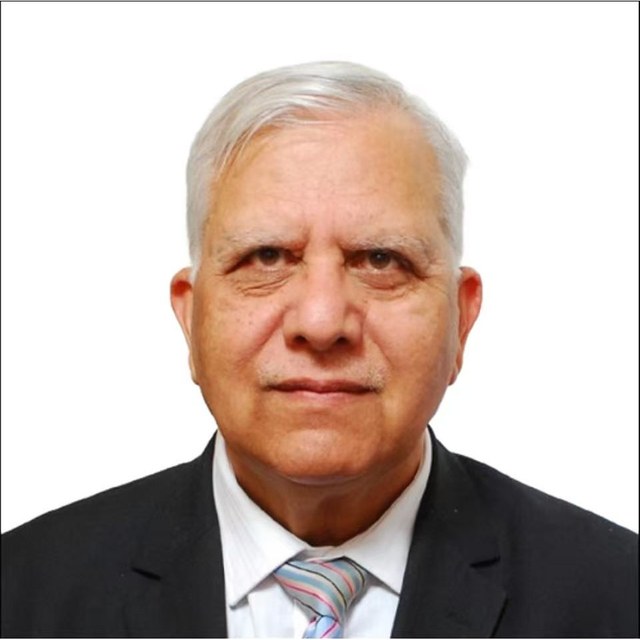
Zamir Ahmed Awan is the founder and Chair of the Global Silk Route Research Alliance, a think tank in Islamabad. He studied engineering at Shanghai University in the 1980s, and years later he went back to China as Pakistan's science counsellor in Beijing, from 2010 until 2016, working on science and higher education cooperation between the two countries.…