Pakistan moves to align trade, climate policies to strengthen food supply chain

Govt, industry flag affordability, logistics gaps; push climate-smart agriculture, efficient transport systems

Pakistan is working to align its trade and climate policies to improve the resilience and efficiency of its food supply chain, amid concerns over affordability, logistics and climate-related disruptions.
The development was discussed in a meeting between Federal Minister for Commerce Jam Kamal Khan and Romina Khurshid Alam, along with representatives from the food chain sector.
Officials said that while food availability remains stable, challenges persist in affordability and supply chain efficiency, particularly in sectors such as dairy and food processing that are sensitive to energy costs and logistical constraints.
The commerce ministry said the government aims to maintain uninterrupted economic activity in critical sectors while improving energy use and logistics management. Strengthening domestic supply chains and coordination between federal and provincial stakeholders was identified as a priority.
Climate officials emphasised integrating resilience into food systems through climate-smart agriculture, efficient resource use and reduced wastage to support long-term food security.
Industry representatives highlighted issues related to fuel consumption, transport inefficiencies and underutilisation of freight capacity. They proposed optimising trucking operations and increasing reliance on rail networks to improve supply chain performance.
Participants also discussed promoting digital supply chain systems, alternative mobility solutions and public-private collaboration to enhance productivity and reduce environmental impact.
Both sides agreed to develop a coordinated framework linking trade and climate institutions to support food system stability, ensure industry continuity and advance sustainable economic growth.
Reference Link:- https://profit.pakistantoday.com.pk/2026/04/04/pakistan-moves-to-align-trade-climate-policies-to-strengthen-food-supply-chain/
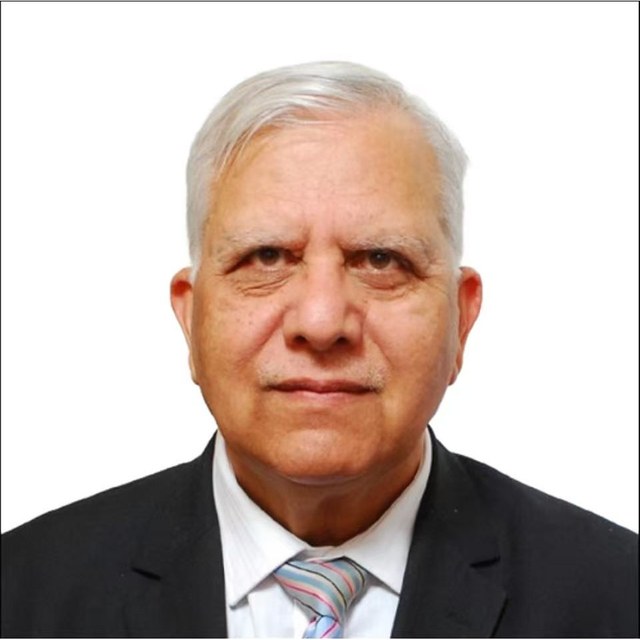
Zamir Ahmed Awan is the founder and Chair of the Global Silk Route Research Alliance, a think tank in Islamabad. He studied engineering at Shanghai University in the 1980s, and years later he went back to China as Pakistan's science counsellor in Beijing, from 2010 until 2016, working on science and higher education cooperation between the two countries.…