A Visible Transformation of Pakistan’s Automobile Industry 巴基斯坦汽车工业的明显转变

(下边有中文翻译请继续看到底。 谢谢。)
The global automobile industry is undergoing a fundamental shift, and electric vehicles are unmistakably at the heart of this transformation. Rising fossil fuel prices, growing environmental concerns, and rapid technological advances are pushing countries to rethink how people move. The age of internal combustion engines is slowly giving way to electric mobility—and this change is no longer theoretical; it is already happening.
China has emerged as the undisputed global leader in electric vehicles. Its manufacturers dominate international markets through a rare combination of affordability, quality, and scale. While the Western world has attempted to slow China’s rise and limit its influence, the competitive advantage remains firmly in China’s favor. In the EV segment, no country currently matches Chinese automakers in pricing, supply-chain depth, or technological maturity.

Pakistan, as part of the global economic system, cannot remain isolated from these changes. Its automobile industry is visibly and rapidly transforming, shifting away from traditional fuel-based vehicles toward electric alternatives. Over the past few years, EVs have moved from novelty to serious market contenders, with their presence becoming increasingly noticeable on Pakistani roads.
This transition is not merely aspirational—it is necessary. Pakistan does not produce oil and remains heavily dependent on imported fuel, a vulnerability that has become increasingly costly in today’s fragile economic environment. Add to this the worsening air pollution in major cities and the environmental costs of fossil fuel consumption, and the case for electric mobility becomes unavoidable. For Pakistan, EVs represent not just a technological upgrade but a strategic economic and environmental imperative.
Alongside this technological shift, Pakistan’s automobile industry itself has been undergoing a quieter but equally significant transformation. The market has gradually moved away from being producer-controlled toward one shaped more decisively by consumer choice. Today’s buyer is better informed, more demanding, and far less willing to accept limited options or outdated technology.

The automobile sector now contributes nearly 7 percent to Pakistan’s GDP and employs over 6.8 million people, making it one of the country’s most dynamic industries. It has also become a crucial source of jobs for the youth, particularly as new technologies and market entrants expand the scope of the sector.
Government policy has played a role in accelerating change. Incentives for electric vehicles, including tax relief and lower registration fees, reflect an official ambition to convert 30 percent of vehicles to electric by 2030. At the same time, localization efforts by established players such as Indus Motor Company and Pak Suzuki are strengthening domestic supply chains and reducing reliance on imports. The entry of new brands—Volkswagen, Skoda, Haval, and others—has further intensified competition, offering consumers greater choice and pushing manufacturers toward innovation.
Market data from 2025 underscores this momentum. Car sales rose sharply, with October witnessing a 40 percent year-on-year increase. Passenger vehicles led the surge, while commercial vehicles posted even stronger growth. Truck and bus production expanded rapidly, reflecting broader economic activity and infrastructure development. Popular models such as the Suzuki Alto and Toyota Corolla continued to dominate sales, while automatic transmissions and fuel-efficient designs gained preference among consumers.
These trends are reinforced by improving economic conditions. Lower interest rates have made vehicle financing more accessible, boosting buyer confidence and expanding demand. As financing options improve and disposable incomes rise, personal mobility continues to attract new segments of consumers.
Another striking feature of today’s auto market is the growing diversity of available vehicles. Increased imports—both new and used—have widened consumer choice across price brackets. At the same time, local assemblers are scaling up production, ensuring that domestic manufacturing remains competitive. This balance between imports and local production is reshaping supply dynamics and giving buyers more negotiating power than ever before.
Policy reform is further redefining the sector. The government’s five-year tariff reform plan, aligned with the Federal Budget 2025–26, signals a shift away from strict import substitution toward a more open and competitive framework. Simplified tariff structures, gradual reductions in duties, and the phased removal of surcharges on used vehicle imports are intended to make the market more transparent and efficient over time. A new Auto Industry Policy for 2026–31 is also in the pipeline, promising greater competition and broader market access.

Prices, however, remain a concern. Strong demand, currency fluctuations, supply-chain pressures, and import costs have driven vehicle prices upward in recent years. While tariff reforms may ease cost pressures in the long run, immediate price relief is unlikely as the market continues to adjust.
Electric vehicles, though still a small share of total sales, are steadily gaining ground. Pakistan’s Electric Vehicles Policy (2020–25) has laid the foundation by offering incentives for EV imports and local manufacturing of components. Beyond cars, electric rickshaws and motorcycles are emerging as viable solutions for urban transportation, signaling a gradual yet significant shift in mobility patterns.
Looking ahead, Pakistan’s automobile industry appears poised for sustained growth. Continued policy reform, expanding consumer demand, technological advancement, and a gradual move toward electric mobility are shaping a more competitive and consumer-driven market. The sector is also likely to develop an export orientation, leveraging local manufacturing capabilities and supply-chain efficiencies.

What stands out most in this transformation is the changing role of the consumer. The Pakistani buyer is no longer passive. Better informed and increasingly discerning, consumers are shaping the industry’s direction through their preferences for efficiency, technology, and value for money.
This shift, perhaps more than any policy or technology, is redefining the future of Pakistan’s automobile industry.
巴基斯坦汽车工业的明显转变
全球汽车行业正在经历一场根本性的转变,而电动汽车无疑是这场变革的核心。不断上涨的化石燃料价格、日益严重的环境问题以及快速的技术进步正在促使各国重新思考人们的出行方式。内燃机时代正慢慢让位于电动汽车——而且这种变化不再是理论上的;这已经发生了。
中国已成为电动汽车领域无可争议的全球领导者。中国制造商通过价格合理、质量和规模的罕见结合,主导了国际市场。虽然西方世界试图减缓中国的崛起并限制其影响力,但竞争优势仍然牢牢地对中国有利。在电动汽车领域,目前没有哪个国家在定价、供应链深度或技术成熟度方面能与中国汽车制造商相提并论。
巴基斯坦作为全球经济体系的一部分,不能孤立于这些变化之外。中国的汽车工业正在明显而迅速地转型,从传统的燃油汽车转向电动汽车。在过去的几年里,电动汽车已经从新鲜事物转变为真正的市场竞争者,它们在巴基斯坦道路上的存在越来越明显。
这种转变不仅是一种愿望,而且是必要的。巴基斯坦不生产石油,仍然严重依赖进口燃料,在当今脆弱的经济环境中,这一脆弱性的代价越来越高。再加上大城市日益恶化的空气污染和化石燃料消耗的环境成本,电动交通的情况变得不可避免。对巴基斯坦来说,电动汽车不仅代表着技术升级,也是经济和环境战略的必要条件。
在这种技术转变的同时,巴基斯坦的汽车工业本身也在经历一场安静但同样重要的变革。市场已经逐渐从生产者控制转向消费者选择。今天的买家信息更灵通,要求更高,不太愿意接受有限的选择或过时的技术。
汽车行业目前占巴基斯坦国内生产总值的近7%,就业人数超过680万,是该国最具活力的产业之一。它也成为年轻人就业的重要来源,特别是随着新技术和市场进入者扩大了该部门的范围。
政府政策在加速变革方面发挥了作用。对电动汽车的激励措施,包括减税和降低注册费,反映了官方到2030年将30%的汽车转换为电动汽车的雄心。与此同时,印度汽车公司(Indus Motor Company)和铃木汽车(Pak Suzuki)等老牌企业的本土化努力正在加强国内供应链,减少对进口的依赖。大众、斯柯达、哈弗等新品牌的进入进一步加剧了竞争,为消费者提供了更多的选择,也推动了制造商的创新。
2025年的市场数据凸显了这一势头。汽车销量大幅增长,10月份同比增长40%。乘用车领涨,商用车增长更为强劲。卡车和公共汽车的生产迅速扩大,反映了更广泛的经济活动和基础设施的发展。铃木奥拓(Suzuki Alto)和丰田卡罗拉(Toyota Corolla)等流行车型继续主导销量,而自动变速器和节油设计也受到了消费者的青睐。
经济状况的改善加强了这些趋势。较低的利率使汽车融资更容易获得,提振了买家信心,扩大了需求。随着融资选择的改善和可支配收入的增加,个人流动性继续吸引新的消费者群体。
当今汽车市场的另一个显著特征是可供选择的车辆越来越多样化。进口的增加——无论是新的还是旧的——扩大了消费者在各个价格区间的选择。与此同时,当地组装商正在扩大生产规模,以确保国内制造业保持竞争力。进口和本地生产之间的这种平衡正在重塑供应动态,并赋予买家比以往任何时候都更大的议价能力。
政策改革正在进一步重新定义该行业。政府的五年关税改革计划与2025-26年联邦预算相一致,标志着从严格的进口替代转向更开放、更有竞争力的框架。简化关税结构,逐步降低关税,分阶段取消二手车进口附加费,旨在使市场随着时间的推移变得更加透明和高效。一项新的2026-31年汽车产业政策也在酝酿中,承诺更大的竞争和更广泛的市场准入。
然而,价格仍令人担忧。近年来,强劲的需求、汇率波动、供应链压力和进口成本推动了汽车价格的上涨。虽然关税改革从长远来看可能会缓解成本压力,但随着市场继续调整,价格不太可能立即缓解。
电动汽车虽然在总销量中所占的份额仍然很小,但正在稳步增长。巴基斯坦的电动汽车政策(2020-25年)为电动汽车进口和本土零部件制造提供了激励措施,奠定了基础。除了汽车,电动人力车和摩托车正在成为城市交通的可行解决方案,这标志着出行模式的逐步而重大的转变。
展望未来,巴基斯坦的汽车工业似乎有望持续增长。持续的政策改革、不断扩大的消费需求、技术进步以及逐步向电动交通发展,正在塑造一个更具竞争力和消费者驱动的市场。该行业还可能发展出口导向,利用当地制造能力和供应链效率。
在这种转变中,最引人注目的是消费者角色的变化。巴基斯坦买家不再被动。消费者信息更加灵通,眼光越来越敏锐,他们通过对效率、技术和物有所值的偏好来塑造行业的发展方向。
这种转变可能比任何政策或技术都更重要,它正在重新定义巴基斯坦汽车工业的未来。
( 注意: 本文是用AI翻译的,或有误差。请以原版英文为准。谢谢。)
Reference Link:- https://thinktank.pk/2025/12/25/a-visible-transformation-of-pakistans-automobile-industry/
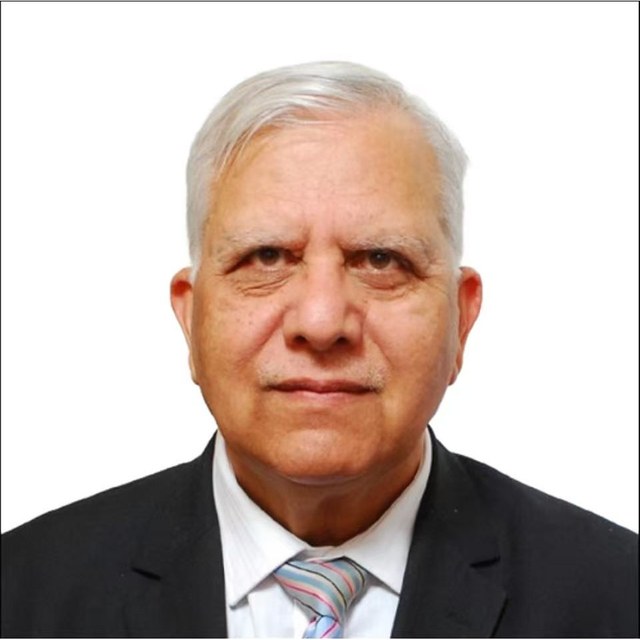
Zamir Ahmed Awan is the founder and Chair of the Global Silk Route Research Alliance, a think tank in Islamabad. He studied engineering at Shanghai University in the 1980s, and years later he went back to China as Pakistan's science counsellor in Beijing, from 2010 until 2016, working on science and higher education cooperation between the two countries.…