SCO’s 24th CHG: Strengthening Regional Cooperation and Pakistan’s Pivotal Role 上海合作组织第二十四次首脑会议:加强区域合作和巴基斯坦的关键作用
Wire desk byline Sourced from Xinhua, Dawn, Arab News, Anadolu and Minute Mirror. Translated and abridged by the GSRRA Desk.

(下边有中文翻译请继续看到底。 谢谢。)
On November 18, 2025, the 24th meeting of the Council of Heads of Government of the Shanghai Cooperation Organisation (SCO CHG) convened under the chairmanship of the Russian Federation. Bringing together senior representatives and heads of government from all member states, the meeting emphasised the growing significance of the SCO as a platform for regional cooperation, economic development, and South-South alliance. The session, attended by leaders and high-level officials from countries including Belarus, India, Iran, Kazakhstan, China, Kyrgyzstan, Pakistan, Russia, Tajikistan, and Uzbekistan, was also graced by the presence of SCO Secretary-General Nurlan Yermekbayev and RATS Executive Committee Director Ularbek Sharsheev.
For over two decades, the SCO has served as a pivotal regional organisation promoting political, economic, and security cooperation among Eurasian nations. Created in 2001, the SCO’s mandate covers the fostering of stability, peace, and sustainable development while reassuring dialogue and practical collaboration among member states. Its core principles—mutual respect, non-interference in internal affairs, and equitable economic engagement—have provided a framework for addressing regional challenges collectively and constructively. Over the years, the SCO has evolved from a security-focused organisation to a dynamic platform that actively supports trade, investment, cultural exchanges, and scientific and technological cooperation.
The 24th SCO CHG meeting was held in a “restricted” session arrangement, providing a friendly space for members to evaluate global economic trends and explore ways to strengthen the organisation’s economic cooperation instruments. Discussions were comprehensive, covering key issues on the SCO agenda, with a strong stress on practical cooperation and improving the efficiency of SCO structures. The exchange of perspectives allowed member states to identify strategies for collective economic growth, regional connectivity, and broader financial collaboration, signifying the organisation’s commitment to translating dialogue into tangible outcomes.
Particularly, the meeting also highlighted an expanded-format session, reflecting the SCO’s pledge to inclusivity and strategic partnerships. This session welcomed representatives from Mongolia, Qatar, Bahrain, Egypt, Kuwait, and Turkmenistan, alongside officials from the SCO, CIS, EAEU, CICA, the SCO Business Council, and the SCO Interbank Consortium. The deliberations highlighted promising opportunities in trade, investment, cultural, and humanitarian cooperation, while also highlighting the potential contributions of partner states in complementing the efforts of the SCO. Such outreach strengthens the SCO’s role as a hub for South-South cooperation, connecting countries with shared development priorities and fostering mutually valuable partnerships across Eurasia and beyond.
A key highlight of the meeting was the emphasis on consolidating sectoral cooperation and ensuring the effective implementation of initiatives endorsed by SCO leaders. Secretary-General Yermekbayev stressed the importance of coordinated efforts, noting that favourable conditions and incentives for member states, coupled with progress toward establishing the SCO Development Bank, would translate ambitious plans into practical results. The broader engagement of commercial banks and financial institutions was also recognised as crucial in supporting investment flows, infrastructure development, and cross-border economic activity.
Reports on the 2024–2025 activities of the SCO Business Council and the SCO Interbank Consortium were presented, showcasing substantial progress in promoting private sector engagement and financial collaboration within the SCO framework. These developments reflect a pragmatic approach to regional integration, wherein governments and business communities work together to create new opportunities for growth, trade, and innovation. The active participation of Pakistan in these initiatives highlights the country’s commitment to fostering economic linkages and enhancing regional prosperity.
Pakistan’s role in the SCO has been consistently constructive and forward-looking. As a member state, Pakistan has actively contributed to the organisation’s agenda, promoting practical cooperation in trade, energy, transport, and social development. By championing initiatives that strengthen regional connectivity and sustainable development, Pakistan has positioned itself as a steadfast partner within the SCO framework. The 24th SCO CHG meeting further demonstrated Pakistan’s engagement, reflecting its vision for a cooperative, inclusive, and economically vibrant Eurasia. Through active participation, Pakistan continues to advance the principles of South-South cooperation, promoting collaborative solutions to shared challenges and opportunities.
The outcomes of the meeting were important. At its conclusion, the heads of government approved a Joint Communiqué and signed several decisions related to multilateral trade, economic cooperation, railway transport development, and social protection. The SCO’s budget for the coming year was approved, guaranteeing financial readiness for implementing its programs and initiatives. Additionally, it was decided that Tajikistan will host the next SCO CHG meeting in 2026, signalling a continued commitment to rotation and inclusive participation among member states.
The meeting also highlighted the strategic importance of regional stability and economic resilience. By prioritising connectivity, investment facilitation, and social development, the SCO reinforces its position as a platform that not only addresses security concerns but also promotes sustainable economic growth and human development. The organisation’s efforts to engage partner states, expand financial apparatuses, and strengthen practical cooperation demonstrate a forward-looking approach to regional incorporation and global collaboration.
From Pakistan’s perspective, the 24th SCO CHG meeting signifies an opportunity to further merge its contributions to the organisation. By actively participating in deliberations on economic integration, transport infrastructure, energy cooperation, and financial mechanisms, Pakistan reinforces its image as a proactive, responsible, and solutions-oriented member state. Its engagement highlights the country’s commitment to fostering peace, stability, and shared prosperity across the SCO region and beyond.
In a broader context, the SCO exemplifies the principles of South-South cooperation, providing a model for regional partnership based on mutual respect, shared interests, and collective problem-solving. In an era of global uncertainty, such frameworks are increasingly vital for promoting development, stability, and cross-border collaboration. The organisation’s emphasis on inclusive growth, practical cooperation, and strategic partnerships echoes with the aspirations of member states and partner nations alike, creating a conducive environment for long-term regional prosperity.
In conclusion, the 24th SCO CHG meeting strengthened the organisation’s central role in fostering regional cooperation, economic integration, and South-South collaboration. It emphasised the importance of practical initiatives, financial mechanisms, and strategic partnerships in translating dialogue into meaningful results. For Pakistan, the meeting highlighted its essential role as a constructive, reliable, and forward-looking member state, committed to promoting regional stability, economic growth, and inclusive development. As the SCO continues to evolve, it remains a cornerstone for Eurasian cooperation, demonstrating that collective effort, shared vision, and mutual trust can drive development and prosperity for all member states.
2025年11月18日,上海合作组织成员国政府首脑理事会第二十四次会议在俄罗斯联邦主持下举行。会议汇聚了各成员国高级代表和政府首脑,强调了上海合作组织作为区域合作、经济发展和南南联盟平台的日益重要意义。来自白俄罗斯、印度、伊朗、哈萨克斯坦、中国、吉尔吉斯斯坦、巴基斯坦、俄罗斯、塔吉克斯坦和乌兹别克斯坦等国的领导人和高级官员出席了会议,上海合作组织秘书长努尔兰·叶尔梅克巴耶夫和RATS执行委员会主任乌拉别克·沙什耶夫也出席了会议。
20多年来,上海合作组织一直是促进欧亚国家政治、经济和安全合作的重要区域组织。上海合作组织成立于2001年,其使命是促进稳定、和平与可持续发展,同时确保成员国之间的对话和务实合作。它的核心原则——相互尊重、不干涉内政和公平的经济交往——为集体和建设性地应对地区挑战提供了一个框架。多年来,上海合作组织从一个以安全为重点的组织,发展成为一个积极支持贸易、投资、人文交流、科技合作的充满活力的平台。
第二十四次上海合作组织最高领导人会议在“有限”会议安排下举行,为成员国评估世界经济发展趋势、探讨加强本组织经济合作机制提供了友好空间。讨论内容广泛,涵盖了本组织议程中的关键问题,重点强调了务实合作和提高本组织机构效率。成员国就共同经济增长、区域互联互通和更广泛的金融合作确定战略,体现了本组织致力于将对话转化为切实成果的决心。
会议还特别强调了扩大会议形式,体现了上海合作组织对包容和战略伙伴关系的承诺。会议邀请了蒙古、卡塔尔、巴林、埃及、科威特和土库曼斯坦的代表,以及上海合作组织、独联体、欧亚经济联盟、亚信、上海合作组织实业家委员会和上海合作组织银行联合体的官员。讨论强调了在贸易、投资、文化和人文领域合作的良好机遇,同时也强调了伙伴国在补充上海合作组织工作方面的潜在贡献。这进一步加强了上海合作组织作为南南合作中心的作用,将具有共同发展重点的国家联系在一起,在欧亚大陆和其他地区建立了相互宝贵的伙伴关系。
会议的一大亮点是强调巩固各领域合作,确保有效落实上合组织领导人提出的各项倡议。叶尔梅巴耶夫秘书长强调协调努力的重要性,并指出,为成员国提供有利条件和激励措施,再加上建立上海合作组织开发银行取得进展,将使雄心勃勃的计划转化为实际成果。商业银行和金融机构更广泛的参与也被认为对支持投资流动、基础设施发展和跨境经济活动至关重要。
会上提交了上海合作组织实业家委员会和银行联合体2024-2025年工作报告,表明在促进本组织框架内私营部门参与和金融合作方面取得了实质性进展。这些发展反映了对区域一体化的务实态度,即政府和工商界共同努力,为增长、贸易和创新创造新的机会。巴基斯坦积极参与这些倡议凸显了该国对促进经济联系和促进区域繁荣的承诺。
巴基斯坦在上海合作组织中的作用一贯具有建设性和前瞻性。作为成员国,巴基斯坦积极参与组织议程,推动贸易、能源、交通、社会发展等领域务实合作。巴基斯坦积极倡导加强地区互联互通和可持续发展的倡议,将自己定位为上海合作组织框架内坚定的伙伴。上海合作组织主席小组第24次会议进一步展示了巴基斯坦的参与,反映了巴基斯坦对合作、包容和经济活力的欧亚大陆的愿景。通过积极参与,巴基斯坦继续推进南南合作原则,促进合作解决共同挑战和机遇。
会议的成果是重要的。会议结束时,各国政府首脑批准了一份联合公报,并签署了有关多边贸易、经济合作、铁路运输发展和社会保护的若干决定。批准了上海合作组织下一年度预算,为实施本组织计划和倡议提供了资金保障。此外,各方决定塔吉克斯坦将于2026年主办上合组织领导人特别工作组下次会议,这标志着成员国继续致力于轮值和包容性参与。
会议还强调了地区稳定和经济韧性的战略重要性。上海合作组织以互联互通、投资便利化、社会发展为重点,巩固了其作为解决安全关切、促进可持续经济增长和人类发展的平台地位。上海合作组织在吸引伙伴国家、扩大金融机制、加强务实合作等方面的努力,体现了对地区一体化和全球合作的前瞻性态度。
巴方认为,上海合作组织主席小组第二十四次会议是进一步整合巴方对本组织贡献的契机。巴基斯坦积极参与经济一体化、交通基础设施、能源合作、金融机制等议题的审议,强化了积极主动、负责任、注重解决问题的成员国形象。它的参与凸显了该国致力于促进上海合作组织地区和其他地区的和平、稳定和共同繁荣。
上海合作组织体现了南南合作原则,为相互尊重、利益共享、集体解决问题的区域伙伴关系树立了典范。在全球不确定的时代,这些框架对于促进发展、稳定和跨境合作越来越重要。本组织强调包容性增长、务实合作和战略伙伴关系,与成员国和伙伴国的愿望相呼应,为地区长期繁荣创造了有利环境。
最后,上合组织常务委员会第二十四次会议加强了本组织在促进区域合作、经济一体化和南南合作方面的核心作用。它强调了务实倡议、资金机制和战略伙伴关系在将对话转化为有意义成果方面的重要性。对巴基斯坦来说,会议强调了其作为建设性、可靠和前瞻性成员国的重要作用,致力于促进地区稳定、经济增长和包容性发展。随着上海合作组织的不断发展,它仍然是欧亚合作的基石,证明了共同努力,共同愿景和相互信任可以促进成员国的发展和繁荣。
( 注意: 本文是用AI翻译的,或有误差。请以原版英文为准。谢谢。)
Reference link:- https://thinktank.pk/2025/12/01/scos-24th-chg-strengthening-regional-cooperation-and-pakistans-pivotal-role/
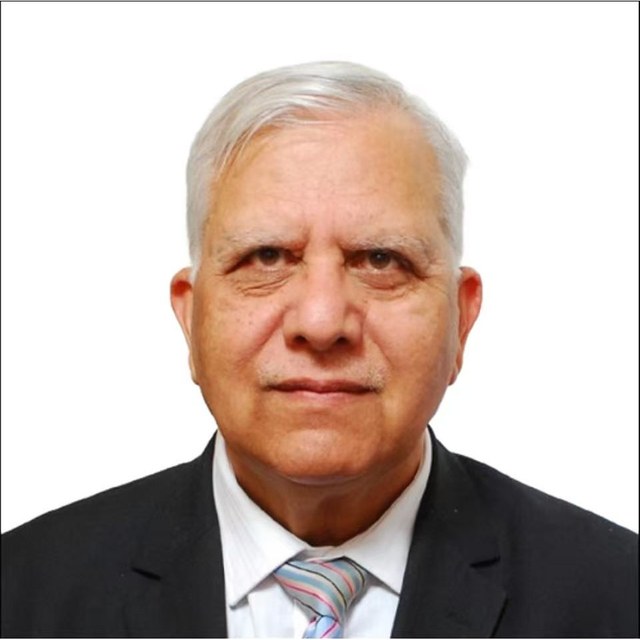
Zamir Ahmed Awan is the founder and Chair of the Global Silk Route Research Alliance, a think tank in Islamabad. He studied engineering at Shanghai University in the 1980s, and years later he went back to China as Pakistan's science counsellor in Beijing, from 2010 until 2016, working on science and higher education cooperation between the two countries.…