Pakistan-India: More Than A Footnote 巴基斯坦-印度:不仅仅是一个脚注
Wire desk byline Sourced from Xinhua, Dawn, Arab News, Anadolu and Minute Mirror. Translated and abridged by the GSRRA Desk.

(下边有中文翻译请继续看到底。 谢谢。)
After the four-day war between Pakistan and India, the emerging diplomatic mosaic reveals an evolving global order that is multipolar, dialogue-driven, and deeply skeptical of adventurism.

The recent escalation between India and Pakistan, culminating in what many call a major regional crisis, has emerged as a pivotal moment in South Asian history. But rather than spiraling into a prolonged conflict or nuclear catastrophe, this chapter has revealed a new regional dynamic marked by Pakistan’s maturity, resilience, and strategic depth. Beyond the battlefield, Pakistan’s diplomatic finesse and political poise have gained global recognition. This moment must now serve as a turning point—not just in the trajectory of Pakistan-India relations, but in the collective journey of this region toward lasting peace, justice, and shared prosperity.
The recent India-Pakistan conflict will be remembered for its military engagements and profound strategic implications. Despite provocative actions by India, including false flag operations and cross-border violations, Pakistan exercised remarkable restraint. Its leadership responded not with reckless retaliation but with calculated firmness, showcasing military readiness and diplomatic responsibility. The fact that the situation did not escalate into a nuclear exchange is a testament to Pakistan’s mature statecraft.
This restraint, however, should not be misunderstood as weakness. On the contrary, it underlined confidence grounded in military preparedness and international support. Pakistan’s armed forces demonstrated superior tactical planning and rapid response capabilities, establishing credibility in deterrence. When challenged, Pakistan acted decisively—but always within the bounds of international law and proportionality.
What truly set Pakistan apart during this crisis was its diplomatic performance. While India’s aggressive posture isolated it from many of its traditional allies, Pakistan’s reasoned, humane, and composed outreach to the international community earned admiration and trust. Pakistan’s diplomatic channels were active, agile, and effective from Beijing to Ankara, from Moscow to the Gulf states. Even in Western capitals, where Islamabad has often struggled to be heard, a fresh narrative highlighted Pakistan as a stabilizing force, not a spoiler.
This diplomatic victory was not spontaneous. It stemmed from years of quiet engagement, people-to-people dialogue, and multilateral cooperation. Pakistan’s growing participation in forums like the Shanghai Cooperation Organization (SCO), its expanding role in China’s Belt and Road Initiative (BRI), and its closer alignment with the Global South had already positioned it as a responsible regional actor. The 2025 crisis merely allowed the world to see what Pakistan had been working towards: a foreign policy grounded in peace, regional integration, and mutual respect.
While diplomacy stole the limelight, Pakistan’s military response was equally decisive. In just days, Pakistan neutralized key threats, defended its airspace, and preempted further escalation. With precision and professionalism, the armed forces sent a clear signal: Pakistan’s defenses are strong, its resolve unwavering, and its doctrine credible. The conventional superiority India had long assumed over Pakistan was challenged and neutralized. The concept of strategic parity has now been visibly reinforced.
Moreover, Pakistan’s military leadership worked hand-in-hand with civilian authorities, ensuring transparency and public confidence. The armed forces refrained from excessive rhetoric, allowing actions and outcomes to speak. That discipline and coordination speak volumes about the institution’s professionalism and strategic clarity.
Towards a New Regional Order
The international response to the conflict underscored a shift in global geopolitics. The world is no longer willing to accept unilateral aggression or be swayed by biased narratives. The post-colonial Global South has grown increasingly assertive about fairness, justice, and sovereignty. In this environment, Pakistan’s stand resonated deeply.
China played a key stabilizing role. Russia echoed similar sentiments, advocating restraint and negotiation. The Organization of Islamic Cooperation (OIC) strongly backed Pakistan’s position, while the United Nations called for dialogue and de-escalation. Even the United States, traditionally closer to India, acknowledged Pakistan’s role in averting a broader catastrophe.
This diplomatic mosaic reveals a multipolar, dialogue-driven, evolving global order and is deeply skeptical of adventurism. Pakistan stands well-positioned in this new paradigm.
While this chapter may be a diplomatic and strategic success for Pakistan, the goal remains peace, not conflict. However, the recent episode should now inspire a regional awakening.
India must rethink its trajectory. Its militarized nationalism and hegemonic ambitions are destabilizing and self-defeating. Peace with Pakistan is not a favor to Islamabad but is necessary for New Delhi’s development. South Asia, home to nearly two billion people, cannot afford perpetual hostilities.
Pakistan, for its part, stands ready for dialogue. Its victories in this conflict should not be seen as an end but as leverage for a new beginning—a chance to revive composite talks and revisit long-frozen issues like Kashmir, water-sharing, and trade. Only through mutual recognition and respect can South Asia realize its true potential.
The May 2025 war between Pakistan and India demonstrated that the future battlefield belongs to those who command technological supremacy.
A Call for Transformative Military Modernization
The decisive factor in the May 2025 Pakistan-India war was not merely conventional firepower, but the effective deployment of advanced technology. The conflict marked a watershed moment in regional military history, underscoring the dominance of Artificial Intelligence (AI), Information Technology (IT), advanced communication systems, surveillance tools, cyber warfare capabilities, and unmanned systems in modern warfare. The future of armed conflict will increasingly be shaped not by numerical strength or traditional combat alone, but by technological superiority and intellectual agility.
Recognizing this paradigm shift, Pakistan must prioritize transforming its armed forces through aggressive modernization and technological integration. The focus must be twofold: first, equipping all branches of the military with cutting-edge tools for modern and cyber warfare; and second, cultivating a specialized cadre of highly educated intellectuals—engineers, scientists, researchers, and strategic thinkers—dedicated to developing and mastering next-generation war tactics and technologies.
To achieve this, Pakistan should consider establishing a dedicated “Strategic Innovation and Technology Corps” (SITC) within the armed forces. This elite unit would be responsible for conducting research, designing indigenous technologies, simulating future war scenarios, and developing AI-driven combat systems. Officers and personnel in this stream should be selected based on intellectual merit, technical acumen, and creativity. Their career progression must follow a distinct path, with promotion criteria based on research output, patents, innovations, and contributions to defense modernization—akin to how the Army Medical Corps follows a different promotional structure than combat arms like Infantry or Armoured Corps.
Furthermore, special allowances, fellowships, foreign training opportunities, and fast-track promotions must be introduced to incentivize excellence and attract top talent from academia and the private sector. Young officers should be encouraged and rewarded for pursuing advanced degrees in strategic technologies, cybersecurity, AI, robotics, quantum computing, and other emerging fields critical to national defense.
In parallel, institutional reforms are required to support this intellectual and technological renaissance. This includes drafting a new framework of service rules and organizational regulations tailored to the unique needs and functions of the technology-driven stream. Strong collaboration between military institutions, universities, think tanks, and defense industries should also be institutionalized through strategic partnerships.
The May 2025 war demonstrated that the future battlefield belongs to those who command technological supremacy. If Pakistan aspires to maintain credible deterrence and secure its national interests in an increasingly complex security environment, it must embrace a revolutionary vision for military modernization—one driven not just by machines but by minds. The time to act is now.
A Turning Point
Let this moment be more than a footnote in history. Let it be a turning point—not just in Pakistan-India relations, but in the story of a region yearning for dignity, development, and peace. Pakistan has shown what responsible leadership looks like. It has won battles, yes—but more importantly, it has won hearts, minds, and trust.
The challenge now is to translate this success into lasting stability. With maturity, vision, and courage, Pakistan can lead South Asia towards a better future.
在巴基斯坦和印度之间为期四天的战争之后,新兴的外交马赛克揭示了一个不断发展的全球秩序,它是多极的,对话驱动的,对冒险主义深表怀疑。
最近印度和巴基斯坦之间的冲突升级,最终导致了许多人所说的重大地区危机,成为南亚历史上的关键时刻。但是,这一章并没有陷入一场旷日持久的冲突或核灾难,而是揭示了一种以巴基斯坦的成熟、韧性和战略深度为标志的新的地区动态。在战场之外,巴基斯坦的外交手腕和政治平衡赢得了全球的认可。现在,这一时刻必须成为一个转折点——不仅是在巴印关系的发展轨迹上,而且是在本地区走向持久和平、正义和共同繁荣的集体旅程上。
最近的印巴冲突将因其军事接触和深刻的战略影响而被铭记。尽管印度采取了挑衅行动,包括假旗行动和越界侵犯,但巴基斯坦表现出了显著的克制。其领导层的回应不是不计后果的报复,而是经过深思熟虑的坚定态度,展示了军事准备和外交责任。局势没有升级为核交火,这一事实证明了巴基斯坦成熟的治国方术。
然而,这种克制不应被误解为软弱。相反,它强调了建立在军事准备和国际支持基础上的信心。巴基斯坦武装部队展示了卓越的战术规划和快速反应能力,建立了威慑的可信度。当受到挑战时,巴基斯坦果断采取行动——但总是在国际法和相称性的范围内。
在这场危机中,真正让巴基斯坦与众不同的是它的外交表现。当印度咄咄逼人的姿态使其与许多传统盟友隔绝时,巴基斯坦理性、人道和沉着地向国际社会伸出援手赢得了钦佩和信任。从北京到安卡拉,从莫斯科到海湾国家,巴基斯坦的外交渠道活跃、灵活、有效。即使是在西方国家的首都,巴基斯坦的声音经常难以被听到,一种新的叙述也强调了巴基斯坦是一股稳定力量,而不是破坏者。
这一外交胜利并非偶然。它源于多年来的静悄悄接触、民间对话和多边合作。巴基斯坦越来越多地参与上海合作组织(SCO)等论坛,在中国“一带一路”倡议(BRI)中发挥越来越大的作用,以及与全球南方国家更密切的联系,已经使其成为负责任的地区参与者。2025年的危机只是让世界看到了巴基斯坦一直在努力的方向:建立在和平、区域一体化和相互尊重基础上的外交政策。
尽管外交行动抢尽了风头,但巴基斯坦的军事反应同样果断。在短短几天内,巴基斯坦消除了主要威胁,捍卫了自己的领空,并先发制人地阻止了事态进一步升级。以精确和专业,武装部队发出了一个明确的信号:巴基斯坦的防御是强大的,它的决心坚定不移,它的学说是可信的。印度长期以来对巴基斯坦的传统优势受到了挑战和削弱。战略均势的概念现在得到了明显加强。
此外,巴基斯坦军方领导层与文职当局携手合作,确保了透明度和公众信心。军队避免过多的言辞,让行动和结果说话。这种纪律和协调充分说明了该机构的专业性和战略清晰度。
迈向新的区域秩序
国际社会对这场冲突的反应凸显了全球地缘政治的转变。世界不再愿意接受单边侵略,也不再愿意为偏见言论所左右。后殖民时代的全球南方国家在公平、正义和主权问题上越来越自信。在这种环境下,巴基斯坦的立场引起了深刻的共鸣。
中国发挥了关键的稳定作用。俄罗斯也表达了类似的看法,主张克制和谈判。伊斯兰合作组织(OIC)强烈支持巴基斯坦的立场,而联合国则呼吁进行对话并缓和紧张局势。即使是传统上与印度关系更密切的美国,也承认巴基斯坦在避免更大范围灾难方面所起的作用。
这幅外交拼图揭示了一个多极、对话驱动、不断演变的全球秩序,并对冒险主义深表怀疑。巴基斯坦在这种新模式中处于有利地位。
虽然这一章可能是巴基斯坦外交和战略上的成功,但目标仍然是和平,而不是冲突。然而,最近的事件现在应该激发了该地区的觉醒。
印度必须重新思考其发展轨迹。它的军事化民族主义和霸权野心正在破坏稳定和弄巧成拙。与巴基斯坦的和平不是对伊斯兰堡的恩惠,而是新德里发展的必要条件。拥有近20亿人口的南亚承受不起持久的敌对行动。
巴基斯坦方面随时准备进行对话。它在这场冲突中的胜利不应被视为一个结束,而应被视为一个新的开始的杠杆——一个恢复综合谈判和重新讨论长期冻结的问题,如克什米尔、水资源共享和贸易的机会。只有相互承认和尊重,南亚才能真正发挥潜力。
2025年5月巴基斯坦和印度之间的战争表明,未来的战场属于掌握技术优势的人。
呼吁军事现代化转型
在2025年5月的巴印战争中,决定性因素不仅仅是常规火力,而是先进技术的有效部署。这场冲突标志着地区军事史上的分水岭时刻,突显了人工智能(AI)、信息技术(IT)、先进通信系统、监视工具、网络战能力和无人系统在现代战争中的主导地位。未来的武装冲突将越来越多地不是由数量优势或传统战斗决定,而是由技术优势和智力敏捷决定。
认识到这种模式的转变,巴基斯坦必须优先考虑通过积极的现代化和技术整合来改造其武装部队。重点必须是双重的:首先,为军队的所有部门配备现代化和网络战争的尖端工具;第二,培养一支由受过高等教育的知识分子——工程师、科学家、研究人员和战略思想家——组成的专业干部队伍,致力于开发和掌握下一代战争战术和技术。
为了实现这一目标,巴基斯坦应该考虑在武装部队中建立一个专门的“战略创新和技术兵团”(SITC)。这支精锐部队将负责进行研究,设计本土技术,模拟未来战争场景,并开发人工智能驱动的战斗系统。这方面的官员和人员应该根据智力、技术敏锐度和创造力来选择。他们的职业发展必须遵循一条独特的道路,其晋升标准基于研究成果、专利、创新和对国防现代化的贡献——类似于陆军医疗队遵循与步兵或装甲部队等战斗部队不同的晋升结构。
此外,必须引入特别津贴、奖学金、外国培训机会和快速晋升,以激励优秀人才,并吸引学术界和私营部门的顶尖人才。应该鼓励和奖励年轻军官在战略技术、网络安全、人工智能、机器人、量子计算和其他对国防至关重要的新兴领域攻读高等学位。
与此同时,需要进行制度改革,以支持这种智力和技术复兴。这包括为技术驱动流的独特需求和功能量身定制新的服务规则和组织规则框架。通过战略伙伴关系,加强军事机构、大学、智库和国防工业之间的合作。
2025年5月的战争表明,未来的战场属于掌握技术优势的人。如果巴基斯坦渴望在日益复杂的安全环境中保持可靠的威慑力并确保其国家利益,它必须拥抱军事现代化的革命性愿景——不仅仅是由机器驱动,而是由思想驱动。现在是行动的时候了。
转折点
让这一刻不只是历史的一个注脚。让它成为一个转折点——不仅是巴印关系的转折点,而且是一个渴望尊严、发展与和平的地区的转折点。巴基斯坦展现了负责任的领导。它赢得了战斗,是的,但更重要的是,它赢得了人心,思想和信任。
现在的挑战是将这一成功转化为持久的稳定。凭借成熟、远见和勇气,巴基斯坦可以领导南亚走向更美好的未来。
( 注意: 本文是用AI翻译的,或有误差。请以原版英文为准。谢谢。)
Reference Link:- https://southasia.com.pk/2025/06/28/more-than-a-footnote/
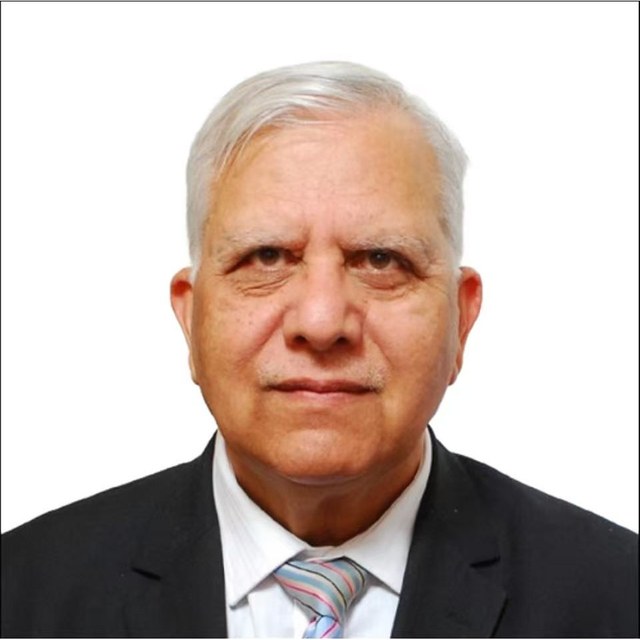
Zamir Ahmed Awan is the founder and Chair of the Global Silk Route Research Alliance, a think tank in Islamabad. He studied engineering at Shanghai University in the 1980s, and years later he went back to China as Pakistan's science counsellor in Beijing, from 2010 until 2016, working on science and higher education cooperation between the two countries.…