


The arrival of the Ada-class corvette—a modern, stealthy surface combatant designed for anti-submarine warfare and patrol missions—is seen as a symbolic gesture of solidarity between Türkiye and Pakistan, further tightening a defence alliance that has steadily grown in scope and significance.

(DEFENCE SECURITY ASIA) – As South Asia teeters on the brink of open conflict following the deadly Pahalgam attack in Jammu and Kashmir that left 26 dead, the impending port call of the Turkish Navy’s TCG Buyukada in Karachi from May 4 to 7 is expected to add fuel to an already volatile geopolitical climate.
The arrival of the Ada-class corvette—a modern, stealthy surface combatant designed for anti-submarine warfare and patrol missions—is seen as a symbolic gesture of solidarity between Türkiye and Pakistan, further tightening a defence alliance that has steadily grown in scope and significance.
India, which remains embroiled in a high-stakes security standoff with Pakistan, is likely to view the Turkish warship’s presence with deep suspicion, interpreting it as a subtle signal that Ankara could offer military backing to Islamabad in the event of an escalation along the Line of Control.
Admiral Zeki Akturk, the Turkish Ministry of National Defence’s Public Relations and Media Advisor, confirmed that TCG Buyukada is en route to participate in the Langkawi International Maritime and Aerospace Exhibition (LIMA 2025), with scheduled port stops in Oman and Pakistan.
“In addition to executing various missions and operations, the Turkish Armed Forces continue to conduct training and exercises non-stop to enhance their deterrence, operational readiness, and personnel competency,” the admiral said in a statement highlighting Ankara’s sustained regional presence.
TCG Büyükada (F-512) is the second vessel in the Ada-class of anti-submarine warfare (ASW) corvettes operated by the Turkish Navy.
The ship is named after Büyükada Island, part of the Princes’ Islands archipelago located in the Sea of Marmara, southeast of Istanbul.
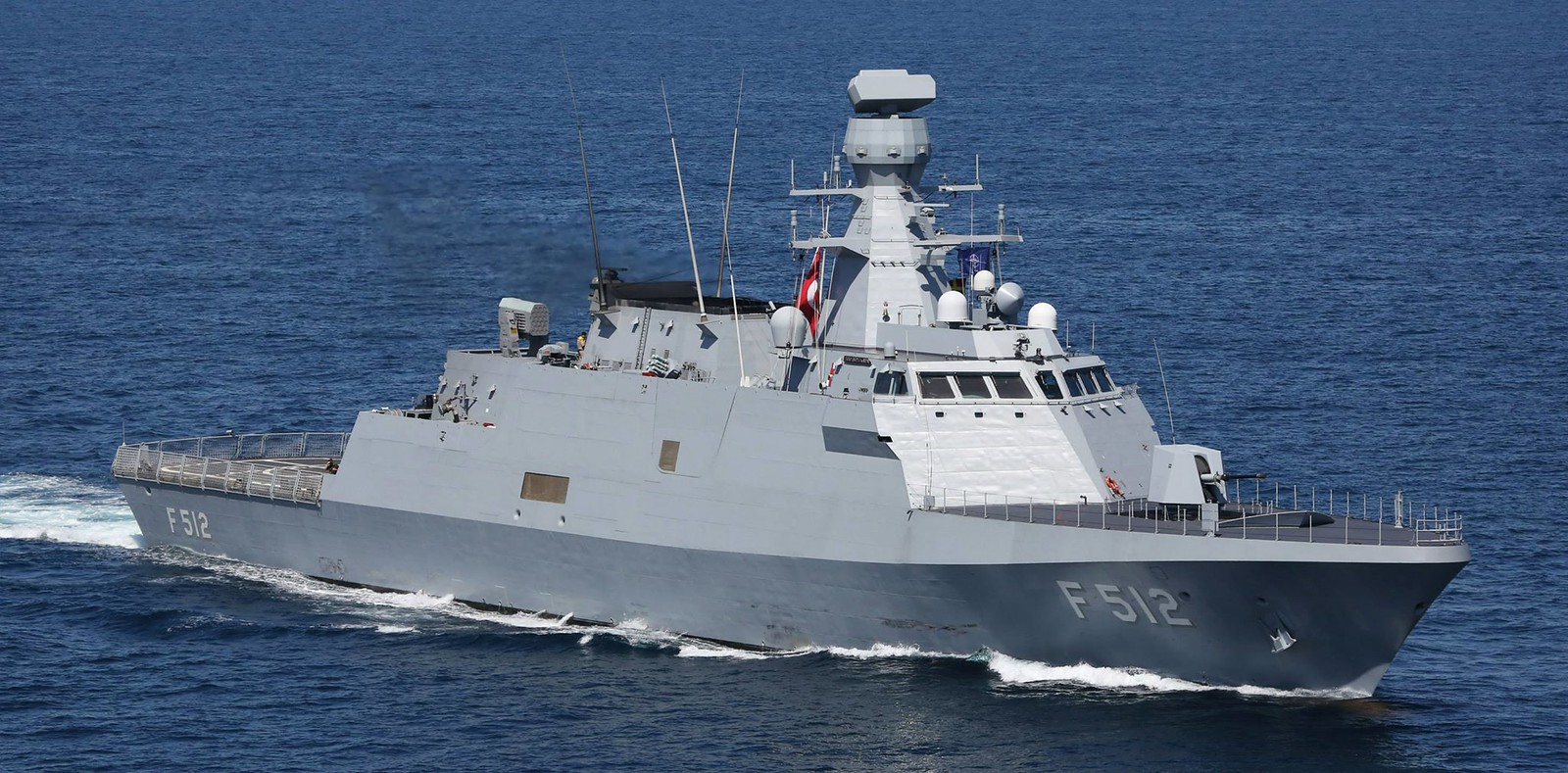
Designed, developed, and constructed by the Tuzla Naval Shipyard in Istanbul as part of Türkiye’s indigenous MILGEM warship program, Büyükada was laid down on 22 January 2008, launched on 27 September 2011, and officially commissioned into service on 27 September 2013.
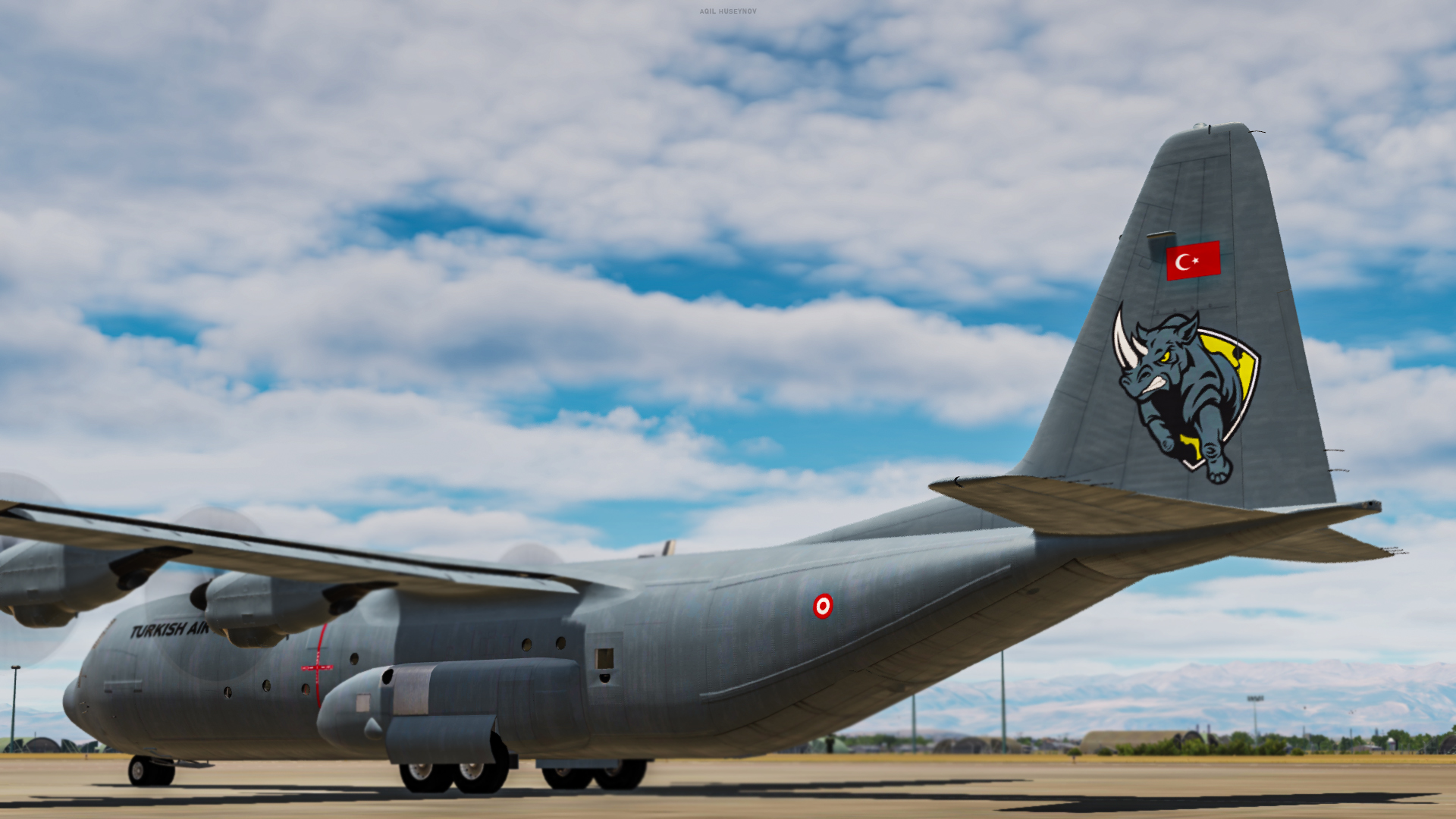
The deployment of Turkish warship comes just days after the controversial landing of a Turkish Air Force C-130E military transport aircraft in Karachi, which ignited a storm of speculation on social media about a possible clandestine arms delivery to Pakistan amid the heightening regional crisis.
Citing open-source flight tracking data and OSINT sources, several reports claimed that the aircraft, a Hercules C-130E, had flown across the Arabian Sea on April 28 and landed in Pakistan, with some suggesting it carried undisclosed military cargo.
Amplifying concerns, Indian media outlets alleged that as many as six Turkish C-130E aircraft may have landed in Pakistan within the same timeframe, triggering widespread alarm across social media platform X, where Indian defence analysts, academics, and geopolitical commentators raised questions about Ankara’s intentions.
In response, Türkiye’s Presidential Directorate of Communications firmly dismissed the allegations, urging caution against speculative reporting not based on official statements.
“A Turkish cargo plane landed in Pakistan for refueling purposes and then continued its scheduled flight. Speculative news that does not originate from official authorities or institutions should not be taken seriously,” the statement clarified, aiming to quell regional anxieties.
Reference Link:- https://defencesecurityasia.com/en/turkish-warship-docks-in-karachi-ankara-islamabad-tighten-military-axis-amid-india-pakistan-standoff/