

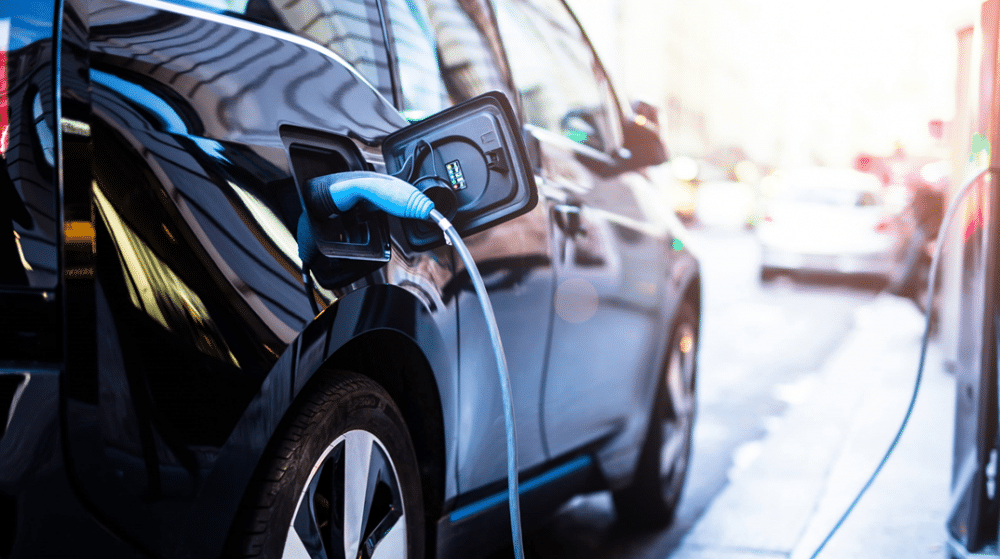
The federal government has prepared the first draft of the New Energy Vehicle (NEV) Policy 2025-2030 aimed at accelerating the adoption of electric vehicles (EVs) in Pakistan.
The draft has been developed through comprehensive consultations with stakeholders, including EV manufacturers, and provincial representatives.
Objectives of the NEV Policy
- The policy aims to cut down on greenhouse gas emissions and improve air quality, aligning with Pakistan’s environmental goals and global climate commitments.
- Encouraging the transition from conventional fuel vehicles to NEVS to build a cleaner and greener transportation system.
- Supporting local NEV manufacturing, creating jobs and reducing reliance on imported fuels, which will strengthen energy security and benefit the economy.
Policy Highlights and Incentives
- An allocation of Rs. 4 billion was made in Federal Budget 2024-25 for demand incentivization scheme of electric 2 and 3 wheelers. The financing scheme offers subsidies of Rs. 50,000 for two-wheelers and Rs. 200,000 for three-wheelers to lower upfront costs for consumers.
- The scheme will be launched with 3percent KIBOR which to be borne by the government. Thereby the consumer will be paying only the instalment over a span of two years with monthly payment approximately Rs. 9,000 per month which will be even lesser than the saving from fuel consumption. Credit Loss Guarantee is also parked at Finance Division and is not borne by the ministry or the consumer.
- Taking the leverage out of reduction of policy rate to 15 percent, the government will encourage banks to incentivize and facilitate consumer banking for the consumer who are interested to shit to EVs.
- The government is also plan to facilitate establishment of EV infrastructure to address consumer anxiety. In the first phase, the government has prepared a plan to install EV stations along motorways from Peshawar to Karachi. 40 sites with distance of 120 KM have already identified and finalized.
- To further boost the use of EVs, 120 high achiever students will be given free bikes/scooties based on a bidding process.
- The ministry of Industries and Production through CPPA and Power Ministry are devising special power rates, keeping in mind that EV infrastructure could get the value return on investment at 22 percent within three years, along-with the consumer will be getting the return of shifting to EVs in some same years. The government intends to devise rate for EV charging stations at minimum cost rate of Rs. 39.77 per unit.
- Reduced taxes and duties on EV components and imports to make EVs more affordable for consumers and to encourage local assembly and manufacturing.
- Establishment of New Energy Fund and New Energy Vehicle Centre.
- A phased rollout of EV charging stations across major highways, starting with 40 stations, ensuring availability and convenience for EV users.
Benefits for the Public and Economy
- Lower fuel and maintenance costs make NEVs an affordable option in the long run.
- Improved air quality and reduced noise pollution in urban areas due to fewer emissions.
- New opportunities in NEV manufacturing, infrastructure development and maintenance services.
- Tailoring the policy to meet the unique needs of Pakistan’s infrastructure and energy capabilities.
- This would reduce the dependency on import of fuel and slow down the high carbon emissions from vehicles towards cleaner technologies.
The draft policy is currently open for feedback from all stakeholders to ensure inclusivity and effectiveness.
The aim is to increase the EV market share by 30 percent 2,3 and 4 wheelers and to establish 3,000 EV charging stations by 2030.
Reference Link:- https://propakistani.pk/2024/11/20/govt-to-offer-subsidies-easy-installments-under-new-ev-policy/