
UK threatens to expel Israeli diplomats over planned East Jerusalem consulate closure

Tit-for-tat expulsions expected after relations deteriorate as a result of UK ban on goods from illegal settlements
The UK has threatened to expel one Israeli diplomat for every British diplomat forced to leave Israel as a result of Israel’s decision to close the UK consulate in East Jerusalem later this week.
This could mean as many as 27 Israeli diplomats being expelled from the UK, a step that would arguably mark the lowest point in British-Israeli diplomatic relations since the formation of the state of Israel.
The mass expulsion threat – more reminiscent of British-Russian diplomatic relations – was first reported by the Israeli newspaper Ynet, citing a message sent to Israeli officials. The UK Foreign Office said it would not comment on speculation, rather than denying the report outright.
Israel has threatened to close the UK consulate in East Jerusalem in protest at the UK decision to ban trade in goods from illegal Israeli settlements in the occupied West Bank and to impose sanctions on British firms that aid, support or facilitate the construction of further illegal settlements.

The Foreign Office has been advised informally by the former UK attorney general Dominic Grieve that Israel is acting unlawfully if it closes the consulate on the basis it is sited in East Jerusalem, which is recognised by the United Nations and most of its members, including the UK, as being occupied Palestinian territory.
Israel’s foreign minister, Gideon Sa’ar, has said that Britain’s decision to impose sanctions was “morally distorted” and accused Britain’s ruling Labour party of being hostile towards the country.
The consulate, which Israel’s foreign ministry has said will close on Thursday, is separate from the UK embassy based in Tel Aviv and has a distinct diplomatic role, covering East Jerusalem, the rest of the West Bank and Gaza. It is located in the Sheikh Jarrah neighbourhood of East Jerusalem.
An Israeli diplomatic source said: “There is no reason for us to respond to speculation about decisions that other countries may or may not take in the future.
“We have already demonstrated that any step taken against Israel will be met with an appropriate response, and that will continue to be the case.”
The UK national security adviser, Jonathan Powell, travelled to Jerusalem last week in an effort to persuade the Israeli government to rescind or defer the closure of the consulate, but the talks failed.
It has been reported that Powell opposed the decision of the UK foreign secretary, Ed Miliband, to press ahead with the settlement trade ban decision, fearing that it might play to the advantage of the Israeli prime minister, Benjamin Netanyahu, in the national election on 27 October as he seeks to bolster his case that only his brand of leadership can bring Israel security. There is no evidence yet that the UK decision has featured in the campaign, but tit-for-tat expulsions of diplomats may raise its profile.
The incident highlighted growing frustration among Israel’s longtime allies over its settlements in the occupied West Bank, viewed by much of the world as illegal under international law. In his statement to the UK parliament, Miliband said settler terrorists, supported by Netanyahu’s government, are committing ethnic cleansing in the West Bank. Israel disputes this.
Diplomats from other Western countries have been very worried about the closure setting a precedent, and suggest that Britain had to respond strongly to the Israeli move because it has implications beyond the immediate dispute.
Shutting down the consulate involves Israel claiming authority in Jerusalem that it does not have under international law, so it is effectively a challenge to the status quo.
Reference Link:- https://www.theguardian.com/world/2026/oct/05/uk-threatens-to-expel-israeli-diplomats-after-closing-of-east-jerusalem-consulate
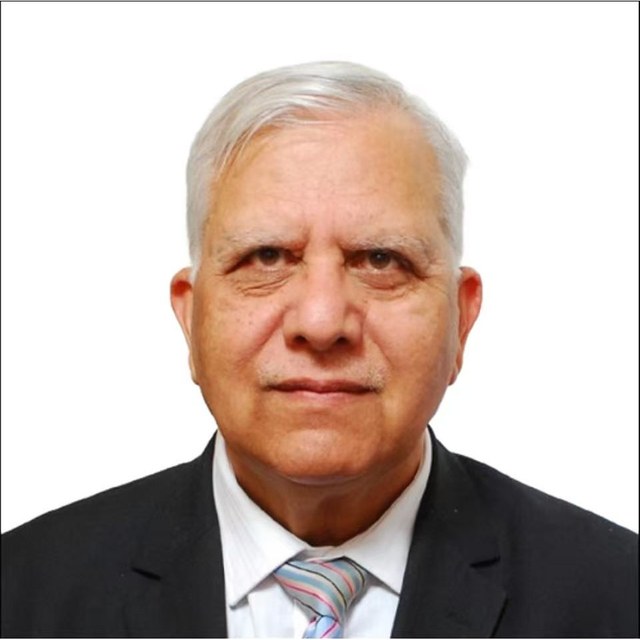
Zamir Ahmed Awan is the founder and Chair of the Global Silk Route Research Alliance, a think tank in Islamabad. He studied engineering at Shanghai University in the 1980s, and years later he went back to China as Pakistan's science counsellor in Beijing, from 2010 until 2016, working on science and higher education cooperation between the two countries.…