Trump–Xi–Putin Summit: A New Path to Peace or Yalta II?

特朗普—习近平—普京峰会:通往和平的新道路,还是“雅尔塔会议第二”?
(下边有中文翻译,请继续看到底。 谢谢。)
The possibility of a meeting among US President Donald Trump, Chinese President Xi Jinping and Russian President Vladimir Putin has opened an important debate about the future of global security. Trump has expressed willingness to discuss nuclear weapons and denuclearisation with his Chinese and Russian counterparts, potentially during the Asia-Pacific Economic Cooperation (APEC) summit in Shenzhen on November 18–19. However, as of October 20, the proposed trilateral meeting remains unconfirmed, with no agreed agenda.
If it takes place, this gathering could become a significant diplomatic moment. Whether it produces meaningful progress, however, will depend on the willingness of the three powers to translate political declarations into practical commitments.
Why the meeting matters
The international security environment is becoming increasingly uncertain. The New START treaty, which limited the strategic nuclear arsenals of the United States and Russia, expired in February 2026. Meanwhile, all three countries are modernising their nuclear capabilities, and strategic mistrust continues to obstruct arms-control negotiations. The Stockholm International Peace Research Institute warns that the weakening of existing agreements increases the danger of a new nuclear arms race.
A direct conversation among Washington, Beijing and Moscow could help restore communication, reduce misunderstandings and establish principles for future negotiations. Even an agreement to resume technical discussions, exchange information or maintain military hotlines would be a useful first step.
The challenge is that China does not consider its nuclear capabilities comparable to those of the United States and Russia. Beijing has therefore argued that asking it to join trilateral disarmament negotiations at this stage would be neither fair nor realistic. Any credible process must acknowledge these differences rather than assume that identical obligations are appropriate for all three countries.
What could the geopolitical achievements be?
The most immediate achievement would be the revival of arms-control diplomacy. The three governments could explore measures to prevent accidental escalation, improve transparency, and reduce the risk of miscalculation. Progress on nuclear security could also create space for cooperation on artificial intelligence, cyber threats, space security and other emerging strategic risks.
A second achievement could be improved relations among the world’s three major powers. Competition would not disappear, but a functioning dialogue could help manage disagreements over trade, technology, regional security and military deployments. Such stability would benefit international markets, energy security and developing economies that suffer when major-power tensions disrupt trade and investment.
The third possibility concerns Ukraine. Russia has indicated interest in discussing the conflict, while Trump has suggested that someone other than Ukrainian President Volodymyr Zelensky should negotiate on Ukraine’s behalf. Any durable settlement, however, must involve Ukraine itself. European countries also have legitimate security interests that cannot simply be set aside. A deal reached without the participation of those directly affected could generate resentment rather than lasting peace.
Is this going to be Yalta II?
The comparison with the Yalta Conference of February 1945 is understandable. US President Franklin D. Roosevelt, British Prime Minister Winston Churchill, and Soviet leader Joseph Stalin discussed the post-war settlement, including Germany, Eastern Europe, and the creation of the United Nations. Their decisions reflected the realities of military power, and subsequent disagreements contributed to the emerging Cold War.
A Trump–Xi–Putin meeting could similarly symbolise the growing influence of major powers over international affairs. Yet calling it “Yalta II” before it happens would be premature. The original conference took place near the end of a world war, when the three Allied leaders were negotiating the post-war order. Today’s strategic environment is different, and China, Russia and the United States do not share a common wartime alliance.
The real danger would arise if the three leaders attempted to negotiate spheres of influence over the heads of other countries. Ukraine cannot be treated as a bargaining asset, just as the interests of European states and countries across the Asia-Pacific cannot be ignored. Global stability requires consultation, respect for sovereignty and credible international institutions—not merely an understanding among powerful capitals.
A test for global leadership
For China, the meeting could offer an opportunity to demonstrate that strategic competition need not prevent cooperation on humanity’s most serious security threats. For the United States and Russia, it could reopen a channel for managing nuclear dangers at a time when existing safeguards have weakened.
The world should welcome serious diplomacy while judging it by its results. A photograph of three leaders together would be symbolically important, but it would not constitute a breakthrough. The real measure of success would be renewed arms-control negotiations, reduced risks of military confrontation and progress towards a just and sustainable peace in Ukraine.
This need not become Yalta
II. It could instead mark the beginning of a more responsible approach to great-power relations—provided that dialogue serves the security of all nations, rather than the ambitions of a few.
特朗普—习近平—普京峰会:通往和平的新道路,还是“雅尔塔会议第二”?
美国总统唐纳德·特朗普、中国国家主席习近平和俄罗斯总统弗拉基米尔·普京可能举行会晤,这一前景引发了国际社会对全球安全未来的重要讨论。特朗普表示愿意与中国和俄罗斯领导人讨论核武器及核裁军问题,三方会晤可能安排在11月18日至19日于深圳举行的亚太经合组织(APEC)峰会期间。然而,截至10月20日,拟议中的三方会晤尚未得到确认,也没有商定具体议程。
如果此次会晤得以举行,它可能成为一个重要的外交时刻。然而,能否取得实质性进展,取决于三大国能否将政治宣示转化为切实可行的承诺。
一、为什么此次会晤至关重要?
当前,国际安全环境正变得日益复杂和不确定。限制美国和俄罗斯战略核武库的《新削减战略武器条约》(New START)已于2026年2月到期。与此同时,三个国家都在推进核力量现代化,战略互信不足继续阻碍军备控制谈判。斯德哥尔摩国际和平研究所警告称,现有协议不断弱化,增加了新一轮核军备竞赛的风险。
华盛顿、北京和莫斯科之间的直接对话,有助于恢复沟通、减少误解,并为未来谈判确立基本原则。即使三方能够就恢复技术性磋商、交换相关信息或维持军事热线达成一致,也将是值得重视的第一步。
挑战在于,中国认为自身核力量的规模和能力与美国、俄罗斯并不处于同一水平。因此,北京一直主张,在当前阶段要求中国参与三方核裁军谈判,既不公平,也不现实。任何可信的谈判进程都必须正视这些差异,而不能想当然地认为三个国家应承担完全相同的义务。
二、可能取得哪些地缘政治成果?
最直接的成果将是推动军备控制外交重回正轨。三国政府可以探讨防止意外冲突升级、提高透明度和降低误判风险的措施。核安全领域取得进展,也可能为人工智能、网络安全、太空安全及其他新兴战略风险领域的合作创造空间。
第二项成果可能是改善世界三大主要力量之间的关系。大国竞争不会因此消失,但建立有效的对话机制,有助于管控贸易、技术、地区安全和军事部署等方面的分歧。这种稳定将有利于国际市场、能源安全以及发展中经济体,因为当大国紧张关系扰乱贸易和投资时,发展中国家往往承受更为沉重的代价。
第三个可能的议题是乌克兰问题。俄罗斯已表示有意讨论这场冲突,而特朗普曾提出,应由乌克兰总统弗拉基米尔·泽连斯基以外的人代表乌克兰进行谈判。然而,任何持久的解决方案都必须有乌克兰自身的参与。欧洲国家也拥有合理的安全关切,这些关切不能被简单搁置。
如果一项协议是在直接受其影响的国家缺席的情况下达成的,它可能引发新的不满,而不是带来持久和平。
三、这会成为“雅尔塔会议第二”吗?
将此次潜在会晤与1945年2月举行的雅尔塔会议相比较,是可以理解的。当时,美国总统富兰克林·D·罗斯福、英国首相温斯顿·丘吉尔和苏联领导人约瑟夫·斯大林讨论了战后安排,包括德国问题、东欧格局以及联合国的建立。他们的决策反映了当时的军事力量对比,而此后不断加深的分歧,则成为新兴冷战格局形成的因素之一。
同样,特朗普—习近平—普京会晤也可能象征着大国对国际事务影响力的进一步上升。然而,在会晤尚未举行之前,就将其称为“雅尔塔会议第二”,未免为时过早。1945年的雅尔塔会议是在世界大战接近尾声时举行的,三位盟国领导人当时正在协商战后国际秩序。今天的战略环境已截然不同,中国、俄罗斯和美国之间也不存在共同的战时同盟关系。
真正的危险在于,如果三国领导人试图绕过其他国家,私下划定各自的势力范围,那么这场会晤就可能产生严重的负面影响。乌克兰不能被当作大国讨价还价的筹码,欧洲国家以及亚太地区各国的利益也不能被忽视。
全球稳定需要各国协商、尊重国家主权并维护可信的国际机构,而不能仅仅依靠几个大国首都之间达成的谅解。
四、对全球领导力的一次考验
对于中国而言,此次会晤可以成为一个契机,向世界表明,战略竞争并不必然阻碍各国在应对人类最严峻的安全威胁方面开展合作。对于美国和俄罗斯而言,在现有安全保障机制不断弱化的背景下,此次会晤也可能重新开启管控核风险的沟通渠道。
国际社会应当欢迎严肃、务实的外交努力,同时以实际成果作为衡量标准。三位领导人同框的照片固然具有象征意义,但它本身并不意味着外交突破。真正的成功,应当体现在恢复军备控制谈判、降低军事对抗风险,以及推动乌克兰实现公正、持久的和平。
这场会晤不必成为“雅尔塔会议第二”。相反,如果对话服务于所有国家的安全,而不是少数大国的利益与野心,它完全有可能成为大国关系走向更加负责任方向的起点。
(注意: 本文是用AI翻译的,或有误差。请以原版英文为准。谢谢。)
Reference Link:- https://thinktank.pk/2026/10/20/trump-xi-putin-summit-a-new-path-to-peace-or-yalta-ii/
Discover more from GSRRA
Subscribe to get the latest posts sent to your email.
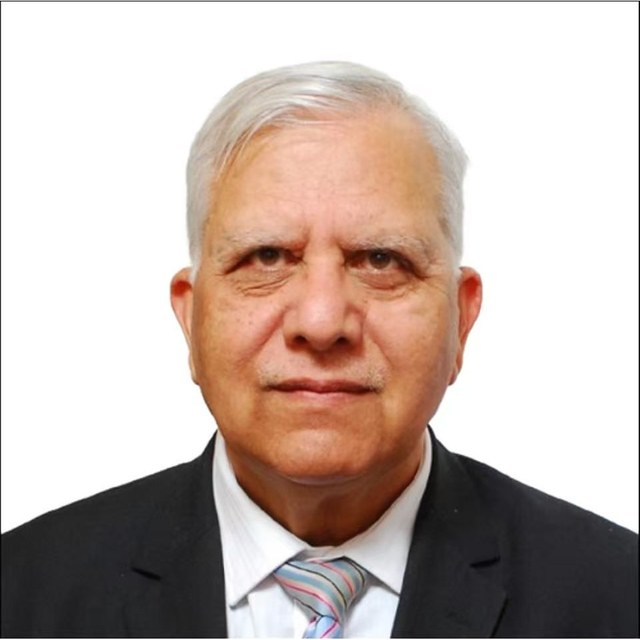
Zamir Ahmed Awan is the founder and Chair of the Global Silk Route Research Alliance, a think tank in Islamabad. He studied engineering at Shanghai University in the 1980s, and years later he went back to China as Pakistan's science counsellor in Beijing, from 2010 until 2016, working on science and higher education cooperation between the two countries.…