
SCO under Pakistan as Chair for the Year 2026–2027. 2026–2027年度主席国为巴基斯坦。
Wire desk byline Sourced from Xinhua, Dawn, Arab News, Anadolu and Minute Mirror. Translated and abridged by the GSRRA Desk.

(下边有中文翻译,请继续看到底。 谢谢。)
The Shanghai Cooperation Organization (SCO) enters a consequential new phase as Pakistan assumes the chairmanship for 2026–27, following the Bishkek summit marking the organization’s 25th anniversary.
The summit adopted the Bishkek Declaration and a broad package of agreements covering security, connectivity, transport, digital cooperation, climate, health and humanitarian affairs. Pakistan’s chairmanship therefore comes at a moment when the SCO is increasingly important to Eurasia’s political stability and economic future.
The SCO is no longer simply a security forum. Its members represent more than 40 percent of humanity and roughly one-quarter of global GDP, giving the organization considerable economic and diplomatic weight. Its greatest potential lies in connecting major economies, energy producers, consumer markets, and strategically located states through infrastructure, trade and people-to-people exchanges.
The Belt and Road Initiative has complemented this objective by helping develop transport, energy and logistical links across Eurasia. China Pakistan Economic Corridor (CPEC), in particular, offers a potential connection between western China, Pakistan, the Arabian Sea and wider SCO markets.
Pakistan is well positioned to turn this geographical advantage into practical diplomacy. Its location at the intersection of South Asia, Central Asia, China and the Middle East makes it a natural bridge for Eurasian connectivity. Pakistan has already emphasized transport links, trade, poverty alleviation, youth empowerment and economic cooperation within the SCO.
Its record demonstrates that this is not an entirely new responsibility. Pakistan hosted the SCO Council of Heads of Government in Islamabad in October 2024, while its initiatives helped advance cooperation on connectivity and poverty reduction.
It is also the permanent chair of the SCO Special Working Group on Poverty Alleviation and has chaired the SCO Regional Anti-Terrorist Structure during 2025–26. These experiences provide Islamabad with institutional knowledge and credibility as it assumes the broader chairmanship.
Pakistan should use the coming year to make the SCO more practical rather than merely more declaratory. Trade facilitation, customs modernization, transport corridors, digital connectivity, food security, energy cooperation and tourism deserve particular attention.
The proposed SCO Development Bank could eventually provide another mechanism for financing regional infrastructure, although negotiations remain ongoing rather than completed.
The SCO also has an important role in the evolution of global governance. Its strength is its diversity: China, Russia, India, Pakistan, Iran, Central Asian states and Belarus bring different political systems, economic structures and strategic interests to the same table.
This makes the organization a useful example of dialogue among diverse states rather than ideological uniformity.
For an equitable multipolar order, major powers must demonstrate respect for international law, sovereignty and the UN Charter. The Bishkek Declaration’s reaffirmation of international law and the UN’s central role is therefore significant. China has consistently advocated multilateralism, development and greater representation for the Global South.
Its growing economic role gives these ideas considerable practical influence, although—as with every major power its international conduct should continue to be assessed against universal legal standards rather than political alignment.
Pakistan can contribute an important middle-power perspective. Its support for multilateralism, peaceful dispute resolution and a stronger UN role fits naturally with the SCO’s emphasis on dialogue and consensus. Pakistan has previously advocated a multipolar world grounded in multilateralism and highlighted the UN’s coordinating role.
The ultimate test of Pakistan’s chairmanship, however, will be whether the SCO’s principles translate into tangible improvements in people’s lives. Islamabad should therefore prioritize economic corridors over geopolitical confrontation, connectivity over isolation, and development over zero-sum competition.
The 2027 SCO summit in Islamabad will be the centerpiece of Pakistan’s tenure. It provides Pakistan with an opportunity to demonstrate that its strategic geography can become an economic asset for the entire region.
If Pakistan combines diplomatic bridge-building with practical initiatives in trade, security, connectivity, and poverty reduction, its chairmanship can strengthen not only the SCO but also the wider cause of a more balanced, connected, and prosperous Eurasia.
2026–2027年度主席国为巴基斯坦。
上海合作组织(SCO)在2026至2027年巴基斯坦担任主席国之际,进入了一个具有重要意义的新阶段,此前该组织迎来了成立25周年纪念的比什凯克峰会。
此次峰会通过了《比什凯克宣言》,以及涵盖安全、互联互通、交通、数字合作、气候、卫生和人道主义事务等领域的广泛协议。因此,巴基斯坦担任主席国正值SCO对欧亚地区政治稳定与经济未来日益重要之时。
上海合作组织已不再仅仅是一个安全论坛。其成员国代表了全球40%以上的人口和约全球GDP的四分之一,使该组织在经济和外交层面拥有重大影响力。其最大潜力在于通过基础设施、贸易和人文交流,连接主要经济体、能源生产国、消费市场以及战略要地国家。
“一带一路”倡议进一步补充了这一目标,助力构建贯穿欧亚的交通、能源和物流网络。特别是中国—巴基斯坦经济走廊(CPEC)为连接中国西部、巴基斯坦、阿拉伯海以及更广泛的上海合作组织(SCO)市场提供了潜在可能。
巴基斯坦地理位置优越,地处南亚、中亚、中国与中东的交汇点,是欧亚互联互通的天然桥梁。巴基斯坦已积极强调交通基础设施、贸易、减贫、青年赋权以及区域经济合作等议题,推动了SCO内部的合作发展。
其过往经验表明,这并非一项全新的责任。2024年10月,巴基斯坦在伊斯兰堡主办了SCO各国元首理事会会议,其举措也有力促进了互联互通和减贫合作的推进。
此外,巴基斯坦还担任了SCO减贫特别工作组的常任主席,并于2025至2026年间主持了SCO地区反恐结构工作。这些经历使伊斯兰堡在承担更广泛领导职责时,具备了制度化经验和可信度。
巴基斯坦应利用即将到来的一年时间,让SCO从更多地停留在宣言层面,转向更具实际操作性的合作模式。贸易便利化、海关现代化、交通走廊、数字互联、粮食安全、能源合作和旅游业值得特别关注。
拟议的上海合作组织发展银行有望为区域基础设施融资提供另一种机制,尽管相关谈判仍在进行中,尚未完成。
上海合作组织在推动全球治理演进方面也发挥着重要作用。其优势在于多样性:中国、俄罗斯、印度、巴基斯坦、伊朗、中亚国家以及白俄罗斯共同参与,带来了不同的政治体制、经济结构和战略利益。
这使得该组织成为不同国家间对话的有益范例,而非意识形态上的同质化。
要建立一个公平的多极格局,大国必须体现出对国际法、主权和《联合国宪章》的尊重。因此,比什凯克宣言重申国际法以及联合国的核心作用具有重要意义。中国一贯倡导多边主义、发展道路,并支持发展中国家获得更大代表权。
其日益增长的经济影响力使这些理念具有相当的实际作用,尽管与所有大国一样,其国际行为仍应依据普遍法律标准进行评估,而非仅以政治立场为衡量标准。
巴基斯坦可以提供重要的中等强国视角。其支持多边主义、和平解决争端以及加强联合国作用,与上海合作组织(SCO)强调对话与共识的理念高度契合。巴基斯坦此前一直倡导建立在多边主义基础上的多极世界,并强调联合国在协调方面的关键作用。
然而,巴基斯坦担任主席国的最终考验在于,SCO的原则能否转化为人民生活中的切实改善。因此,伊斯兰堡应优先考虑经济走廊建设,而非地缘政治对抗;注重互联互通,而非孤立;追求发展,而非零和竞争。
2027年在伊斯兰堡举行的上海合作组织峰会将成为巴基斯坦任期内的核心活动,为巴基斯坦提供了展示其战略地理如何成为整个地区经济资产的良机。
如果巴基斯坦在外交建桥的同时,积极采取贸易、安全、互联互通和减贫等方面的务实举措,其担任主席国的角色不仅能够加强上合组织,还能推动更平衡、更紧密、更繁荣的欧亚大陆这一更广泛的目标。
(注意: 本文是用AI翻译的,或有误差。请以原版英文为准。谢谢。)
Reference Link:- https://worldtribunepak.com/sco-under-pakistan-as-chair-for-the-year-2026-2027/
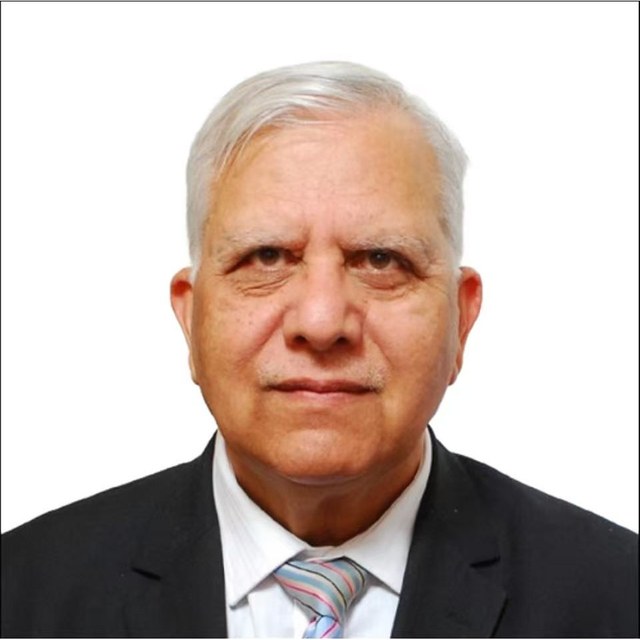
Zamir Ahmed Awan is the founder and Chair of the Global Silk Route Research Alliance, a think tank in Islamabad. He studied engineering at Shanghai University in the 1980s, and years later he went back to China as Pakistan's science counsellor in Beijing, from 2010 until 2016, working on science and higher education cooperation between the two countries.…




The previous chairmanship only works if regional tensions decrease significantly. My personal experience shows that political instability often complicates these ambitious plans. This shift requires careful navigation of local dynamics.