Remembering Chairman Mao Zedong: A Revolutionary Who Helped Shape Modern China.
Source Xinhua, Dawn, Arab News, Anadolu and Minute Mirror

纪念毛泽东主席:一位塑造现代中国的革命家
(下边有中文翻译,请继续看到底。 谢谢。)
As China marks the 50th anniversary of Chairman Mao Zedong’s death, it is appropriate to reflect on the life and historical contribution of a leader whose influence remains deeply embedded in the country’s political identity. Mao was a revolutionary, statesman, and principal founder of the People’s Republic of China. His legacy is complex, but his role in ending national fragmentation, restoring sovereignty, and establishing the foundations of the modern Chinese state remains significant.
Mao was born on December 26, 1893, in Shaoshan, Hunan Province, into a rural family. He grew up during a difficult period when China faced internal weakness, foreign intervention, unequal treaties, warlordism, and Japanese aggression. These conditions shaped his political outlook and strengthened his determination to end national humiliation and improve the condition of ordinary people.
Mao became involved in the early Communist movement and attended the First National Congress of the Communist Party of China in 1921. Over time, he developed a revolutionary strategy that placed considerable emphasis on the rural population. His understanding of China’s social structure, combined with guerrilla warfare and political organization, helped the Communist movement survive difficult circumstances and expand its influence.
The Long March of 1934–35 became one of the defining episodes of the Chinese Revolution. Although it involved immense hardship and loss, it strengthened Communist organization and helped establish Mao’s leadership. During the War of Resistance Against Japanese Aggression, Communist forces contributed to resistance through guerrilla operations and rural mobilization. The broader struggle against Japan involved many Chinese forces, but the period strengthened the Communist Party’s popular support and organizational capacity.
Following Japan’s defeat in 1945, the Chinese Communist Party and the Nationalist Party resumed their civil war. The Communist victory led to the establishment of the People’s Republic of China on October 1, 1949, when Mao proclaimed the new state in Beijing. The event ended decades of political fragmentation and created a new central authority over mainland China. It also marked the beginning of Mao’s transformation from revolutionary commander into national state-builder.
The tasks after 1949 were enormous. China needed functioning ministries, administrative departments, legal institutions, economic planning mechanisms, public services and national defence structures. Under Mao’s leadership, the new government consolidated state authority, restored order in many areas and pursued national unity. The government also sought to reduce the influence of foreign powers and establish China as an independent actor in international affairs.
One of Mao’s major achievements was the establishment of an industrial base in a country that had been economically weak and heavily damaged by war. Investment was directed towards coal, steel, machinery, energy, transport, chemicals and defence industries. These developments did not immediately make China prosperous, but they created productive and institutional foundations that later governments were able to expand through reform and opening.
Education and public health also received greater attention. Literacy improved substantially over the decades following 1949, while vaccination campaigns and epidemic-prevention institutions expanded. Basic medical services became more accessible in many rural areas. The government promoted mass education, technical training and scientific development, helping to create human resources for later modernization.
Mao-era reforms also changed the legal and social position of women. The Marriage Law of 1950 challenged arranged marriage, promoted freedom of marriage and strengthened women’s legal status. Women were encouraged to participate in education, employment and public life. Although equality was not fully achieved, these reforms represented an important departure from many traditional practices.
China’s scientific and strategic capabilities also advanced during this period. The successful development of nuclear weapons in 1964, the hydrogen bomb in 1967 and the Dong Fang Hong-1 satellite in 1970 demonstrated the country’s growing technological and defence capacity. These achievements strengthened China’s security and international standing at a time when it faced pressure from major powers.
Mao also played an important role in China’s diplomatic development. The People’s Republic established relations with a range of countries and gradually expanded its international space. In 1971, the United Nations General Assembly restored the People’s Republic of China’s representation in the United Nations, including China’s permanent seat on the Security Council. China’s opening to the United States in the early 1970s, culminating in President Richard Nixon’s 1972 visit, further demonstrated Mao’s ability to use changing international circumstances to advance national interests.
Mao’s contribution must also be understood through the development of a unified national identity. After years of invasion, civil war and political division, the new state promoted the idea of China as one sovereign nation with a common political and developmental direction. This emphasis on unity, independence and national dignity remains an important part of China’s political narrative.
The achievements of later leaders should also be understood in their proper context. Deng Xiaoping’s reforms and opening-up policies transformed China’s economic system and released new productive forces. Subsequent leaders, including Jiang Zemin, Hu Jintao and Xi Jinping, continued national modernization in different ways. Their achievements built upon, revised, and expanded institutions and capacities established during earlier decades. Modern China is therefore the result of several historical stages rather than the work of one individual alone.
Mao also occupies a special place in the history of China-Pakistan relations. Pakistan was among the early countries to establish diplomatic relations with the People’s Republic of China in 1951. During the Cold War, the two countries gradually developed a relationship based on strategic understanding, mutual respect, and support for sovereignty. Pakistani leaders, particularly Zulfikar Ali Bhutto, played an important role in strengthening this friendship. Bhutto’s meeting with Mao in Beijing in May 1976 was Mao’s final meeting with a foreign leader before his death. The meeting remains a powerful symbol of the early foundations of the enduring China-Pakistan partnership.
For Pakistan, Mao’s historical contribution is particularly relevant because it reflects the importance of national independence, state-building, industrial development and long-term strategic planning. The friendship established during his era has continued through changing international conditions and has developed into a broad partnership involving defence, infrastructure, trade, energy, education and the China-Pakistan Economic Corridor.
Fifty years after his death on September 9, 1976, Mao Zedong remains a central figure in modern Chinese history. His legacy contains achievements, mistakes, and difficult lessons. Yet his role in founding the People’s Republic, restoring national sovereignty, establishing state institutions, developing basic industry, expanding education, and strengthening China’s international position cannot be dismissed. Remembering Mao responsibly means recognizing both the foundations he helped create and the reforms that later generations introduced. It also means appreciating the historic friendship he helped nurture between China and Pakistan—an enduring relationship that continues to connect the two peoples.
纪念毛泽东主席:一位塑造现代中国的革命家
在中国纪念毛泽东主席逝世50周年之际,我们有必要回顾这位领导人的一生及其历史贡献。毛泽东是一位革命家、政治家,也是中华人民共和国的主要缔造者之一。他的历史遗产具有复杂性,但他在结束国家长期分裂、恢复国家主权以及奠定现代中国国家基础方面所发挥的作用,仍然具有重要意义。
毛泽东于1893年12月26日出生在湖南省韶山的一个农村家庭。他成长于中国历史上一个充满困难的时期。当时,中国面临内部积弱、外国干涉、不平等条约、军阀割据以及日本侵略等严重挑战。这些历史条件塑造了他的政治思想,也坚定了他结束民族屈辱、改善普通民众生活状况的决心。
毛泽东参与了早期的共产主义运动,并于1921年出席中国共产党第一次全国代表大会。随着革命实践的发展,他逐渐形成了重视农村人口和农民力量的革命战略。他对中国社会结构的深刻理解,加上游击战争和政治组织工作,帮助中国共产党在艰难环境中生存下来,并不断扩大其影响力。
1934年至1935年的长征,成为中国革命史上具有决定性意义的历史事件之一。长征充满了艰难、牺牲和巨大考验,但也加强了中国共产党的组织建设,并进一步确立了毛泽东的领导地位。在抗日战争期间,中国共产党领导的武装力量通过游击战和农村动员,为抵抗日本侵略作出了贡献。中国的抗日战争是由多方面力量共同参与的,但这一时期进一步增强了中国共产党的群众基础和组织能力。
1945年日本战败后,中国共产党与国民党之间重新爆发内战。中国共产党的胜利最终促成了中华人民共和国的成立。1949年10月1日,毛泽东在北京宣告中华人民共和国成立。这一历史事件结束了中国长期的政治分裂,并在中国大陆建立了新的中央政权。同时,这也标志着毛泽东从革命军事领导人向国家建设者的转变。
1949年以后,中国面临的建设任务十分艰巨。国家需要建立有效运行的政府部门、行政机构、法律制度、经济计划机制、公共服务体系和国防体系。在毛泽东的领导下,新中国逐步巩固国家政权,在许多地区恢复社会秩序,并推动国家统一。政府还努力减少外国势力的影响,使中国成为一个具有独立地位的国际行为体。
毛泽东的一项重要成就是在一个经济基础薄弱、长期遭受战争破坏的国家建立了工业基础。国家重点发展煤炭、钢铁、机械、能源、交通、化工和国防工业。这些发展并没有立即使中国实现富裕,但为后来各届政府通过改革开放进一步扩大生产能力和完善制度,创造了重要的物质与制度基础。
教育和公共卫生也在这一时期受到更多重视。1949年以后,中国的识字率显著提高,疫苗接种和传染病防治体系不断发展。许多农村地区的基本医疗服务得到改善。国家大力推进群众教育、技术培训和科学发展,为后来的现代化建设培养了人力资源。
毛泽东时代的改革也改变了妇女的法律地位和社会地位。1950年颁布的《中华人民共和国婚姻法》对包办婚姻提出挑战,倡导婚姻自由,并加强了妇女的法律权利。妇女被鼓励参与教育、就业和公共生活。尽管社会平等并未完全实现,但这些改革相较于许多传统社会习俗,仍然具有重要的历史进步意义。
这一时期,中国的科技和战略能力也取得了发展。中国于1964年成功研制原子弹,1967年成功研制氢弹,并于1970年成功发射“东方红一号”卫星。这些成就表明中国的科技实力和国防能力不断增强。在面临大国压力的历史环境下,这些成果提升了中国的国家安全水平和国际地位。
毛泽东还在中国外交发展过程中发挥了重要作用。中华人民共和国与多个国家建立外交关系,并逐步扩大了自身的国际活动空间。1971年,联合国大会恢复了中华人民共和国在联合国的合法席位,包括中国在联合国安全理事会的常任理事国席位。20世纪70年代初,中国逐步改善同美国的关系,最终促成美国总统理查德·尼克松于1972年访华。这些外交进展体现了毛泽东利用国际形势变化维护国家利益的能力。
毛泽东的历史贡献还应当从国家统一和民族认同的形成来理解。在经历多年外国入侵、内战和政治分裂之后,新中国强调中国是一个拥有共同政治方向和发展目标的主权国家。对国家统一、独立和民族尊严的重视,至今仍然是中国政治叙事中的重要组成部分。
我们也应当在正确的历史背景下理解后来领导人的成就。邓小平领导的改革开放改变了中国的经济体制,释放了新的生产力。此后的江泽民、胡锦涛和习近平等领导人,也以不同方式继续推进国家现代化。他们的成就既建立在早期形成的制度和能力基础之上,也对这些制度和能力进行了改革、调整和扩展。因此,现代中国是多个历史阶段共同作用的结果,而不是某一个人单独创造的成果。
毛泽东在中巴关系史上也占有特殊地位。巴基斯坦是最早于1951年同中华人民共和国建立外交关系的国家之一。在冷战时期,两国逐步建立了以战略理解、相互尊重和支持主权为基础的关系。巴基斯坦领导人,特别是佐勒菲卡尔·阿里·布托,在推动中巴友谊发展方面发挥了重要作用。1976年5月,布托在北京会见毛泽东。这是毛泽东逝世前会见的最后一位外国领导人。这次会见成为中巴长期友好关系早期基础的重要象征。
对巴基斯坦而言,毛泽东的历史贡献尤其具有现实意义,因为它体现了国家独立、国家建设、工业发展和长期战略规划的重要性。中巴友谊在毛泽东时代奠定基础,之后经受住了国际形势变化的考验,并逐步发展成为涵盖国防、基础设施、贸易、能源、教育以及中巴经济走廊等领域的广泛合作伙伴关系。
毛泽东于1976年9月9日逝世。50年过去了,毛泽东仍然是现代中国历史上的核心人物之一。他的历史遗产包含成就、错误以及值得深刻反思的经验。然而,他在创建中华人民共和国、恢复国家主权、建立国家制度、发展基础工业、扩大教育事业以及提升中国国际地位方面所发挥的作用,不容忽视。
以负责任的态度纪念毛泽东,意味着既要认识到他所奠定的历史基础,也要理解后来几代领导人所推进的改革与发展。同时,我们也应当珍视他所推动和培育的中巴历史友谊。这一持久的伙伴关系,至今仍然连接着中国人民和巴基斯坦人民。
(注意: 本文是用AI翻译的,或有误差。请以原版英文为准。谢谢。)
Reference Link:- https://worldtribunepak.com/remembering-mao-zedong-a-revolutionary-who-helped-shape-modern-china/
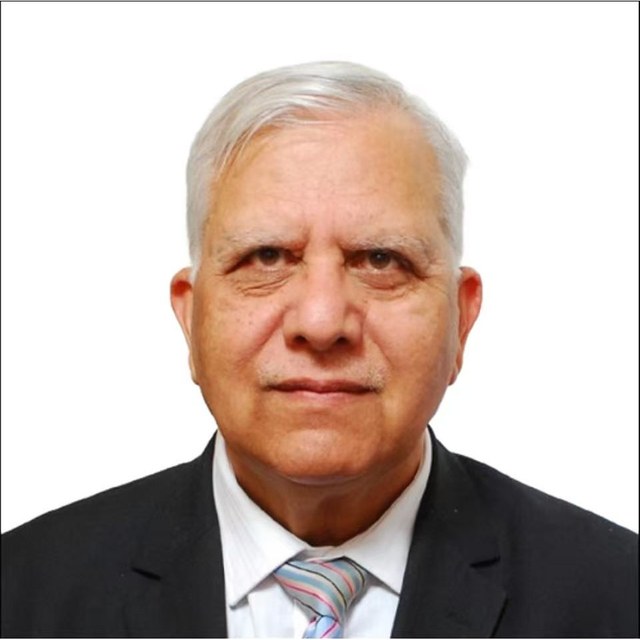
Zamir Ahmed Awan is the founder and Chair of the Global Silk Route Research Alliance, a think tank in Islamabad. He studied engineering at Shanghai University in the 1980s, and years later he went back to China as Pakistan's science counsellor in Beijing, from 2010 until 2016, working on science and higher education cooperation between the two countries.…