Pakistan: Islamabad extends rare greeting to Pyongyang
Source Xinhua, Dawn, Arab News, Anadolu and Minute Mirror
Pakistan on Wednesday made an unusual public diplomatic gesture towards North Korea, with President Asif Ali Zardari and the Foreign Office extending greetings to Pyongyang on the 78th anniversary of the country’s founding.
In a letter to DPRK President Kim Jong Un on the 78th founding anniversary of the republic, President Zardari referred to the two countries’ “cordial relations based on mutual trust and goodwill” and expressed the hope that bilateral ties would continue to grow in the interests of both countries.
The Foreign Office also issued a public message on X, extending its “warmest felicitations” to North Korea and tagging Pakistan’s diplomatic mission in Pyongyang, which, as per its own website, is closed.
Such public exchanges have been relatively uncommon in recent years as relations between the two countries have remained largely constrained.
The Foreign Office, however, played down any unusual significance attached to the latest exchange. “Exchange of felicitation messages is a common practice,” FO spokesman Sajjad Haider Khan said in reply to a question from Dawn.
Pakistan and North Korea established consular relations in 1968 and upgraded them to ambassadorial level four years later, but their relationship over the past two decades has remained low-key, particularly since international sanctions were imposed on Pyongyang over its nuclear and missile programmes.
While Pakistan’s mission in Pyongyang is currently closed, North Korea continues to maintain its embassy in Islamabad and hosted its national day reception on Tuesday.
Islamabad has been implementing UNSC sanctions against Pyongyang, including restrictions on trade and commercial dealings, suspension of Air Koryo flights, monitoring of North Korean diplomats’ activities and bank accounts, and stringent visa requirements even for diplomatic personnel.
Reference Link:- https://www.dawn.com/news/2028760
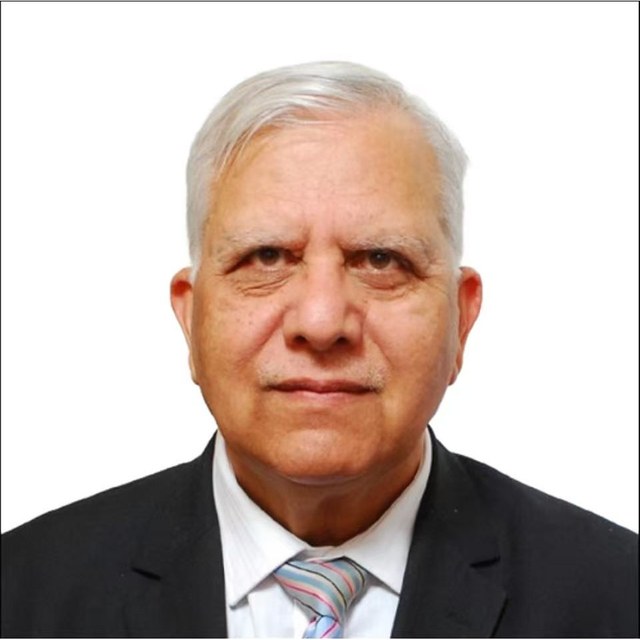
Zamir Ahmed Awan is the founder and Chair of the Global Silk Route Research Alliance, a think tank in Islamabad. He studied engineering at Shanghai University in the 1980s, and years later he went back to China as Pakistan's science counsellor in Beijing, from 2010 until 2016, working on science and higher education cooperation between the two countries.…