
Pak-Iran border reopens as CDF visits Tehran

Field Marshal Asim holds talks with Iran’s leadership; says border issues resolved after discussions

(Right) Iran’s President Masoud Pezeshkian receives Field Marshal Asim Munir prior to their meeting in Tehran. PHOTOS: IRNA/AFP
The Pakistan-Iran border was reopened on Tuesday as Chief of Defence Forces and Army Chief Field Marshal Syed Asim Munir held a series of high-level talks in Tehran at a time when Houthi attacks on Saudi Arabia added a new and potentially difficult dimension to Islamabad’s regional balancing act.
Field Marshal Asim Munir, accompanied by Interior Minister Mohsin Naqvi, met Iranian President Masoud Pezeshkian, Parliament Speaker Mohammad Bagher Ghalibaf, Foreign Minister Abbas Araghchi and General Mohsen Rezaei, representative of Iran’s Supreme Leader and Secretary of the Supreme National Security Council, during his fifth visit to Iran in recent months.
Unlike his previous trips, which were largely driven by Pakistan’s efforts to defuse tensions between Iran and the United States, the latest visit came against the backdrop of repeated attacks by Yemen’s Iran-aligned Houthis on Saudi energy, airport and other infrastructure.
The development presents a delicate challenge for Islamabad. Pakistan has pledged to defend Saudi Arabia under the Makkah Joint Defence Agreement, while at the same time maintaining close engagement with Tehran and attempting to revive stalled Iran-US diplomacy.
There was no official statement from the Pakistani side until the filing of this report. However, an official familiar with the visit told The Express Tribune that the talks went “very well”, without sharing specifics. The official also confirmed that the Pakistan-Iran border had reopened.
Iranian readouts also quoted Field Marshal Asim Munir as saying that issues concerning the border had been resolved. “The issues concerning the Iran-Pakistan border have been resolved, and the border has been reopened as of this morning,” the CDF was quoted as saying during a meeting with General Rezaei.
In a separate meeting with Ghalibaf, the army chief described the recent border problems as “temporary and technical” and said crossings between the two countries had reopened.
The reopening is significant for bilateral trade and movement of people, particularly for communities living along the lengthy Pakistan-Iran frontier. But the wider focus of the field marshal’s visit appeared to be the continuing diplomatic effort to find a way out of the Iran-US confrontation.
The Iranian readouts suggested that Tehran used the visit to communicate its position on any future engagement with Washington. Rezaei told the army chief that Iran would not allow its enriched nuclear material to be taken out of the country.
“Not even a single particle of enriched nuclear material will leave the country,” he was quoted as saying, describing the material as a national asset intended for domestic use. He also maintained that Tehran would not enter negotiations until Washington took steps to restore trust by meeting Iran’s conditions.
Ghalibaf also delivered a similar message, saying that Tehran had “nothing new to say” to Washington and that the US could not regain Iran’s trust without fulfilling the seven conditions previously presented by Iran in New York.
Ghalibaf also accused the Trump administration of violating what Tehran calls the “Islamabad understanding” and said subsequent US threats had further deepened Iranian distrust. “I explicitly told the US vice president that the long history of negative actions by the United States against Iran… has left us in a state of profound distrust,” Ghalibaf was quoted as saying.
The Iranian parliament speaker insisted that military pressure would not force Tehran to change course. “Threats and military manoeuvres cannot influence the strategic decisions of the Islamic Republic of Iran,” he said.
Pezeshkian, meanwhile, thanked Field Marshal Asim Munir and the Pakistani government for the efforts to reduce tensions and seek a diplomatic solution. According to an Iranian readout, Pezeshkian told the army chief that pressure, threats and sanctions would have to be removed before negotiations could resume.
The Iranian president blamed Washington for the latest regional tensions, including disruptions around the Strait of Hormuz, and accused the US of undermining diplomacy through its previous actions against Iran.
The meetings indicated that Islamabad remains engaged in efforts to bridge differences between Tehran and Washington despite the hardened positions on both sides.
The Pakistani Army Chief’s visit also came at a sensitive moment for Pakistan-Iran ties, with Islamabad seeking to preserve cooperation with Tehran while managing the fallout of wider regional tensions.
The Iranian accounts suggested the field marshal also carried messages between the two sides. According to the readouts, he received what was described as a “clear, serious and explicit” Iranian response to a message from the Americans. No details of the US message or Tehran’s response were officially disclosed.
The Army Chief also conveyed greetings from Prime Minister Shehbaz Sharif and National Assembly Speaker Ayaz Sadiq and stressed continued cooperation between Pakistan and Iran.
The visit underlined Pakistan’s attempt to keep diplomatic channels open at a time when Tehran continues to insist that any renewed engagement with Washington must begin with concrete US steps rather than fresh Iranian concessions.
Reference Link:- https://tribune.com.pk/story/2636015/pak-iran-border-reopens-as-cdf-visits-tehran
Discover more from GSRRA
Subscribe to get the latest posts sent to your email.
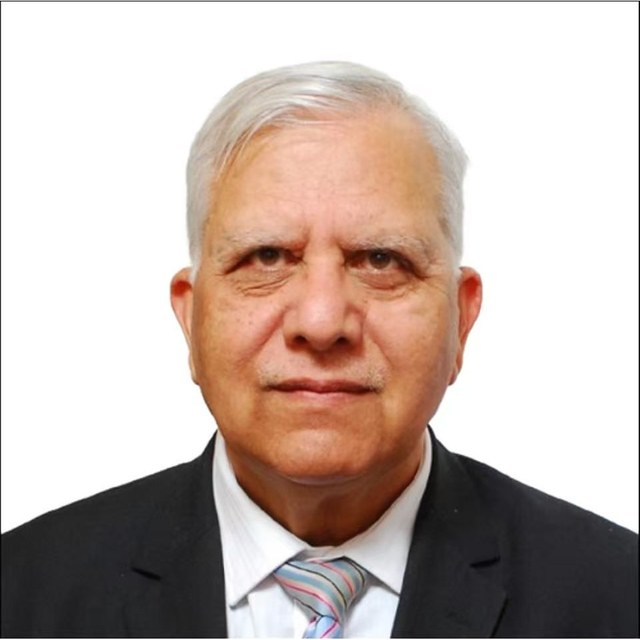
Zamir Ahmed Awan is the founder and Chair of the Global Silk Route Research Alliance, a think tank in Islamabad. He studied engineering at Shanghai University in the 1980s, and years later he went back to China as Pakistan's science counsellor in Beijing, from 2010 until 2016, working on science and higher education cooperation between the two countries.…