
Henan’s Queshan thrives in violin manufacturing and global exports
Source Xinhua, Dawn, Arab News, Anadolu and Minute Mirror


A staff member makes a violin at a string instrument manufacturer in Queshan County of Zhumadian City, central China’s Henan Province, Sept. 12, 2026. The violin-making industry of Queshan County thrived in recent years as skilled luthiers returned home to start their own businesses. With an annual output of about 400,000 violins, Queshan produces more than 80 percent of made-in-China medium- and high-end violins, violas, cellos, basses, and violin accessories. Many violin-related products from Queshan are made for export to international markets including Italy, the United States, France and Germany. (Xinhua/Hao Yuan)

A staff member arranges products at a string instrument manufacturer in Queshan County of Zhumadian City, central China’s Henan Province, Sept. 12, 2026. The violin-making industry of Queshan County thrived in recent years as skilled luthiers returned home to start their own businesses. With an annual output of about 400,000 violins, Queshan produces more than 80 percent of made-in-China medium- and high-end violins, violas, cellos, basses, and violin accessories. Many violin-related products from Queshan are made for export to international markets including Italy, the United States, France and Germany. (Xinhua/Hao Yuan)

A staff member works at a string instrument manufacturer in Queshan County of Zhumadian City, central China’s Henan Province, Sept. 12, 2026. The violin-making industry of Queshan County thrived in recent years as skilled luthiers returned home to start their own businesses. With an annual output of about 400,000 violins, Queshan produces more than 80 percent of made-in-China medium- and high-end violins, violas, cellos, basses, and violin accessories. Many violin-related products from Queshan are made for export to international markets, including Italy, the United States, France and Germany. (Xinhua/Hao Yuan)

Staff members work at a string instrument manufacturer in Queshan County of Zhumadian City, central China’s Henan Province, Sept. 12, 2026. The violin-making industry of Queshan County thrived in recent years as skilled luthiers returned home to start their own businesses. With an annual output of about 400,000 violins, Queshan produces more than 80 percent of made-in-China medium- and high-end violins, violas, cellos, basses, and violin accessories. Many violin-related products from Queshan are made for export to international markets, including Italy, the United States, France and Germany. (Xinhua/Hao Yuan)

A staff member works at a string instrument manufacturer in Queshan County of Zhumadian City, central China’s Henan Province, Sept. 12, 2026. The violin-making industry of Queshan County thrived in recent years as skilled luthiers returned home to start their own businesses. With an annual output of about 400,000 violins, Queshan produces more than 80 percent of made-in-China medium- and high-end violins, violas, cellos, basses, and violin accessories. Many violin-related products from Queshan are made for export to international markets, including Italy, the United States, France and Germany. (Xinhua/Hao Yuan)

A staff member works at a string instrument manufacturer in Queshan County of Zhumadian City, central China’s Henan Province, Sept. 12, 2026. The violin-making industry of Queshan County thrived in recent years as skilled luthiers returned home to start their own businesses. With an annual output of about 400,000 violins, Queshan produces more than 80 percent of made-in-China medium- and high-end violins, violas, cellos, basses, and violin accessories. Many violin-related products from Queshan are made for export to international markets, including Italy, the United States, France and Germany. (Xinhua/Hao Yuan)

A staff member makes a violin at a string instrument manufacturer in Queshan County of Zhumadian City, central China’s Henan Province, Sept. 12, 2026. The violin-making industry of Queshan County thrived in recent years as skilled luthiers returned home to start their own businesses. With an annual output of about 400,000 violins, Queshan produces more than 80 percent of made-in-China medium- and high-end violins, violas, cellos, basses, and violin accessories. Many violin-related products from Queshan are made for export to international markets, including Italy, the United States, France and Germany. (Xinhua/Hao Yuan)

A staff member works at a string instrument manufacturer in Queshan County of Zhumadian City, central China’s Henan Province, Sept. 12, 2026. The violin-making industry of Queshan County thrived in recent years as skilled luthiers returned home to start their own businesses. With an annual output of about 400,000 violins, Queshan produces more than 80 percent of made-in-China medium- and high-end violins, violas, cellos, basses, and violin accessories. Many violin-related products from Queshan are made for export to international markets, including Italy, the United States, France and Germany. (Xinhua/Hao Yuan)

Staff members make violins at a string instrument manufacturer in Queshan County of Zhumadian City, central China’s Henan Province, Sept. 12, 2026. The violin-making industry of Queshan County thrived in recent years as skilled luthiers returned home to start their own businesses. With an annual output of about 400,000 violins, Queshan produces more than 80 percent of made-in-China medium- and high-end violins, violas, cellos, basses, and violin accessories. Many violin-related products from Queshan are made for export to international markets, including Italy, the United States, France and Germany. (Xinhua/Hao Yuan)
Reference Link:- https://english.news.cn/20260914/abc076b92e364f1e92c2fcd559661954/c.html
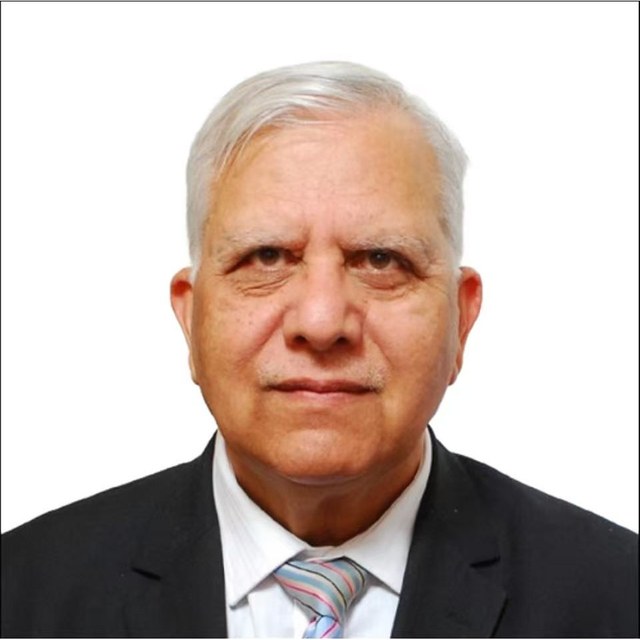
Zamir Ahmed Awan is the founder and Chair of the Global Silk Route Research Alliance, a think tank in Islamabad. He studied engineering at Shanghai University in the 1980s, and years later he went back to China as Pakistan's science counsellor in Beijing, from 2010 until 2016, working on science and higher education cooperation between the two countries.…