FBR Finally Allows Installment Payments of PTA Tax on Imported Phones
Source Xinhua, Dawn, Arab News, Anadolu and Minute Mirror


More than two months after the government announced an installment facility for PTA taxes on mobile phones, the Federal Board of Revenue has now allowed individuals to pay sales tax on imported devices in installments.
The facility will operate through the Pakistan Telecommunication Authority’s Device Identification, Registration and Blocking System (DIRBS).
The facility was introduced through a new provision in the Ninth Schedule of the Sales Tax Act, 1990, as explained in FBR Circular No. 1 of 2026 issued on September 11.
Under the new provision, individuals can split their sales tax payments instead of paying the entire amount at once. However, all instalments must be paid before the end of the financial year in which the mobile phone is imported.
Now the ball is in the PTA’s court to introduce a mechanism for instalment payments.
The facility was introduced through amendments made under the Finance Act, 2026. It allows flexibility in paying the applicable tax while still requiring the full liability to be cleared within the prescribed financial year.
Pakistan introduced the Device Identification, Registration and Blocking System (DIRBS) in December 2018 to identify unregistered mobile phones and block devices that did not meet tax and registration requirements. The government also withdrew the duty-free facility for mobile phones brought by travelers from abroad in July 2019.
Since then, imported devices have generally required payment of applicable duties and taxes before registration for use on local networks, placing the tax burden directly on individuals bringing phones into Pakistan.
Reference Link:- https://propakistani.pk/2026/09/14/fbr-finally-allows-instalment-payments-of-pta-tax-on-imported-phones/
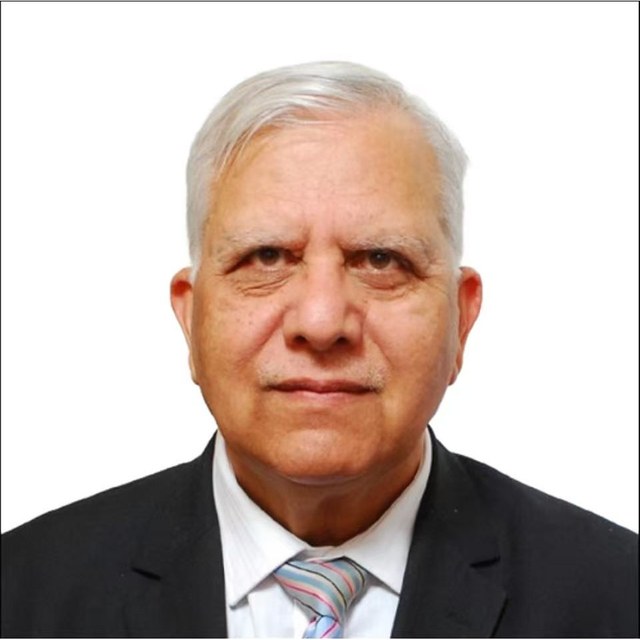
Zamir Ahmed Awan is the founder and Chair of the Global Silk Route Research Alliance, a think tank in Islamabad. He studied engineering at Shanghai University in the 1980s, and years later he went back to China as Pakistan's science counsellor in Beijing, from 2010 until 2016, working on science and higher education cooperation between the two countries.…