
‘Era of wasting time over’: Ghalibaf says Hormuz to remain closed until the US meets conditions under the June MoU

Tehran demands compliance with MoU for Hormuz reopening amid rising tensions

Iranian Parliament Speaker Mohammad Bagher Ghalibaf.Photo/X/@mb_ghalibaf
Tehran: Iran’s Parliament Speaker Mohammad Bagher Ghalibaf said that the strategic Strait of Hormuz will remain “closed” until the US meets seven conditions based on the 14-point June Memorandum of Understanding, as tensions between Tehran and Washington continue to escalate amid the US-Israel conflict with Iran.
Ghalibaf made the remarks in his speech at the Iranian Parliament, saying that the US had recently put forward proposals through a mediator, but that Iran’s position remained clear.
Get it: Fast, verified news for FREE … download the Gulf News app — simply click here
‘Resistance’
“The Americans have also become desperate in the face of the Iranian nation’s resistance. The Americans, who say otherwise in the media, have recently put forward some proposals through a mediator,” Ghalibaf said.
Ghalibaf said Iran would not accept what he described as unilateral demands from Washington and linked the reopening of the Strait of Hormuz to the fulfilment of seven conditions.
“But they must realise that the era of wasting time and dictating unilateral demands is over and the position of the Islamic Republic of Iran is completely clear and definite, and the Strait of Hormuz will not be opened until our seven conditions based on the Islamabad Memorandum are met,” he said.
The remarks come amid heightened tensions between Iran and the US following the collapse of a 14-point MoU signed in June, aimed at ending hostilities between the two sides and creating a pathway for further negotiations, particularly on Iran’s nuclear programme.
Collapse of MoU
Under the framework, a roadmap aimed at securing a final agreement within 60 days was announced, with the US and Iran agreeing to establish a High-Level Committee to provide political oversight of the mediation process.
Chief negotiators from both sides were to regularly report to the committee while leading working groups focused on nuclear issues, sanctions, and a monitoring and dispute resolution mechanism to support implementation of the MoU.
The collapse of the MoU in July renewed the conflict in West Asia, with the United States striking Iranian military and civilian assets, while Iran also targeted American bases across the Gulf in retaliatory strikes.
Reference Link:- https://gulfnews.com/world/mena/era-of-wasting-time-over-ghalibaf-says-hormuz-to-remain-closed-until-us-meets-conditions-under-june-mou-1.500698300
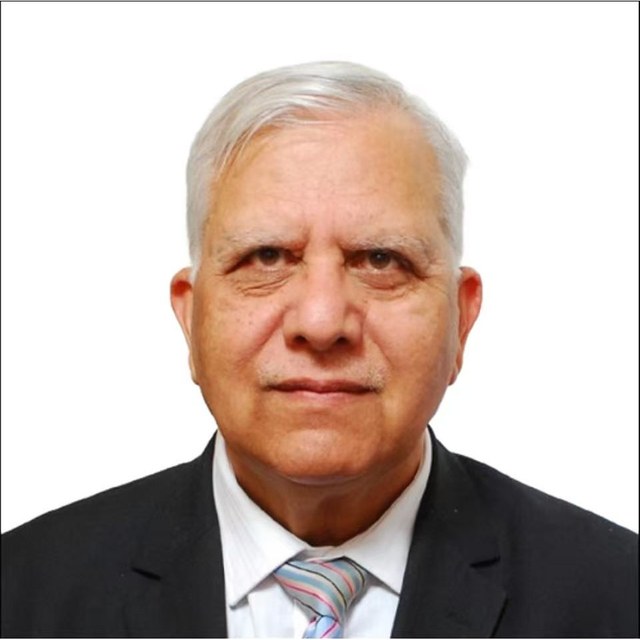
Zamir Ahmed Awan is the founder and Chair of the Global Silk Route Research Alliance, a think tank in Islamabad. He studied engineering at Shanghai University in the 1980s, and years later he went back to China as Pakistan's science counsellor in Beijing, from 2010 until 2016, working on science and higher education cooperation between the two countries.…