
China: Discipline and Accountability: The Foundations of China’s Good Governance and Lessons for Pakistan. 中国:纪律与问责:中国良好治理的基础及对巴基斯坦的启示.

(下边有中文翻译,请继续看到底。 谢谢。)
Discipline is one of the most important foundations of effective governance. No country can achieve sustainable economic development, institutional stability and public confidence if corruption, misuse of authority and abuse of public office are allowed to flourish. Governments may announce ambitious development plans, attract foreign investment and introduce economic reforms, but their success ultimately depends on the integrity, competence and accountability of those responsible for implementation.
The fifth plenary session of the 20th Central Committee of the Communist Party of China (CPC), held in Beijing from October 26 to 29, 2026, has once again placed these principles at the center of China’s governance agenda. The session adopted a major resolution on persevering with full and rigorous Party self-governance. President Xi Jinping, General Secretary of the CPC Central Committee, explained the draft resolution and emphasised the importance of maintaining the Party as a strong leadership core for advancing socialism with Chinese characteristics and China’s national rejuvenation.
The resolution is significant because it treats Party discipline not as a temporary campaign but as a continuing institutional responsibility. It establishes an overall framework covering Party building, official conduct, anti-corruption measures, oversight mechanisms, and the implementation of political responsibilities. Its seven guiding principles include serving the Party’s missions, strengthening political leadership, exercising rigorous governance, addressing problems directly, maintaining innovation, leading by example, and governing the Party according to regulations.
A particularly important aspect is the emphasis on preventing corruption through three complementary objectives: ensuring officials do not dare to engage in corruption, cannot find opportunities to do so, and do not wish to do so. This approach recognises that punishment alone cannot eliminate corruption. Effective prevention also requires transparent procedures, institutional checks, ethical education and a culture of integrity.
The plenary session identified four major areas for strengthening the anti-corruption effort: maintaining a firm stance against corruption; strengthening oversight over the exercise of power; reinforcing ethical values that promote integrity; and coordinating institutional measures to remove the incentives and opportunities for corrupt behaviour. It also stressed stronger Party and state supervision, improved organisational discipline and greater accountability for officials who fail to fulfil their responsibilities.
These decisions reflect an important feature of China’s governance approach: discipline is intended to operate continuously, across different levels and sectors, rather than only when misconduct becomes publicly visible. The resolution also emphasises the proper selection, training, management and supervision of officials. This is particularly relevant because public authority carries a responsibility to serve national interests and the welfare of citizens, not personal or family interests.
Corruption, however, is not confined to any particular political system or region. It is a global challenge that damages public institutions, distorts competition, discourages investment and diverts resources from essential services. The World Bank has highlighted how corruption increases the cost of healthcare and education, undermines public trust and disproportionately harms poorer communities. It also warns that corruption in public procurement and state capture can produce serious economic consequences.
China’s sustained anti-corruption efforts therefore offer valuable experiences for international discussion. Its emphasis on political responsibility, internal supervision, institutional regulations, discipline and prevention provides lessons that other countries can examine and adapt to their own constitutional and administrative systems. No governance model can simply be transferred from one country to another; successful reforms must reflect local institutions, laws and social conditions. Nevertheless, the principles of accountability, consistency and integrity are universally relevant.
For Pakistan, the challenge is particularly important. The country has considerable human resources, entrepreneurial potential, strategic geography and opportunities for industrial development. Yet governance weaknesses, inconsistent enforcement, complex regulations, procurement vulnerabilities and limited institutional coordination continue to constrain economic performance. An International Monetary Fund Governance and Corruption Diagnostic published in 2025 identified weaknesses in public financial management, regulatory oversight, accountability institutions and the rule of law as significant obstacles to investment and sustainable growth.
Pakistan could benefit from a focused national program built around several practical measures:
First, strengthen institutional independence and coordination. Accountability and investigation bodies should operate professionally, without political interference, and under clear legal mandates. Consistent procedures and due process must apply to everyone, irrespective of political affiliation or official position.
Second, make public procurement transparent. Government contracts, tender documents, evaluation criteria, successful bidders, and implementation progress should be accessible through digital public platforms. Independent audits and risk-based monitoring can reduce opportunities for favouritism and inflated costs.
Third, introduce effective asset and conflict-of-interest disclosure. Senior public officials should submit verifiable declarations, with appropriate public access, independent scrutiny and proportionate legal consequences for concealment or unexplained conflicts of interest.
Fourth, digitise government services and financial transactions. E-procurement, electronic payments, digital tax administration and online licensing can reduce unnecessary personal contact, discretionary decisions and opportunities for bribery.
Fifth, strengthen the rule of law and judicial efficiency. Corruption cases should be investigated and adjudicated on credible evidence, within reasonable timeframes, while protecting the rights of the accused and ensuring equal treatment before the law.
Finally, promote integrity through education and public participation. Civil servants should receive regular ethics and professional training, while citizens, media and civil society should have meaningful access to information and safe channels for reporting misconduct.
China’s latest CPC resolution reinforces a fundamental lesson: good governance requires discipline, effective institutions and continuous self-correction. Pakistan does not need to replicate China’s political structure, but it can learn from the importance attached to institutional responsibility, prevention and consistent enforcement.
Economic development is not achieved through policies alone. It requires honest implementation, responsible leadership, and public institutions that command confidence. When authority is exercised transparently, and public resources are protected, investment becomes more secure, public services improve, and national development gains a stronger foundation. For Pakistan, making accountability a consistent national practice could be an important step towards a more prosperous, stable and self-reliant future.
纪律严明是有效治理的重要基石
纪律是实现有效治理最重要的基础之一。如果任由腐败、滥用职权和公权私用等现象滋长,任何国家都难以实现经济可持续发展、制度稳定和公众信任。政府可以制定雄心勃勃的发展规划、吸引外国投资并推行经济改革,但这些举措最终能否取得成功,取决于负责执行的人员是否具备廉洁品格、专业能力和问责意识。
2026年10月26日至29日,中国共产党第二十届中央委员会第五次全体会议在北京举行,再次将这些原则置于中国治理议程的核心位置。全会审议通过了关于坚持和完善全面从严治党体系的重大决议。中共中央总书记、国家主席习近平就决议草案作了说明,并强调必须始终保持党的坚强领导核心地位,为推进中国特色社会主义事业和实现中华民族伟大复兴提供坚强保证。
这一决议意义重大,因为它将党的纪律建设视为一项长期的制度责任,而不是一场临时性的专项行动。决议建立了一个涵盖党的建设、干部行为规范、反腐败措施、监督机制以及政治责任落实的总体框架。其七项指导原则包括坚持党的使命任务、加强政治领导、坚持严的基调、坚持问题导向、注重守正创新、坚持以上率下,以及坚持依规治党。
其中,一个特别重要的方面是强调通过三个相互配合的目标预防腐败,即使干部不敢腐、不能腐、不想腐。这一理念表明,仅仅依靠惩处并不能彻底消除腐败。有效预防还需要透明的办事程序、健全的制度制约、廉洁教育以及崇尚诚信的社会文化。
全会提出了进一步加强反腐败斗争的四个重点领域:始终保持惩治腐败的高压态势;加强对权力运行的监督;强化促进廉洁从政的思想道德建设;统筹推进各项制度措施,消除腐败行为产生的动机和机会。全会还强调,要加强党和国家监督体系建设,完善组织纪律,并进一步强化对失职失责干部的问责。
这些决定体现了中国治理方式的一个重要特点:纪律建设旨在持续发挥作用,贯穿不同层级和领域,而不是仅仅在不当行为引起公众关注之后才采取行动。决议还强调,要完善干部选拔、培养、管理和监督机制。这一点尤为重要,因为公权力意味着必须服务国家利益和人民福祉,而不是谋取个人或家庭私利。
然而,腐败并非任何特定政治制度或地区所独有的问题,而是一项全球性挑战。它损害公共机构的公信力,扭曲市场竞争,抑制投资,并将本应用于基本公共服务的资源挪作他用。世界银行曾指出,腐败会增加医疗和教育成本,削弱公众信任,并对贫困群体造成更为严重的影响。世界银行还警告,公共采购领域的腐败和权力俘获可能造成严重的经济后果。
因此,中国持续开展的反腐败努力为国际社会提供了值得探讨的经验。中国强调政治责任、内部监督、制度规范、纪律建设和源头预防,这些做法能够为其他国家提供参考,并可根据各自的宪法框架和行政制度加以研究和借鉴。任何一种治理模式都不能简单地从一个国家照搬到另一个国家;成功的改革必须符合本国的制度、法律和社会条件。尽管如此,问责、持续性和廉洁等原则具有普遍意义。
对于巴基斯坦而言,这一挑战尤为重要。巴基斯坦拥有丰富的人力资源、企业发展潜力、重要的战略地理位置以及工业发展的机遇。然而,治理薄弱、执法不一致、法规复杂、公共采购环节存在漏洞以及机构间协调不足等问题,仍然制约着经济发展。国际货币基金组织于2025年发布的一份《治理与腐败诊断报告》指出,公共财政管理、监管监督、问责机构以及法治方面的不足,是阻碍投资和经济可持续增长的重要因素。
巴基斯坦可以考虑制定一项重点突出的国家行动计划,围绕以下几项务实措施展开:
第一,加强机构独立性与协调。 问责和调查机构应当在明确的法律授权下,以专业方式开展工作,避免政治干预。无论政治立场或担任任何种公职,每个人都必须受到一致的程序和正当法律程序的约束。
第二,提高公共采购透明度。 政府合同、招标文件、评标标准、中标企业以及项目实施进展,都应通过数字化公共平台向社会公开。独立审计和基于风险的监督机制能够减少偏袒行为和虚报成本的机会。
第三,建立有效的财产申报和利益冲突披露制度。 高级公职人员应提交真实、可核查的财产申报,并在适当范围内向公众开放,接受独立审查。对于隐瞒财产或未能妥善披露利益冲突的行为,应依法采取相应措施。
第四,推动政府服务和金融交易数字化。 电子采购、电子支付、数字化税务管理以及在线许可证办理,能够减少不必要的面对面接触、自由裁量行为以及贿赂机会。
第五,强化法治建设,提高司法效率。 腐败案件应依据可靠证据开展调查和审理,在合理期限内依法作出裁决,同时保障被告人的合法权利,确保法律面前人人平等。
最后,通过教育和公众参与培育廉洁文化。 应定期为公务人员开展职业道德和专业能力培训,同时保障公民、媒体和社会组织依法获取信息,并建立安全、有效的违法违规行为举报渠道。
中国共产党最新通过的这项决议再次强调了一个根本性经验:良好治理离不开严明纪律、有效制度和持续的自我完善。巴基斯坦不需要照搬中国的政治体制,但可以借鉴中国高度重视制度责任、源头预防和持续有效执纪执法的经验。
经济发展不能仅仅依靠政策制定,更需要廉洁高效的政策执行、负责任的领导以及能够赢得公众信任的公共机构。只有当权力运行更加透明、公共资源得到有效保护时,投资环境才能更加稳定,公共服务才能不断改善,国家发展才能拥有更加坚实的基础。
对于巴基斯坦而言,将问责制转化为一项持续、稳定的国家治理实践,或将成为迈向更加繁荣、稳定和自力更生未来的重要一步。
(注意: 本文是用AI翻译的,或有误差。请以原版英文为准。谢谢。)
Reference Link:- https://thinktank.pk/2026/11/04/discipline-and-accountability-the-foundations-of-chinas-good-governance-and-lessons-for-pakistan/
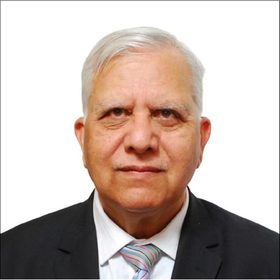
Zamir Ahmed Awan is the founder and Chair of the Global Silk Route Research Alliance, a think tank in Islamabad. He studied engineering at Shanghai University in the 1980s, and years later he went back to China as Pakistan's science counsellor in Beijing, from 2010 until 2016, working on science and higher education cooperation between the two countries.…