
China at 77: From National Reconstruction to a Global Vision of Shared Development. 中国77:从国家重建到全球共享发展的愿景。

(下边有中文翻译,请继续看到底。) 谢谢。)
On October 1, 1949, the People’s Republic of China was founded, marking the beginning of a new chapter in the country’s modern history. Seventy-seven years later, National Day remains an important occasion for the Chinese people to reflect on a remarkable journey of reconstruction, development, and modernization.
China’s transformation since 1949 is one of the most consequential economic and social changes of the modern era. From a largely agrarian economy with limited industrial capacity, China has developed into a major industrial, trading, technological and economic power.
The scale of this transformation is visible across almost every sector. China has built a comprehensive industrial system and today accounts for around 30 percent of global manufacturing value added, according to China’s National Bureau of Statistics. Its high-speed railway network exceeded 45,000 kilometers by the end of 2023, representing more than two-thirds of the world’s high-speed rail network. Grain production, meanwhile, rose from 113.2 million tonnes in 1949 to 695.4 million tonnes in 2023.
Perhaps the most significant achievement has been poverty reduction. The World Bank estimates that nearly 800 million people were lifted out of extreme poverty in China over roughly four decades, accounting for close to three-quarters of the global reduction in extreme poverty during that period. The World Bank also notes that China eliminated extreme poverty by 2020, although poverty measured against higher international income thresholds remains a development challenge.
China’s progress has increasingly moved beyond traditional infrastructure and manufacturing into science, technology, and green development. Its renewable-energy expansion has become globally significant. In 2025, China accounted for more than 60 percent of global renewable-capacity growth, according to the International Energy Agency.
The story, therefore, is not simply about economic growth. It is about building productive capacity, infrastructure, education, technological capability, and a vast domestic market. In 2024, China’s GDP reached approximately 134.8 trillion yuan, while its population remained above 1.4 billion.
From National Development to Global Cooperation
China’s growing international role has also brought a broader set of ideas about how countries should cooperate. The Belt and Road Initiative (BRI), launched in 2013, seeks to promote connectivity through infrastructure, trade, finance and people-to-people exchanges. UN sources note that more than 140 countries and international organizations have participated in the initiative in various forms.
The philosophy Beijing associates with the BRI is often expressed through win-win cooperation, consultation, joint contribution and shared benefits. Its practical impact, however, depends on the quality, sustainability and economic value of individual projects and on the policies of participating countries.
China has also advanced three major global initiatives. The Global Development Initiative (GDI) focuses on development cooperation and implementation of the UN 2030 Agenda. The Global Security Initiative (GSI) emphasizes common, comprehensive, cooperative and sustainable security, including dialogue and peaceful settlement of disputes. The Global Civilization Initiative (GCI) stresses mutual learning, dialogue and respect among civilizations.
Together with the concept of a Community with a Shared Future for Mankind, these initiatives represent Beijing’s proposed framework for addressing interconnected global challenges through development, security, cultural understanding and multilateral cooperation. China has subsequently added the Global Governance Initiative, extending this framework to questions of international governance.
China’s contribution to multilateral affairs is also tangible. It remains a major contributor to UN peacekeeping, and the United Nations identifies China as the largest troop contributor among the five permanent members of the Security Council.
Looking Ahead
China’s journey since 1949 demonstrates how long-term investment in infrastructure, human development, industrialization, technology and international cooperation can reshape a nation’s place in the world.
Its next challenge is to translate its growing capabilities into sustained contributions to global development, peace, climate action and multilateral cooperation while addressing domestic issues such as demographic change, inequality and the transition toward more sustainable growth.
As China celebrates another National Day, its story is no longer solely a national one. The choices China makes—and the manner in which other countries engage with it—will increasingly influence the global economy and international order. The enduring question is whether the coming decades can turn China’s remarkable national transformation into broader opportunities for cooperation, development and shared prosperity.
中国77:从国家重建到全球共享发展的愿景。
1949年10月1日,中华人民共和国成立,开启了中国现代历史的新篇章。77年后的今天,国庆节依然是中国人民回顾国家重建、发展与现代化这一非凡历程的重要时刻。
自1949年以来,中国经历的转型,是现代历史上最具深远影响的经济和社会变革之一。从一个工业基础相对薄弱、以农业为主的经济体,中国已经发展成为世界重要的工业、贸易、科技和经济大国。
这一转型的规模几乎体现在各个领域。中国已经建立起完整的工业体系。根据中国国家统计局的数据,目前中国约占全球制造业增加值的30%。截至2023年底,中国高速铁路运营里程已超过4.5万公里,占全球高铁总里程的三分之二以上。与此同时,中国粮食产量也从1949年的1.132亿吨增加到2023年的6.954亿吨。
其中,最具意义的成就之一或许是减贫。世界银行估计,在大约40年的时间里,中国有近8亿人摆脱极端贫困,约占同期全球极端贫困人口减少总量的四分之三。世界银行还指出,中国于2020年消除了绝对贫困。不过,按照更高的国际收入标准衡量,贫困问题仍然是中国发展过程中需要应对的挑战。
中国的发展也日益从传统基础设施和制造业拓展到科学、技术和绿色发展领域。中国可再生能源的发展已具有全球重要意义。国际能源署数据显示,2025年,中国占全球可再生能源新增装机容量的60%以上。
因此,中国的发展故事并不仅仅是经济增长的故事,更是一个持续建设生产能力、基础设施、教育体系、科技能力以及庞大国内市场的过程。2024年,中国国内生产总值达到约134.8万亿元人民币,人口仍保持在14亿以上。
从国家发展走向全球合作
随着中国国际影响力不断扩大,中国也提出了关于国家间合作方式的一系列理念。2013年启动的“一带一路”倡议,旨在通过基础设施建设、贸易、金融以及人文交流促进互联互通。联合国有关资料显示,目前已有140多个国家和国际组织以不同形式参与“一带一路”合作。
北京所倡导的“一带一路”理念,通常体现为互利共赢、协商合作、共同参与和共享成果。不过,其实际影响取决于具体项目的质量、可持续性和经济价值,也取决于参与国自身的政策环境。
中国还提出了三大全球倡议。全球发展倡议(GDI)重点关注发展合作以及联合国2030年可持续发展议程的落实;全球安全倡议(GSI)强调共同、综合、合作、可持续的安全观,包括通过对话和平解决争端;全球文明倡议(GCI)则强调文明交流互鉴、对话以及相互尊重。
这些倡议与构建人类命运共同体理念相结合,构成了北京提出的一套应对全球相互关联挑战的框架,涵盖发展、安全、文明交流以及多边合作等领域。此后,中国又提出全球治理倡议,将这一框架进一步延伸至国际治理问题。
中国对多边事务的参与同样具有现实意义。中国仍是联合国维和行动的重要参与者。联合国资料显示,在联合国安全理事会五个常任理事国中,中国是派出维和人员数量最多的国家。
展望未来
中国自1949年以来的发展历程表明,对基础设施、人力资源、工业化、科技以及国际合作进行长期投入,可以深刻改变一个国家在世界体系中的地位。
未来,中国面临的挑战之一,是如何将不断增强的综合能力转化为对全球发展、和平、气候行动和多边合作的持续贡献,同时应对国内人口结构变化、不平等以及向更加可持续增长模式转型等问题。
当中国迎来又一个国庆节之际,中国的发展故事已经不再只是一个国家自身的故事。中国未来作出的选择,以及其他国家与中国互动的方式,都将越来越深刻地影响全球经济和国际秩序。
一个值得长期思考的问题是:未来几十年,中国能否将自身非凡的国家转型进一步转化为更广泛的合作、发展与共同繁荣机遇?
(注意: 本文是用AI翻译的,或有误差。请以原版英文为准。谢谢。)
Reference Link:- https://worldtribunepak.com/china-at-77-from-national-reconstruction-to-a-global-vision-of-shared-development/
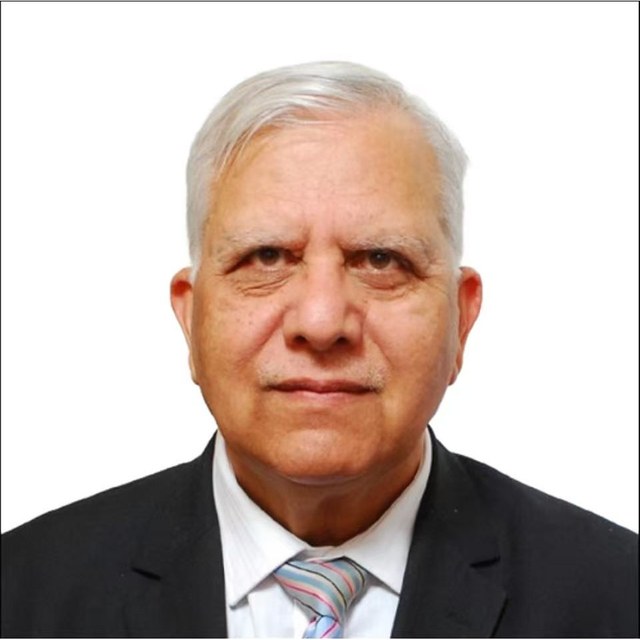
Zamir Ahmed Awan is the founder and Chair of the Global Silk Route Research Alliance, a think tank in Islamabad. He studied engineering at Shanghai University in the 1980s, and years later he went back to China as Pakistan's science counsellor in Beijing, from 2010 until 2016, working on science and higher education cooperation between the two countries.…




A 1949 condition is how different this progress looks compared to other nations. This path requires intense government management and specific political structures to function effectively.