
Indian Brutalities Against Minorities: A Grim Reality. 印度对少数民族的暴行:一个残酷的现实。

(下边有中文翻译, 请继续看到底。 谢谢。)
India, often celebrated as the world’s largest democracy, harbors a dark reality: the systemic oppression and brutalities against its minority communities. Despite its constitutional promises of secularism and equal rights, minorities in India—particularly Muslims, Christians, Sikhs, Dalits (Scheduled Castes), Scheduled Tribes, and the LGBTQ+ community—are increasingly subjected to discrimination, violence, and human rights violations. The rise of Hindu nationalism, especially under the leadership of Prime Minister Narendra Modi and his Bharatiya Janata Party (BJP), has exacerbated these issues, leading to widespread concerns both within and outside the country.

Background and Policies Against Minorities
The discrimination and atrocities against minorities in India are not isolated incidents but part of a broader, deeply ingrained societal and political structure. Various policies and measures have been implemented that marginalize and suppress minority communities, often under the guise of national security or cultural preservation.
One of the most notorious examples is the Citizenship Amendment Act (CAA) of 2019, which provides a pathway to citizenship for non-Muslim immigrants from neighboring countries. This law, coupled with the proposed National Register of Citizens (NRC), has fueled fears of disenfranchisement among millions of Muslims in India. The CAA has been widely criticized as discriminatory and has led to nationwide protests, which were often met with violent crackdowns by the police and state authorities.

In addition to official policies, there are unofficial measures that perpetuate violence against minorities. Cow vigilantism is a prime example, where individuals, often linked to extremist Hindu groups, take it upon themselves to “protect” cows—considered sacred in Hinduism—by attacking Muslims and Dalits accused of consuming or trading in beef. These attacks have resulted in numerous deaths and injuries, with the perpetrators often enjoying impunity due to their political connections.
Official and Unofficial Atrocities

The atrocities against minorities are not limited to government policies; they extend to acts of violence and discrimination carried out by both state and non-state actors. The use of draconian laws like the Armed Forces (Special Powers) Act (AFSPA) in regions such as Jammu and Kashmir, Manipur, and Assam has led to severe human rights abuses, including extrajudicial killings, enforced disappearances, sexual violence, and torture. The UN Human Rights Committee has repeatedly expressed concern over the application of counter-terrorism legislation in these “disturbed areas,” noting that such laws have resulted in widespread and grave human rights violations.
Hate speech and incitement to violence against minorities have become alarmingly common, often with the tacit approval or direct involvement of political leaders. The United States Commission on International Religious Freedom (USCIRF) has noted a significant rise in hate speech against Muslims and Christians, which has been linked to a surge in violent incidents targeting these communities.

Reports from International Organizations
International organizations, including the United Nations, have voiced their concerns over the deteriorating human rights situation in India. The UN Human Rights Committee, in its 2023 session, highlighted the alleged discrimination and violence against minority groups in India, particularly Muslims, Christians, and Scheduled Castes and Tribes. The Committee also criticized India’s counter-terrorism measures in “disturbed areas,” which have led to severe human rights violations.
According to the Pew Research Center, minorities in India account for a disproportionate share of the country’s emigrant population. The report revealed that Christians, who make up only 2% of India’s population, represent 16% of those born in India but now reside elsewhere. Similarly, Muslims, constituting 15% of the population, account for 33% of all Indian-born migrants. This mass migration is often driven by the hostile and unsafe environment that minorities face in their homeland.

Hate and Discrimination Against Minorities
The rise of Hindu nationalism, particularly under Prime Minister Modi’s administration, has fueled a wave of hate and discrimination against minorities. The BJP’s ideology, deeply rooted in Hindutva—an exclusionary and supremacist version of Hinduism—has sought to marginalize non-Hindu communities and erase their cultural and religious identities.
This hate manifests in various forms, from discriminatory policies and practices to outright violence. The anti-Muslim rhetoric, often propagated by BJP leaders and their affiliates, has led to communal riots, lynchings, and the destruction of minority-owned properties. Christians have faced increasing persecution, with reports of churches being vandalized, pastors being attacked, and false accusations of forced conversions leading to arrests and violence.

Mass Migration of Minorities
The increasing aggression and hostility towards minorities have resulted in a significant exodus of these communities from India. According to the Pew Research Center, a large number of India’s immigrants are from minority groups, seeking safety and opportunities abroad. The report notes that Muslims are far more likely to emigrate than the Hindu majority, with many seeking refuge in Muslim-majority countries in the Gulf Cooperation Council (GCC) region.
This mass migration highlights the deep-seated fears and insecurities among minorities in India, who no longer feel safe or welcome in their own country. The exodus of Christians and Muslims, in particular, underscores the systemic and pervasive nature of discrimination and violence against these communities.

India’s Negative Attitude and Hate Against Minorities
India’s official stance towards minorities is increasingly being criticized as discriminatory and exclusionary. Despite constitutional guarantees of equality and religious freedom, the reality on the ground is starkly different. The government’s failure to protect minority communities from violence and discrimination, coupled with the tacit endorsement of hate speech and bigotry, has created a climate of fear and oppression.
The international community, including the United Nations, has repeatedly called on India to address these issues and ensure the protection of minority rights. However, the Indian government has often dismissed these concerns, claiming that its Constitution guarantees freedom of religion to all its citizens. This disconnect between official rhetoric and the lived experiences of minorities further exacerbates the situation, leaving these communities vulnerable to continued abuse and persecution.

The Role of Prime Minister Modi and the BJP
The rise of Prime Minister Narendra Modi and the BJP has been a turning point in India’s treatment of its minorities. Modi, who has been accused of complicity in the 2002 Gujarat riots—where over a thousand people, mostly Muslims, were killed—has consistently promoted a Hindu nationalist agenda. Under his leadership, the BJP has implemented policies and fostered an environment that marginalizes and discriminates against non-Hindu communities.
The BJP’s electoral success has been built on a platform of Hindu nationalism, often at the expense of minority rights. The party’s rhetoric and actions have emboldened extremist groups, leading to a surge in violence and discrimination against minorities. The international community has expressed concern over the rise of hate crimes and the erosion of religious freedom in India under Modi’s rule.

Worrisome scenario
The brutalities and discrimination faced by minorities in India represent a grave violation of human rights and a betrayal of the country’s constitutional values. The rise of Hindu nationalism, coupled with the BJP’s policies and rhetoric, has created a hostile environment for non-Hindu communities, leading to violence, discrimination, and mass migration. Reports from international organizations, including the UN, underscore the urgent need for India to address these issues and protect the rights and dignity of all its citizens, regardless of their religion or ethnicity.
India’s future as a diverse and democratic nation depends on its ability to embrace and protect its minority communities. The international community must continue to hold India accountable for its treatment of minorities and advocate for the protection of human rights for all. Only through a genuine commitment to equality and justice can India overcome its current challenges and build a more inclusive and harmonious society.

经常被誉为世界上最大的民主国家的印度,却隐藏着一个黑暗的现实:对少数群体的系统性压迫和暴行。尽管宪法对世俗主义和平等权利做出了承诺,但印度的少数民族——尤其是穆斯林、基督徒、锡克教徒、达利特人(表列种姓)、表列部落和LGBTQ+社区——越来越多地遭受歧视、暴力和侵犯人权的行为。印度民族主义的兴起,尤其是在总理纳伦德拉·莫迪(Narendra Modi)和他的印度人民党(BJP)的领导下,加剧了这些问题,引发了国内外的广泛担忧。
针对少数民族的背景和政策
在印度,针对少数民族的歧视和暴行并不是孤立的事件,而是一个更广泛、根深蒂固的社会和政治结构的一部分。在国家安全或文化保护的幌子下,实施了边缘化和压制少数民族社区的各种政策和措施。
最臭名昭著的例子之一是2019年的《公民修正案》(CAA),该法案为来自邻国的非穆斯林移民提供了获得公民身份的途径。这项法律,加上拟议中的国家公民登记(NRC),加剧了印度数百万穆斯林对被剥夺公民权的担忧。
除了官方政策之外,还有一些非官方措施使针对少数群体的暴力行为永久化。牛义警就是一个典型的例子,通常与印度教极端组织有联系的个人,通过攻击被指控消费或交易牛肉的穆斯林和达利特人,来“保护”在印度教中被视为神圣的牛。这些袭击造成许多人伤亡,肇事者往往因其政治关系而逍遥法外。
官方和非官方暴行
针对少数民族的暴行不仅限于政府政策;它们延伸到国家和非国家行为者实施的暴力和歧视行为。在查谟和克什米尔、曼尼普尔和阿萨姆邦等地区使用《武装部队(特别权力)法》(AFSPA)等严厉法律导致了严重的侵犯人权行为,包括法外处决、强迫失踪、性暴力和酷刑。联合国人权事务委员会一再对在这些“动乱地区”实施反恐立法表示关切,并指出此类法律导致了广泛和严重的侵犯人权行为。
仇恨言论和煽动针对少数群体的暴力行为已变得令人震惊地普遍,往往得到政治领导人的默许或直接参与。美国国际宗教自由委员会(USCIRF)指出,针对穆斯林和基督徒的仇恨言论显著增加,这与针对这些群体的暴力事件激增有关。
国际组织报告
包括联合国在内的国际组织对印度日益恶化的人权状况表示关切。联合国人权委员会在其2023年会议上强调了对印度少数群体的歧视和暴力行为,特别是穆斯林、基督徒和在册种姓和部落。委员会还批评印度在“动乱地区”采取的反恐措施,导致严重侵犯人权。
根据皮尤研究中心的数据,印度的少数民族占该国移民人口的比例不成比例。报告显示,基督徒只占印度人口的2%,但在印度出生但现在居住在其他地方的人中占16%。同样,占人口15%的穆斯林占所有印度出生移民的33%。这种大规模移徙往往是由少数民族在其祖国面临的敌对和不安全环境所驱动的。
对少数民族的仇恨和歧视
印度教民族主义的兴起,特别是在莫迪总理执政期间,引发了对少数民族的仇恨和歧视浪潮。人民党的意识形态深深植根于印度教——一种排外的、至上主义的印度教——试图边缘化非印度教社区,抹去他们的文化和宗教身份。
这种仇恨表现为各种形式,从歧视性政策和做法到公然的暴力。反穆斯林的言论通常由人民党领导人及其附属机构宣传,导致了社区骚乱、私刑和对少数民族财产的破坏。基督徒面临越来越多的迫害,有报道称教堂遭到破坏,牧师遭到袭击,强迫改信导致逮捕和暴力的虚假指控。
少数民族大规模移民
对少数民族日益增长的侵略和敌意导致这些社区大量离开印度。据皮尤研究中心(Pew Research Center)称,大量印度移民来自少数群体,他们在国外寻求安全和机会。报告指出,穆斯林比占多数的印度教徒更有可能移民,许多人在海湾合作委员会(GCC)地区的穆斯林占多数的国家寻求庇护。
这种大规模的移民凸显了印度少数民族根深蒂固的恐惧和不安全感,他们在自己的国家不再感到安全或受欢迎。尤其是基督徒和穆斯林的出走,凸显了针对这些群体的歧视和暴力的系统性和普遍性。
印度对少数民族的消极态度和仇恨
印度对少数民族的官方立场越来越多地被批评为歧视和排斥。尽管宪法保障平等和宗教自由,但实际情况却截然不同。政府未能保护少数群体免受暴力和歧视,再加上对仇恨言论和偏见的默许,造成了一种恐惧和压迫的气氛。
包括联合国在内的国际社会一再呼吁印度解决这些问题,确保保护少数群体的权利。然而,印度政府经常驳回这些担忧,声称其宪法保障所有公民的宗教自由。官方言论与少数民族的生活经历之间的脱节进一步加剧了这种情况,使这些社区容易受到持续的虐待和迫害。
莫迪总理和人民党的作用
印度总理纳伦德拉•莫迪(Narendra Modi)和印度人民党(BJP)的崛起,是印度对待少数民族的一个转折点。莫迪被指控参与了2002年古吉拉特邦的暴乱,造成超过1000人死亡,其中大部分是穆斯林。他一直在推动印度教民族主义议程。在他的领导下,人民党实施了一些政策,并营造了一种边缘化和歧视非印度教社区的环境。
印度人民党的选举成功建立在印度教民族主义的基础上,往往以牺牲少数民族的权利为代价。该党的言论和行动助长了极端组织的气焰,导致针对少数民族的暴力和歧视激增。国际社会对莫迪统治下印度仇恨犯罪上升和宗教自由受到侵蚀表示担忧。
令人担忧的情况
印度少数民族所面临的暴行和歧视是对人权的严重侵犯,也是对该国宪法价值观的背叛。印度教民族主义的兴起,加上人民党的政策和言论,为非印度教社区创造了一个充满敌意的环境,导致暴力、歧视和大规模移民。包括联合国在内的国际组织的报告强调,印度迫切需要解决这些问题,保护所有公民的权利和尊严,无论其宗教或种族如何。
印度作为一个多元化和民主国家的未来取决于它接纳和保护少数民族社区的能力。国际社会必须继续要求印度对其对待少数民族的做法负责,并倡导保护所有人的人权。只有通过印度真正致力于平等和公正可以克服当前的挑战,建立一个更具包容性和和谐社会。
( 注意: 本文是用AI翻译的,或有误差。请以原版英文为准。谢谢。)
Reference Link:- https://www2.apdnews.cn/en/item/24/0826/axjddkmk7a746393aeee24.html
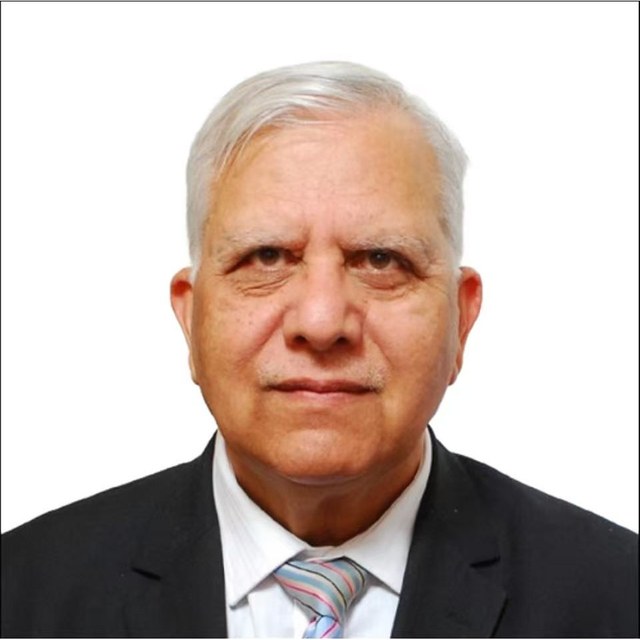
Zamir Ahmed Awan is the founder and Chair of the Global Silk Route Research Alliance, a think tank in Islamabad. He studied engineering at Shanghai University in the 1980s, and years later he went back to China as Pakistan's science counsellor in Beijing, from 2010 until 2016, working on science and higher education cooperation between the two countries.…







莫迪的瑜伽练的好,治理国家和瑜伽相似,功到自然成(^.^)
感谢你的关注