Lecture Notes: Special Lecture by Professor Zamir Ahmed Awan at Fudan University, Shanghai, China on 12 November 2026

(下边有中文翻译,请继续看到底。 谢谢。)
I. Traditional China-Pakistan Friendship: Deep Historical Roots and Mutual Support
(1) My Experience in China and the Theme of Today’s Lecture
Good morning, everyone. My name is Professor Zamir Ahmed Awan.
In the 1980s, I first studied Chinese at Beijing Language and Culture University. Later, I joined Shanghai University, where I completed my bachelor’s degree in Mechanical Engineering, followed by a master’s degree in the same field.
Subsequently, I served as a diplomat at the Embassy of Pakistan in China, where I was primarily responsible for promoting scientific and technological cooperation and higher education exchanges between the two countries. I made considerable efforts in these areas.
After my retirement, I established the China Studies Center at the National University of Sciences and Technology (NUST) in Pakistan. I also founded a think tank called the Global Silk Route Research Alliance (GSRRA). Its main purpose is to continue the work I have been doing throughout my career: promoting Pakistan-China friendship and cooperation along the Silk Road.
Today, I would like to talk about the traditional friendship between China and Pakistan, particularly their economic cooperation. Although you are studying different academic disciplines, these issues are not relevant only to economics students. Everyone should have a comprehensive understanding of the China-Pakistan friendship, the development of the China-Pakistan Economic Corridor (CPEC), and people-to-people exchanges between our two countries.
(2) Exchanges Between the Chinese and Pakistani Peoples Date Back More Than 2,000 Years
The history of exchanges between the Chinese and the people of this region is very long. More than 2,000 years ago, two famous Chinese Buddhist monks, Faxian and Xuanzang, travelled to the ancient Indian subcontinent.
At that time, the country we know today as Pakistan did not exist under its present name, and the geographical boundaries of ancient India were also different from those of modern India. Over time, different countries emerged in this region. Looking at the cities through which these monks travelled and where they stayed, many were located in present-day Pakistan, while others were in Afghanistan.
Apart from Buddhist and cultural exchanges, ancient Chinese merchants travelling along the ancient Silk Road towards Europe also passed through parts of what is now Pakistan.
Transportation in those days was very basic. People mainly travelled on foot, by camel or on horseback. Merchants often stayed for extended periods along their routes, and some eventually settled there permanently.
Therefore, our connections with China genuinely go back more than 2,000 years. This relationship did not begin only in modern times.
(3) Pakistan Provided Valuable Support to China in the Early Years of the People’s Republic
After the founding of the People’s Republic of China, Pakistan quickly dispatched a high-level official delegation to China to promote the establishment of diplomatic relations between the two countries.
At that time, relatively few countries had recognised the People’s Republic of China. Many countries continued to recognise the Kuomintang authorities in Taiwan.
Pakistan was among the earliest countries to recognise the People’s Republic of China and was also one of the first countries in the Islamic world to do so. This was of great historical significance.
Following a series of diplomatic preparations, Pakistan and China formally established diplomatic relations on May 21, 1951. By 2026, our diplomatic relations will have reached their 75th anniversary.
After establishing diplomatic relations, the two countries maintained very close ties, particularly during China’s most difficult years.
In the 1950s, China faced external restrictions and blockades. Its foreign trade and maritime access came under considerable pressure. Chairman Mao once described Pakistan as a window for China, through which China could maintain contact and communication with the rest of the world.
At that time, China did not have formal diplomatic relations with several Western countries. Pakistani embassies in certain countries helped facilitate communication, maintain contacts, and protect Chinese interests.
Such arrangements are not unusual in international diplomacy. For example, after Iran and the United States severed diplomatic relations, Pakistan’s Embassy in Washington represented Iran in certain matters, while Switzerland’s Embassy in Tehran represented American interests.
The absence of diplomatic relations between two countries does not necessarily mean that all communication must stop. A third country can serve as a diplomatic bridge.
(4) The Development Stages of the Two Countries Have Changed, but Mutual Assistance Has Continued
During the 1950s, 1960s and 1970s, Pakistan achieved relatively good economic development, with strong economic growth in certain years.
At that time, countries such as South Korea and Singapore also sent government officials to Pakistan to study its economic model and development experience.
After independence, Pakistan maintained considerable links with Western institutions. Its education system, official language, industrialisation and business practices were closely connected with the West. During that period, Pakistan had the capacity to support China and assist it in various areas.
However, circumstances changed significantly later.
In the 1980s, the Soviet Union entered Afghanistan, and the United States involved Pakistan in the Afghan war. This conflict continued for ten years.
During the war, substantial financial resources that could otherwise have supported education, science and technology, healthcare and railway development were redirected towards defence.
Although the war eventually ended, Pakistan’s economic foundations, education system, healthcare services and ordinary people’s living standards suffered considerably.
Since the 1980s, Pakistan has faced increasing development challenges due to the impact of war, while China has continued to make remarkable progress.
Today, China has developed the capacity to support Pakistan and assist its development. It has provided substantial assistance in political, economic, and other fields.
We are deeply moved by this support and sincerely grateful to the Chinese government and people.
(5) Despite Domestic Political Changes, the Main Direction of China-Pakistan Friendship Has Never Changed
One particularly remarkable feature of China-Pakistan relations is that regardless of China’s development stage, changes in leadership or policy adjustments, its relationship with Pakistan has remained consistently friendly.
Pakistan has experienced far more domestic political changes. Sometimes one political party has been in power, sometimes another. At different times, the country has experienced military rule and elected governments.
However, one thing has remained unchanged: Pakistan’s friendly relationship with China has consistently continued to develop.
China has many neighbouring countries, and its relations with some of them have experienced ups and downs. At times, relations have been excellent; at other times, tensions have emerged before eventually returning to normal.
China-Pakistan relations, however, have not experienced major fluctuations of this kind. We feel fortunate and deeply cherish this friendship.
Many international relationships are primarily based on material interests: if you give me something, I will give you something in return; if you do not, my attitude may change.
But the China-Pakistan friendship is not simply a material exchange.
When Pakistan was in a relatively stronger position, we supported China. Now that China has developed, it is doing its best to assist Pakistan without demanding that Pakistan provide something in return.
Our relationship is based on the principle that we are one family. We are close friends and brothers. If you face difficulties and I have the capacity to help, I will do my best to support you. The first consideration is not what you can give me in return, but that you are my brother.
The assistance China provides to Pakistan today has far exceeded what Pakistan was previously able to provide to China.
This does not mean that one country owes the other something. Rather, it reflects the friendship and brotherly affection accumulated over many decades.
Many international scholars regard China-Pakistan relations as an exemplary model of relations between countries.
II. CPEC and Economic Cooperation: Transforming Friendship into Shared Development
(1) CPEC Is a Demonstration Corridor Within the Belt and Road Initiative
As China’s economy developed, President Xi Jinping proposed the Belt and Road Initiative (BRI).
The initiative includes six major economic corridors. Among them, the China-Pakistan Economic Corridor is particularly important and represents a significant example. It involves numerous projects, substantial investment, and relatively visible results.
We regard CPEC as a model project. If this model succeeds, subsequent cooperation will become easier. If it does not perform well, international perceptions of the entire Belt and Road Initiative may also be affected.
CPEC also enjoys several practical advantages. The corridor extends approximately 2,700 kilometres and primarily involves two countries, China and Pakistan. It does not need to pass through a third country, allowing the two governments to discuss and coordinate many matters directly.
Both countries enjoy excellent political relations and have considerable cultural compatibility. There are many areas of mutual understanding and appreciation, providing a favourable foundation for cooperation.
(2) Gwadar Port Has the Advantage of Deep-Water Access, Although Its Development Is Influenced by International and Regional Factors
One student asked about the current development of Gwadar Port.
Chinese companies have participated in the construction and operation of Gwadar Port. After reaching a certain stage of development, the pace of progress slowed somewhat due to various factors.
Gwadar Port occupies a strategically important geographical position. Its significance has become even more prominent under the current international circumstances, making it subject to considerable international political influence.
One of Gwadar Port’s most obvious advantages is its deep-water harbour.
Many ports are located near river estuaries or shallow coastal areas. Large vessels cannot always approach the terminals directly and must remain offshore while smaller boats transport cargo to the port in several stages.
This process wastes time, creates potential losses during transshipment, and increases costs.
Gwadar Port, by contrast, can accommodate large vessels directly at its terminals, making loading and unloading more convenient. This can reduce time, risks, and operational costs.
Because of these advantages, certain countries may hold different views about Gwadar Port due to their own port-related commercial and strategic interests.
Regional and international factors have consequently increased the difficulties associated with its development.
Therefore, Gwadar’s development has not been entirely smooth, although progress has nevertheless been achieved.
(3) Chinese Projects in Pakistan Focus More on the Real Economy and Infrastructure Development
Another student asked how Chinese cooperation projects in Pakistan differ from earlier Western projects and how they affect the daily lives of ordinary Pakistanis.
During the 1950s, 1960s and 1970s, Pakistan maintained extensive cooperation with Western countries.
The United States, for example, helped Pakistan establish a laboratory for the peaceful use of nuclear energy and supported cooperation in agriculture and healthcare.
In the past, Pakistan did not produce sufficient food and needed to import rice and wheat. Through cooperation and gradual development, it eventually became capable of meeting its domestic requirements and, at times, even producing surplus food for export.
However, Western cooperation was often influenced by immediate strategic interests.
When Pakistan held strategic importance for Western countries, cooperation was extensive. When those interests changed, many economic activities declined.
Today, China’s investment in Pakistan is increasing, and the nature of its projects is somewhat different.
Some American aid organisations currently undertake relatively small-scale social projects, such as women’s empowerment and child protection.
Chinese companies, by contrast, are more heavily involved in economic infrastructure projects, including power plants and highways.
Electricity generated by power plants can be used by ordinary citizens, while the sale of electricity generates revenue. Highways can also generate income through toll collection.
Although these projects involve loans, their subsequent operation can generate revenue that allows repayment over ten or twenty years.
Such cooperation is not simply about assisting. It helps Pakistan build its economic foundations and develop sustainable sources of income.
(4) Pakistan Welcomes Chinese Enterprises and Is Learning from China’s Special Economic Zone Experience
A student asked whether CPEC could establish new models of South-South cooperation in production organisation, financing arrangements and project objectives.
Pakistan is currently very open to Chinese investment. We have established several special economic zones and industrial zones to encourage Chinese companies to invest in Pakistan.
We offer incentives, including tax concessions, financing facilities and other special arrangements to facilitate investment.
There is also considerable goodwill towards Chinese people among ordinary Pakistanis. Chinese visitors to Pakistan often experience the warmth and hospitality of local communities.
The two governments also organise youth delegations, student exchanges and various other forms of people-to-people interaction.
All this demonstrates that China-Pakistan cooperation is not limited to individual projects; it also enjoys a broad social foundation.
While answering questions about labour management and the establishment of businesses, I would like to share one of my personal experiences.
In 1981, I visited Shenzhen. At that time, Shenzhen was still a small fishing village. Its houses, roads, and infrastructure were relatively basic.
Local officials introduced us to their development plans. We asked them several questions:
Did you have sufficient money? Did you possess advanced technology? Did you have qualified human resources?
At that time, they lacked many of these resources.
However, China’s leaders had remarkable foresight. Through the establishment of special economic zones, they introduced favourable policies to attract foreign investors.
When foreign companies arrived, they brought their own capital, established new factories, and introduced relatively advanced technologies.
Regarding labour, companies would have faced extremely high costs if they had recruited large numbers of employees from Europe and America. They would have needed to pay higher salaries and cover accommodation, return travel for family visits, and other expenses.
Consequently, companies gradually began training local workers instead of relying on expensive imported labour.
As local workers acquired better skills, companies reduced their operating costs, while China developed a large pool of skilled professionals.
Development requires capital, technology and an appropriately skilled workforce.
Through foreign investment, Shenzhen’s Special Economic Zone gradually brought these three elements together.
Pakistan is now adopting a similar approach by introducing investment incentives, attracting foreign investors, facilitating business operations, and developing its local workforce.
In many areas, we are learning from China’s experience.
(5) Comparing Income and Living Standards: Salary Figures Alone Are Not Enough
A student asked about Pakistan’s per capita income and monthly salary levels.
Generally speaking, Pakistan’s economy remains relatively underdeveloped, and incomes vary considerably according to occupation, professional experience and qualifications.
Broadly speaking, labour costs in Pakistan are lower than in China. However, we should not compare living standards simply by looking at salary figures.
For example, one person may earn 10,000 yuan per month in Shanghai, while another earns 20,000 yuan in Shenzhen.
At first glance, the person in Shenzhen appears to be better off. However, housing, food, transportation and other living expenses in Shenzhen may also be considerably higher.
What really matters is how much money remains at the end of the month after meeting all expenses.
In Pakistan, incomes are relatively low, but prices and living costs are also comparatively lower.
Therefore, when assessing a country’s living standards, we should consider not only income but also expenditure, prices, and the amount people can actually save.
III. Cross-Cultural Communication and Internationalisation: Understanding Culture, Institutions and Laws
(1) One Major Obstacle for Chinese Companies Going Global Is Cultural Differences
This afternoon, I delivered a lecture at Shanghai University on the influence of culture on internationalisation. I would also like to share some of those ideas with you here.
Chinese companies have now become highly sophisticated. They possess strong technological capabilities, experience, expertise, and financial resources.
Nevertheless, they sometimes encounter difficulties when expanding overseas.
One major obstacle is cultural differences.
When entering another country, companies encounter different cultures, political systems, languages, traditions, customs, and legal frameworks. Without adequate prior understanding, they may face various problems when establishing their operations.
Even within a single country, cultural differences can lead to misunderstandings.
Once, I invited a friend from Guangdong to dinner. I prepared fish, crabs, beef, mutton, chicken, vegetables, dumplings, and noodles. I thought I had arranged a very generous meal.
However, my friend was not satisfied because what he really wanted was a bowl of plain steamed rice.
If I had known that beforehand, even the most expensive dishes would not have been as valuable to him as a simple bowl of rice.
There are significant differences in lifestyles and social customs between northern and southern China and among different regions.
I came to China at the age of 18. Later, I lived in Shanghai and even studied the Shanghai dialect specifically to integrate more comfortably into local society.
If such differences exist within one country, cultural differences between China and other countries can be even greater and require more careful understanding.
For example, in China, people often celebrate weddings, the birth of a child or a promotion by inviting friends for drinks.
However, in certain Islamic countries, alcohol consumption is strictly prohibited and may even result in legal consequences.
An action that is considered normal or friendly in one country may violate the laws or customs of another.
Therefore, a lack of understanding of another country’s customs, culture and institutions can easily create unintended conflicts.
(2) My Friend’s Experience of Investing in Pakistan Illustrates the Importance of Understanding Different Institutional Systems
When I was working at the Embassy of Pakistan in China, I had a very good Chinese business friend.
He heard that the President of Pakistan was planning to visit China and asked whether I could arrange a meeting with him.
I told him that it was entirely possible. He was my friend, and meeting the President was a normal diplomatic arrangement.
Later, at a banquet attended by several hundred people, I introduced him to the President and explained his company and business activities.
Like Chinese leaders, the President welcomed foreign investors and encouraged him to visit Pakistan and explore investment opportunities.
Two days later, my friend came to see me with his passport. He said he wanted to travel to Pakistan, invest and establish a factory.
I asked him what kind of factory he intended to establish. Had he studied the availability of raw materials, workforce, technology and market demand? Had he conducted any preliminary research?
He was quite excited and believed that since the President had invited him, he should act immediately.
I advised him to learn more about the country and prepare properly rather than relying entirely on enthusiasm.
His visa was issued quickly, and he travelled to Pakistan, where he stayed for a month.
After returning, he came to me and complained that the President had invited him to invest, so why had he still been unable to establish his factory?
The reason was that company registration, customs duties, bank accounts, land acquisition and factory premises all required specific procedures.
He had not managed to complete everything within one month.
Although he had a photograph with the President, the relevant government departments still needed to verify whether he met the applicable requirements.
This illustrates the differences between institutional systems and national circumstances.
A high-level invitation does not mean that administrative procedures can be bypassed.
Every government department has its own responsibilities and requirements. If the documentation is incomplete or does not meet the relevant standards, officials cannot simply approve it.
If Chinese businesspeople enter another country expecting everything to operate according to Chinese procedures and practices, they may encounter difficulties. If their investments fail, they sometimes blame the host country, whereas the real problem may be their failure to understand its procedures beforehand.
Therefore, before going global, companies must understand the local culture, political system, laws and administrative procedures. They must also conduct proper market research.
Friendly relations between two countries are an important foundation, but friendship cannot replace practical preparation.
(3) Even Without an Immediate Opportunity to Visit Pakistan, There Are Many Ways to Understand the Country
A student asked how people could learn about everyday Pakistani culture if they did not yet have an opportunity to visit the country.
Let me first add that Pakistan was once a British colony. After independence, it joined the Commonwealth. English is one of its official languages, and English is widely used in school textbooks and examinations.
Subjects such as mathematics, physics, chemistry, history and economics can all be studied in English. Consequently, many Pakistanis have a relatively good command of English, making it possible to communicate with them in that language.
Today, understanding another country is much easier than it was in the past.
People can use search engines, artificial intelligence tools, WeChat public accounts and various video platforms to obtain information.
They can begin by exploring ordinary people’s lifestyles, food, festivals and urban environments.
However, when researching specific economic indicators or national statistics, it is important to consult official sources and authoritative institutions because they provide more reliable information.
Pakistan has a relatively open information environment. Online platforms contain both positive and negative material, representing a wide range of opinions.
People should not watch a single video and assume that it represents the entire country.
Instead, they should develop their own judgement and compare information from different sources.
Direct communication with Pakistani friends would be even better because many aspects of everyday life can only be properly understood through conversations with local people.
(4) Misunderstandings Are Often Mutual; Mutual Understanding Can Reduce Stereotypes
International news today contains considerable coverage of wars, conflicts and negative developments.
The reasons are undoubtedly complex. Some countries seek expansion, others want to control resources, and various political factors are involved.
However, a lack of mutual understanding, cultural differences and misunderstandings can also contribute to tensions.
Many misunderstandings could be prevented from developing into serious conflicts if they were explained through timely communication.
When I have delivered lectures and attended forums in Europe, some people have learned that I lived in China and asked me questions such as:
“Do you also eat cats?”
“Do you eat rats and cockroaches?”
“Does everyone in China ride bicycles?”
“Do you have cars?”
These questions reflect a very limited understanding of China, based on images from many years ago.
I tell them that they have mobile phones and can easily look at present-day China.
China’s high-speed railways, infrastructure, housing and urban development have changed enormously. The lives of Chinese people today are very different from what some foreigners imagine.
Similarly, some people in China ask me strange questions about Pakistan.
For example, they ask whether all Pakistani men have several wives or whether Pakistani women are prohibited from going outside, working or attending school.
Such questions also reflect a lack of understanding of Pakistan.
When I first came to China, some teachers even asked me whether Pakistan had bicycles and high-rise buildings.
This demonstrates that misunderstandings are not created by only one side. People in every country can develop stereotypes because of insufficient contact with others.
Therefore, we must promote communication and share information.
Once people understand one another better, relationships become more stable and societies become more tolerant.
Even when we see shortcomings in another country, we should consider how we can help address them. When we see its strengths, we should learn from and share those experiences rather than looking down on others or creating misunderstandings.
The world is like one large family. We all have a responsibility to make it better, safer and more peaceful.
IV. Youth Exchanges and International Communication: Telling China’s Story with Genuine Emotion
(1) The Most Valuable Experience of China-Pakistan Friendship Is Passing It from One Generation to the Next
A student asked what the most valuable and fundamental experience behind the enduring friendship between China and Pakistan was.
I believe that the older generations of Chinese leaders, including Chairman Mao and Premier Zhou Enlai, together with Pakistan’s earlier leaders, established this friendship.
Subsequent generations continued to preserve and strengthen it.
Now it is your generation’s turn.
Young people in Pakistan and China have a responsibility to carry this traditional friendship forward and take it to an even higher level.
I personally have deep affection for China. Therefore, many of the things I do are not motivated primarily by material interests; I do them out of genuine feelings.
Every week, I write four or five articles for international media. They are published and circulated in Europe, the United States, Russia, the Middle East and China.
I also cooperate with Chinese media organisations, including China Daily, People’s Daily, Global Times and CGTN.
My articles mainly introduce China’s development, strengths and positive achievements.
President Xi Jinping has emphasised the importance of telling China’s story well, and I have consistently worked towards that objective.
Why are genuine feelings so important?
Parents raise their children because of love and affection. Many people enjoy their mother’s cooking because it carries emotional meaning.
Food prepared in a restaurant or purchased from a shop may also be delicious, but it is not the same as a meal prepared by one’s mother.
International communication works in a similar way. When something is communicated with genuine feeling, it becomes warmer, more meaningful, and more relatable.
The long-lasting friendship between China and Pakistan is also closely connected with the emotions and goodwill accumulated over successive generations.
Today, many young Pakistanis are studying in China in different disciplines, including engineering, natural sciences, social sciences, economics, finance and the arts.
While living in China, they learn about Chinese culture, traditions, politics, and economic development.
After returning home, they can share their genuine experiences with others.
Similarly, when Chinese students meet Pakistani international students at their universities, they should take the initiative to interact with them.
This provides an opportunity to practise English, but more importantly, it helps develop genuine friendship and carry the traditional relationship forward.
(2) Introducing China to Western Audiences Requires Adapting the Communication Style to Their Expectations
A student asked how the Global Silk Route Research Alliance addresses negative Western labels concerning the Belt and Road Initiative and how it overcomes obstacles in international communication.
Pakistan has been significantly influenced by Western culture, and we also have a relatively good understanding of Western ways of thinking and reading habits.
When I write articles, I try to express ideas according to the needs and expectations of Western readers.
For example, when introducing a Chinese policy, if the entire article consists of political slogans, some Western readers may immediately feel distant from the subject.
However, if the discussion begins with China’s objectives, policies, institutional arrangements and actual results, the substance remains the same, but readers are more likely to continue reading.
Whether they ultimately agree with the argument is another matter. At least they will not reject the subject immediately because of the way it is presented.
This is the approach I adopt:
Keep the content truthful, maintain a professional style, present facts and practical results, and avoid excessive use of unfamiliar concepts.
Cross-cultural communication is not simply about translating Chinese into English. It also requires understanding how people in other countries interpret issues and which words or expressions may create misunderstandings.
(3) Western Perceptions of China Can Include Both Outdated Images and Recognition of Its Rapid Development
A student asked why some people in Western societies still consider China underdeveloped while others feel anxious about its rapid development.
These two perceptions may appear contradictory, but I do not believe they necessarily are.
Some government officials, researchers, and people who genuinely understand China recognise its strengths and are aware of its achievements in science and technology, infrastructure and economic development.
However, some media outlets tend to focus more heavily on negative stories when reporting about China.
Ordinary people who have never visited China may form a one-sided impression if most of the information they encounter consists of such reports.
A large country will inevitably have uneven development and individual problems.
If the media only reports negative incidents in a particular underdeveloped rural area without showing the development of cities such as Beijing, Shanghai and Guangzhou or explaining the country’s overall transformation, it can distort people’s understanding of China.
An individual case may be genuine, but it cannot represent the entire country.
Therefore, presenting an accurate and comprehensive national image requires showing development achievements while avoiding the promotion of only one-sided narratives.
The best approach remains increasing direct exchanges so that more foreigners can see the real China and more Chinese young people can develop a better understanding of other countries.
(4) The International Environment Has Changed, and Chinese Young People Must Make Greater Efforts
Several decades ago, Western countries valued China’s enormous population and market and wanted to enter the Chinese market.
Consequently, they generally adopted policies that encouraged and supported China’s development.
Today, China has developed considerably. Chinese manufacturing and the Chinese economy have become deeply integrated into the global system.
Some Western countries have become concerned about China’s rapid progress in science and technology, national defence and people’s living standards.
Their attitudes have consequently changed, and some have begun introducing restrictions and obstacles.
Therefore, the international environment facing Chinese young people today is different from that of the 1980s and 1990s.
At that time, external forces were more willing to allow and even support China’s development. Today, certain forces are attempting to restrict it.
Your responsibilities are greater, and the pressures you face are also greater. You must therefore work even harder.
V. Peaceful Development and Youth Responsibility: Cherish the Present Era and Develop Yourself in Every Respect
(1) China’s Commitment to Peace, Development and Improving People’s Livelihoods Offers Valuable Experience
The current international political situation is tense. Many countries are experiencing conflicts and political instability, and their economies are also being affected.
China has consistently emphasised peace, development and the well-being of ordinary people. This is an important achievement.
In some countries, the gap between rich and poor is widening. Poor people are facing increasing difficulties, while young people feel that they have little hope for the future. Consequently, protests and social dissatisfaction emerge.
I recently met a French high school student who complained about poor conditions at his school.
He said there were insufficient toilets, many facilities were broken and nobody repaired them. During winter, broken windowpanes were left unrepaired because the school lacked the necessary funds, affecting the heating system.
I mention this example to emphasise that we should not judge a society only by the lifestyles of a small number of wealthy people.
We must also consider the living conditions of ordinary citizens, workers and young students.
A society is genuinely successful when the overall living standards of its people improve.
China’s development in recent years has provided young people with relatively favourable conditions for education and daily life.
You should cherish the present era and understand that today’s living conditions did not appear automatically. They were created through the long-term efforts and sacrifices of your parents and earlier generations.
(2) The Development of Pakistan and Many Small and Medium-Sized Countries Is Easily Affected by External Shocks
China has its own institutional arrangements, development foundations and relatively strong overall capabilities. It therefore has a greater capacity to maintain stability when external shocks occur.
Pakistan and many small and medium-sized countries are more vulnerable to external influences.
For example, if an international conflict disrupts oil supplies, global oil prices rise, and the prices of many other goods and services also increase.
If people’s incomes do not rise while the cost of living continues to increase, ordinary citizens face considerable difficulties.
Because Pakistan shares a border with Iran, it has certain geographical advantages concerning energy supplies. The government also takes measures to protect the economy and people’s livelihoods. Nevertheless, Pakistan remains exposed to external pressures.
Some European countries are also facing problems associated with rising prices and living costs.
I mention these examples to emphasise that when studying a country’s development, we should not look only at the policies it formulates internally.
We must also consider how much room it has to develop under the influence of the international environment, energy supplies, trade conditions and relations among major powers.
(3) Young People Should Master Their Academic Disciplines and Expand Their International Knowledge
When I was studying in China in the 1980s, people still needed ration coupons to purchase certain goods, including grain, cloth, and meat.
Infrastructure and housing conditions were also relatively basic.
Your parents experienced those difficulties and worked hard to create better conditions for you.
Now you must make full use of your time and study seriously.
You should not be satisfied merely with enjoying a comfortable life today. You should also work to ensure that the next generation enjoys an even better life. This is your responsibility.
During university, your academic discipline must naturally remain your highest priority.
You should achieve good results and develop genuine professional capabilities and achievements in your chosen field.
However, you should also pay attention to knowledge beyond your academic specialisation.
Learn about Africa, Latin America, the United States, Europe, Pakistan and other parts of the world. Gradually expand your international knowledge and understanding.
You should also maintain good physical health and develop yourself in every respect.
These efforts will establish a strong foundation for your future.
The world belongs to young people.
If you think positively and are willing to take action, you have the ability to make the world a better, more peaceful, and more liveable place.
We all share the same planet, and we all have this responsibility.
(4) A Good Classroom Is Not Simply About Completing the Textbook Within the Scheduled Time; Interaction Matters More
When I was a university professor, the university leadership assigned me a semester-long teaching programme and required me to complete the textbook and prescribed course content.
At that time, I would enter the classroom and immediately begin lecturing. Once I had finished the material, I considered my task complete.
I did not pay much attention to whether the students were actually listening, learning, using their mobile phones, or talking among themselves.
Later, I realised that this was not a good approach to education.
The best approach is interaction.
If you ask me a question and I provide a serious answer that satisfies you, you will understand that particular subject more deeply, remember it more clearly and perhaps never forget it throughout your life.
Therefore, after completing today’s lecture, I am happy to leave sufficient time for questions.
I encourage everyone to ask questions because a classroom is not simply a place where I deliver a speech. It is a place where everyone should genuinely learn something.
VI. Final Classroom Remarks: Integrating Chinese Theories into Chinese Stories
Today’s lecture was excellent.
Although our country shares a border with Pakistan, many of us, including myself, previously had an insufficient understanding of the country.
Through today’s presentation, we have gained greater knowledge of Pakistan’s history, society and relationship with China.
You have studied and worked in China for many years and have actively introduced China to the international community. You are truly an ambassador of China-Pakistan friendship.
Your presentation of China’s story was vivid, engaging and relatable. Much of what you shared came from your personal experiences.
Some of us work in the field of Marxist theoretical research. When discussing theory, we sometimes become rather abstract and rely too heavily on slogans.
Chinese theories need to be integrated more effectively into Chinese stories so that more people can understand them and communicate them to wider audiences.
Sincere, approachable, and vivid communication is itself an important form of international communication capability.
Today’s lecture has also helped us understand more deeply that Pakistan is a steadfast supporter of the Belt and Road Initiative and an important partner for future cooperation.
The China-Pakistan Economic Corridor is not merely an economic cooperation project. It also embodies the trust and friendship that our two countries have developed over many decades.
Chinese people often affectionately refer to Pakistan as Batie (巴铁), meaning an exceptionally close and ironclad friend.
This friendship must continue to be passed on to younger generations and become even stronger in the years ahead.
泽⽶尔·阿万教授专题讲座课堂记录, 复旦大学,上海, 中国, 2026年11月12日
⼀、中巴传统友谊:历史源远流⻓,两国始终相互⽀持
(⼀)我的中国经历与今天的讲座主题
⼤家好,我叫泽⽶尔·阿万。20世纪 80年代,我先在北京语⾔⼤学学
习汉语,后来到上海⼤学读本科,学的是机械专业,之后⼜继续读了硕
⼠。后来,我在巴基斯坦驻华使馆当过外交官,主要负责两国科技交流和
⾼等教育交流,在这⽅⾯做了⼀些⼯作。退休以后,我在巴基斯坦国⽴科
技⼤学成⽴了中国研究中⼼,⼜成⽴了⼀个智库,名字叫全球丝绸之路研
究联盟,主要⽬的就是继续推进我过去做过的⼯作,宣传中巴友好和丝绸
之路合作。
今天我想跟⼤家谈⼀谈中巴传统友谊,特别是经济⽅⾯的合作。⼤家
专业不完全相同,但这些问题不只是学经济的同学需要了解。中巴之间的
友好关系、中巴经济⾛廊建设,以及中国同巴基斯坦的⼈员往来,都值得
⼤家有⼀个⽐较全⾯的认识。
(⼆)中巴两个⺠族的交往,已经有两千多年的历史
中巴两个⺠族交流的历史⾮常悠久。两千多年前,中国有两位有名的
僧⼈,⼀个叫法显,⼀个叫⽞奘,他们都到过古印度地区。那时还没有今
天巴基斯坦这个国家的名称,古印度所包括的范围同现在也不⼀样。后
来,这⼀地区逐渐形成了不同的国家。我们从他们经过和居住过的城市来
看,相当⼀部分就在今天的巴基斯坦,也有⼀部分在阿富汗。
除了佛教⽂化交流,古代中国商⼈沿着古丝绸之路前往欧洲,也有⼀
部分要经过今天的巴基斯坦。那时交通⼯具很简单,主要靠步⾏、骆驼和
2
⻢,商⼈们会在沿途停留很⻓时间,有些⼈后来还留了下来。所以说,我
们同中国的来往确实有两千多年的历史,这不是近代才开始的关系。
(三)新中国成⽴初期,巴基斯坦给予了中国宝贵⽀持
新中国成⽴以后,巴基斯坦很快派出了⾼级官⽅考察团到中国访问,
推动两国建⽴外交关系。当时承认新中国的国家还不多,不少国家仍然承
认台湾的国⺠党政权。巴基斯坦是最早承认新中国的国家之⼀,也是伊斯
兰世界最早承认新中国的国家之⼀,这件事意义⾮常⼤。两国经过⼀系列
具体准备,于 1951年 5⽉ 21⽇正式建⽴外交关系,到现在已经 75年了。
建交以后,两国关系⼀直⾮常密切,特别是在中国最困难的时候。20
世纪 50 年代,中国⾯临外部封锁,对外贸易和海上通道都受到很⼤压
⼒。⽑主席曾经讲过,巴基斯坦是中国的⼀个窗⼝,通过这个窗⼝,中国
可以同全世界来往。
当时,中国同⼀些⻄⽅国家没有正式外交关系,巴基斯坦驻有关国家
的使馆曾在信息传递、交流联络和保护中国利益⽅⾯提供过帮助。在外交
实践中,这并不罕⻅。⽐如伊朗和美国断交以后,巴基斯坦驻美国使馆曾
代表伊朗处理相关事务,瑞⼠驻伊朗使馆则代表美国保护其利益。两个国
家没有外交关系,并不等于完全不能交流,第三国可以起到⼀定的桥梁作
⽤。
(四)两国发展阶段发⽣过变化,但相互帮助⼀直没有中断
20世纪 50年代、60年代和 70年代,巴基斯坦的经济发展相当不错,
有些年份国⺠经济增⻓⽐较快。那时韩国、新加坡等国家也派政府官员到
巴基斯坦,学习我们的经济模式和发展经验。巴基斯坦独⽴以后⻓期受到
3
⻄⽅制度影响,教育制度、官⽅语⾔、⼯业化和商业运⾏都同⻄⽅联系较
多,当时确实有条件在⼀些⽅⾯⽀持中国、帮助中国。
后来情况发⽣了很⼤变化。20 世纪 80 年代,苏联进⼊阿富汗,美国
利⽤巴基斯坦参与阿富汗战争,这场战争持续了⼗年。战争期间,教育、
科技、卫⽣和铁路建设等⽅⾯的经费⼤量转向国防,战争虽然结束了,但
巴基斯坦的经济基础、教育、卫⽣和⽼百姓⽣活都受到了很⼤影响。
从 20世纪 80年代以来,巴基斯坦受战争影响,发展遇到越来越多困
难;中国则⼀天⽐⼀天进步。现在中国发展起来了,有能⼒⽀持巴基斯
坦、帮助巴基斯坦,⽽且在政治、经济等各个⽅⾯都给了我们⼤量帮助。
我们对此⾮常感动,也⾮常感谢中国政府和中国⼈⺠。
(五)不管国内形势怎样变化,中巴友好的主线从来没有改变
中巴关系有⼀个⾮常突出的地⽅:不管中国经历什么发展阶段,领导
⼈怎样变化,政策怎样调整,同巴基斯坦的关系⼀直很好。巴基斯坦国内
的变化更多,有时是这个党执政,有时是那个党执政,有时是军管,有时
是⺠选政府,但有⼀件事没有变,就是同中国的关系⼀直保持友好,⽽且
继续向前发展。
中国有不少邻国,同⼀些国家的关系都经历过起伏,有时关系很好,
有时出现紧张,后来⼜恢复正常。只有中巴关系⼀直没有发⽣过⼤的波
折。我们对此感到⾮常幸福,也⾮常珍惜。
国际上很多关系主要看利益,你给我什么,我就给你什么;你不给我
什么,我的态度也会变化。但中巴关系不只是这种物质交换。过去巴基斯
坦条件⽐较好时,我们⽀持中国;现在中国发展起来以后,⼜尽可能帮助
巴基斯坦,⽽且不要求巴基斯坦必须给予什么回报。我们原则上是⼀家
⼈,是⾃⼰⼈。你有困难,我有能⼒,就尽量帮助你;不是先计算你能给
我什么,⽽是把你当兄弟。
现在中国给予巴基斯坦的帮助,已经远远超过巴基斯坦过去能够给
中国的帮助。这种关系不是单⽅⾯谁⽋谁,⽽是⻓期形成的朋友感情和兄
弟感情。很多国家的学者都把中巴关系当作⼀种⽐较理想的国家间关系
来研究。
⼆、中巴经济⾛廊与经济合作:把友好关系转化为共同发展
(⼀)中巴经济⾛廊是“⼀带⼀路”建设中具有示范意义的⾛廊
中国经济发展起来以后,习近平主席提出了“⼀带⼀路”倡议。“⼀带
⼀路”有六⼤经济⾛廊,中巴经济⾛廊是其中⾮常重要、⾮常典型的⼀
个,建设的项⽬多,投资规模⼤,效果也⽐较明显。我们把中巴经济⾛廊
看作⼀个样板。样板做好了,后⾯的合作就会更顺利;如果样板做不好,
外界对整个倡议的看法也会受到影响。
中巴经济⾛廊还有⼀些⽐较⽅便的条件。⾛廊⼤约 2700 公⾥,主要
涉及中国和巴基斯坦两个国家,不需要经过第三国,很多事情可以由两国
直接商量。两国政治关系很好,⽂化上也⽐较容易相处,互相理解、互相
认可的地⽅很多,所以推进合作有较好的基础。
(⼆)⽠达尔港有深⽔港优势,但建设也受到国际和地区因素影响
有同学问⽠达尔港现在建设得怎么样。⽠达尔港由中国企业参与建
设和运营,建设到某⼀阶段以后,进度有所放缓,这⾥⾯有很多因素。⽠
达尔港的战略地理位置⾮常重要,特别是在当前国际局势下,它的意义更
加突出,因此受到的国际政治影响也⽐较⼤。
5
⽠达尔港有⼀个很明显的优势,就是深⽔港条件。很多港⼝位于靠近
海边的河⼝地区,⼤船不能直接到码头,只能停在海上,再⽤⼩船把货物
分批运到港⼝。这样既耽误时间,⼜可能在转运过程中造成损失,还会增
加成本。⽠达尔港可以让⼤型船舶直接靠码头,装卸⽐较⽅便,时间、⻛
险和成本都能降低。
正因为这些优势,⼀些相关国家会出于⾃身港⼝利益和战略利益,对
⽠达尔港持有不同态度,地区和国际因素也增加了建设难度。所以⽠达尔
港的发展不是⼀帆⻛顺,但总体上仍然取得了进步。
(三)中国在巴基斯坦的项⽬,更多体现为实体经济和基础设施建设
有同学问,中国同巴基斯坦的合作项⽬,同⻄⽅国家过去的项⽬相⽐
有什么特点,对巴基斯坦⺠众的⽇常⽣活有什么影响。20 世纪 50 年代、
60 年代和 70 年代,巴基斯坦同⻄⽅国家合作⽐较多。美国曾帮助巴基斯
坦建⽴和平利⽤核能的实验室,也开展过农业、医疗⽅⾯的合作。过去巴
基斯坦粮⻝不够,需要进⼝⼤⽶和⼩⻨,后来通过合作逐步满⾜了⾃⼰的
需求,有时还有余粮可以出⼝。
但⻄⽅国家的合作更多受现实利益影响。过去巴基斯坦对他们有战
略价值时,合作⽐较多;后来利益关系发⽣变化,很多经济活动就减少
了。现在中国在巴基斯坦的投资越来越多,⽽且项⽬性质不太⼀样。
美国⼀些援助机构现在也会做⼩规模的社会项⽬,⽐如妇⼥权益、⼉
童保护等。中国企业则更多建设经济项⽬,⽐如发电⼚、⾼速公路。发电
⼚发出的电,普通⽼百姓可以使⽤,电⼒销售也能形成收益;⾼速公路通
过收费形成收⼊。项⽬建设虽然使⽤了贷款,但通过后续运营,可以⽤⼗
6
年、⼆⼗年逐步偿还。这种合作不只是援助,⽽是在帮助巴基斯坦形成经
济基础和持续收⼊。
(四)巴基斯坦欢迎中国企业,也在学习中国经济特区的经验
有同学问,中巴经济⾛廊在⽣产组织、融资安排和项⽬⽬标上,能不
能形成⼀些新型南南合作的做法。现在巴基斯坦对中国非常开放,我们设
⽴了⼀些经济特区和⼯业区,⿎励中国企业到巴基斯坦投资,在税收、贷
款等⽅⾯给予优惠,也会提供⼀些特殊便利。
巴基斯坦⺠间对中国⼈的感情也很深。中国⼈到巴基斯坦,常常会感
受到当地人的热情。两国政府还组织⻘年考察团、学⽣交流和各类⼈员往
来。这些都说明,中巴合作不只发⽣在项⽬层⾯,也有⼴泛的社会基础。
我在回答有关劳动管理和企业落地的问题时,想讲⼀讲⾃⼰的经历。
1981年我到过深圳,那时深圳还是⼀个⼩渔村,房屋、道路和基础设施都
很简陋。当地给我们介绍了很多规划,我们就问:你们有钱吗?有⾼科技
吗?有⼈才吗?当时这些条件都⽐较缺乏。
但中国领导⼈很有眼光,通过设⽴经济特区,给外国投资者提供有利
的政策。外国企业来了以后,⾃⼰带来资⾦,建设新⼯⼚,也带来⽐较先
进的技术。⾄于劳动⼒,企业如果从欧美⼤量引进员⼯,不仅要⽀付更⾼
的⼯资,还要承担住宿、探亲机票等费⽤,成本很⾼。于是企业会逐步培
养当地劳动⼒,减少昂贵的“进⼝劳动⼒”。当地⼯⼈技能提⾼以后,企业
成本下降,中国也培养了大量人才。
发展需要资本、技术和合适的劳动⼒,深圳经济特区通过引进外资,
把这⼏个问题逐步连接起来。巴基斯坦现在也在采⽤类似的模式,通过⿎
励政策吸引外国投资者,为投资提供便利,同时培养本地劳动⼒。我们很
多地⽅是在向中国学习。
(五)⽐较收⼊和⽣活⽔平,不能只看⼯资数字
有同学问巴基斯坦的⼈均收⼊和⽉⼯资⽔平。总的来说,巴基斯坦国
⺠经济还比较落后,不同职业、不同资历的人收入差距也很大。⼤致可以
说,巴基斯坦的劳动成本⽐中国低,但不能只拿⼯资数字直接⽐较。
⽐如,一个人在上海月收入一万元,另一个人在深圳月收入两万元,
看上去深圳更⾼,但深圳的住房、吃饭、交通等⽣活成本也更⾼。最后⽉
底能剩下多少钱,才更接近实际⽣活⽔平。巴基斯坦收⼊⽐较低,但物价
和⽣活费⽤也相对低。所以,衡量⼀个国家的⽣活⽔平,不能只看收⼊,
还要看支出、物价和最后能够保留多少。
三、跨⽂化交流与企业“⾛出去”:必须了解对⽅的⽂化、制度和法律
(⼀)中国企业“⾛出去”的⼀个重要障碍,是⽂化差异
我今天下午在上海⼤学讲的是⽂化对国际化的影响,这⾥也跟⼤家
分享⼀部分。现在中国企业已经⾮常成熟,技术、能⼒、经验和资⾦都很
强,但“⾛出去”有时仍然会遇到困难。其中⼀个很⼤的障碍,就是⽂化差
异。到了⼀个不同国家,会⾯对不同的⽂化、政治制度、语⾔、传统、习
惯和法律,如果事先不了解,很多事情都可能在落地时出现问题。
即使在⼀个国家内部,⽂化差异也可能带来误会。我有⼀次请⼀位⼴
东朋友吃饭,准备了⻥、螃蟹、⽜⾁、⽺⾁、鸡、蔬菜,还有饺⼦和⾯
条,觉得已经很丰富了,但朋友并不满意,因为他最想要的是⽩⽶饭。如
果早知道,我准备再多贵重的菜,也不如给他⼀碗⽩⽶饭。
8
中国南⽅和北⽅、不同地区之间,都有⽣活习惯和交往⽅式的差异。
我 18 岁来到中国,后来在上海⽣活,还专⻔学过上海话,就是为了更好
融⼊当地。⼀个国家内部尚且如此,中国同其他国家之间的⽂化差异就更
⼤,更需要认真了解。
⽐如,在中国,遇到结婚、⽣⼦、升职等⾼兴的事情,请朋友喝酒是
⼀种庆祝⽅式;但在⼀些伊斯兰教国家,饮酒受到严格禁⽌,甚⾄可能带
来法律后果。同⼀件事情,在⼀个国家是正常甚⾄友好的⾏为,在另⼀个
国家却可能触犯规定。所以,不了解对⽅的⻛俗、⽂化和制度,就很容易
在⽆意中造成冲突。
(⼆)我有⼀个朋友到巴基斯坦投资的经历,很能说明制度差异
我以前在巴基斯坦驻华使馆⼯作时,有⼀位很好的中国企业家朋友。
他听说巴基斯坦总统要来中国,就问我能不能⻅到总统。我说完全可以,
你是我的朋友,⻅总统很正常。后来在⼀次有⼏百⼈参加的宴会上,我把
他介绍给总统,介绍了他的企业和事业。总统也同中国领导⼈⼀样,对投
资者表示欢迎,邀请他到巴基斯坦发展。
过了两天,这位朋友拿着护照来找我,说要去巴基斯坦投资、开⼯
⼚。我问他准备开什么⼯⼚,原材料、职⼯、技术和市场需求有没有研
究,去之前有没有做过准备。他⽐较激动,觉得总统已经邀请他去了,就
应该⻢上⾏动。我还是劝他先了解⼀下,不要只凭热情。
后来签证很快办好了,他到巴基斯坦待了⼀个⽉,回来以后找我“算
账”,说总统邀请他去投资,为什么⼯⼚还是开不起来。原来,公司登
记、关税、银⾏账户、⼟地和⼚房等,都有⼀套具体⼿续,⼀个⽉没有办
9
完。他⼿⾥虽然有同总统的合影,但具体办事部⻔仍然要看条件是否满
⾜。
这就是不同制度、不同国情的差别。⾼层表示欢迎,并不等于具体程
序可以省略。每个部⻔都有⾃⼰的职责和条件,材料不符合要求,就不能
盖章。中国企业家如果完全按照中国的思路和办事⽅式到另⼀个国家投
资,失败以后就骂那个国家不好,其实很多时候是⾃⼰没有先了解对⽅的
程序。
所以,企业“⾛出去”以前,必须了解当地⽂化、政治制度、法律和⾏
政程序,也要做好市场调查。两国关系友好是重要条件,但友好不能代替
具体准备。
(三)暂时没有机会去巴基斯坦,也可以通过多种渠道逐步了解
有同学问,如果暂时没有机会亲⾃到巴基斯坦,可以通过什么渠道了
解巴基斯坦的⽇常⽂化。我先补充⼀点,巴基斯坦曾是英国殖⺠地,独⽴
以后加⼊英联邦,官⽅语⾔是英语,学校教材和考试也⼤量使⽤英语,数
学、物理、化学、历史、经济等课程都可以⽤英语学习,所以不少巴基斯
坦⼈的英语基础⽐较好,同他们交流可以使⽤英语。
现在了解⼀个国家⽐过去⽅便得多。可以通过搜索引擎、⼈⼯智能⼯
具、微信公众号和各种视频平台找资料,先看普通⼈的⽣活、饮⻝、节⽇
和城市⾯貌。如果涉及国⺠经济等具体数据,还是要找官⽅或权威机构发
布的信息,因为这类数据更准确。
巴基斯坦的信息环境⽐较开放,⽹络上既有正⾯内容,也有负⾯内
容,各种观点都有。⼤家不能看到⼀个视频就认为整个国家都是这样,⽽
要学会⾃⼰判断,把不同来源放在⼀起⽐较。如果有机会同巴基斯坦朋友
直接交流,当然更好,因为⽇常⽣活中的很多问题,只有同当地⼈谈过以
后才会有具体感受。
(四)误解往往是双向的,互相了解才能减少刻板印象
现在国际新闻⾥战争、冲突和负⾯事件⽐较多,原因当然很复杂,有
的国家想扩张,有的国家想控制资源,也有各种政治因素。但互相不了
解、⽂化差异和误会,也是其中⼀个因素。很多误会如果通过交流及时解
释,不⼀定会继续发展成⽭盾。
我在欧洲讲课、参加论坛时,有些⼈听说我在中国⽣活过,就问我:
你也吃猫吗?吃⽼⿏、蟑螂吗?中国是不是⼈⼈骑⾃⾏⻋?有没有汽⻋?
他们对中国很不了解,印象还停留在很早以前。我告诉他们,你们有⼿
机,可以看看现在的中国。中国的⾼铁、基础设施、住房和城市发展已经
发⽣很⼤变化,中国⼈今天的⽣活同他们想象中的很不⼀样。
同样,在中国也有⼈问我⼀些奇怪的问题,⽐如巴基斯坦男⼈是不是
都有⼏个妻⼦,⼥性是不是不能出⻔、不能⼯作、不能上学。这些说法也
反映了对巴基斯坦的不了解。过去我刚来中国时,还有⽼师问巴基斯坦有
没有⾃⾏⻋、有没有⾼楼。可⻅,误解不是某⼀国单⽅⾯产⽣的,各国⼈
⺠都可能因为缺少接触⽽形成刻板印象。
所以我们要多传播、多交流。互相了解以后,关系才会⽐较稳定,也
才会互相包容。即使看到对⽅有落后的地⽅,也应该想怎样帮助弥补;看
到对⽅有⻓处,也应该分享和学习,⽽不是欺负或者产⽣误会。世界像⼀
个共同的⼤家庭,我们都有责任让它变得更好、更安全、更和平。
11
四、⻘年交往与国际传播:⽤感情讲好中国故事
(⼀)中巴友谊最宝贵的经验,就是⼀代⼀代传下去
有同学问,中巴关系能够⼀直保持友好,最宝贵、最核⼼的经验是什
么。我想,中国⽼⼀代领导⼈⽑主席、周总理和巴基斯坦的⽼⼀代领导⼈
共同建⽴了友好关系,后来的⼈⼜把它⼀代⼀代传下来。现在应该轮到你
们年轻⼈了,巴基斯坦年轻⼈和中国年轻⼈都有责任把传统友谊继续传
下去,并且继续往前⾛。
我⾃⼰对中国有感情,所以做很多事情不是先考虑物质⽬的,⽽是⽤
感情去做。我每个星期写四五篇⽂章,在国际媒体发表,在欧洲、美国、
俄罗斯、中东和中国都有传播,也同《中国⽇报》《⼈⺠⽇报》《环球时
报》、CGTN 等中国媒体有合作。我的⽂章主要是介绍中国的发展、优势
和正⾯的东⻄。习近平主席讲过要讲好中国故事,我⼀直在努⼒做这件
事。
为什么感情很重要?⽗⺟养育孩⼦,是因为有感情;很多⼈喜欢妈妈
做的菜,也是因为⾥⾯有感情。⻝堂和商店的菜可能也很好,但同妈妈做
的菜意义不⼀样。做国际传播也是⼀样,有真实感情,讲出来的东⻄就会
更亲切。中巴关系之所以能够⻓期保持,也同这种⼀代代积累的感情有
关。
现在有很多巴基斯坦年轻⼈在中国上学,学习理⼯、⾃然科学、社会
科学、经济、⾦融、艺术等不同专业。他们在中国⽣活,也会了解中国的
⽂化、传统、政治和经济,回国以后可以把这些真实经历介绍给别⼈。中
国同学如果在⼤学⾥遇到巴基斯坦留学⽣,也可以主动交流。⼀⽅⾯可以
练习英语,更重要的是培养感情,把传统友谊延续下去。
12
(⼆)向⻄⽅介绍中国,要根据受众习惯调整表达⽅式
有同学问,全球丝绸之路研究联盟怎样⾯对⻄⽅对“⼀带⼀路”的负⾯
标签,怎样化解国际传播中的障碍。巴基斯坦受⻄⽅⽂化影响较深,我们
也⽐较了解⻄⽅⼈的思维⽅式和阅读习惯。我写⽂章时,会按照他们的需
求和习惯来表达。
⽐如,同样介绍中国的⼀项政策,如果通篇都是政治⼝号,⼀些⻄⽅
读者可能⻢上产⽣距离;如果从中国有什么想法、什么做法、什么制度以
及实际效果讲起,内容并没有改变,但他们更容易继续看下去。⾄于最后
同不同意,是另⼀回事,⾄少不会⼀开始就因为表达⽅式⽽拒绝了解。
这就是我所采⽤的办法:内容保持真实,表达尽量专业,多讲事实和
实际效果,减少受众不熟悉的概念堆叠。跨⽂化传播不是只把中⽂翻译成
英⽂,还要知道对⽅怎样理解问题、哪些词容易引起误会。
(三)⻄⽅对中国既有落后印象,也知道中国发展很快,这并不⽭盾
有同学问,为什么⻄⽅社会⼀⽅⾯有⼈认为中国仍然落后,另⼀⽅⾯
⼜有⼈因为中国快速发展⽽产⽣焦虑,这两种看似⽭盾的形象为什么会
同时存在。我认为,这并不⽭盾。
⼀些政府官员、研究⼈员和真正了解情况的⼈,很清楚中国有什么优
势,知道中国在科技、基础设施和经济发展⽅⾯取得了进步。但⼀些媒体
在报道中国时,更多选择负⾯内容,普通⺠众如果没有来过中国,每天接
触的都是这类报道,就容易形成⽚⾯的印象。
⼀个很⼤的国家总会有发展不平衡的地⽅,也会有个别问题。如果只
拍某个落后农村发⽣的坏事,不介绍北京、上海、⼴州等城市的发展,也
不介绍整个国家的变化,就会影响观众对中国的认识。个例可以是真实
的,但不能⽤⼀个个例代表整个中国。
所以,塑造准确、全⾯的国家形象,既要让外界看到发展成就,也要
避免只讲单⼀故事。最好的⽅式仍然是增加直接交流,让更多外国⼈看到
真实的中国,也让中国年轻⼈更准确地了解别的国家。
(四)国际环境已经发⽣变化,中国⻘年要加倍努⼒
⼏⼗年前,⻄⽅国家看重中国的⼈⼝和市场,希望进⼊中国,所以当
时对中国发展采取⿎励和⽀持的态度。现在中国发展起来,中国制造和中
国经济同世界的关系发⽣了很⼤变化,⼀些⻄⽅国家看到中国在科技、国
防和⼈⺠⽣活⽅⾯进步很快,⼼态就发⽣了变化,开始设置障碍。
所以,今天中国⻘年⾯对的国际环境同 20世纪 80年代、90年代不完
全⼀样。那时外部⼒量更多是在允许甚⾄帮助中国发展,现在有些⼒量则
试图限制中国。你们的责任更⼤,压⼒也更⼤,需要加倍努⼒。
五、和平发展与⻘年责任:珍惜时代,也要全⾯培养⾃⼰
(⼀)中国坚持和平、发展和改善⺠⽣,这些经验⾮常宝贵
当前国际政治局⾯很紧张,不少国家陷⼊冲突,政治不稳定,经济也
受到影响。中国⼀直讲和平、讲发展、讲⽼百姓,这⼀点做得⾮常好。有
些国家贫富差距扩⼤,穷⼈越来越困难,年轻⼈觉得⽣活没有希望,社会
上就会出现抗议和不满。
我上次遇到⼀位法国⾼中⽣,他向我抱怨学校条件差,厕所不够,很
多设施坏了没有⼈修,冬天窗户玻璃破了也没有钱维修,暖⽓的作⽤因此
受到影响。我讲这个例⼦,是想说,⼀个社会不能只看少数有钱⼈的⽣
14
活,还要看普通⽼百姓、普通⼯⼈和⻘年学⽣过得怎么样。⼤家整体⽣活
改善,才是真正的好事。
中国这些年的发展给年轻⼈提供了⽐较好的学习和⽣活环境。你们
应该珍惜这个时代,也应该理解,今天的⽣活不是凭空出现的,⽽是⽗⺟
和⻓辈经过⻓期奋⽃创造出来的。
(⼆)巴基斯坦和许多中⼩国家的发展,容易受到外部环境冲击
中国有⾃⼰的制度、发展基础和较强的综合能⼒,受外部冲击时保持
稳定的能⼒⽐较强。巴基斯坦和许多中⼩国家受外国影响更⼤。⽐如国际
冲突导致⽯油供应受阻,油价上涨以后,很多东⻄都会跟着涨价;如果收
⼊没有增加,⽣活成本却不断提⾼,普通⽼百姓就会很困难。
巴基斯坦因为同伊朗接壤,在能源供应⽅⾯有⼀些地理条件,政府也
采取措施保护经济和⺠⽣,但仍然会受到影响。欧洲⼀些国家同样⾯临物
价和⽣活成本上涨的问题。我讲这些,是想说明,研究⼀个国家的发展,
不能只看它⾃⼰制定什么政策,还要看国际环境、能源、贸易和⼤国关系
给它留下了多少空间。
(三)⻘年既要把专业学好,也要增加国际化知识
我 20 世纪 80 年代在中国时,买东⻄还需要粮票、布票、⾁票,基础
设施和住房条件也⽐较差。你们的⽗⺟经历过那些困难,给你们创造了更
好的条件。现在你们要抓紧时间好好读书,不能只满⾜于⾃⼰眼前过得舒
服,还要让下⼀代过得更好,这是你们的责任。
⼤学期间,专业学习当然是最重要的,成绩要搞好,要在⾃⼰的⾏业
⾥形成真正的能⼒和成果。但专业以外的东⻄也要重视,要了解⾮洲、拉
15
丁美洲、美国、欧洲、巴基斯坦等不同地⽅的基本情况,逐步增加国际化
知识。身体也要健康,各⽅⾯都要培养,这样才能为将来打下⽐较好的基
础。
这个世界是属于年轻⼈的。如果你们想得通、愿意做,就完全有能⼒
把世界变成⼀个更好、更和平、更适合⽣活的地⽅。我们每个⼈都在同⼀
个地球上,都有这个责任。
(四)好的课堂不只是在规定时间讲完教材,更重要的是互动
我以前当⼤学教授时,学校领导给我⼀个学期的任务,要求把教材和
规定内容讲完。那时我⼀进教室就开始讲,讲完就算完成任务,不太注意
下⾯的学⽣究竟有没有在听,是在学习,还是在玩⼿机、说话。后来我意
识到,这种教育⽅式并不好。
最好的⽅式是互动。如果你问我⼀个问题,我认真回答,你对回答满
意,那么这个知识点会掌握得更牢,印象也会更深,甚⾄⼀辈⼦不会忘
记。所以,我今天讲完以后,愿意把时间留给⼤家提问。我也⿎励每个⼈
都提问,因为课堂不只是我把话说完,⽽是⼤家真正学到东⻄。
六、课堂最后总结:把中国理论融⼊中国故事
今天您给⼤家作的报告⾮常好。我们虽然同巴基斯坦接壤,但包括我
在内,很多⼈过去对巴基斯坦的了解仍然不够。通过今天的讲解,我们对
巴基斯坦的历史、社会和中巴关系有了更多认识。您⻓期在中国学习、⼯
作,⼜在国际上积极介绍中国,是中巴友谊的使者。
您讲中国故事⾮常⽣动、亲切,很多内容都是亲身感受。我们有些从
事⻢克思主义理论研究的⼈,讲理论时有时⽐较空洞,⼝号式的东⻄⽐较
多。中国理论要更多地融⼊中国故事,让更多⼈听懂,让更多⼈传得开。
真诚、亲近、⽣动的表达,本身就是国际传播能⼒。
通过今天的讲座,我们也进⼀步理解,巴基斯坦是“⼀带⼀路”建设的
坚定⽀持者,也是未来合作的重要⼒量。中巴经济⾛廊不仅是经济合作项
⽬,也承载着两国⻓期形成的信任和感情。中国⼈讲“巴铁”,这种友谊还
要继续在⻘年⼀代⼿中传下去,做到越来越铁。
(注意: 本文是用AI翻译的,或有误差。请以原版英文为准。谢谢。)
Reference: Lecture at Fu Dan University, Shanghai, China.
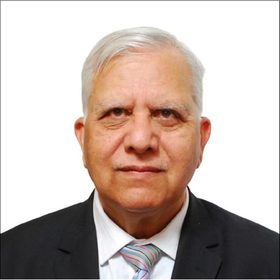
Zamir Ahmed Awan is the founder and Chair of the Global Silk Route Research Alliance, a think tank in Islamabad. He studied engineering at Shanghai University in the 1980s, and years later he went back to China as Pakistan's science counsellor in Beijing, from 2010 until 2016, working on science and higher education cooperation between the two countries.…