From conflict to cooperation: China’s vision for a more just global order. 从冲突到合作:中国对更公正全球秩序的愿景.

(下边有中文翻译,请继续看到底。 谢谢。)
At a time when armed conflicts, humanitarian suffering, geopolitical rivalry, and economic coercion are placing the international order under severe strain, the world urgently needs responsible leadership, meaningful dialogue, and a renewed commitment to peace. Yet, too often, military power takes precedence over diplomacy, strategic competition overshadows cooperation, and the interests of weaker nations receive insufficient attention. Against this troubling backdrop, China’s call for peace, development, security, and more equitable global governance deserves serious international consideration.
The inaugural Global Governance Forum (Xiong’an), held in Hebei Province from October 23 to 25, 2026, provided an important platform for addressing these challenges. Under the theme “Rebuilding Confidence and Cooperation: Reforming and Improving Global Governance in a Transforming World,” the forum reflected growing recognition that existing international institutions and arrangements must adapt to contemporary realities. Chinese President Xi Jinping sent a message calling for the implementation of the Global Governance Initiative (GGI), warning that deficits in peace, development, security and governance were growing rather than diminishing.
The message was timely. From continuing wars and humanitarian crises to threats of military escalation and the growing danger of nuclear confrontation, international affairs increasingly demonstrate the consequences of mistrust and inadequate cooperation. No country, regardless of its economic or military strength, can guarantee lasting security by disregarding the legitimate interests of others. Nor can global peace be sustained through intimidation, unilateral action or the selective application of international principles.
Eight practical steps toward better global governance
Addressing the forum, Chinese Foreign Minister Wang Yi announced eight practical actions intended to advance a fairer and more effective system of global governance. These include delivering a successful APEC Economic Leaders’ Meeting in November, remaining deeply engaged in advancing U.N. reform, encouraging the Group of Friends of Global Governance to play a bigger role, working for the full and effective implementation of the BBNJ Agreement, promoting the recalibration of global human rights governance, issuing a Position Paper on Strengthening Outer Space Governance, issuing a Progress Report on the AI Capacity-Building Action Plan for Good and for All, and establishing a Global Governance Research Center.
Together, these proposals offer a practical agenda rather than merely an abstract appeal for international harmony.
First, strengthening the United Nations is essential. Established to prevent another global catastrophe and facilitate international cooperation, the UN remains indispensable. However, its effectiveness depends on the willingness of member states to respect the UN Charter, resolve disputes peacefully, and ensure that developing countries have a meaningful voice in decisions affecting humanity. Reform should make international institutions more representative, responsive, and capable of addressing contemporary challenges.
Second, global governance must uphold sovereign equality and fairness. A country’s population, wealth, or military strength should not determine the value of its rights. Small states, developing economies and vulnerable societies deserve the same respect for their sovereignty and territorial integrity as powerful nations. International law must not become an instrument applied selectively according to strategic interests.
Third, development must remain central to the international agenda. Poverty, hunger, inadequate healthcare, educational inequality and energy insecurity affect millions of people. For much of the Global South, peace means more than the absence of war; it also means opportunities for dignified employment, affordable energy, modern infrastructure and a better future for the next generation. China’s emphasis on the right to development and international economic cooperation speaks directly to these aspirations.
Governing the frontiers of the future
The forum’s attention to outer space and artificial intelligence is particularly significant. Space exploration should benefit humanity rather than become another arena for military confrontation. China’s position paper on strengthening outer-space governance emphasizes the need for rules that keep pace with exploration, encourage broad participation, and serve all countries’ interests. Preventing an arms race in space is a shared international responsibility.
Artificial intelligence presents a similar challenge. It offers enormous potential in healthcare, education, agriculture, manufacturing and scientific research, but its misuse could deepen inequality, spread disinformation and intensify strategic tensions.
This is an area where major powers should demonstrate leadership through cooperation rather than competition. Developing countries must also receive opportunities to build technical capacity and participate in shaping the rules governing emerging technologies.
China’s vision and the responsibility of the international community
China’s Global Governance Initiative promotes sovereign equality, adherence to international law, multilateralism, a people-centered approach and practical cooperation. Its underlying proposition is straightforward: global challenges require collective solutions, and international arrangements should serve the common interests of humanity rather than a privileged few.
China’s growing engagement in global governance creates opportunities, but the credibility of any initiative ultimately depends on implementation, transparency and tangible results. The international community should assess proposals on their merits and encourage every major power to contribute constructively. China, the United States, Russia, Europe and other influential actors all have responsibilities that extend beyond narrow national calculations.
The establishment of a Global Governance Research Center is therefore a welcome step toward sustained dialogue, evidence-based policymaking and the development of practical solutions. Its value will depend on encouraging diverse perspectives, including those of smaller states and developing countries.
For Pakistan and other members of the Global South, a more inclusive international order is especially important. Their interests lie in peaceful neighborhoods, economic opportunity, technology transfer, climate resilience, and respect for sovereignty. Cooperation with China through development initiatives, infrastructure connectivity, and educational and scientific partnerships can contribute to these objectives when projects respond to local needs and deliver lasting benefits.
The Global Governance Forum (Xiong’an) offers a timely reminder that humanity stands at a crossroads. One path leads toward deeper confrontation, militarization and widening inequalities; the other requires dialogue, restraint, shared development and stronger international institutions.
China has presented a vision and a set of practical proposals for pursuing the second path. Turning that vision into reality will require sustained commitment from all countries. The world does not need another contest over who can dominate others. It needs leadership capable of bringing nations together, protecting the vulnerable and making peace and prosperity achievable for all.
The ultimate measure of global leadership is not the power to impose one’s will, but the ability to build a world in which every nation can live in peace, develop with dignity, and share responsibility for humanity’s common future.
从冲突到合作:中国对更公正全球秩序的愿景.
在武装冲突、人道苦难、地缘政治竞争和经济胁迫使国际秩序承受巨大压力的当下,世界迫切需要负责任的领导力、富有意义的对话以及对和平的重新承诺。然而,军事力量往往被外交置于优先地位,战略竞争掩盖了合作,弱小国家的利益也常常得不到足够关注。在此背景下,中国倡导和平、发展、安全以及更加公平的全球治理,值得国际社会认真对待。
2026年10月23日至25日,首届全球治理论坛(雄安)在河北省举行,为应对上述挑战提供了重要平台。本届论坛以“重建信心与合作:在变革世界中改革与完善全球治理”为主题,反映出人们日益认识到,现有的国际机构和安排必须适应当代现实。
这一信息恰逢其时。从持续的战争和人道主义危机,到军事升级的威胁以及核对抗日益增长的风险,国际事务越来越显示出互不信任和合作不足所带来的后果。无论一个国家的经济或军事实力如何,若忽视他国的正当利益,就无法保障持久的安全;同样,通过恐吓、单边行动或选择性地适用国际原则,也无法维持全球和平。
迈向更好全球治理的八项务实举措
中国外交部部长王毅在论坛上宣布了八项务实举措,旨在推动更加公平有效的全球治理体系。这些举措包括:成功举办11月的亚太经合组织领导人会议;继续深入参与联合国改革进程;鼓励全球治理友好小组发挥更大作用;推动《生物多样性公约》协定的全面有效实施;促进全球人权治理的重新调整。发布关于加强外层空间治理的立场文件,发布《为人类福祉与所有人服务的人工智能能力建设行动计划》进展报告,并设立全球治理研究中心。
这些提议共同构成了一项切实可行的议程,而不仅仅是一份抽象的呼吁,旨在促进国际和谐。
首先,加强联合国至关重要。联合国成立于防止再次发生全球性灾难并促进国际合作,至今仍不可或缺。然而,其有效性取决于成员国是否愿意尊重《联合国宪章》,以和平方式解决争端,并确保发展中国家在影响全人类的重大决策中拥有实质性话语权。改革应使国际机构更具代表性、更富响应力,并能够应对当代挑战。
其次,全球治理必须维护主权平等与公平。一个国家的人口、财富或军事实力不应决定其权利价值。小国、发展中国家和弱势社会理应像大国一样,获得对其主权和领土完整性的同等尊重。国际法不应成为根据战略利益而被选择性使用的工具。
第三,发展必须继续处于国际议程的核心位置。贫困、饥饿、医疗资源不足、教育不平等以及能源安全问题影响着数百万人。对许多发展中国家而言,和平不仅意味着没有战争,更意味着获得体面就业、可负担的能源、现代化基础设施以及下一代更美好的未来。中国强调发展权和国际合作,正是回应了这些诉求。
治理未来的前沿
论坛对太空和人工智能的关注尤为关键。太空探索应当造福人类,而非成为军事对抗的又一战场。中国关于加强太空治理的立场文件强调,需要制定与探索发展同步、鼓励广泛参与并服务于各国共同利益的规则。防止太空军备竞赛是国际社会共同的责任。
人工智能也带来了类似的挑战。它在医疗、教育、农业、制造和科学研究等领域具有巨大潜力,但若被滥用,则可能加剧不平等、传播虚假信息并加深战略紧张局势。
这正是大国应通过合作而非竞争来展现领导力的领域。发展中国家也必须获得机会,以提升技术能力,并参与制定新兴技术的治理规则。
中国的愿景与国际社会的责任
中国的全球治理倡议倡导主权平等、遵守国际法、多边主义、以人民为中心的立场以及务实合作。其根本主张十分明确:全球性挑战需要集体应对,国际安排应服务于全人类的共同利益,而非少数特权群体。
中国日益深入参与全球治理,创造了诸多机遇,但任何倡议的可信度最终取决于其落实情况、透明度和切实成果。国际社会应以实际成效为标准评估各项提议,并鼓励所有大国作出建设性贡献。中国、美国、俄罗斯、欧洲以及其他重要国家和行为体都肩负着超越狭隘国家利益的责任。
因此,设立全球治理研究中心是推动持续对话、基于证据的政策制定以及寻求切实解决方案的重要举措。其价值在于促进多元视角的形成,包括小国和发展中国家的声音。
对巴基斯坦及其他全球南方国家而言,一个更具包容性的国际秩序尤为重要。他们的利益在于和平的邻国环境、经济机遇、技术转让、气候适应能力以及对主权的尊重。通过发展倡议、基础设施互联互通以及教育和科技合作与中国开展合作,当项目切实回应当地需求并带来持久效益时,便可助力实现这些目标。
全球治理论坛(雄安)适时提醒我们,人类正面临一个十字路口:一条路将导致更深的对抗、军事化和不平等加剧;另一条路则需要对话、克制、共同发展的理念以及更强大的国际机构。
中国已提出了一项愿景,并提出了一系列切实可行的建议,以走后一条路。要将这一愿景变为现实,需要各国持续坚定地投入努力。世界不需要再为谁能够支配他人而展开新一轮竞争,它需要的是能够凝聚各国、保护弱势群体,并让所有人实现和平与繁荣的领导力。
全球领导力的最终衡量标准并非强加意志的能力,而是能够建立一个让每个国家都能和平生活、有尊严地发展,并共同承担人类未来责任的世界。
(注意: 本文是用AI翻译的,或有误差。请以原版英文为准。谢谢。)
Reference Link: https://en.people.cn/n3/2026/1027/c90000-20512916.html
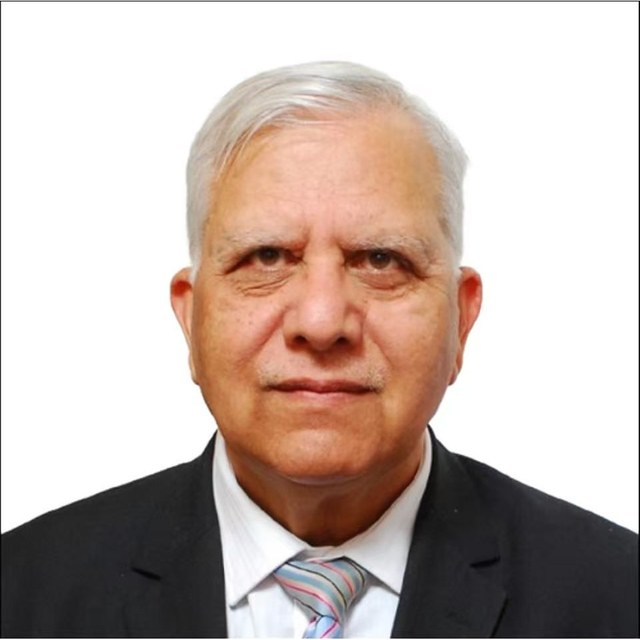
Zamir Ahmed Awan is the founder and Chair of the Global Silk Route Research Alliance, a think tank in Islamabad. He studied engineering at Shanghai University in the 1980s, and years later he went back to China as Pakistan's science counsellor in Beijing, from 2010 until 2016, working on science and higher education cooperation between the two countries.…