
The Middle East War and the Collapse of the Outsourced Security Illusion. 中东战争与外包安全幻象的崩溃.

(下边有中文翻译,请继续看到底。 谢谢。)
The latest escalation between the United States, Israel, and Iran has raised a serious question for the Middle East, Europe, and the wider world: Can any country safely outsource its national security to another power forever? For decades, many oil-rich Arab states relied heavily on American protection. They hosted U.S. military bases, bought expensive weapons, paid for security arrangements, and trusted that the American shield would be enough to deter any major threat.
That assumption is now under deep pressure!
The United States maintains a vast military footprint across the Middle East, including major facilities in Bahrain, Qatar, Kuwait, the UAE, Iraq, Jordan, and other locations. These bases are equipped with advanced aircraft, air-defense systems, radars, missile batteries, command centers, naval assets, and intelligence platforms. In theory, this network was designed to protect U.S. interests, secure energy routes, reassure Gulf allies, and deter Iran. In practice, recent events have shown that even the most advanced military architecture can be vulnerable when facing a determined regional power with missiles, drones, and asymmetric capabilities.
Iran has lived under sanctions, isolation, and economic pressure for decades. Yet it still developed a serious missile and drone capability. This does not mean Iran is stronger than the United States. It is not. But it does show that modern warfare is no longer only about aircraft carriers, stealth fighters, and billion-dollar defense systems. A sanctioned country can still create pressure through cheaper, mobile, dispersed, and difficult-to-stop weapons. The battlefield has changed. The old myth of complete American military invincibility has been shaken.
American bases in the region have been targeted and damaged to a certain extent, and Arab host countries have discovered that hosting a foreign power does not automatically guarantee immunity from war. Protection can become exposure.
This is the central lesson for Arab states. For too long, some of them invested more in imported security than in sovereign defense capacity. Their armed forces were often built around regime protection, internal stability, border policing, and ceremonial strength rather than preparation for complex regional war. In some countries, security forces became more experienced in controlling expatriate labor, checking documents, protecting royal families and maintaining internal order than in facing missile warfare, drone swarms, cyberattacks or full-scale military escalation.
This model may have worked in peaceful periods, but it is not enough for the new era. A modern state cannot rely only on foreign bases and imported weapons. It needs trained personnel, local defense industries, integrated air defenses, civil defense systems, cyber resilience, emergency planning, strategic autonomy, and political wisdom. Real security is not purchased. It is built.
The lesson is not only for the Middle East. Europe must also think seriously. Since the Second World War, many European countries have lived under the American security umbrella through NATO. This arrangement brought stability, but it also encouraged dependence. Europe became economically powerful but strategically incomplete. Many European states reduced defense capacity, neglected industrial preparedness, and assumed that Washington would always lead, always pay, and always protect.
That assumption is increasingly risky. The United States is facing internal polarization, changing strategic priorities, a rising focus on Asia, financial pressure, and public fatigue with foreign commitments. American politics can change sharply from one administration to another. Europe must ask uncomfortable but necessary questions: if a major crisis comes, will Washington act quickly? Will American voters accept another costly confrontation? Can Europe defend itself if U.S. support is delayed, reduced, or conditional? Is NATO strong because Europe is strong, or because America is strong?
These questions do not mean Europe should abandon NATO. NATO remains one of the most important security alliances in modern history. But Europe must stop treating NATO as a substitute for European capability. An alliance is strongest when all members are capable, not when most members depend on one.
The way forward is clear. Arab states should diversify security partnerships, invest in domestic defense industries, develop missile and drone defense, strengthen regional diplomacy, and reduce their dependence on foreign military guarantees. They should also prioritize political settlement, because no defense system can protect a region that is permanently trapped in confrontation.
Europe should build a stronger European pillar inside NATO. This means more defense spending, but not spending blindly. Europe needs ammunition production, air defense, cyber capability, drones, intelligence coordination, military mobility, energy security, and strategic manufacturing. It must also develop a political culture that understands defense as a long-term responsibility, not a temporary reaction to fear.
For the youth, especially Gen-Z, this debate is vital. They will inherit the consequences of today’s security choices. They must ask whether their countries are spending wisely, whether foreign alliances are balanced, whether war is being normalized, and whether diplomacy is being neglected. They should not accept slogans about superpowers, invincibility, or permanent protection without questioning them.
The Middle East crisis has exposed a hard truth: dependence is not security. A country that cannot defend itself, feed itself, power itself, or make independent decisions is never fully sovereign. The United States may remain powerful, but it cannot be everywhere, protect everyone, and absorb every risk. The Arab world and Europe must learn this lesson before the next crisis arrives.
Security in the 21st century must be sovereign, regional, technological, and diplomatic. The future belongs not to those who buy protection, but to those who build resilience!
中东战争与“外包安全”幻觉的崩塌
美国、以色列与伊朗之间最新一轮局势升级,向中东、欧洲乃至更广泛的世界提出了一个严肃问题:任何国家是否能够永远安全地把本国国家安全外包给另一个大国?几十年来,许多石油资源丰富的阿拉伯国家高度依赖美国保护。它们接纳美国军事基地,购买昂贵武器,为安全安排支付高昂费用,并相信美国的保护伞足以威慑任何重大威胁。
如今,这一假设正承受巨大压力!
美国在中东保持着庞大的军事存在,包括在巴林、卡塔尔、科威特、阿联酋、伊拉克、约旦以及其他地区的重要设施。这些基地配备了先进战机、防空系统、雷达、导弹阵地、指挥中心、海军资产和情报平台。理论上,这一网络旨在保护美国利益、保障能源通道安全、安抚海湾盟友并威慑伊朗。但在实践中,近期事件表明,即使是最先进的军事体系,在面对一个拥有导弹、无人机和非对称作战能力、意志坚定的地区国家时,也可能存在脆弱性。
伊朗几十年来一直承受制裁、孤立和经济压力。然而,它依然发展出了相当严肃的导弹和无人机能力。这并不意味着伊朗比美国更强大。事实并非如此。但这确实说明,现代战争已不再只是关于航空母舰、隐形战机和价值数十亿美元的防御系统。一个遭受制裁的国家,仍然可以通过更廉价、机动、分散且难以拦截的武器制造压力。战场已经改变。美国军事完全不可战胜的旧神话已经被动摇。
美国在该地区的基地已经成为目标,并在一定程度上遭到破坏。阿拉伯东道国也发现,接纳外国大国并不会自动保证自己免受战争影响。保护有时会变成暴露。
这正是阿拉伯国家需要吸取的核心教训。长期以来,其中一些国家在“进口安全”上的投入,远远超过了对自主防卫能力的建设。它们的武装力量往往围绕政权保护、内部稳定、边境管控和象征性军事实力来建设,而不是为复杂的地区战争做准备。在一些国家,安全部队在管理外籍劳工、检查证件、保护王室和维持内部秩序方面更有经验,而不是在应对导弹战争、无人机蜂群、网络攻击或全面军事升级方面具备充分准备。
这种模式在和平时期或许能够运转,但它已经无法满足新时代的需要。一个现代国家不能只依靠外国基地和进口武器。它需要训练有素的人员、本土国防工业、一体化防空体系、民防系统、网络韧性、应急规划、战略自主和政治智慧。真正的安全不是买来的,而是建设出来的。
这一教训不仅属于中东,欧洲也必须认真思考。自第二次世界大战以来,许多欧洲国家通过北约生活在美国安全保护伞之下。这一安排带来了稳定,但也助长了依赖。欧洲在经济上变得强大,但在战略上并不完整。许多欧洲国家削弱了防务能力,忽视了工业准备,并默认华盛顿会永远领导、永远买单、永远保护。
这种假设正变得越来越危险。美国正面临内部政治极化、战略重点变化、对亚洲关注上升、财政压力以及民众对海外承诺的疲惫。美国政治可能随着不同政府上台而急剧变化。欧洲必须提出一些令人不安但必要的问题:如果重大危机到来,华盛顿会迅速行动吗?美国选民会接受另一场代价高昂的对抗吗?如果美国支持被推迟、减少或附加条件,欧洲能否保护自己?北约之所以强大,是因为欧洲强大,还是因为美国强大?
这些问题并不意味着欧洲应该放弃北约。北约仍然是现代历史上最重要的安全联盟之一。但欧洲必须停止把北约当作欧洲自身能力的替代品。一个联盟最强大的时候,是所有成员都有能力的时候,而不是大多数成员都依赖其中一个成员的时候。
前进的道路是清楚的。阿拉伯国家应该实现安全伙伴关系多元化,投资本国国防工业,发展导弹和无人机防御能力,加强地区外交,并减少对外国军事保障的依赖。它们也应优先推动政治解决,因为没有任何防御系统能够保护一个长期陷入对抗的地区。
欧洲应该在北约内部建设一个更强大的欧洲支柱。这意味着需要增加防务开支,但不能盲目花钱。欧洲需要弹药生产、防空能力、网络能力、无人机、情报协调、军事机动能力、能源安全和战略制造能力。欧洲还必须形成一种政治文化,把防务理解为长期责任,而不是面对恐惧时的临时反应。
对于年轻人,尤其是Z世代而言,这场辩论至关重要。他们将继承今天安全选择所带来的后果。他们必须追问:自己的国家是否在明智地花钱?外国联盟是否平衡?战争是否正在被常态化?外交是否正在被忽视?他们不应在不加质疑的情况下接受关于超级大国、不可战胜或永久保护的口号。
中东危机暴露了一个残酷事实:依赖并不等于安全。一个不能自我防卫、不能自我供给粮食、不能保障能源、不能独立决策的国家,永远不是真正完全主权的国家。美国或许仍然强大,但它不可能无处不在,保护所有人,并承担所有风险。阿拉伯世界和欧洲必须在下一场危机到来之前吸取这一教训。
21世纪的安全必须是自主的、地区性的、技术性的和外交性的。未来不属于那些购买保护的人,而属于那些建设韧性的人!
(注意: 本文是用AI翻译的,或有误差。请以原版英文为准。谢谢。)
Reference Link:- https://sovereignista.com/2026/07/13/the-middle-east-war-and-the-collapse-of-the-outsourced-security-illusion/
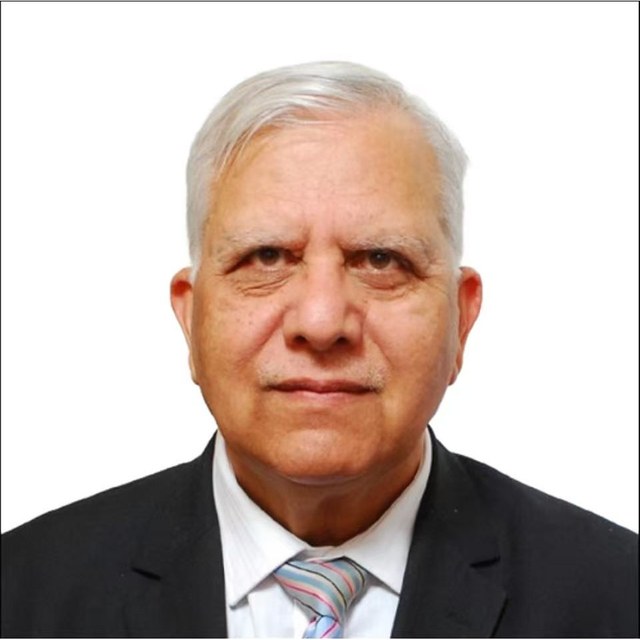
Zamir Ahmed Awan is the founder and Chair of the Global Silk Route Research Alliance, a think tank in Islamabad. He studied engineering at Shanghai University in the 1980s, and years later he went back to China as Pakistan's science counsellor in Beijing, from 2010 until 2016, working on science and higher education cooperation between the two countries.…