
Pakistan: The 2026-27 Annual Plan
Wire desk byline Sourced from Xinhua, Dawn, Arab News, Anadolu and Minute Mirror. Translated and abridged by the GSRRA Desk.

The Annual Plan for 2026-27 has been released by the Planning Commission of the Government of Pakistan. It has been given the title of Uraan, Pakistan. The Plan contains the targets for 2026-27 for key macroeconomic variables, including the following:
- GDP and sectoral growth
- Investment and savings
- Rate of inflation
- Exports, imports and remittances
The target generally most focused on is the GDP growth rate. The Annual Plan for 2025-26 had set a GDP growth rate target of 4.2 percent. There has been a significant shortfall and the actual growth rate is likely to be 3.7 percent.
However, the surprise is the big difference in the sectoral growth rates in 2025-26 between the Annual Plan and the estimates of the Pakistan Bureau of Statistics (PBS). This is shown in the Table below:
It is indeed a remarkable coincidence that despite the big differences in sectoral growth rates, the overall GDP growth rate arrived at is the same at 3.7 percent. Administratively, the PBS is attached to the Ministry of Planning and Development, and yet there appears to be a lack of coordination.
The sectoral performance in 2025-26 has implications for the projection of the sectoral growth rates and the overall GDP growth rate. The Annual Plan projections are as follows:
The targeted growth rate in 2026-27 in the Annual Plan is 4.0 percent, a marginal step forward from the growth rate of 3.7 percent in 2025-26. A big jump is proposed in the growth rate of agriculture from 1.5 percent to 3.6 percent. This appears unlikely given the crisis in cultivation of cotton and the lack of access of farmers to a profitable price of wheat.
The growth rate of industry is actually expected to fall from 5.6 percent in 2025-26 to 4.5 percent in 2026-27. This probably adjusts for the jump in 2025-26 due to the 60 percent increase in the automotive industry following the big increase in imports.
The growth rate of the services sector is expected to accelerate somewhat from 3.1 percent to 4.1 percent, according to the Annual Plan. The sub-sectors in services sector that showed high growth rates in 2025-26 were public administration and defence, education, health and information and communications. Ideally, from the viewpoint of employment creation, the faster growth sectors should be wholesale and retail trade and transport.
Overall, the targeted GDP growth rate of 4 percent in 2026-27 is potentially an attainable target, especially if the situation in the Middle East returns to normal and the flow of ships freely commences in the Strait of Hormuz. Also, a return to oil and gas imports at lower prices from Iran will facilitate economic growth.
The investment target has been set at 15 percent of the GDP in 2026-27 as compared to 14.4 percent of the GDP in 2025-26. The last time the investment level reached 15 percent of the GDP was in 2021-22. Achieving the higher level of investment in 2026-27 will require a quantum decline in interest rates
Also, the issue is one of the sectoral distribution of investment in the country. There has been a process of diversion of private and public sector investment from manufacturing to real estate. In 2015-16, investment in manufacturing was 38 percent above the level of investment in real estate. A decade later, in 2025-26, it is 44 percent below the level of investment in real estate. The 2026-27 Federal Budget has actually increased, albeit wrongly, the incentives for investment in real estate.
The rate of inflation is targeted at 7.5 percent in 2026-27. Before the commencement of the war in the Middle East, the inflation rate had remained low at 5.5 percent from July to February in 2025-26. Since then, it has averaged 10 percent up to May 2026.
The big impact on the rate of inflation was the quantum jump in oil prices, due to the big increase in international prices. However, there has been a big fall recently in prices of HSD oil and Motor Spirit. This ought to facilitate a decline in the price level and a big reduction in the rate of inflation.
The projected rate of inflation at 8.5 percent may actually turn out to be somewhat on the high side if peace returns on a sustainable basis in the Middle East. This ought to also facilitate some reduction in interest rates by the SBP in 2026-27.
The projections of the current account in the balance of payments for 2026-27 are conditional, especially on the performance of exports. They have declined by 5 percent in the first eleven months of 2025-26. However, now the expectation in the Annual Plan for 2026-27 is that they will show a high growth rate of almost 9 percent.
This is unlikely unless exporters are facilitated with a market-based exchange rate policy. As of May 2026, the level of the Real Effective Exchange Rate (REER) is 106.15. This implies significant overvaluation of the rupee. The SBP will need to focus on this issue in 2026-27.
Further, there are reports of some contraction in the capacity of the textile industry due to numerous factory closures. The budget of 2026-27 should have come with strong fiscal incentives for investment in export-oriented industries.
Imports have already registered a growth rate of 8 percent in 2025-26. The Plan anticipates the growth rate at 5.6 percent in 2026-27. This will, of course, hinge on the level of oil prices.
Remittances are expected to show a modest growth rate of only 2.9 percent in 2026-27. This is a realistic projection. However, there will be a need to focus especially on developments in the UAE and Saudi Arabia.
The current account deficit is projected at USD 3.6 billion in 2026-27, as compared to only USD 1.1 billion in 2025-26. This will, of course, hinge on the export performance next year.
Overall, the Annual Plan targets for 2026-27 need to be achieved if there is to be a modicum of growth combined with stabilization of the economy. However, the achievement of the 4 percent GDP growth target will still imply a rise in the unemployment rate in the economy. The ambitious Uraan plan targets that will need to be achieved in the years to come.
Reference Link:- https://www.brecorder.com/news/40427747
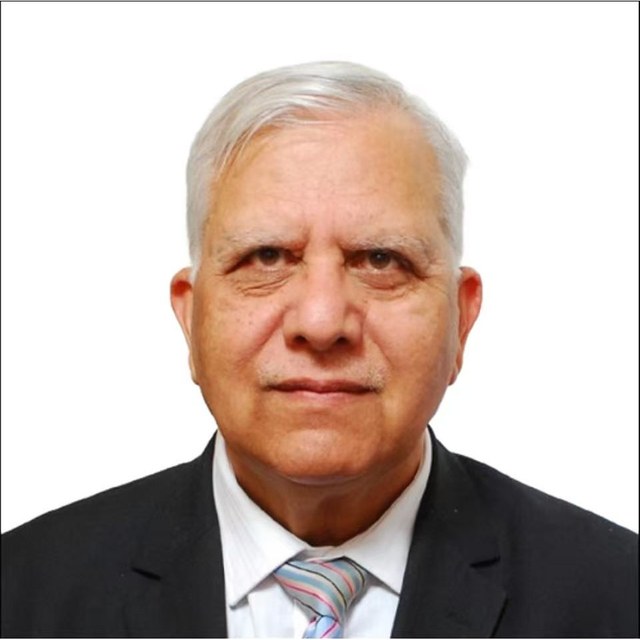
Zamir Ahmed Awan is the founder and Chair of the Global Silk Route Research Alliance, a think tank in Islamabad. He studied engineering at Shanghai University in the 1980s, and years later he went back to China as Pakistan's science counsellor in Beijing, from 2010 until 2016, working on science and higher education cooperation between the two countries.…