
SCO at 25: Pakistan’s Commitment to a Shared Future of Peace. SCO成立25周年:巴基斯坦对和平共同未来的承诺.
Wire desk byline Sourced from Xinhua, Dawn, Arab News, Anadolu and Minute Mirror. Translated and abridged by the GSRRA Desk.

India’s Isolation at the SCO: A Misfit in a Multipolar Asia. 印度在上合组织中的孤立:多极化亚洲中的一个不合拍者。
The twenty-fifth anniversary of the Shanghai Cooperation Organization (SCO) marks an important milestone in the evolution of one of the world’s most influential regional organizations. What began in 2001 as a modest platform for confidence-building and regional security has today transformed into a comprehensive framework for political dialogue, economic cooperation, cultural exchange and sustainable development across Eurasia. As the SCO celebrates its silver jubilee, it is an opportune moment to reflect on its achievements, assess its future direction, and recognize Pakistan’s growing contribution to this dynamic regional organization.
上海合作组织(SCO)成立二十周年,标志着这一全球最具影响力的区域组织发展历程中的重要里程碑。自2001年作为建立互信与地区安全的初步平台起步以来,如今已发展为涵盖欧亚大陆政治对话、经济合作、文化交流和可持续发展的综合性框架。在SCO迎来成立二十周年之际,正是反思其成就、评估未来发展方向,并肯定巴基斯坦对这一充满活力的区域组织日益增长贡献的良机。
The SCO emerged at a time when the international system was undergoing significant transformation. The organization was founded on the principles of mutual trust, mutual benefit, equality, consultation, respect for cultural diversity and the pursuit of common development. Collectively known as the “Shanghai Spirit,” these principles have enabled member states with different political systems, economic models, cultural traditions and historical experiences to work together constructively.
上海合作组织诞生于国际体系发生深刻变革的时期。该组织以互信、互利、平等、协商、尊重文化多样性以及追求共同发展的原则为基础。这些被称为“上海精神”的原则,使不同政治体制、经济模式、文化传统和历史经验的成员国能够开展建设性合作。
Over the past twenty-five years, the SCO has evolved into a major pillar of regional cooperation. Today, it represents a significant portion of the world’s population, territory and economic output. More importantly, it has demonstrated that countries can cooperate based on mutual respect, sovereign equality and shared interests rather than confrontation or bloc politics. In an era marked by geopolitical tensions, economic uncertainty and growing global challenges, the SCO offers an alternative model centered on dialogue, inclusivity and win-win cooperation.
过去二十五年来,上海合作组织已发展成为区域合作的重要支柱。如今,它覆盖了全球相当一部分人口、领土和经济产出。更重要的是,它证明了各国可以通过相互尊重、主权平等和共同利益,而非对抗或集团政治,开展合作。在地缘政治紧张、经济不确定以及全球挑战日益加剧的时代,上海合作组织提供了一种以对话、包容和互利共赢为核心的替代模式。
Pakistan’s relationship with the SCO reflects its long-standing commitment to regional peace, connectivity and multilateral diplomacy. From its initial engagement as an observer state to becoming a full member in 2017, Pakistan has consistently viewed the organization as an important platform for advancing collective prosperity and regional stability.
巴基斯坦与上合组织的关系体现了其长期以来对地区和平、互联互通和多边外交的坚定承诺。从最初以观察员身份参与,到2017年成为正式成员国,巴基斯坦始终将该组织视为推动集体繁荣和区域稳定的重要平台。
Pakistan’s accession to the SCO as a full member was not merely a diplomatic achievement. It represented a strategic recognition of the country’s geographic significance, economic potential and constructive role in regional affairs. Situated at the crossroads of South Asia, Central Asia, West Asia and China, Pakistan occupies a unique position in the broader Eurasian landscape. This strategic location enables Pakistan to serve as a natural bridge connecting diverse regions, markets and peoples.
Since becoming a full member, Pakistan has actively participated in SCO initiatives and mechanisms. The country’s engagement has expanded across multiple sectors, including security cooperation, trade facilitation, connectivity projects, poverty alleviation, cultural exchanges and sustainable development. Pakistan’s contributions reflect its belief that regional challenges require collective solutions and that shared prosperity can only be achieved through cooperation and partnership.
自成为正式成员以来,巴基斯坦积极参与上海合作组织的各项倡议和机制。该国的参与已涵盖多个领域,包括安全合作、贸易便利化、互联互通项目、减贫、文化交流以及可持续发展。巴基斯坦的贡献体现了其坚信,地区性挑战需要集体应对,唯有通过合作与伙伴关系才能实现共同繁荣。
One of Pakistan’s most significant contributions to the SCO has been its active role in promoting regional security. As a country that has paid a tremendous price in the fight against terrorism, Pakistan understands the importance of collective efforts against threats that transcend national borders. For decades, Pakistan has remained at the frontline of counterterrorism efforts and has made immense sacrifices to safeguard regional and global security.
Within the SCO framework, Pakistan strongly supports cooperation against the “three evils” of terrorism, separatism and extremism. The country’s current chairmanship of the SCO Regional Anti-Terrorist Structure (SCO-RATS) for 2025-2026 reflects the confidence that member states place in Pakistan’s experience and leadership. Through intelligence sharing, joint exercises, policy coordination and capacity building, Pakistan continues to contribute to strengthening regional security mechanisms and enhancing collective resilience against emerging threats.
Security, however, represents only one dimension of the SCO’s broader agenda. Economic cooperation and connectivity have become equally important pillars of the organization. Pakistan strongly believes that sustainable peace and stability cannot be achieved without economic development, job creation and regional integration.
In this regard, the China-Pakistan Economic Corridor (CPEC) offers a valuable model for trans-regional connectivity. As a flagship project of the Belt and Road Initiative, CPEC has demonstrated how infrastructure development can create new opportunities for trade, investment, industrial cooperation and people-to-people exchanges. The development of modern transportation networks, energy projects, special economic zones and digital connectivity has strengthened Pakistan’s economic foundations while creating opportunities for broader regional integration.
The connectivity potential of CPEC extends beyond Pakistan and China. It can serve as a gateway linking Central Asia, South Asia and the wider SCO region through efficient transportation corridors and trade routes. Enhanced connectivity can reduce transportation costs, facilitate market access and create new opportunities for businesses across member states. In this context, Pakistan’s strategic location and growing infrastructure network position it as an important contributor to Eurasian economic integration.
Pakistan’s commitment to inclusive development is also reflected in its leadership role within the SCO’s poverty alleviation initiatives. As the permanent chair of the SCO Special Working Group on Poverty Alleviation, Pakistan recognizes that economic growth must translate into tangible improvements in people’s lives. Poverty remains one of the most pressing challenges facing many countries across the region. Addressing this challenge requires the sharing of best practices, technical expertise, development experiences and innovative policy solutions.
Pakistan’s own development journey provides valuable lessons in social protection, agricultural development, financial inclusion and community-based initiatives. Through the SCO platform, member states can learn from each other’s experiences and develop coordinated approaches to improving living standards and promoting inclusive growth.
The organization has also expanded its focus to address emerging challenges and opportunities in the twenty-first century. Digital transformation, artificial intelligence, cybersecurity, renewable energy, climate resilience and public health have become increasingly important areas of cooperation. Pakistan welcomes these developments and remains eager to contribute actively to regional initiatives in these sectors.
Climate change, in particular, presents a shared challenge requiring collective action. Many SCO member states face similar vulnerabilities, including extreme weather events, water scarcity, environmental degradation and food security concerns. Pakistan’s experience with climate-related disasters has reinforced the importance of regional cooperation in adaptation, mitigation and disaster management. Through the SCO framework, countries can strengthen collaboration in renewable energy development, environmental protection and sustainable resource management.
Another important dimension of SCO cooperation is the promotion of cultural understanding and people-to-people exchanges. The region represented by the SCO is home to some of the world’s oldest civilizations, rich cultural traditions and diverse societies. Strengthening educational, cultural and tourism exchanges helps build mutual trust and fosters deeper understanding among peoples.
Pakistan’s cultural heritage, historical connections and hospitality make it a valuable contributor to these efforts. Academic exchanges, youth programs, tourism initiatives and cultural festivals can further strengthen bonds among SCO member states and promote a greater sense of regional community.
The year ahead carries special significance for Pakistan and the SCO. Pakistan will assume the chairmanship of the SCO Council of Heads of State later this year and will host the SCO Summit in 2027. This responsibility represents both an honor and an opportunity. It reflects the trust and confidence that member states have placed in Pakistan’s ability to contribute constructively to the organization’s future development.
As chair, Pakistan intends to promote a forward-looking and action-oriented agenda. Priority areas will include strengthening economic cooperation, enhancing connectivity, promoting sustainable development, expanding digital collaboration, improving food security and deepening people-to-people exchanges. Pakistan will continue working closely with all member states to ensure that the SCO remains responsive to emerging challenges while remaining faithful to the principles of the Shanghai Spirit.
Looking ahead, the future of the SCO appears promising. The organization possesses the institutional experience, geographic reach and political will necessary to play an increasingly important role in shaping the future of Eurasia. As global challenges become more complex and interconnected, platforms that encourage dialogue, cooperation and mutual respect will become even more valuable.
For Pakistan, the SCO represents more than a regional organization. It embodies a vision of cooperative security, shared prosperity and inclusive development. It provides an opportunity for countries to work together as equal partners in the pursuit of common goals. It demonstrates that differences can be managed through dialogue and that cooperation can generate benefits for all.
As the SCO celebrates its twenty-fifth anniversary, there is much to celebrate and even more to anticipate. Guided by the enduring principles of the Shanghai Spirit, member states have laid a strong foundation for future cooperation. Pakistan remains fully committed to this shared journey and looks forward to contributing actively to a more peaceful, connected and prosperous Eurasian region.
The silver jubilee of the SCO is not merely a celebration of past achievements. It is a reaffirmation of a collective commitment to build a future defined by cooperation rather than confrontation, partnership rather than division, and shared prosperity rather than exclusive advantage. Together, the SCO family can continue transforming this vision into reality for future generations.
Reference Link:- https://thinktank.pk/2026/06/23/sco-at-25-pakistans-commitment-to-a-shared-future-of-peace/
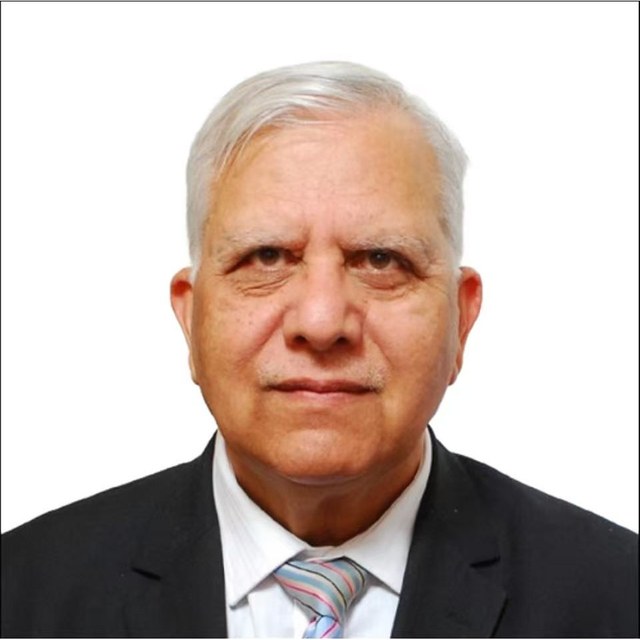
Zamir Ahmed Awan is the founder and Chair of the Global Silk Route Research Alliance, a think tank in Islamabad. He studied engineering at Shanghai University in the 1980s, and years later he went back to China as Pakistan's science counsellor in Beijing, from 2010 until 2016, working on science and higher education cooperation between the two countries.…




It’s interesting to see how the SCO has grown, and Pakistan’s role seems increasingly important within that shift.
Thank you.