
Beijing at the Center: Putin’s China Visit and the Shape of a New Geopolitical Moment. 《北京居于中心位置:普京访华与新的地缘政治时刻的格局》
Wire desk byline Sourced from Xinhua, Dawn, Arab News, Anadolu and Minute Mirror. Translated and abridged by the GSRRA Desk.

(下边有中文翻译,请继续看到底。 谢谢。)

The recent visit of Russian President Vladimir Putin to Beijing came at a moment of deep global anxiety. The Iran conflict, involving the United States, Israel, and Iran, has shaken the Middle East and placed global energy security under severe pressure. The Strait of Hormuz, already one of the world’s most sensitive maritime passages, has again become a test of international diplomacy. In this tense atmosphere, Beijing has received the leaders of two major powers within days: first U.S. President Donald Trump, and then President Putin. This sequence is not an ordinary diplomatic calendar. It reflects China’s rising position as a central platform where competing powers seek dialogue, reassurance, and strategic adjustment.
The key takeaway from Putin’s visit is that China-Russia relations have moved beyond a routine partnership. During the Beijing talks, President Xi Jinping and President Putin signed a joint statement to further strengthen comprehensive strategic coordination and deepen good-neighborly cooperation. China’s foreign ministry described the relationship as a comprehensive strategic partnership for a new era, while also stressing non-alliance, non-confrontation, and not targeting any third party. This language is important. It shows that Beijing and Moscow are strengthening coordination, but China is careful to frame the relationship as constructive, sovereign, and stabilizing rather than a military bloc.
The visit also highlighted energy as the backbone of China-Russia cooperation. Russia remains a major energy supplier, while China is one of the world’s largest energy consumers. According to reporting from Beijing, the two sides emphasized expanding trade, oil and natural gas cooperation, technology, media, and people-to-people exchanges. More than 40 cooperation agreements were reportedly signed, and bilateral trade reached about $228 billion in 2025. This matters not only for bilateral relations but also for global markets. In a world where sanctions, war, and maritime disruption are affecting supply chains, a stable China-Russia economic corridor provides both countries with strategic depth.

Yet the impact of the visit goes far beyond energy. Putin’s arrival in Beijing only days after Trump’s China visit sent a clear message: China is not a passive observer of global politics; it is increasingly a convening power. The Trump-Xi meeting focused on strategic stability, trade, investment, supply chains, Iran, North Korea and the broader direction of U.S.-China relations. China’s official readout emphasized “constructive strategic stability,” manageable differences and cooperation as the mainstay of relations. The White House also stated that both leaders discussed Iran, the Strait of Hormuz, North Korea and economic institutions for trade and investment.
There is therefore a direct and indirect relationship between Trump’s visit and Putin’s visit. Directly, both visits were shaped by the same geopolitical emergency: the Iran war and the risk of wider regional escalation. Indirectly, both visits reflected a broader reality: neither Washington nor Moscow can ignore Beijing’s diplomatic weight. The United States came to Beijing seeking stability, economic understandings and possible Chinese support on Iran and maritime security. Russia came to Beijing to consolidate strategic coordination, energy cooperation and a shared view of multipolar global governance. The two visits were not identical, but they were connected by the same fact: China has become indispensable to crisis management.
The Iran crisis gives this moment special urgency. Reuters reported that Iran is seeking a mechanism with Oman to ensure sustainable security in the Strait of Hormuz, while the conflict has severely disrupted global energy flows. China’s position has been consistent: dialogue and negotiation are the correct way forward, while the use of force is a dead end. Beijing has called for reopening shipping lanes, stabilizing supply chains and achieving a lasting ceasefire in the Middle East and Gulf region. This is where China’s role becomes constructive. It can speak with Iran, maintain channels with Russia, engage Gulf countries, and still communicate with Washington. Few powers have such diplomatic reach.

Putin’s visit also reinforces the idea of a multipolar world. For decades, international politics was largely shaped by U.S. dominance. That era is changing. Multipolarity does not mean chaos; if managed responsibly, it means that different civilizations, regions and powers participate in global decision-making. China and Russia both oppose unilateralism and emphasize the United Nations system, sovereignty and non-interference. In Beijing, Xi warned against a world returning to the “law of the jungle” and called for a more just and equitable global governance system. This is a diplomatic message directed not only to the West, but also to the developing world, which increasingly demands respect, voice and development space.
At the same time, China must manage its balance carefully. Beijing cannot allow its partnership with Moscow to be interpreted as hostility toward Washington. Nor can it allow U.S. pressure to weaken its strategic trust with Russia. The best Chinese approach is already visible: maintain a strong China-Russia partnership, preserve dialogue with the United States, avoid formal bloc politics, and continue presenting itself as a stabilizing force. This is a difficult balance, but it is also China’s diplomatic advantage. Unlike Cold War logic, China’s preferred model is not “choose one side,” but “cooperate where possible, manage differences where necessary, and prevent confrontation where dangerous.”

This balanced approach is especially important for countries in Asia, the Middle East, Africa and the Global South. These countries do not want another Cold War. They want energy security, trade stability, infrastructure investment, food security, technology transfer and peaceful development. If China can help reduce tensions in the Gulf, support open maritime routes, encourage U.S.-Russia-China communication and strengthen multilateral institutions, then Beijing’s diplomacy will be seen not as power politics but as public-goods diplomacy.
The possible future scenario is therefore mixed but not hopeless. In the short term, the Iran conflict may continue to pressure oil prices, shipping insurance, supply chains and regional security. The Strait of Hormuz will remain a flashpoint. U.S.-China relations will remain competitive, especially in technology, trade and strategic influence. Russia-West relations will remain tense because of Ukraine and sanctions. But in this unstable environment, the Beijing meetings may open space for a more managed form of competition.
A positive scenario would have four elements. First, China, Russia, the United States, Iran, Oman, and the Gulf states could support a maritime-security mechanism for Hormuz that protects commercial shipping and reduces the risk of direct confrontation. Second, the United Nations Security Council could be used more actively to push for a ceasefire and political settlement. Third, China and the United States could continue the idea of strategic stability, keeping economic and military communication channels open. Fourth, China and Russia could deepen practical cooperation without turning their partnership into a closed anti-Western bloc.

For China-Russia bilateral relations, Putin’s visit will likely strengthen political trust, energy cooperation, technological collaboration, and coordination in international forums. But the more significant point is psychological: both sides now see each other as long-term strategic partners in a changing world. For Russia, China provides economic resilience and diplomatic space. For China, Russia provides energy security, strategic depth, and support for multipolar governance. Their relationship is not without asymmetry or complexity, but it is durable because it is based on converging interests.
For the global order, the lesson is clear. The world cannot afford a politics of humiliation, sanctions, military escalation, and zero-sum rivalry. The Iran war has shown how quickly a regional conflict can become a global economic danger. The back-to-back visits of Trump and Putin to Beijing show that China is now one of the few capitals where rival powers can still seek influence, communication, and strategic reassurance. This does not mean China will solve every crisis alone. It means China is increasingly central to any serious solution.

The coming months will test Beijing’s diplomatic maturity. If China can maintain principled neutrality, deepen relations with Russia, stabilize communication with the United States, and support peace in the Middle East, it will strengthen its image as a responsible major power. Putin’s visit was therefore not merely a bilateral event. It was a signal that the international system is moving toward a more plural, more negotiated, and more multipolar order. In that order, China’s greatest strength will not be confrontation, but balance; not dominance, but coordination; not rhetoric, but patient diplomacy.

《北京居于中心位置:普京访华与新的地缘政治时刻的格局》
俄罗斯总统弗拉基米尔·普京近期访问北京,正值全球深度焦虑之时。涉及美国、以色列和伊朗的伊朗冲突震动了中东,并使全球能源安全承受巨大压力。霍尔木兹海峡本就是世界上最敏感的海上通道之一,如今再次成为国际外交能力的考验。在这种紧张氛围下,北京在数日之内接待了两位大国领导人:先是美国总统唐纳德·特朗普,随后是普京总统。这一安排并不是普通的外交日程,而是反映出中国日益上升的地位:中国正在成为竞争性大国寻求对话、 reassurance(战略安抚)和战略调整的中心平台。
普京此次访问的关键意义在于,中俄关系已经超越了一般伙伴关系。在北京会谈期间,习近平主席和普京总统签署联合声明,进一步加强全面战略协作,深化睦邻友好合作。中国外交部将这一关系描述为新时代全面战略协作伙伴关系,同时强调不结盟、不对抗、不针对第三方。这一表述非常重要。它说明北京和莫斯科正在加强协调,但中国也谨慎地将这种关系定义为建设性、主权性和稳定性的关系,而不是军事集团。
此次访问也突出表明,能源是中俄合作的核心支柱。俄罗斯仍然是主要能源供应国,而中国是世界最大能源消费国之一。据北京方面报道,双方强调扩大贸易、石油和天然气合作、技术、媒体以及人文交流。据称,双方签署了40多项合作协议,2025年双边贸易额达到约2280亿美元。这不仅对双边关系重要,也对全球市场具有意义。在一个制裁、战争和海上运输中断影响供应链的世界中,稳定的中俄经济走廊为两国提供了战略纵深。
然而,此次访问的影响远远超出能源领域。普京在特朗普访华后仅数日抵达北京,释放出一个明确信号:中国不是全球政治的被动观察者,而是越来越具有召集能力的大国。特朗普与习近平的会晤重点涉及战略稳定、贸易、投资、供应链、伊朗、朝鲜以及中美关系的总体方向。中国官方通报强调“建设性战略稳定”、分歧可控以及合作作为关系主线。白宫也表示,两位领导人讨论了伊朗、霍尔木兹海峡、朝鲜以及贸易和投资相关经济机制。
因此,特朗普访华与普京访华之间既有直接关系,也有间接关系。直接来看,两次访问都受到同一地缘政治紧急局势的影响:伊朗战争以及地区局势进一步升级的风险。间接来看,两次访问都反映出一个更广泛的现实:无论是华盛顿还是莫斯科,都无法忽视北京的外交分量。美国来到北京,是为了寻求稳定、经济共识,以及中国在伊朗和海上安全问题上的可能支持。俄罗斯来到北京,是为了巩固战略协调、能源合作以及对多极全球治理的共同看法。两次访问并不相同,但它们由同一个事实联系在一起:中国已经成为危机管理中不可或缺的力量。
伊朗危机使这一时刻具有特殊紧迫性。路透社报道称,伊朗正在寻求同阿曼建立一种机制,以确保霍尔木兹海峡的可持续安全,而冲突已经严重扰乱全球能源流动。中国的立场一直是一贯的:对话和谈判才是正确出路,使用武力是死路。北京呼吁重新开放航运通道、稳定供应链,并在中东和海湾地区实现持久停火。这正是中国角色具有建设性的地方。中国能够同伊朗对话,保持同俄罗斯的沟通渠道,接触海湾国家,同时仍然与华盛顿沟通。很少有大国具备这样的外交覆盖面。
普京访问还进一步强化了多极世界的理念。几十年来,国际政治主要由美国主导塑造。但这一时代正在发生变化。多极化并不意味着混乱;如果得到负责任的管理,它意味着不同文明、地区和大国共同参与全球决策。中国和俄罗斯都反对单边主义,强调联合国体系、主权和不干涉。在北京,习近平警告世界不要回到“丛林法则”,并呼吁建立更加公正合理的全球治理体系。这一外交信息不仅是面向西方,也面向发展中国家,因为它们越来越要求获得尊重、话语权和发展空间。
与此同时,中国必须谨慎处理平衡。北京不能让中俄伙伴关系被解读为对华盛顿的敌意,也不能让美国压力削弱其与俄罗斯的战略互信。中国最合适的做法已经很清楚:保持强有力的中俄伙伴关系,保留同美国的对话,避免正式的阵营政治,并继续将自己塑造为稳定力量。这是一种困难的平衡,但也是中国的外交优势。不同于冷战逻辑,中国更倾向的模式不是“选择一方”,而是“能合作时合作,必要时管控分歧,危险时防止对抗”。
这种平衡方式对亚洲、中东、非洲和全球南方国家尤其重要。这些国家不希望出现新的冷战。它们需要能源安全、贸易稳定、基础设施投资、粮食安全、技术转让以及和平发展。如果中国能够帮助缓和海湾紧张局势,支持开放海上通道,推动美俄中沟通,并加强多边机构,那么北京外交将被视为公共产品外交,而不是权力政治。
因此,未来可能出现的情景是复杂的,但并非没有希望。短期内,伊朗冲突可能继续对油价、航运保险、供应链和地区安全造成压力。霍尔木兹海峡仍将是一个热点。中美关系仍将保持竞争性,尤其是在技术、贸易和战略影响力方面。由于乌克兰问题和制裁,俄西关系也将继续紧张。但在这种不稳定环境中,北京会晤或许能够为一种更可控的竞争形式打开空间。
一种积极情景可能包含四个要素。第一,中国、俄罗斯、美国、伊朗、阿曼和海湾国家可以支持建立霍尔木兹海上安全机制,以保护商业航运并降低直接对抗风险。第二,可以更积极地利用联合国安理会,推动停火和政治解决。第三,中国和美国可以继续推进战略稳定理念,保持经济和军事沟通渠道开放。第四,中国和俄罗斯可以深化务实合作,同时避免将其伙伴关系变成一个封闭的反西方集团。
对于中俄双边关系而言,普京此次访问很可能会加强政治互信、能源合作、技术协作以及在国际论坛中的协调。但更重要的是心理层面:双方现在都将对方视为变化世界中的长期战略伙伴。对俄罗斯而言,中国提供了经济韧性和外交空间。对中国而言,俄罗斯提供了能源安全、战略纵深以及对多极治理的支持。两国关系并非没有不对称性和复杂性,但由于建立在趋同利益基础之上,因此具有持久性。
对于全球秩序而言,教训非常清楚。世界承受不起羞辱政治、制裁、军事升级和零和竞争。伊朗战争已经表明,地区冲突能够多么迅速地演变为全球经济风险。特朗普和普京相继访问北京表明,中国如今已经成为少数几个竞争性大国仍可寻求影响力、沟通和战略安抚的首都之一。这并不意味着中国能够单独解决所有危机,而是意味着中国正日益成为任何严肃解决方案中的核心力量。
未来几个月将考验北京的外交成熟度。如果中国能够保持原则性中立,深化同俄罗斯的关系,稳定同美国的沟通,并支持中东和平,那么它将进一步强化其作为负责任大国的形象。因此,普京此次访问不仅仅是一次双边事件。它是一个信号,表明国际体系正在走向更加多元、更加协商、更加多极的秩序。在这一秩序中,中国最大的优势不会是对抗,而是平衡;不是支配,而是协调;不是口号,而是耐心外交。
(注意: 本文是用AI翻译的,或有误差。请以原版英文为准。谢谢。)
Reference Link:- https://theopiniondesk.com/beijing-at-the-center/
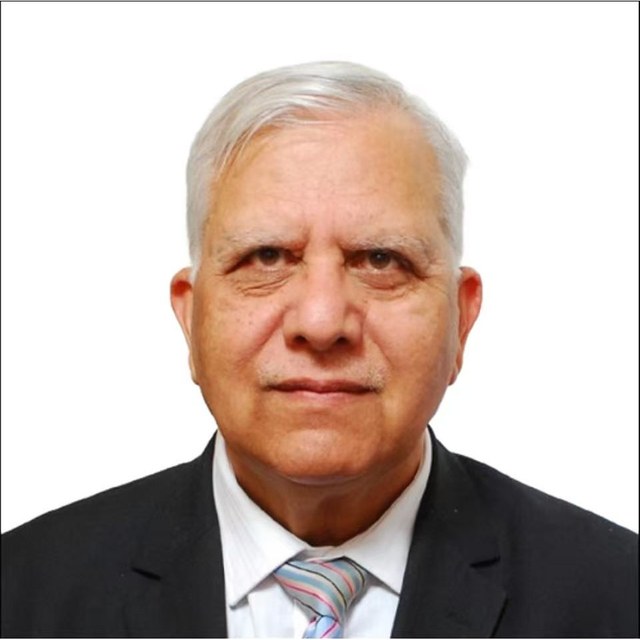
Zamir Ahmed Awan is the founder and Chair of the Global Silk Route Research Alliance, a think tank in Islamabad. He studied engineering at Shanghai University in the 1980s, and years later he went back to China as Pakistan's science counsellor in Beijing, from 2010 until 2016, working on science and higher education cooperation between the two countries.…






It’s definitely a pivotal moment with so much interconnected instability. The situation in the Strait of Hormuz is particularly concerning for global trade.
Wish for early restoration of peace.