

(下边有中文翻译,请继续看到底。 谢谢。)
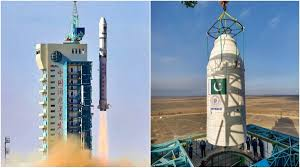
The successful launch of Pakistan’s indigenous electro-optical satellite EO-3 marks far more than a technological milestone; it symbolizes the steady rise of Pakistan as an emerging spacefaring nation and reflects the growing depth of Pakistan-China strategic cooperation in advanced science and technology. At a time when space has become a frontier of economic development, national security, scientific innovation, and international prestige, EO-3 stands as a powerful declaration that Pakistan is not merely observing the global space race from the sidelines but is increasingly becoming part of it.
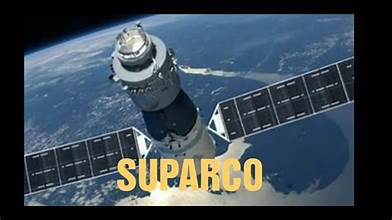
The achievement deserves to be viewed not as an isolated success, but as part of a larger and longer national journey led by the Pakistan Space and Upper Atmosphere Research Commission (SUPARCO), and strengthened substantially through decades of trusted cooperation with China.
Founded in 1961, SUPARCO was among the earliest space agencies in Asia and the Muslim world. It emerged with visionary ambitions at a time when few developing nations were thinking seriously about space sciences. In its formative years, SUPARCO demonstrated remarkable promise, launching sounding rockets and contributing to upper atmospheric research. However, like many institutions in developing countries, progress was at times constrained by financial and technological limitations.
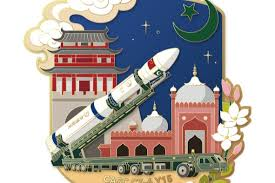
Today, however, the narrative is changing. With EO-3, Pakistan is reviving that early promise and entering a new era of scientific confidence.
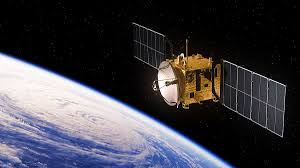
The importance of EO-3 lies not only in its indigenous electro-optical imaging capability but also in its strategic utility. The satellite will strengthen Pakistan’s earth observation network, support agriculture planning, climate monitoring, disaster management, water resource assessment, urban planning, and national development. Its advanced payloads — including AI-powered onboard data processing, enhanced imaging modules, and next-generation energy systems — indicate that Pakistan is moving beyond conventional satellite operations into more sophisticated domains associated with future space technologies.
This is not merely satellite development; it is the gradual construction of a knowledge-driven ecosystem.
A central pillar behind this progress has been Pakistan-China cooperation.
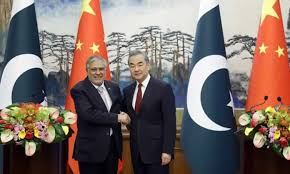
Few bilateral relationships in the world have evolved with the consistency, trust, and strategic depth of the Pakistan-China partnership. From infrastructure to defense, energy to education, and increasingly in high technology, the partnership has continued to expand into frontier domains. Space cooperation has become one of its most inspiring dimensions.
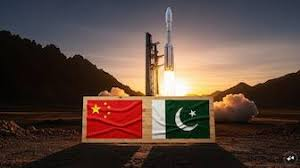
China has played a transformative role in strengthening Pakistan’s space capabilities. From satellite development assistance and launch cooperation to technical training, institutional support, and scientific exchanges, Chinese collaboration has significantly elevated SUPARCO’s capacity.
This cooperation has produced tangible milestones. Pakistan’s communications satellites, remote sensing platforms, and now increasingly advanced earth observation systems reflect a partnership rooted not simply in technology transfer, but in long-term capacity building.
China’s support has helped strengthen SUPARCO’s technical base, broaden scientific expertise, and cultivate a new generation of Pakistani engineers, researchers, and space professionals. Through training programs, collaborative missions, research partnerships, and exposure to advanced Chinese facilities, Pakistani scientists have gained invaluable experience in satellite engineering, mission planning, telemetry, remote sensing, and space systems integration.
This dimension is often understated but perhaps most consequential.
The true strength of any space program lies not merely in hardware, but in human capital.
And here, China’s contribution to developing Pakistan’s scientific talent has been profound.
Today, a growing pool of Pakistani scientists and engineers trained through cooperation with China is helping lay the foundation for a more resilient and technologically confident SUPARCO. This strengthening of institutional capacity equips Pakistan not only for current needs but for future challenges in an increasingly competitive space environment.
Particularly significant is the new chapter being opened through human spaceflight cooperation.
Pakistan’s participation in China’s space program, including the historic initiative for Pakistani astronauts to travel to space through Chinese missions, is a development of enormous symbolic and strategic importance. It elevates bilateral cooperation from satellite collaboration to human space exploration — a leap few nations have had the opportunity to make.
For Pakistan, sending astronauts into space will not simply be a matter of prestige; it will inspire a generation, stimulate STEM education, accelerate research ambitions, and signal Pakistan’s arrival in a highly advanced domain of scientific achievement.
For young Pakistanis, especially students of science and engineering, this carries transformative emotional power: it turns space from a distant dream into a national aspiration.
It also reflects the extraordinary generosity and confidence embedded in China’s partnership with Pakistan.
China today stands among the world’s leading space powers. Its rise in the space sector has been one of the great scientific stories of the modern era. From lunar exploration and the Beidou navigation system to Mars missions, reusable technologies, advanced launch systems, and its independently operated space station, China has demonstrated extraordinary technological advancement.
Its launch tempo has become one of the highest in the world, reflecting both capacity and strategic vision.
China is not only participating in the space age; it is helping shape it.
Its accomplishments have positioned it as a global leader in the space industry, and many observers increasingly recognize its growing influence and competitiveness in this domain. What is especially admirable is that China has sought to share opportunities in space development with partner countries, particularly developing nations.
In this context, China’s support to Pakistan is indeed a blessing — not merely because it offers technological assistance, but because it enables Pakistan to accelerate decades of progress through partnership, trust, and shared vision.
This reflects the broader spirit often associated with Pakistan-China relations: mutual benefit, strategic solidarity, and shared development.
Indeed, space cooperation aligns naturally with the broader vision of the China-Pakistan Economic Corridor and the two countries’ wider scientific and technological cooperation agenda. Increasingly, modern development depends on satellite infrastructure — whether for agriculture, logistics, climate resilience, digital economy expansion, smart cities, or national connectivity.
Space is no longer an elite pursuit detached from ordinary life; it is deeply linked to development.
EO-3, therefore, should also be seen as a development satellite.
Its benefits will reach farmers needing precision agricultural information, planners monitoring water stress, disaster managers responding to floods, and policymakers relying on real-time geospatial data. In this sense, the mission reflects technology serving people.
That is perhaps its greatest significance.
The launch also sends a wider message about Pakistan’s future.
Too often, discussions about developing countries focus on limitations. EO-3 offers a different narrative — one of capability, ambition, and possibility.
It demonstrates that with vision, partnerships, and sustained investment in science, developing nations can claim meaningful space in advanced technologies.
Pakistan’s space story is still unfolding, but its trajectory is becoming clearer.
With Chinese cooperation, institutional strengthening, indigenous innovation, and growing political support, Pakistan appears increasingly positioned to expand from satellite applications toward deeper participation in the global space economy.
The possibilities ahead are substantial: expanded earth observation constellations, communication technologies, space science research, deeper AI-space integration, and perhaps, in time, broader ambitions in exploration.
EO-3 may well be remembered as part of the foundation of that future.
It is also worth recognizing the policy continuity behind such progress. Government support for the space sector, reaffirmed by the Prime Minister and national leadership, is essential. Space programs mature over decades, not news cycles. They require long-term commitment.
Encouragingly, Pakistan appears increasingly aware of this.
For SUPARCO, EO-3 is both an achievement and a responsibility — a success that raises expectations for the next phase.
For Pakistan-China cooperation, it is another testimony that the partnership continues to break new ground, moving from roads and ports to laboratories, satellites, and even human spaceflight.
And for the broader region, it demonstrates how cooperation in advanced technologies can serve peace, development, and shared progress.
As Pakistan celebrates this milestone, the moment carries a larger lesson.
Nations rise not only through economic growth or military strength, but through knowledge, innovation, and the courage to invest in the future.
Space is one of humanity’s ultimate frontiers.
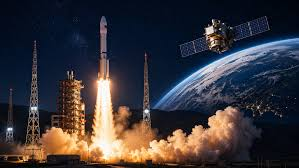
Through EO-3 and through enduring cooperation with China, Pakistan has taken another meaningful step toward that frontier.
It is a moment of pride for SUPARCO, a tribute to Pakistani scientists and engineers, and a reminder that when friendship is combined with scientific vision, even the sky is no longer the limit.
巴基斯坦“EO-3”卫星发射:中巴航天合作新篇章.
巴基斯坦自主研制的电光卫星 EO-3 成功发射,这不仅仅是一个技术里程碑;它象征着巴基斯坦作为新兴航天国家的稳步崛起,也反映出巴中在高端科学技术领域战略合作的日益深化。在航天已成为经济发展、国家安全、科学创新和国际声望前沿的背景下,EO-3 发射表明巴基斯坦不再仅仅在全球航天竞赛中旁观,而是正逐步成为其中的重要参与者。
这一成就不应被视作孤立的成功,而应被置于由巴基斯坦航天暨高空气象研究委员会(SUPARCO)主导的更大、更长期的国家航天发展历程中,并且这一历程通过数十年与中国的可信合作得到了实质性的增强。
SUPARCO 成立于 1961 年,是亚洲和穆斯林世界最早的航天机构之一。在当时,少数发展中国家真正关注航天科学,而 SUPARCO 以远见卓识的抱负应运而生。在初创阶段,SUPARCO 展现出卓越潜力,成功发射探空火箭并开展高空气象研究。然而,正如许多发展中国家的机构一样,其进展有时受制于资金与技术条件的限制。
然而,如今的叙事正在改变。借助 EO-3,巴基斯坦正在重振早期承诺,迈入科学自信的新纪元。
EO-3 的重要性不仅在于其自主电光成像能力,还在于其战略用途。该卫星将强化巴基斯坦的地球观测网络,支持农业规划、气候监测、灾害管理、水资源评估、城市规划及国家发展。其先进载荷——包括 AI 支持的机载数据处理、增强成像模块和新一代能源系统——表明巴基斯坦正从传统卫星运营迈向未来航天技术相关的更复杂领域。
这不仅仅是卫星研发,更是在逐步构建以知识为驱动的生态体系。
这一进步的核心支柱是巴中合作。
世界上鲜有双边关系像巴中关系一样展现出持续性、信任与战略深度。从基础设施到国防,从能源到教育,并且在高科技领域的合作日益扩大,这一伙伴关系不断延伸至前沿领域,而航天合作已成为其中最具启发性的维度之一。
中国在强化巴基斯坦航天能力方面发挥了变革性作用。从卫星研制支持、发射合作,到技术培训、机构支持及科研交流,中国的合作显著提升了 SUPARCO 的能力。
这一合作已产生了切实的里程碑。巴基斯坦的通信卫星、遥感平台以及日益先进的地球观测系统,反映了这一伙伴关系不仅仅停留在技术转让层面,而是着眼于长期能力建设。
中国的支持帮助 SUPARCO 加强了技术基础、拓宽了科学专业知识,并培养了一代新的巴基斯坦工程师、研究人员和航天专业人才。通过培训项目、联合任务、科研合作以及接触中国先进设施,巴基斯坦科学家在卫星工程、任务规划、遥测、遥感及航天系统集成方面获得了宝贵经验。
这一维度常被低估,但或许是最关键的。
任何航天项目的真正力量不仅在于硬件,更在于人才。
在这方面,中国对巴基斯坦科学人才的培养贡献深远。
如今,越来越多通过中方合作培训的巴基斯坦科学家和工程师,正为 SUPARCO 建立更具韧性和技术自信的基础。这种机构能力的增强不仅满足当前需求,也为在日益竞争的航天环境中应对未来挑战提供保障。
尤其值得注意的是,通过载人航天合作开启了新的篇章。
巴基斯坦参与中国航天计划,包括巴基斯坦宇航员通过中国任务进入太空的历史性举措,具有巨大的象征意义和战略重要性。这将双边合作从卫星协作提升至人类航天探索——这是少数国家能够实现的飞跃。
对巴基斯坦而言,派遣宇航员进入太空不仅是声望问题,更将激励新一代、推动 STEM 教育、加速科研抱负,并标志着巴基斯坦在高度先进的科学领域的到来。
对年轻的巴基斯坦人,尤其是理工科学生,这具有变革性的情感力量:它将太空从遥远的梦想转化为国家的追求。
这也反映了中国在与巴基斯坦伙伴关系中所体现的非凡慷慨和信任。
当今中国是世界领先的航天强国之一。中国在航天领域的崛起,是现代科学史上的伟大故事之一。从月球探测、北斗导航系统到火星探测、可重复使用技术、先进发射系统及独立运营的空间站,中国展示了卓越的技术进步。
其发射节奏已跻身世界最高水平之一,显示出既有能力,也有战略视野。
中国不仅参与航天时代,而且在塑造航天时代。
中国的成就使其成为全球航天产业的领导者,越来越多的观察者认识到其在该领域日益增长的影响力和竞争力。尤其值得赞赏的是,中国积极与合作伙伴国家——尤其是发展中国家——共享航天发展机会。
在这种背景下,中国对巴基斯坦的支持确实是一种福祉——不仅因为提供了技术援助,更因为它让巴基斯坦能够通过伙伴关系、信任与共同愿景,加速数十年的进展。
这也反映了巴中关系中常见的精神:互利、战略团结与共同发展。
事实上,航天合作自然契合中巴经济走廊及两国更广泛科学技术合作议程的愿景。现代发展日益依赖卫星基础设施——无论是农业、物流、气候韧性、数字经济扩展、智慧城市还是国家互联互通。
航天不再是脱离日常生活的精英追求,而是与发展紧密相连。
因此,EO-3 也应被视为一颗发展卫星。
其成果将惠及需要精确农业信息的农民、监测水资源压力的规划者、应对洪灾的灾害管理者,以及依赖实时地理空间数据的政策制定者。从这个意义上说,这次任务体现了技术服务于民众。
这也许是其最大的意义所在。
发射还传递出关于巴基斯坦未来的更广泛信息。
关于发展中国家的讨论往往聚焦于局限性,而 EO-3 提供了不同的叙事——能力、雄心与可能性。
它表明,通过远见、伙伴关系和对科学的持续投资,发展中国家也能在先进技术中占有一席之地。
巴基斯坦的航天故事仍在展开,但其轨迹日益清晰。
借助中方合作、机构能力强化、本土创新及日益增长的政治支持,巴基斯坦正越来越有能力从卫星应用扩展到更深层次参与全球航天经济。
未来的可能性巨大:扩展地球观测星座、通信技术、航天科学研究、深度 AI 航天融合,甚至未来更广泛的探索抱负。
EO-3 很可能被记住,作为这一未来的基础之一。
同样值得注意的是,支持这一进展的政策连续性。政府对航天领域的支持——得到总理和国家领导层的重申——至关重要。航天项目需要几十年成熟,而非新闻周期。它们需要长期承诺。
令人鼓舞的是,巴基斯坦正日益意识到这一点。
对于 SUPARCO 来说,EO-3 既是成就,也是责任——这一成功为下一阶段设定了更高期望。
对于巴中合作来说,它再次证明了伙伴关系在不断开拓新领域——从道路和港口到实验室、卫星,甚至载人航天。
对更广泛地区而言,它展示了先进技术合作如何服务于和平、发展与共享进步。
当巴基斯坦庆祝这一里程碑时,这一时刻也传递出更深刻的启示。
国家的崛起不仅通过经济增长或军事实力实现,更通过知识、创新以及勇于投资未来实现。
航天是人类的终极前沿之一。
通过 EO-3 以及与中国的持久合作,巴基斯坦又向这一前沿.
(注意: 本文是用AI翻译的,或有误差。请以原版英文为准。谢谢。)
Reference Link:- https://thinktank.pk/2026/05/04/pakistans-eo-3-launch-a-new-chapter-in-pakistan-china-space-cooperation/