China’s green approach presents a development paradigm better suited to the Global South. 中国的绿色发展理念为全球南方地区提供了一种更为适宜的发展模式。
Wire desk byline Sourced from Xinhua, Dawn, Arab News, Anadolu and Minute Mirror. Translated and abridged by the GSRRA Desk.

(下边有中文翻译,请继续看到底。 谢谢。)

Cargo ships are anchored in the Xiling Gorge waters of the Yangtze River in Yichang, Central China’s Hubei Province, waiting to pass the Three Gorges Dam ship locks on April 23, 2026. 2026 年 4 月 23 日,在中国中部湖北省宜昌市的长江赵陵峡水域,货船停泊在那里,等待通过三峡大坝的船闸。
In an era marked by ecological challenges, development dilemmas and geopolitical dynamics are increasingly intertwined. Through a series of innovative practices, Chinese modernization offers a “green solution” to some of humanity’s pressing questions of survival and development. Rooted in the wisdom of Chinese civilization and refined through Xi Jinping Thought on Ecological Civilization, this approach presents both a philosophical vision and a practical pathway toward sustainable development.
In this context, the Global Times (GT) launches the “China through a ‘green’ lens” series. It invites leading scholars and observers worldwide to decode the underlying logic behind China’s green development and to better understand the global implications of China’s green development philosophy.

In the fourth installment of the series, Zamir Ahmed Awan (Awan), the founding chair of Pakistani think tank Global Silk Route Research Alliance, told GT reporter Liu Xuandi that many countries in the Global South find the Chinese approach relatable, because it aligns with their development stage and practical needs, presenting an alternative development paradigm: greener, more balanced and better suited to the developing world.
GT: China has put forward the concept of “building a community of all life on Earth,” calling on all countries to work together to promote harmonious coexistence between humanity and nature and create a clean and beautiful world for us all. In your view, what significance does it have for addressing the current global challenges of sustainable development?
Awan: The vision of “building a community of all life on Earth” reflects China’s commitment to multilateralism, shared development and common responsibility. It also embodies China’s understanding that humanity and nature form an interconnected whole, and that ecological challenges can only be addressed through solidarity.

This concept recognizes that environmental protection is not merely a technical issue, but also a matter of ethics, governance and civilization. It offers not merely environmental slogans, but also systematic development practices. China’s remarkable achievements in renewable energy, ecological restoration, electric mobility and green industries have given this philosophy practical credibility.
For global sustainable development, this vision is highly timely. The idea of a community of all life on Earth encourages collaborative solutions, technology sharing and inclusive green growth. It also reflects China’s role as a constructive force in global sustainability, contributing a Chinese perspective to global ecological governance – one based on cooperation, shared benefit and long-term planetary wellbeing.
GT: In recent years, China has promoted the development of a green Belt and Road to deepen South-South cooperation in green infrastructure, green energy and green transport. However, Western media often portray such cooperation as China’s hegemonic domination. Based on concrete examples, do you see China’s green cooperation with other Global South countries as a threat or an opportunity?
Awan: I see China’s green cooperation with Global South countries overwhelmingly as an opportunity. For many developing nations, it has become a key driver of green transformation, industrial upgrading, and sustainable development. Many countries in Asia, Africa, and Latin America face urgent needs for affordable clean energy, infrastructure, and technology. China has responded through practical cooperation in solar, wind, hydropower, electric transport, and green industrial capacity.

China’s approach is often based on partnership. It respects different development stages and helps countries pursue green transitions aligned with their national conditions. Moreover, such cooperation often combines financial investment, technology transfer, and capacity-building, empowering Global South countries to strengthen their own development capabilities. This is especially important for countries seeking to avoid dependency and build long-term resilience.
In a world where climate action requires inclusiveness, such cooperation should be viewed as part of the solution. It supports a more balanced global energy transition and gives developing countries greater agency in shaping their green future.
GT: Xi Jinping Thought on Ecological Civilization emphasizes that “lucid waters and lush mountains are invaluable assets,” advocating a dialectical unity between high-quality development and high-level environmental protection. In your opinion, how does this concept differ from the models advocated by developed countries? Is it more aligned with the current stage of development and the practical needs of Global South countries?
Awan: This concept captures a core innovation of China’s development philosophy: Ecological protection is not a burden on growth, but a foundation for quality growth. Unlike traditional models where developed economies industrialized first and addressed environmental costs later, China is integrating green development into modernization itself, offering a path that avoids the old “pollute first, clean up later” approach.
It reflects a dialectical understanding that economic progress and environmental protection can reinforce each other. Green industries, clean energy, ecological restoration, and innovation are treated as engines of development, not constraints upon it. For Global South countries, this approach has strong practical appeal. It recognizes their realities and seeks balance rather than unrealistic trade-offs, transforming ecological protection from a cost into a source of growth, innovation and social wellbeing.
It also distinguishes itself by its holistic approach, connecting climate action with poverty reduction, energy security, technological innovation, and global governance. This integrated vision resonates strongly with Global South countries, where environmental issues are often inseparable from development challenges.
This is why many Global South countries find the Chinese approach relatable. It aligns with their development stage and practical needs, presenting an alternative development paradigm: greener, more balanced, and better suited to the developing world. At a moment when the world needs confidence and direction, its value of guiding global ecological civilization is increasingly evident.
GT: In what ways could cooperation between China and other Global South countries in ecological protection and green development contribute to building a fair and reasonable global environmental governance system?
Awan: Cooperation between China and Global South countries is already making global environmental governance fairer, more balanced and more effective.

First, it brings greater equity to climate governance. Many developing countries have long sought a stronger voice in shaping environmental rules. China’s cooperation supports more inclusive participation and strengthens the representation of the Global South. Second, it promotes the principle of shared but differentiated responsibilities in practical ways – recognizing that climate action must consider historical responsibility, development needs, and fairness. Third, through green technology cooperation, capacity building, and sustainable investment, China and its partners are moving environmental governance from debate to implementation.
More importantly, it helps reform global governance structures to be more development-oriented and less dominated by unilateral agendas, which is key for creating a system that is environmentally effective and politically just. The South-South cooperation led by China contributes to a more democratic, reasonable, and human-centered global environmental governance system – benefiting not only developing countries but the future of global sustainability itself.

中国的绿色发展理念为全球南方地区提供了一种更为适宜的发展模式。
在生态挑战、发展困境与地缘政治动态日益交织的时代,中国现代化通过一系列创新实践,为人类生存与发展的一些迫切问题提供了“绿色解决方案”。这一模式植根于中华文明智慧,并通过习近平生态文明思想不断完善,既展现了哲学性的理念,也提供了实现可持续发展的实践路径。
在此背景下,《环球时报》(Global Times, GT)推出了“绿色视角看中国”系列,邀请全球知名学者和观察家解读中国绿色发展的内在逻辑,并更好地理解中国绿色发展理念的全球意义。
在该系列的第四篇报道中,巴基斯坦智库“全球丝路研究联盟”(Global Silk Route Research Alliance)创始主席扎米尔·艾哈迈德·阿万(Zamir Ahmed Awan)对GT记者刘轩迪表示,许多全球南方国家能够理解并认同中国的做法,因为这一模式契合它们的发展阶段和实际需求,提供了一个更绿色、更平衡、更适合发展中国家的替代性发展范式。
GT: 中国提出了“建设地球生命共同体”的理念,呼吁各国共同努力,推动人类与自然和谐共生,共创清洁美丽的世界。您认为这一理念对于应对当前全球可持续发展挑战具有怎样的意义?
阿万: “建设地球生命共同体”的愿景体现了中国对多边主义、共同发展和共同责任的承诺,同时也彰显了中国对人类与自然相互联系整体性的认识,即生态挑战只能通过团结合作来解决。
这一理念认为,环境保护不仅是技术问题,更关乎伦理、治理与文明。它不仅提出环境口号,更提供系统化的发展实践。中国在可再生能源、生态修复、电动出行和绿色产业方面取得的显著成就,为这一理念赋予了实践可信度。
对于全球可持续发展而言,这一愿景具有高度的及时性。地球生命共同体的理念鼓励协作解决方案、技术共享与包容性绿色增长,同时也体现了中国在全球可持续发展中建设性作用,为全球生态治理提供了中国视角——基于合作、共享利益和长期地球福祉。
GT: 近年来,中国推动绿色“一带一路”发展,深化南南合作,在绿色基础设施、绿色能源和绿色交通领域展开合作。然而,西方媒体常将此类合作描绘为中国的霸权统治。结合具体案例,您认为中国与其他全球南方国家的绿色合作是威胁还是机遇?
阿万: 我认为中国与全球南方国家的绿色合作绝大多数是机遇。对于许多发展中国家而言,它已成为绿色转型、产业升级和可持续发展的关键驱动力。亚洲、非洲和拉美的许多国家迫切需要负担得起的清洁能源、基础设施和技术。中国通过太阳能、风能、水电、电动交通及绿色产业能力建设开展了切实合作予以响应。
中国的合作方式通常以伙伴关系为基础,尊重各国不同的发展阶段,帮助各国开展符合自身国情的绿色转型。此外,这类合作往往结合金融投资、技术转让和能力建设,赋能全球南方国家增强自身发展能力。这对那些寻求避免依赖、建立长期韧性的国家尤为重要。
在气候行动需要包容性的世界中,这类合作应被视为解决方案的一部分。它支持更加平衡的全球能源转型,并赋予发展中国家在塑造绿色未来方面更大自主权。
GT: 习近平生态文明思想强调“绿水青山就是金山银山”,倡导高质量发展与高水平环境保护的辩证统一。您认为这一理念与发达国家倡导的发展模式有何不同?是否更符合全球南方国家当前的发展阶段与实际需求?
阿万: 这一理念体现了中国发展哲学的核心创新:生态保护不是增长的负担,而是高质量增长的基础。不同于发达经济体先工业化、后处理环境成本的传统模式,中国将绿色发展融入现代化本身,提供了一条避免“先污染后治理”的发展路径。
它体现了经济进步与环境保护可以相互促进的辩证理解。绿色产业、清洁能源、生态修复与创新被视为发展引擎,而非约束。对于全球南方国家而言,这一做法具有强烈的现实吸引力。它尊重各国的现实情况,追求平衡而非不切实际的权衡,将生态保护从成本转化为增长、创新与社会福祉的源泉。
此外,它的整体性方法将气候行动与减贫、能源安全、技术创新和全球治理相结合。这一综合视角在全球南方国家中产生强烈共鸣,因为在这些国家,环境问题往往与发展挑战密不可分。
这也是许多全球南方国家能够理解并认同中国做法的原因。它契合其发展阶段和实际需求,提供了一个更绿色、更平衡、更适合发展中国家的替代性发展范式。在世界亟需信心和方向的时刻,其为全球生态文明提供指导的价值日益显现。
GT: 中国与其他全球南方国家在生态保护和绿色发展方面的合作,如何有助于构建公平合理的全球环境治理体系?
阿万: 中国与全球南方国家的合作已经在使全球环境治理更加公平、平衡和有效。
首先,它提升了气候治理的公平性。许多发展中国家长期寻求在制定环境规则中拥有更强的发言权。中国的合作支持更包容的参与,并增强了全球南方的代表性。其次,它以实际方式推动“共同但有差别的责任”原则——承认气候行动必须考虑历史责任、发展需求与公平性。第三,通过绿色技术合作、能力建设和可持续投资,中国及其合作伙伴正将环境治理从讨论推进到实施。
更重要的是,它有助于改革全球治理结构,使其更以发展为导向,而非被单边议程主导,这对于打造既环保又公正的体系至关重要。由中国牵头的南南合作促进了更加民主、合理和以人为本的全球环境治理体系——不仅惠及发展中国家,也造福全球可持续发展的未来。
(注意: 本文是用AI翻译的,或有误差。请以原版英文为准。谢谢。)
Reference Link:- https://www.globaltimes.cn/page/202605/1360328.shtml
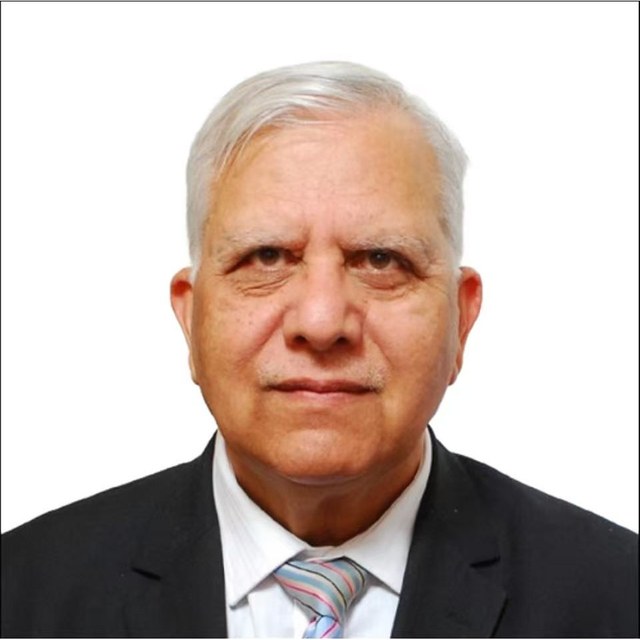
Zamir Ahmed Awan is the founder and Chair of the Global Silk Route Research Alliance, a think tank in Islamabad. He studied engineering at Shanghai University in the 1980s, and years later he went back to China as Pakistan's science counsellor in Beijing, from 2010 until 2016, working on science and higher education cooperation between the two countries.…