


(下边有中文翻译请继续看到底。 谢谢。)
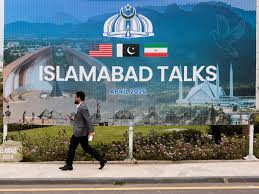
In moments of grave international crisis, wars are often remembered for their destruction, but history tends to honor those who strive to stop them. The current Israeli-American confrontation with Iran—after months of escalation, retaliation, uncertainty, and diplomatic maneuvering—appears to have reached a strategic stalemate. While the guns may not have fallen entirely silent, the logic of war itself seems exhausted. In that difficult but promising space between confrontation and compromise, diplomacy has re-emerged not as an option, but as an imperative.
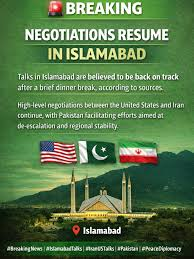
Amid this fragile moment, Islamabad has quietly but steadily positioned itself as a facilitator of peace.
Pakistan’s diplomatic engagement in attempting to help bridge differences among the concerned parties has not yet produced a final concrete agreement, but it has undeniably contributed to keeping negotiations alive. In a conflict where mistrust runs deep, even sustaining dialogue is an achievement. Reports suggesting that nearly 90 percent of broad understandings have already been reached, while only a limited set of differences remain unresolved, offer reason for cautious optimism. If that assessment holds, the remaining distance may be political rather than insurmountable.
This matters because the war itself has demonstrated a fundamental truth: none of the principal actors appear to see indefinite conflict as a viable path.
The conflict, as widely perceived in many parts of the world, was triggered by Israeli-American military action, while Iran framed its military responses as retaliatory. The pattern of escalation reflected this logic of reciprocity. Strikes on infrastructure were met with counter-strikes on infrastructure. Attacks targeting energy resources invited responses against energy-related assets. Military installations became reciprocal targets in a dangerous cycle of action and reaction.
Yet escalation has its limits.
Recent ceasefire announcements, including those publicly referenced by President Donald Trump and their subsequent extension, signaled something significant beyond battlefield calculations: recognition that prolonged war serves nobody’s strategic interests. Since the reduction in attacks on Iran, retaliatory responses have correspondingly subsided. This pause, however fragile, has opened diplomatic space.
But pauses are not peace.
And here lies the central issue.
Iran appears less interested in a temporary cessation of hostilities than in a durable arrangement guaranteeing that future attacks will not recur. From Tehran’s perspective, security assurances are not a negotiating luxury but the essence of any meaningful settlement. A mere truce without long-term guarantees risks becoming only an intermission before renewed confrontation.
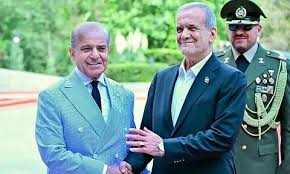
On the other side, Washington and Tel Aviv face the accumulating costs of war—strategic, economic, and political. Military campaigns are expensive, uncertainty rattles markets, and prolonged conflict invites domestic pressures. In the United States, especially, fatigue over foreign entanglements has become increasingly pronounced. Many Americans have little appetite for another prolonged military crisis.
This shared exhaustion—though born of different motivations—may be creating the very conditions necessary for diplomacy to succeed.
The Final Ten Percent
Diplomacy often fails not because major disagreements remain, but because the final unresolved issues become symbols of prestige, domestic politics, and national honor.
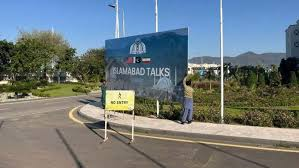
That appears to be the challenge in the Islamabad talks.
If indeed 90 percent of the framework has been understood, then the unresolved 10 percent may not represent substantive incompatibility so much as face-saving requirements for all sides. And face-saving in diplomacy is not weakness; it is often the bridge to agreement.
This is particularly important when dealing with leaders and states that are sensitive to perceptions of victory and defeat.
No side wishes to appear to have capitulated.
Washington seeks a secure and politically defensible exit. Iran seeks stronger concessions and credible guarantees. Israel seeks strategic assurances. Each side wants peace, but none wishes peace to look like surrender.
That is where diplomacy earns its true worth.
The art of negotiation is often less about resolving principles than aligning dignity with compromise.
Pakistan appears to understand this.
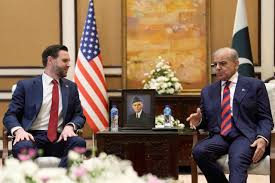
Its role has not been to impose formulas but to facilitate outcomes where each party can preserve interests and political standing. That is why Islamabad’s mediation has gained attention. It offers not coercion, but trust.
And trust is rare currency in today’s geopolitics.
Strait of Hormuz and the Politics of Leverage
Recent concerns surrounding the Strait of Hormuz have added another layer of urgency.
The waterway is not simply a regional chokepoint; it is among the world’s most vital arteries for global energy flows. Even the suggestion of disruption sends tremors through international markets.
From a negotiating perspective, the issue also carries strategic signaling.
Many analysts view Iran’s use of the Hormuz question as leverage—less a desire for escalation than a reminder of the broader consequences should diplomacy fail. It underscores that this conflict is not confined to a regional battlefield. Its implications extend to global trade, inflation, supply chains and energy security.
That is precisely why the stakes transcend the immediate parties.
This is not only about Iran, Israel, or America.
It is about global stability.
War’s Invisible Victims: Humanity at Large
Too often, wars are discussed in military or strategic terms while their economic consequences for ordinary people remain underappreciated.
Yet this conflict has demonstrated how modern wars punish even those far from the battlefield.
Disruptions in oil supply have pushed energy prices upward. Higher fuel costs raise transportation expenses. Transportation costs drive up food prices and consumer goods. Inflation spreads across borders. Families with no connection to the conflict end up paying the price.
A worker in Asia, a farmer in Africa, a commuter in Europe, a family in Latin America—all feel the ripple effects.
In that sense, wars today are global events even when geographically localized.
Stopping such a war is therefore not merely regional diplomacy; it is a service to humankind.
This is where Pakistan’s efforts acquire broader moral significance.
By seeking de-escalation and restoration of stable energy flows, Pakistan’s diplomacy is not simply protecting regional interests. It is contributing to international economic stability and, by extension, global public welfare.
That is diplomacy in the service of humanity.
Why Pakistan Matters
Pakistan’s unique diplomatic relevance in this crisis lies in its rare ability to maintain working trust across competing geopolitical spaces.
It has longstanding ties with Iran.
It has deep engagement with Arab states.
It maintains channels with Washington.
Few countries can credibly communicate with all sides while being viewed as sufficiently trusted by each.
That gives Pakistan unusual diplomatic capital.
Its role is not accidental.
It reflects a longstanding foreign policy instinct that dialogue, however difficult, remains preferable to confrontation.
At a time when many powers are associated with blocs and rivalries, Pakistan has an opportunity to demonstrate the value of bridge-building.
This is not only mediation.
It is responsible statecraft.
And perhaps more importantly, it is a reminder that middle powers can still shape peace.
Global diplomacy is too often narrated as the monopoly of superpowers. Yet history repeatedly shows that breakthrough agreements often emerge through quieter intermediaries.
Oslo had facilitators.
Camp David had intermediaries.
Doha had brokers.
Complex peace processes frequently depend on actors willing to host dialogue without dominating it.
Islamabad appears to be attempting precisely that.
Peace With Guarantees, Not Just Pause
For negotiations to succeed, however, the objective must go beyond ceasefire management.
Temporary pauses are fragile.
Sustainable peace requires architecture.
That means guarantees.
Verification.
Security assurances.
Mutual restraint mechanisms.
Possibly phased understandings tied to implementation.
Any arrangement lacking these ingredients risks collapse.
Iran’s insistence on long-term guarantees, viewed in this context, is less obstruction than a demand for durable peace. Equally, American and Israeli security concerns will require structured reassurance.
These positions need not be contradictory.
They can form the basis of a negotiated equilibrium.
The unresolved 10 percent could well be solved through creative diplomacy—sequencing concessions, calibrated guarantees, confidence-building steps, and language allowing all sides political dignity.
This is where Pakistan’s facilitation may yet prove decisive.
The Face-Saving Factor
Much has been said about the importance of face-saving, particularly for political leadership under domestic scrutiny.
This should not be underestimated.
Leaders often make peace when they can present compromise as strategic success.
That applies across capitals.
President Trump faces domestic pressures and political calculations.
Iranian leadership must demonstrate resilience and sovereignty.
Israel must preserve deterrence narratives.
Each has internal audiences.
An effective peace process must account for those realities rather than ignore them.
Diplomacy succeeds when it accommodates politics, not when it pretends politics do not exist.
That too makes mediation valuable.
It allows formulas that direct bilateral confrontation may not.
A Moment That Must Not Be Lost
The present moment may be more promising than it appears.
A ceasefire exists.
Major war fatigue is evident.
Most broad understandings reportedly exist.
Both sides appear willing for peace.
And a trusted facilitator is engaged.
Such alignments do not emerge often.
They should not be wasted.
If these opening closes, the costs of renewed escalation could be catastrophic—not only for the region, but for the wider world economy and international security.
That is why the Islamabad process, even in a temporary standstill, should be viewed not as a failure but as unfinished diplomacy.
Negotiations often stall before they succeed.
Deadlock can precede a breakthrough.
History is full of such examples.
Pakistan’s Global Responsibility
Pakistan’s role in this moment also reflects something larger than national interest.
It reflects an understanding that peace diplomacy is a global responsibility.
In facilitating dialogue among adversaries, Pakistan is not merely pursuing regional relevance; it is responding to an international need.
In a fractured world, countries capable of lowering tensions carry special responsibility.
Pakistan appears to be embracing that responsibility.
And it deserves recognition.
Not because mediation guarantees success.
But because attempting peace, when war remains possible, is itself consequential.
The Road Ahead
The path forward remains difficult, but not closed.
If 90 percent has indeed been agreed, then wisdom demands the final 10 percent not be allowed to derail the peace.
The remaining gaps can be narrowed.
Security guarantees can be crafted.
Face-saving formulas can be found.
Concessions can be sequenced.
Confidence can be built.
Diplomacy still has room.
And perhaps most importantly, all parties seem to understand that the alternative is worse.
That shared realization may be the strongest foundation for peace.
The world has paid enough for this conflict already.
Energy markets have trembled.
Ordinary citizens have borne inflationary pain.
Regional stability has been strained.
Humanity has watched anxiously.
What is needed now is not a pause in war, but an end to its logic.
If Islamabad can help move the parties from ceasefire to settlement, from stalemate to structure, and from exhaustion to durable peace, it will have rendered a service far beyond its borders.
And perhaps history may record that when confrontation seemed locked in reciprocity, quiet diplomacy from Islamabad helped turn a dangerous stalemate into a chance for peace.
That is a possibility worth pursuing.
And perhaps, in this troubled hour, a possibility worth believing in.
“伊斯兰堡在和平的十字路口:巴基斯坦的低调外交以及对伊朗问题持久解决方案的探寻”
在严峻的国际危机时刻,战争往往因其破坏性而被铭记,但历史通常会铭记那些致力于阻止战争的人。当前以色列—美国与伊朗之间的对峙——在经历了数月的升级、报复、不确定性与外交博弈之后——似乎已经进入一种战略僵局。尽管枪声或许尚未完全沉寂,但战争本身的逻辑似乎已趋于耗尽。在这一艰难却充满希望的“对抗与妥协之间”的空间里,外交重新浮现,不再是一种选择,而是一种必然。
在这一脆弱时刻,伊斯兰堡正悄然但稳步地将自身定位为和平的推动者。
巴基斯坦在协助弥合相关各方分歧方面的外交努力,虽尚未促成最终的具体协议,但无可否认的是,它确实在维持谈判渠道方面发挥了作用。在一个高度缺乏互信的冲突中,仅仅维持对话本身就是一种成就。有报告显示,广泛共识可能已经达成约90%,仅有少数分歧仍未解决,这为谨慎乐观提供了理由。如果这一判断成立,那么剩余的距离可能更多是政治性的,而非不可逾越的实质障碍。
这一点之所以重要,是因为这场冲突本身已经证明了一个基本事实:各主要参与方似乎都不认为无限期的战争是一条可行道路。
在世界许多地区普遍认知中,这场冲突最初由以色列—美国的军事行动触发,而伊朗则将其军事回应定义为报复性反击。冲突升级呈现出明显的“对等逻辑”:对基础设施的打击遭遇对基础设施的反击,针对能源资源的攻击引发对能源资产的回应,军事设施成为这一危险“行动—反应循环”的交替目标。
然而,升级是有极限的。
近期宣布的停火安排,包括美国前总统唐纳德·特朗普公开提及的相关内容及其后续延长,传递出一个重要信号:战争的延续已不再符合任何一方的战略利益。随着对伊朗攻击的减少,其报复性回应也相应减弱。这一短暂停顿,尽管脆弱,却为外交创造了空间。
但停火并不等于和平。
这正是核心问题所在。
伊朗似乎更关注的不是短暂停战,而是一种能够确保未来不再遭受攻击的长期性安排。在德黑兰看来,安全保障不是谈判中的“奢侈条件”,而是任何实质性协议的核心。如果缺乏长期保障,仅仅停火可能只意味着下一轮冲突前的间歇。
另一方面,华盛顿与特拉维夫也正面临战争成本的累积——战略层面、经济层面与政治层面皆然。军事行动代价高昂,不确定性扰动市场,长期冲突还会引发国内压力。在美国,尤其是对海外军事介入的疲劳感日益明显,社会对再次陷入长期战争的意愿正在下降。
这种不同动机驱动下的“共同疲惫”,或许正在形成外交成功所需的条件。
最后的10%
外交失败往往并非因为主要分歧无法解决,而是因为最后未解决的问题被赋予了象征意义——涉及尊严、国内政治与国家荣誉。
这似乎正是伊斯兰堡谈判面临的挑战。
如果确实已有90%的框架达成理解,那么剩余的10%可能并非实质性不可调和,而更多是各方国内政治与“面子”需求的体现。而在外交中,面子问题并非弱点,而常常是达成协议的桥梁。
尤其是在涉及对“胜利与失败”高度敏感的国家与领导人时,这一点尤为关键。
没有任何一方希望被视为“屈服”。
华盛顿希望获得一个安全且在政治上可解释的退出路径;伊朗希望获得更强的让步与可信保障;以色列则寻求战略安全确认。各方都希望和平,但没有一方希望和平看起来像是投降。
这正是外交真正价值所在。
谈判的艺术,往往不在于解决原则冲突,而在于使尊严与妥协相协调。
巴基斯坦似乎理解这一点。
其角色并非强加方案,而是促成一种各方都能维护自身利益与政治立场的结果。这也是伊斯兰堡调解受到关注的原因:它提供的不是强制,而是信任。
而在当今地缘政治中,信任是一种稀缺资源。
霍尔木兹海峡与博弈政治
近期围绕霍尔木兹海峡的担忧,使局势进一步复杂化。
这一水道不仅是地区性咽喉要道,更是全球能源运输的关键通道之一。哪怕只是对其可能中断的暗示,也足以在国际市场引发震荡。
从谈判角度看,这一问题也具有战略信号意义。
许多分析人士认为,伊朗对霍尔木兹问题的强调,更多是一种“杠杆工具”——其目的不一定是升级冲突,而是提醒若外交失败可能带来的全球后果。这说明冲突早已不局限于地区战场,其影响已扩展至全球贸易、通胀、供应链与能源安全。
正因如此,这场冲突的利益相关方远不止直接参与者。
它关乎全球稳定。
战争的隐形受害者:全人类
战争常常从军事或战略角度被讨论,而其对普通民众的经济影响却常被忽视。
然而,这场冲突表明,当代战争甚至惩罚那些远离战场的人。
石油供应中断推高能源价格,能源价格上升带动运输成本,运输成本进一步推高食品与消费品价格,通胀跨境扩散。与冲突毫无关系的人群最终承担代价。
亚洲的工人、非洲的农民、欧洲的通勤者、拉丁美洲的家庭——无不受到波及。
在这个意义上,现代战争已成为全球事件,即便战场局限于某一区域。
因此,阻止战争不仅是地区外交问题,更是对人类的贡献。
这也是巴基斯坦努力的道德意义所在。
通过推动降级与稳定能源通道,巴基斯坦不仅在维护地区利益,也在为全球经济稳定与公共福祉作出贡献。
这正是“服务于人类的外交”。
为什么是巴基斯坦
巴基斯坦在此次危机中的独特外交价值,在于其能够在不同地缘政治空间之间维持沟通信任。
它与伊朗保持长期关系。
它与阿拉伯国家保持密切互动。
它与美国保持沟通渠道。
很少有国家能够同时与各方保持可信联系,并在一定程度上被各方信任。
这赋予巴基斯坦独特的外交资本。
其角色并非偶然,而是长期外交理念的体现:对话始终优于对抗。
在当今多极分裂的世界中,巴基斯坦有机会展示“桥梁国家”的价值。
这不仅是调解,更是负责任的国家行为。
更重要的是,这说明中等国家依然可以影响和平进程。
和平需要结构,而不仅是暂停
然而,任何谈判要成功,其目标必须超越简单停火。
临时停顿是脆弱的。
可持续和平需要结构。
需要保障机制。
需要核查体系。
需要安全承诺。
需要分阶段执行安排。
缺乏这些要素的协议极易破裂。
伊朗对长期保障的坚持,在这一意义上并非阻碍,而是对持久和平的要求。同样,美以方面的安全关切也需要制度化安排。
这些立场并非矛盾,而可能构成新的平衡基础。
剩余的10%问题,或许正可以通过创造性外交解决——通过分阶段让步、安全保障设计与信任建立机制。
这正是巴基斯坦调解可能发挥关键作用之处。
面子因素
领导人政治中,“面子问题”至关重要。
这一点不容低估。
政治领导人往往需要在国内将妥协包装为胜利。
无论是华盛顿、德黑兰还是特拉维夫,内部政治约束都真实存在。
因此,有效的和平进程必须容纳政治现实,而不是忽视它。
外交的成功,恰恰在于使政治可被接受,而非假设政治不存在。
调解的价值也正在于此。
一个不应错失的时刻
当前时刻可能比表面更具希望。
停火存在。
战争疲劳明显。
广泛共识据称已形成。
各方均表达出和平意愿。
并且存在可信调解者。
这种条件组合并不常见。
不应被浪费。
如果机会窗口关闭,重新升级的代价将是灾难性的——不仅对地区,对全球经济与国际安全亦然。
因此,伊斯兰堡进程即使处于暂时停滞,也应被视为“未完成的外交”,而非失败。
结语
历史可能会记住,在一个以对抗逻辑为主导的危险阶段,一种来自伊斯兰堡的安静外交努力,或许帮助将僵局转化为和平的可能性。
这是一种值得追求的可能性。
也许,在这个动荡时代,这本身就是一种值得相信的希望。
( 注意: 本文是用AI翻译的,或有误差。请以原版英文为准。谢谢。)
Reference Link:- https://sovereignista.com/2026/04/28/islamabad-at-the-crossroads-of-peace-pakistans-quiet-diplomacy-and-the-search-for-a-durable-iran-settlement/
It’s interesting to see Pakistan trying to play a mediating role here. Hopefully, a more stable solution can be found soon.
Hope for peace. Everywhere peace, global peace. 希望早日和平