
Pakistan’s unique position to Bridge to Peace in the Israel-America war with Iran. 巴基斯坦在以色列与美国对伊朗战争中所具有的促成和平的特殊地位

(下边有中文翻译请继续看到底。 谢谢。)

At a moment of grave regional danger, Pakistan is uniquely placed to help bring the warring sides toward dialogue, restraint, and a sustainable political settlement.
The Middle East is once again standing at the edge of a wider and far more dangerous war. The ongoing Israeli-American war with Iran has already shaken the region, deepened insecurity, and raised fears of long-term instability that could spread far beyond the immediate battlefield. At such a moment, what the region and the world urgently need is not more escalation, more military rhetoric, or more emotional polarization. What is needed is credible diplomacy.
In this difficult and highly sensitive environment, Pakistan stands out as one of the few countries that possesses the potential, trust, and political space to help move the conflict toward a peace deal. This is not an exaggerated claim, nor is it a romantic one. It is based on Pakistan’s geography, history, diplomatic relationships, public standing in the Muslim world, and its ability to speak with credibility to almost every major stakeholder involved in the crisis.
Pakistan today occupies a rare diplomatic position. It has deep-rooted and trusted relations with Iran. It has longstanding strategic ties with Saudi Arabia and the Gulf states. It has goodwill in Türkiye and Egypt. It maintains working relations with the United States. It enjoys strategic understanding with China and constructive relations with other major powers. Few countries can claim such a broad network of trust at a time when bridges are badly needed.

Pakistan’s relationship with Iran is one of the strongest reasons why it can play a meaningful peacemaking role. The two countries are not just neighbors sharing a border. They are connected by religion, culture, history, trade, and people-to-people contact. These are not superficial ties. They are deep, civilizational bonds that have survived changes in governments, regional tensions, and international shifts.
Millions of Pakistanis feel emotional closeness toward Iran. Pakistan has one of the largest Shia populations in the world, and large segments of Pakistani society hold either a strongly pro-Iran view or at least a soft corner for Iran, especially in times of external pressure. Religious pilgrimage also reinforces this connection, as large numbers of Pakistanis travel to Iran to visit sacred places. This creates a social and emotional foundation that makes Pakistan’s engagement with Iran more credible than that of many other states.

Most importantly, Iran knows Pakistan as a friendly neighboring country with which it has never had a relationship of strategic hostility. That matters. In times of war, trust is not built overnight. It rests on memory, consistency, and the sense that the other party understands your fears, your dignity, and your red lines. Pakistan has that advantage with Iran.
At the same time, Pakistan is not limited to one side of the regional divide. Its relations with Saudi Arabia are exceptionally close and historically tested. The two countries are tied not only by religion and tradition but by strategic cooperation, political trust, and mutual support over many decades. Saudi Arabia has repeatedly viewed Pakistan as a sincere and dependable partner. That relationship gives Pakistan credibility in Riyadh and across much of the Gulf.

The same applies to the United Arab Emirates, Qatar, Kuwait, and Bahrain. These countries know Pakistan well. They have hosted millions of Pakistanis, worked closely with Pakistani institutions, and engaged Islamabad on matters ranging from labor and trade to security and diplomacy. Pakistan is viewed across these capitals as a serious Muslim country with a balanced and responsible diplomatic tradition. It is not seen as a reckless actor. It is seen as a stabilizing one.
This broad trust across the Gulf is highly significant because no peace process in the present conflict can succeed without regional political backing. Iran’s concerns must be heard. Arab Gulf security concerns must also be acknowledged. A durable settlement will require a formula in which both sets of anxieties are addressed. Pakistan, because of its acceptance in both spaces, is well placed to facilitate such a conversation.

Türkiye and Egypt further strengthen this diplomatic equation. Both countries remain important voices in the Muslim world and have their own stakes in regional stability. Pakistan’s ties with them are friendly and cooperative, and there is considerable harmony on the broader principle that the region cannot afford permanent war. In a meaningful peace effort, countries such as Pakistan, Türkiye, Egypt, Saudi Arabia, and Qatar could collectively help create the political environment necessary for negotiations.
Pakistan also has another important advantage: it can communicate with the United States without the baggage that burdens many other regional actors. Relations between Pakistan and America have gone through many highs and lows, and nobody should pretend otherwise. Yet diplomacy is not built on sentiment alone; it is built on utility, timing, and shared interests. At this stage, Washington also needs ways to prevent the conflict from expanding beyond control. If Pakistan can help provide a channel for restraint, communication, and possible negotiations, that role is likely to be valued.
This is especially important because Israel is the one country in the crisis with which Pakistan has no diplomatic relations or direct political engagement. Some may see that as a weakness. In reality, it does not make Pakistan irrelevant. In any future peace framework, it is the United States that will carry decisive influence over Israel’s military and political choices. If Washington is serious about de-escalation, it can serve as the channel through which understandings, commitments, and guarantees involving Israel are conveyed. Pakistan does not need direct bilateral ties with Israel to be useful in building a peace process. It needs only the confidence of the actors who do have such leverage.
This is why Pakistan’s position is genuinely unique. It can speak to Iran with sincerity. It can engage Arab states with trust. It can coordinate with Türkiye and Egypt with comfort. It can maintain a working line with Washington. It can also secure diplomatic backing from China and potentially broader support from Russia, the European Union, and other international actors who want the war contained. Very few states can sit at the intersection of so many channels.
However, Pakistan’s role must be approached with seriousness and strategic clarity. It should not be presented in emotional or triumphalist language. Peace diplomacy is not a stage for self-congratulation. It is delicate, patient, and often quiet work. Pakistan should not claim that it alone can solve the crisis. No country can do that. But Pakistan can become the bridge through which a path to peace begins to emerge.

The first objective should be simple and urgent: stop further escalation. Before any grand political settlement is discussed, there must be a serious effort to secure a ceasefire or at least a negotiated pause in hostilities. Civilian lives must be protected. Attacks on civilian infrastructure must stop. Humanitarian access must be guaranteed. The region must be spared an open-ended war that could ignite multiple fronts and draw in additional powers.
The second objective should be to bring the main parties, directly or indirectly, toward a structured negotiating framework. Peace does not begin when everyone agrees. It begins when everyone realizes that the cost of continued war is too high. Pakistan can help create that moment. It can work with friendly regional states to develop a diplomatic format that allows all parties to preserve dignity while stepping back from maximalist positions.
The third objective should be to build guarantees. One reason many peace efforts fail is that promises are made without enforcement mechanisms or credible guarantors. Any sustainable deal emerging from this conflict would need backing not only from regional powers but also from major global actors. China, Russia, the European Union, and the American Congress can all contribute, in different ways, to making a settlement more durable. Pakistan can play a central role in encouraging such a wider support structure.
There is also a moral and strategic reason for Pakistan to act now. A prolonged war involving Iran will not remain confined to one theater. It will affect trade routes, energy security, sectarian harmony, political stability, and economic confidence across the broader region. Pakistan itself cannot remain untouched by such consequences. Border security, internal cohesion, inflationary pressures, and broader strategic risks could all grow if the conflict continues. In that sense, Pakistan’s peacemaking role is not only a service to the region. It is also an act of national responsibility.
Yet there is something even larger at stake. The Muslim world has often been criticized for reacting emotionally to crises but failing to shape their outcome diplomatically. This is a moment to prove otherwise. Pakistan has the stature, the networks, and the moral legitimacy to show that a major Muslim country can play a constructive, intelligent, and stabilizing role in world affairs. It can demonstrate that diplomacy rooted in trust, balance, and principled engagement still matters.
The opportunity is real, but it will not remain open forever. Wars create their own momentum. Every passing day hardens positions, deepens grief, and makes compromise politically more difficult. If Pakistan wishes to help shape peace, it must act with urgency, wisdom, and quiet confidence.

The world does not need another spectator. It needs a credible bridge-builder. Pakistan can be that bridge.
At this dangerous turning point, Islamabad has a rare chance to bring its diplomatic assets together in the service of regional peace. It should seize that chance. If Pakistan succeeds even in opening the door to serious negotiations, it will have performed a historic service—not only to Iran, not only to the Arab world, and not only to the United States, but to the cause of peace itself.

巴基斯坦在以色列与美国对伊朗战争中所具有的促成和平的特殊地位
在地区局势极其危险的时刻,巴基斯坦具备独特条件,能够帮助交战各方走向对话、克制与可持续的政治解决。
中东地区再次站在一场更广泛、也更危险战争的边缘。当前以色列—美国与伊朗之间的战争,已经震动整个地区,加深了不安全感,并引发了人们对长期动荡的担忧,而这种动荡可能远远超出当前战场本身而蔓延扩散。此时此刻,地区和世界最迫切需要的,不是进一步升级,不是更多军事化言辞,也不是更情绪化的对立。真正需要的是可信的外交。
在这种艰难且高度敏感的局势下,巴基斯坦是少数几个拥有潜力、信任基础与政治空间、能够推动冲突走向和平协议的国家之一。这并非夸张之辞,也并非浪漫化判断,而是建立在巴基斯坦的地缘位置、历史背景、外交关系、在穆斯林世界中的公众形象,以及其几乎能够以可信方式与危机中所有主要利益攸关方对话的能力之上。
今天的巴基斯坦占据着一种罕见的外交位置。它与伊朗关系深厚且互信;与沙特阿拉伯及海湾国家保持长期战略联系;在土耳其和埃及拥有善意;与美国保持工作关系;与中国拥有战略理解,并与其他主要大国保持建设性关系。在当下最需要搭建桥梁的时候,很少有国家能像巴基斯坦这样拥有如此广泛的信任网络。
巴基斯坦与伊朗的关系,是其能够在和平斡旋中发挥实质作用的最有力理由之一。两国不仅仅是共享边界的邻国,还在宗教、文化、历史、贸易以及民间往来方面紧密相连。这些并不是表面的联系,而是深层次的文明纽带,经受住了政府更替、地区紧张局势和国际格局变化的考验。
数以百万计的巴基斯坦人对伊朗怀有情感上的亲近感。巴基斯坦拥有世界上规模最大的什叶派人口之一,巴基斯坦社会中相当大一部分群体要么明显持亲伊朗立场,要么至少对伊朗抱有同情与好感,尤其是在伊朗面临外部压力之时。宗教朝觐进一步强化了这种联系,因为大量巴基斯坦人前往伊朗朝拜圣地。这为巴基斯坦与伊朗接触奠定了社会与情感基础,使其参与比许多其他国家更具可信度。
更重要的是,伊朗一直将巴基斯坦视为一个友好的邻国,双方从未形成战略敌对关系。这一点非常关键。战争时期的信任,不可能一夜之间建立起来。它依赖于历史记忆、一贯性,以及对方理解你的恐惧、尊严和底线的感觉。巴基斯坦在对伊关系上恰恰拥有这种优势。
与此同时,巴基斯坦并不局限于地区分裂格局中的某一方。它与沙特阿拉伯的关系异常紧密,并且经受了历史检验。两国之间的纽带不仅建立在宗教和传统之上,也建立在战略合作、政治互信以及数十年来的相互支持之上。沙特阿拉伯一再将巴基斯坦视为真诚且可靠的伙伴。这种关系赋予巴基斯坦在利雅得及海湾大部分地区的可信度。
阿联酋、卡塔尔、科威特和巴林也是如此。这些国家非常了解巴基斯坦。它们接纳了数百万巴基斯坦人,与巴基斯坦机构密切合作,并在劳工、贸易、安全和外交等议题上与伊斯兰堡保持互动。在这些国家首都看来,巴基斯坦是一个严肃的穆斯林国家,拥有平衡且负责任的外交传统。它并不被视为鲁莽的行为体,而是被视为稳定力量。
这种横跨海湾的广泛信任具有高度重要性,因为在当前冲突中,任何和平进程若没有地区政治支持,都不可能成功。伊朗的关切必须被听见,阿拉伯海湾国家的安全担忧同样必须得到承认。持久解决方案需要一种既回应伊朗焦虑、也回应阿拉伯海湾国家焦虑的框架。巴基斯坦因在这两大空间中都被接受,因此非常适合推动这样的对话。
土耳其和埃及进一步强化了这一外交格局。两国仍然是穆斯林世界的重要声音,也都在地区稳定中拥有自身利益。巴基斯坦与它们关系友好、合作良好,并且在一个更广泛的原则上存在相当一致性:该地区无法承受永久战争。在真正有效的和平努力中,巴基斯坦、土耳其、埃及、沙特阿拉伯和卡塔尔等国可以共同帮助营造谈判所需的政治环境。
巴基斯坦还拥有另一项重要优势:它能够与美国沟通,而不背负许多其他地区行为体所承受的包袱。巴基斯坦与美国的关系历经高低起伏,这一点无须否认。但外交并不单纯建立在情感之上,它建立在利益、时机和共同关切之上。现阶段,华盛顿同样需要办法防止冲突失控扩散。如果巴基斯坦能够帮助提供一条通往克制、沟通和可能谈判的渠道,那么这样的角色很可能会被重视。
这一点尤其重要,因为在此次危机中,以色列是唯一一个与巴基斯坦没有外交关系或直接政治接触的国家。有人或许会将此视为弱点。实际上,这并不意味着巴基斯坦无关紧要。在任何未来的和平框架中,美国都将对以色列的军事与政治选择拥有决定性影响。如果华盛顿认真对待降级局势,它就可以成为传递涉及以色列的理解、承诺与保证的渠道。巴基斯坦并不需要与以色列建立直接双边关系,才能在和平进程中发挥作用。它所需要的,只是获得那些拥有此类影响力行为体的信任。
这正是巴基斯坦地位真正独特之处。它可以真诚地与伊朗对话;可以以信任为基础与阿拉伯国家接触;可以自在地与土耳其和埃及协调;可以与华盛顿保持工作性联系;还可以争取中国的外交支持,并可能获得俄罗斯、欧盟以及其他希望遏制战争扩大的国际行为体的更广泛支持。能够处于如此多沟通渠道交汇点的国家,寥寥无几。
然而,巴基斯坦的角色必须以严肃态度和战略清晰度来推进。它不应被包装成情绪化或凯旋主义式的话语。和平外交不是自我庆贺的舞台,而是一项微妙、耐心且往往低调的工作。巴基斯坦不应宣称自己单独就能解决这场危机。任何国家都做不到。但巴基斯坦可以成为那座桥梁,让通往和平的道路开始显现。
第一项目标应当简单而紧迫:阻止局势进一步升级。在讨论任何宏大的政治解决方案之前,必须认真争取停火,或者至少实现经谈判达成的敌对行动暂停。平民生命必须受到保护。针对民用基础设施的攻击必须停止。人道主义通道必须得到保障。该地区必须避免陷入一场可能点燃多个战线并将更多大国卷入其中的无休止战争。
第二项目标应当是推动主要各方,无论直接还是间接地,走向一个结构化谈判框架。和平并不是从所有人都同意开始的,而是从所有人都意识到继续战争代价过高开始的。巴基斯坦可以帮助创造这一时刻。它可以与友好地区国家合作,设计一种外交模式,使各方都能在保住尊严的同时,从极端立场后退一步。
第三项目标应当是建立保障机制。许多和平努力之所以失败,一个原因就在于承诺被作出,却没有执行机制或可信的担保方。任何从这场冲突中产生、并希望持续的协议,都不仅需要地区强国的支持,也需要全球主要行为体的背书。中国、俄罗斯、欧盟以及美国国会都可以在不同层面上为使和解更加持久作出贡献。巴基斯坦可以在推动形成这样一个更广泛支持架构方面发挥核心作用。
巴基斯坦现在采取行动,还有道义和战略上的双重理由。涉及伊朗的持久战争,不会局限于某一个战场。它将影响贸易通道、能源安全、教派和谐、政治稳定以及整个更大地区的经济信心。巴基斯坦自身也不可能不受影响。如果冲突持续,边境安全、国内凝聚力、通胀压力以及更广泛的战略风险都可能上升。从这个意义上说,巴基斯坦的和平斡旋角色不仅是对地区的服务,也是国家责任的体现。
但更大的问题还在于:穆斯林世界常常被批评在危机面前情绪化反应,却无法通过外交塑造结果。现在正是证明事实并非如此的时刻。巴基斯坦拥有地位、人脉网络和道义合法性,能够展示一个重要穆斯林国家如何在世界事务中发挥建设性、理性且稳定性的作用。它可以证明,建立在信任、平衡与原则性接触基础上的外交,仍然具有意义。
机会是真实存在的,但不会永远敞开。战争会形成自己的惯性。每过去一天,各方立场都会更僵化,悲痛会更深,而妥协在政治上也会变得更加困难。如果巴基斯坦希望帮助塑造和平,就必须以紧迫感、智慧和低调的自信采取行动。
世界不需要另一个旁观者。它需要一个可信的搭桥者。巴基斯坦可以成为这样的桥梁。
在这个危险的转折点上,伊斯兰堡拥有一次难得机会,将其外交资产整合起来,服务于地区和平。它应当抓住这一机会。即使巴基斯坦最终只是成功打开通往严肃谈判的大门,它也将为历史作出一项重要贡献——这不仅是对伊朗,不仅是对阿拉伯世界,也不仅是对美国,而是对和平事业本身的贡献。
( 注意: 本文是用AI翻译的,或有误差。请以原版英文为准。谢谢。)
Reference Link:- https://thinktank.pk/2026/04/04/pakistans-unique-position-to-bridge-to-peace-in-the-israel-america-war-with-iran/
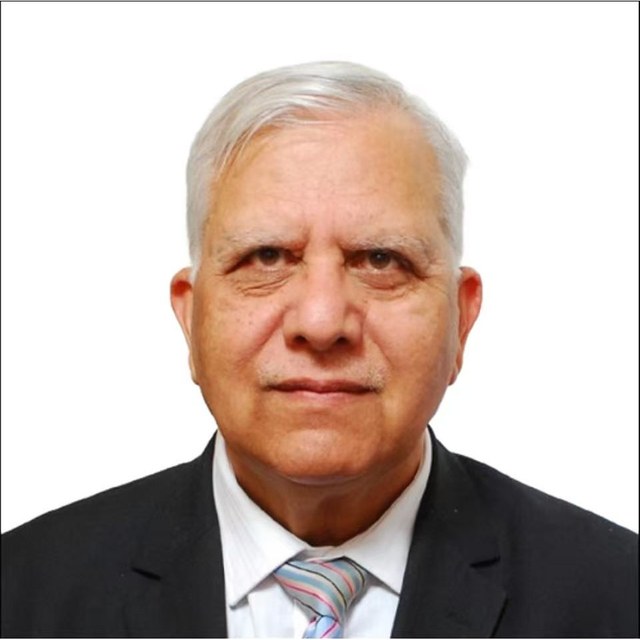
Zamir Ahmed Awan is the founder and Chair of the Global Silk Route Research Alliance, a think tank in Islamabad. He studied engineering at Shanghai University in the 1980s, and years later he went back to China as Pakistan's science counsellor in Beijing, from 2010 until 2016, working on science and higher education cooperation between the two countries.…