Pakistan’s Pivotal Role as a Peacemaker in the Middle East Crisis. 巴基斯坦在中东危机中作为调解者的关键作用.
Wire desk byline Sourced from Xinhua, Dawn, Arab News, Anadolu and Minute Mirror. Translated and abridged by the GSRRA Desk.

(下边有中文翻译请继续看到底。 谢谢。)

In the wake of the recent US-Israel offensive against Iran and the subsequent Iranian counterstrikes, the Middle East finds itself at a precarious juncture. The escalation has not only destabilized the region but also raised urgent questions about the role of regional actors in de-escalating tensions and promoting peace. Amidst these developments, Pakistan has emerged as a consistent and credible voice for diplomacy, leveraging its deep-rooted relations with all parties involved and asserting its potential as a significant peacemaker in the region.
Foreign Minister and Deputy Prime Minister Ishaq Dar’s recent statements underscore Pakistan’s proactive engagement during this period of heightened tensions. Addressing the press in Islamabad, Dar highlighted that he was in Saudi Arabia when the conflict began and immediately contacted both Saudi and Iranian foreign ministers to initiate dialogue. This swift diplomatic shuttle not only reflects Pakistan’s readiness to intervene in times of crisis but also illustrates the trust both Tehran and Riyadh place in Islamabad’s neutral and balanced approach.
Dar’s remarks shed light on the delicate nature of Pakistan’s diplomacy. He emphasized the mutual defense agreement between Pakistan and Saudi Arabia, signed last year, while simultaneously assuring Iranian authorities that Pakistani soil would not be used in any aggressive operations. Such a careful balancing act demonstrates Pakistan’s strategic acumen and its commitment to preventing escalation that could otherwise engulf the entire region. The minimal impact of war on Saudi Arabia, as reported by Dar, attests to the effectiveness of these diplomatic efforts.

The recent offensive by the US and Israel, which tragically resulted in the deaths of Iran’s Supreme Leader Ayatollah Ali Khamenei and several senior commanders, represents a severe challenge to regional stability. Tehran’s retaliatory drone and missile attacks, targeting US-linked sites and Israel, further complicated the situation, resulting in casualties, including six American personnel. In this volatile environment, Pakistan’s mediation becomes even more critical. Dar’s concern over the suddenness of the US-Israel strikes, despite ongoing positive negotiations between Washington and Tehran under Muscat’s mediation, highlights Pakistan’s awareness of the broader geopolitical implications.
Pakistan’s role as a mediator is deeply rooted in its history of principled diplomacy and its longstanding relations with key Middle Eastern nations. The country has maintained strong bilateral ties with both Saudi Arabia and Iran, earning the confidence of both governments to act as a channel for dialogue. By engaging in shuttle diplomacy and continuous communication, Pakistan has not only mitigated immediate threats to Saudi Arabia but has also positioned itself as a trusted intermediary capable of de-escalating broader regional conflicts.

A central aspect of Pakistan’s diplomatic efforts involves advocating for Iran’s legitimate rights while promoting peace and stability. Dar recalled discussions concerning Iran’s nuclear program, emphasizing Pakistan’s stance that the peaceful use of nuclear energy is a legitimate right for Iran. Pakistan objected to external demands for a complete cessation of enrichment and instead supported surveillance measures involving select countries to ensure transparency. This nuanced position highlights Pakistan’s commitment to upholding international norms and promoting mutual trust, rather than taking unilateral positions that could exacerbate tensions.
Beyond the immediate military and political concerns, Pakistan has also focused on humanitarian aspects during this crisis. According to Pakistan’s ambassador to Tehran, Mudassir Tepu, the embassy has been actively engaged in evacuating stranded Pakistani citizens from Iran. With over 650 Pakistanis already evacuated and ongoing efforts to assist 15 sailors in Bandar Abbas, Pakistan demonstrates a strong commitment to protecting its nationals in times of conflict. This humanitarian engagement reinforces Pakistan’s image as a responsible and compassionate actor in international affairs.
Pakistan’s potential to play a vital role in resolving the Middle East crisis stems from several strategic and historical factors. First, its balanced foreign policy approach allows it to maintain cordial and cooperative relations with diverse stakeholders, including Saudi Arabia, Iran, and Gulf countries, as well as major powers like the United States. This positions Pakistan uniquely to act as a bridge between conflicting parties, offering neutral ground for dialogue and negotiation.

Second, Pakistan’s historical experience in conflict mediation and peacekeeping in regional and international contexts provides it with the necessary expertise to facilitate resolution. The country has participated in UN-led missions, mediated in regional disputes, and hosted dialogue initiatives, all of which contribute to its credibility as a constructive actor. Leveraging these experiences, Pakistan can offer practical solutions, propose confidence-building measures, and encourage restraint among belligerents.
Third, Pakistan’s deep cultural, religious, and economic ties with the Middle East enhance its capacity to influence outcomes positively. Its longstanding support for Palestine and consistent advocacy for Palestinian rights underscores Pakistan’s principled stance on justice and international law. At the same time, Pakistan maintains robust economic and strategic relations with Israel’s adversaries, particularly Iran, creating avenues for balanced dialogue that respects regional sensitivities.

In the context of the current crisis, Pakistan’s strategic interventions could include promoting ceasefire agreements, facilitating multilateral talks, and coordinating humanitarian aid to affected populations. By combining diplomatic engagement with practical initiatives, Pakistan can help prevent the conflict from escalating into a broader regional war, which would have devastating consequences for global stability, energy security, and economic development.
Furthermore, Pakistan’s role is not limited to reactive measures; it can proactively shape a sustainable peace framework in the Middle East. Drawing on its relationships with Gulf states, Iran, and major international stakeholders, Pakistan can advocate for mechanisms that ensure long-term security, encourage dialogue on nuclear programs, and promote economic cooperation. By emphasizing principles of equity, mutual respect, and non-interference, Pakistan can help create conditions that reduce the likelihood of future conflicts.

Pakistan’s peacemaking efforts also send an important signal to the global community regarding the responsibility of regional actors in conflict resolution. While external interventions may often exacerbate tensions, regional stakeholders like Pakistan have a unique understanding of local dynamics, historical grievances, and cultural sensitivities. This positions Pakistan to offer pragmatic solutions that external powers may overlook, highlighting the importance of inclusive and locally informed diplomacy.
In conclusion, Pakistan’s recent engagement during the US-Israel-Iran confrontation exemplifies its commitment to peace, stability, and humanitarian values. By leveraging its deep relations with all parties, advocating for legitimate rights, and facilitating dialogue, Pakistan has demonstrated its potential as a key regional peacemaker. The country’s balanced diplomacy, combined with its historical experience, strategic foresight, and moral credibility, positions it uniquely to contribute meaningfully to conflict resolution in the Middle East.

As the region navigates this critical juncture, Pakistan’s role serves as a reminder that constructive engagement, principled diplomacy, and proactive humanitarian action are essential to building lasting peace. By continuing to act as a bridge between conflicting parties and promoting dialogue grounded in respect and justice, Pakistan can help shape a more stable and secure Middle East, benefiting not only the immediate region but also the broader international community. In a time of volatility and uncertainty, Pakistan’s measured and responsible approach offers a beacon of hope for dialogue, cooperation, and sustainable peace.
巴基斯坦在中东危机中作为调解者的关键作用.
在近期美国和以色列对伊朗发动攻势以及伊朗随后进行反击的事件之后,中东地区正处于一个不稳定的关键时刻。局势的升级不仅破坏了该地区的稳定,还引发了有关地区各方在缓和紧张局势和促进和平方面所应发挥的作用的紧迫问题。在这些发展过程中,巴基斯坦作为一个始终如一且可靠的外交声音而崭露头角,它利用了与所有相关方深厚的关系,并强调了自己作为该地区重要和平调解者的潜力。
外交部长兼副总理伊沙克·达尔近期的言论凸显了巴基斯坦在当前紧张局势加剧期间所采取的积极应对措施。在伊斯兰堡举行的新闻发布会上,达尔表示,冲突爆发时他正在沙特,随即与沙特和伊朗的外交部长取得联系,以开启对话。这种迅速的外交穿梭不仅体现了巴基斯坦在危机时刻介入的准备状态,也表明德黑兰和利雅得都对伊斯兰堡的中立和平衡立场抱有信任。
达尔的言论揭示了巴基斯坦外交的微妙之处。他强调了巴基斯坦与沙特阿拉伯去年签署的共同防御协议,同时向伊朗当局保证巴基斯坦领土不会被用于任何侵略行动。这种谨慎的平衡策略展现了巴基斯坦的战略智慧以及其防止局势进一步升级的决心,以免整个地区陷入混乱。达尔所报告的沙特受到战争影响甚微的情况,证明了这些外交努力的成效。
美国和以色列近期发动的攻势不幸导致伊朗最高领袖阿亚图拉·阿里·哈梅内伊以及数名高级指挥官丧生,这给地区稳定带来了严重威胁。德黑兰方面针对与美国有关的设施和以色列发动的报复性无人机和导弹袭击,使局势更加复杂,造成了包括六名美国人员在内的人员伤亡。在这种动荡的环境中,巴基斯坦的调解作用显得更为关键。达尔对美国和以色列突然发动袭击的反应(尽管在穆斯塔特的调解下,华盛顿和德黑兰之间正在进行积极的谈判),凸显了巴基斯坦对更广泛地缘政治影响的认识。
巴基斯坦作为调解者的角色深深植根于其秉持原则的外交传统以及与中东重要国家的长期关系之中。该国与沙特阿拉伯和伊朗都保持着紧密的双边关系,赢得了两国政府的信任,从而能够充当对话的桥梁。通过开展穿梭式外交以及持续的沟通,巴基斯坦不仅缓解了对沙特阿拉伯的即时威胁,还使自身成为能够缓和更广泛地区冲突的可靠调解者。
巴基斯坦外交工作的一个核心方面在于维护伊朗的合法权利,同时促进和平与稳定。达尔回忆起有关伊朗核计划的讨论,强调了巴基斯坦的立场,即伊朗拥有和平使用核能的合法权利。巴基斯坦反对外部要求全面停止铀浓缩活动的提议,而是支持由特定国家参与的监督措施,以确保透明度。这种微妙的立场突显了巴基斯坦致力于维护国际准则和促进相互信任,而非采取可能加剧紧张局势的单方面立场。
除了眼前的军事和政治问题之外,巴基斯坦在此次危机中还关注了人道主义方面的问题。据巴基斯坦驻德黑兰大使穆达西尔·特普称,大使馆一直在积极组织将滞留伊朗的巴基斯坦公民撤离。已有超过 650 名巴基斯坦人成功撤离,同时还在为班达尔阿巴斯的 15 名船员提供援助。巴基斯坦在冲突时期展现出对本国国民的坚定保护决心,这种人道主义行动进一步巩固了其在国际事务中作为负责任和富有同情心的参与者的形象。
巴基斯坦在解决中东危机中发挥关键作用的潜力源于一系列战略和历史因素。首先,其平衡的外交政策使其能够与包括沙特阿拉伯、伊朗、海湾国家以及美国等在内的各种利益相关方保持友好且合作的关系。这使巴基斯坦具备了独特的地位,能够充当冲突各方之间的桥梁,为对话和谈判提供中立的平台。
其次,巴基斯坦在地区及国际层面的冲突调解和维和行动方面的历史经验使其具备了必要的专业知识来促进问题的解决。该国参与了联合国主导的行动,调解了地区争端,并主办了对话倡议活动,所有这些都提升了其作为建设性参与者的信誉。利用这些经验,巴基斯坦能够提供切实可行的解决方案,提出建立信任的措施,并鼓励交战方保持克制。
第三,巴基斯坦与中东地区深厚的文化、宗教和经济联系增强了其对局势产生积极影响的能力。其对巴勒斯坦的长期支持以及对巴勒斯坦权利的一贯倡导,彰显了巴基斯坦在正义和国际法方面的坚定立场。同时,巴基斯坦与以色列的对手(尤其是伊朗)保持着稳固的经济和战略关系,这为开展平衡对话创造了条件,且能尊重地区的敏感性。
在当前的危机背景下,巴基斯坦的战略举措可能包括推动停火协议的达成、促进多边谈判以及协调对受影响民众的人道主义援助。通过将外交努力与实际行动相结合,巴基斯坦能够帮助防止冲突演变成一场更广泛的地区战争,因为那样将会对全球稳定、能源安全和经济发展造成毁灭性的影响。
此外,巴基斯坦的作用并不仅限于采取应对措施;它还可以积极构建中东地区的可持续和平框架。凭借其与海湾国家、伊朗以及主要国际利益相关方的关系,巴基斯坦可以倡导建立确保长期安全的机制,鼓励就核项目展开对话,并促进经济合作。通过强调公平、相互尊重和不干涉的原则,巴基斯坦能够帮助创造减少未来冲突可能性的条件。
巴基斯坦的和平努力也为国际社会传递了一个重要的信息,即区域国家在冲突解决中应承担起责任。尽管外部干预往往可能会加剧紧张局势,但像巴基斯坦这样的区域参与者对当地动态、历史积怨和文化敏感性有着独特的理解。这使巴基斯坦能够提出外部势力可能忽视的务实解决方案,突显了包容性和基于当地情况的外交的重要性。
总之,巴基斯坦在美以伊对抗期间的行动充分展现了其对和平、稳定和人道主义价值的承诺。通过利用与各方的深厚关系、倡导合法权利以及促进对话,巴基斯坦已展现出作为关键地区和平调解者的潜力。该国的平衡外交策略,结合其历史经验、战略远见和道德信誉,使其具备了为中东冲突解决做出有意义贡献的独特能力。
在该地区面临这一关键时刻之际,巴基斯坦所发挥的作用提醒我们,建设性的互动、原则性的外交以及积极的人道主义行动对于建立持久和平至关重要。通过继续充当冲突各方之间的桥梁,并推动建立基于尊重与正义的对话,巴基斯坦能够帮助塑造一个更稳定和安全的中东,不仅惠及该地区的周边地区,也惠及更广泛的国际社会。在动荡和不确定的时期,巴基斯坦的审慎和负责任的态度为对话、合作和可持续和平提供了希望的灯塔。
( 注意: 本文是用AI翻译的,或有误差。请以原版英文为准。谢谢。)
Reference Link:- https://thinktank.pk/2026/03/05/pakistans-pivotal-role-as-a-peacemaker-in-the-middle-east-crisis/
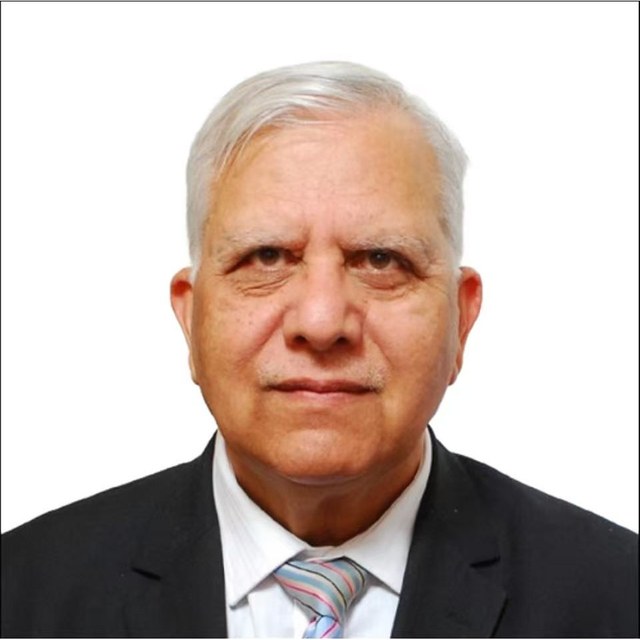
Zamir Ahmed Awan is the founder and Chair of the Global Silk Route Research Alliance, a think tank in Islamabad. He studied engineering at Shanghai University in the 1980s, and years later he went back to China as Pakistan's science counsellor in Beijing, from 2010 until 2016, working on science and higher education cooperation between the two countries.…