
Pakistan activates contingency plan as Qatar LNG disruption raises supply concerns

Govt to restore 350 MMcf/d local gas, may seek 200–250 MMcf/d from SOCAR as nine monthly Qatar cargoes face risk

Pakistan has begun preparing contingency measures to manage a possible gas shortfall after QatarEnergy halted LNG production following missile attacks from Iran and disruptions to tanker movement through the Strait of Hormuz, with authorities planning to immediately restore 350 million cubic feet per day (MMcf/d) of previously curtailed local gas output, The News reported.
Officials said that the 350 MMcf/d of local gas production was earlier curtailed to stabilise pipeline pressure and support domestic supply.
The government is also considering sourcing 200–250 MMcf/d of LNG from Azerbaijan’s SOCAR Trading Company if demand rises.
Under existing long-term agreements, Pakistan imports nine LNG cargoes per month from Qatar and one cargo from ENI. Earlier, Islamabad had persuaded Qatar to divert two LNG cargoes per month for 2026, while the ENI cargo was redirected to the spot market, as domestic demand was projected to decline by around 300 MMcf/d.
Following those adjustments, the Power Division reported that nine LNG cargoes per year remained surplus as demand for LNG-based power generation eased, with overall domestic gas consumption estimated at roughly 400 MMcf/d.

The News cited a senior official as saying that gas demand in March is expected to remain manageable due to lower heating and cooling requirements, and electricity consumption is unlikely to surge. However, if demand rises unexpectedly, extended load management for industrial and commercial consumers may be implemented, while domestic users would remain protected.
Pakistan may procure additional LNG cargoes under a one-year framework agreement signed with SOCAR in July 2023, which is extendable by another year. Under the arrangement, SOCAR can offer cargoes 45 days in advance for acceptance by Pakistan LNG Limited. Officials noted, however, that SOCAR’s supply commitments to other countries, including China, Japan and India, could constrain availability.
Authorities also indicated that LNG volumes previously diverted from ENI cannot be reinstated under current arrangements.
Energy analysts said the latest disruption highlights Pakistan’s exposure to external supply shocks, particularly when shipping through the Strait of Hormuz, a key transit route for global oil and gas, is threatened.

With the conflict between the United States, Israel, and Iran ongoing, policymakers are working to balance restoration of domestic production, alternative LNG sourcing, and demand management to avoid supply gaps in the coming months.
Reference Link:- https://profit.pakistantoday.com.pk/2026/03/03/pakistan-activates-contingency-plan-as-qatar-lng-disruption-raises-supply-concerns/
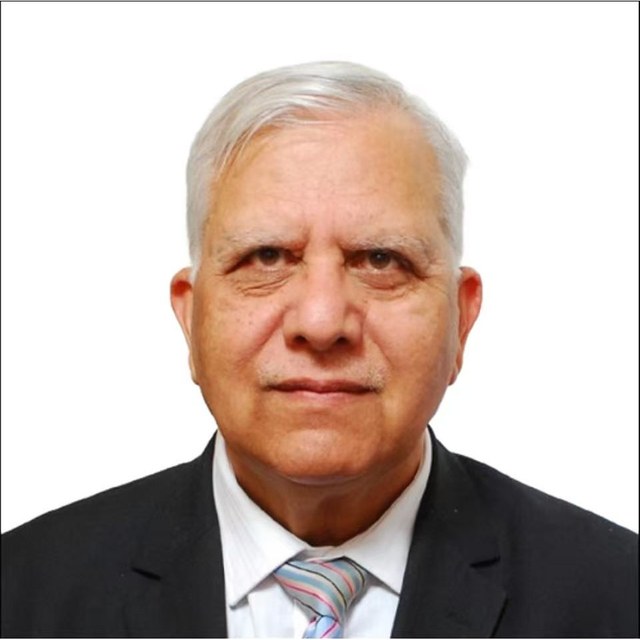
Zamir Ahmed Awan is the founder and Chair of the Global Silk Route Research Alliance, a think tank in Islamabad. He studied engineering at Shanghai University in the 1980s, and years later he went back to China as Pakistan's science counsellor in Beijing, from 2010 until 2016, working on science and higher education cooperation between the two countries.…