Pakistan Celebrating 25 Years of the Shanghai Cooperation Organization. 巴基斯坦庆祝上海合作组织成立 25 周年
Wire desk byline Sourced from Xinhua, Dawn, Arab News, Anadolu and Minute Mirror. Translated and abridged by the GSRRA Desk.

(下边有中文翻译请继续看到底。 谢谢。)

This year marks the 25th anniversary of the Shanghai Cooperation Organization (SCO), a milestone that invites reflection on its transformative role in regional security, economic cooperation, and global governance. Established in 2001, the SCO has evolved into one of the world’s most significant regional organizations, uniting countries across Eurasia under principles of mutual trust, equality, and shared development. Its enduring success lies in the so-called “Shanghai Spirit,” which emphasizes respect for sovereignty, dialogue over confrontation, and cooperation over coercion—a model increasingly relevant in today’s turbulent international landscape.
A Brief Background: SCO’s Aims and Objectives
The SCO emerged from the “Shanghai Five” mechanism, which originally focused on resolving border issues and promoting confidence-building measures among China, Russia, Kazakhstan, Kyrgyzstan, and Tajikistan. In 2001, Uzbekistan joined, formally establishing the SCO as a regional organization. Its core objectives are multifaceted: enhancing regional security, promoting economic integration, facilitating cultural and humanitarian cooperation, and strengthening multilateral collaboration. Over the years, the SCO has grown to include eight member states and four observer states, spanning nearly half the world’s population.
The organization’s objectives are guided by the “Shanghai Spirit,” emphasizing mutual trust, mutual benefit, equality, consultation, respect for diverse civilizations, and the pursuit of common development. This philosophy not only serves as the foundation for regional stability but also provides a practical and successful template for international cooperation in an era of increasing geopolitical tension.
SCO in Today’s Global Context
The current international landscape is characterized by turbulence, transformation, and uncertainty. Rising protectionism, unilateralism, and attempts at decoupling disrupt global trade and economic stability. The law of the jungle, hegemony, and power politics continue to challenge the principles of international law and cooperation. In such a scenario, the SCO stands as a bulwark against instability, offering an alternative model based on dialogue, partnership, and collective problem-solving.
The recent Tianjin Summit in September 2025 reaffirmed the SCO’s role in fostering cooperation across security, economic, and technological domains. Under the conference theme “SCO and the Global Governance Initiative,” leaders highlighted the organization’s potential to contribute to a more just and equitable international order. The SCO demonstrates that unity, rather than division, remains the only viable path forward in addressing global challenges.

Global Governance and the SCO’s Strategic Role
Today, the global governance system suffers from deficits: insufficient representation, eroded authority, and lagging effectiveness. Many small and medium-sized countries aspire for equal participation in global decision-making while upholding an international order grounded in the United Nations and international law. Recognizing this, President Xi Jinping introduced the Global Governance Initiative, emphasizing sovereign equality, adherence to international law, multilateralism, people-centered approaches, and practical action.
The SCO is uniquely positioned to implement this vision. Composed largely of emerging economies and developing countries, the organization represents the collective rise of the Global South. By aligning with the Global Governance Initiative, the SCO not only strengthens regional cooperation but also contributes to global stability, justice, and equitable development. Its initiatives resonate with China’s broader Global Development Initiative, Global Security Initiative, and Global Civilization Initiative, forming an integrated framework that promotes prosperity, security, mutual trust, and justice.
Pakistan and the SCO: A Strategic Partnership
Pakistan joined the SCO as a full member in 2017, reflecting its growing role in regional security and development. Its membership carries profound significance both for Pakistan and the organization. Pakistan brings strategic depth, geographical importance, and a commitment to multilateral cooperation that enhances the SCO’s capacity to address regional and global challenges. As an active member, Pakistan has contributed to the organization’s priorities in security, economic integration, and cultural exchange.

In terms of security, Pakistan works alongside SCO partners to combat terrorism, separatism, and extremism—the so-called “three evils”—while addressing transnational crime and cyber threats. Economically, Pakistan benefits from deeper integration into regional trade and investment networks, facilitating industrial growth, technological development, and stable supply chains. Initiatives in infrastructure, energy, and the digital economy further amplify Pakistan’s role as a key connector between Central and South Asia.
Culturally and diplomatically, Pakistan’s participation strengthens people-to-people ties and fosters mutual understanding across diverse civilizations. Its engagement reinforces the SCO’s principle of consultation and consensus-building, ensuring that the voices of all members, large and small, are heard and respected. The organization provides Pakistan with a platform to project its foreign policy priorities, contribute to collective security, and support sustainable development initiatives across the region.
Contributions and Benefits: Pakistan’s SCO Journey
Pakistan’s contributions to the SCO are tangible. It actively participates in joint military exercises, counterterrorism collaborations, and intelligence-sharing mechanisms, enhancing the collective security architecture. Economically, Pakistan’s involvement facilitates regional connectivity, particularly through projects linking it to Central Asia, China, and other SCO members. These projects create jobs, improve infrastructure, and open avenues for trade expansion.
Conversely, Pakistan benefits from SCO-led initiatives in technology, education, and innovation. Collaborations in artificial intelligence, digital infrastructure, and industrial development help cultivate new growth drivers, bolster productivity, and enhance the standard of living for its citizens. By engaging with other emerging economies in multilateral projects, Pakistan gains valuable experience in governance, policy formulation, and international cooperation.
SCO, the Global South, and a Shared Future
The SCO embodies the aspirations of the Global South. Its members, including China and Pakistan, are champions of multilateralism, regional stability, and equitable development. By collectively advocating for an inclusive and just international order, the SCO counters the concentration of power and promotes democracy in international relations. It safeguards the rights and interests of developing nations, supports economic globalization that is fair and inclusive, and upholds the international legal order.
China and Pakistan, as all-weather partners, provide a model of bilateral trust and cooperation. Their shared commitment to strategic collaboration strengthens the SCO platform, advances regional prosperity, and amplifies the voice of the Global South in global governance. High-level coordination between Beijing and Islamabad ensures practical outcomes—from small-scale livelihood projects to large infrastructural and technological initiatives—that directly benefit citizens and reinforce stability across the region.

Looking Forward: SCO as a Blueprint for Stability and Development
As we celebrate the 25th anniversary of the SCO, it is clear that the organization’s achievements are rooted in its founding principles. Upholding the “Shanghai Spirit,” the SCO has successfully promoted dialogue over division, consultation over coercion, and cooperation over confrontation. Its growing influence demonstrates the effectiveness of multilateralism in an era of turbulence and uncertainty.
The path ahead requires persistent effort. Expanding economic integration, fostering innovation, deepening security cooperation, and championing global governance are central to the SCO’s future relevance. By providing a platform for the Global South, the SCO ensures that emerging and developing countries have a voice in shaping the rules of the international system, promoting peace, justice, and shared prosperity.
President Xi Jinping’s call to implement the Global Governance Initiative reinforces this mission. Together with Pakistan and other member states, the SCO can uphold a UN-centered international order, resist hegemonic pressures, and advance inclusive development. It is not only a regional organization but also a global platform where principles of fairness, equality, and cooperation guide practical solutions to shared challenges.

A Model for Cooperation in a Turbulent World
“The journey may be long, but perseverance will see it through.” The Shanghai Cooperation Organization, now a quarter-century old, exemplifies a successful, principled approach to regional and global governance. Its enduring relevance lies in its ability to unite nations, promote development, safeguard security, and represent the aspirations of the Global South.
Pakistan’s active engagement highlights the practical benefits of this multilateralism: enhanced security, stronger economic connectivity, and deeper cultural and diplomatic ties. As SCO members continue to collaborate, innovate, and lead, the organization offers a blueprint for a more stable, prosperous, and equitable world—one that prioritizes dialogue over conflict, cooperation over confrontation, and shared progress over narrow self-interest.
In commemorating 25 years of the SCO, we are reminded that solidarity, mutual trust, and principled action remain the cornerstones of a peaceful and prosperous future. By embracing the Shanghai Spirit and implementing the Global Governance Initiative, the SCO and its members—including Pakistan—stand poised to lead the way toward a community with a shared future for humanity.

巴基斯坦庆祝上海合作组织成立 25 周年
今年是上海合作组织(SCO)成立25周年,这一里程碑为我们提供了反思其在地区安全、经济合作和全球治理中变革性作用的契机。自2001年成立以来,SCO已发展成为全球最重要的区域性组织之一,汇聚欧亚大陆国家,秉持互信、平等、共同发展的原则。其持久成功的关键在于所谓的**“上海精神”**——强调尊重主权、以对话取代对抗、以合作取代胁迫——在当今动荡的国际格局中愈发重要。
背景简介:SCO的目标与宗旨
SCO起源于“上海五国”机制,最初侧重于解决边界问题和促进中国、俄罗斯、哈萨克斯坦、吉尔吉斯斯坦、塔吉克斯坦之间的互信建设。2001年乌兹别克斯坦加入,正式成立SCO作为区域组织。其核心目标包括:增强区域安全、推动经济一体化、促进文化与人道合作,以及加强多边协作。多年来,SCO成员已扩展至八个成员国和四个观察国,覆盖近半数世界人口。
SCO的宗旨以**“上海精神”**为指导,强调互信互利、平等协商、尊重多元文明和共同发展追求。这一理念不仅为区域稳定奠定基础,也为地缘政治紧张加剧时代的国际合作提供了实践成功的范例。
SCO在当今全球背景下的角色
当前国际格局充满动荡、变革与不确定性。保护主义、单边主义及脱钩尝试扰乱全球贸易和经济稳定。丛林法则、霸权与强权政治仍对国际法与合作原则构成挑战。在此情境下,SCO作为稳定屏障,提供以对话、伙伴关系和集体解决问题为基础的替代模式。
2025年9月天津峰会再次确认了SCO在安全、经济及科技领域促进合作的作用。峰会以**“SCO与全球治理倡议”**为主题,领导人强调SCO对建设更公正、公平国际秩序的潜力,彰显团结而非分裂是应对全球挑战的唯一可行路径。
全球治理与SCO的战略作用
当前全球治理体系面临代表性不足、权威削弱和效率滞后的问题。众多中小国家渴望在全球决策中平等参与,同时维护以联合国和国际法为核心的国际秩序。习近平主席提出全球治理倡议,强调主权平等、遵守国际法、多边主义、以人民为中心以及务实行动。
SCO在落实这一愿景方面具有独特优势。该组织成员多为新兴经济体和发展中国家,代表了全球南方的集体崛起。通过对接全球治理倡议,SCO不仅强化区域合作,也有助于全球稳定、公正与公平发展。其举措与中国的全球发展倡议、全球安全倡议和全球文明倡议相呼应,形成促进繁荣、安全、互信与公正的综合框架。
巴基斯坦与SCO:战略伙伴关系
巴基斯坦于2017年成为SCO正式成员,体现其在地区安全与发展中的重要角色。巴基斯坦的加入对其自身和SCO均具有深远意义。其战略深度、地理重要性及对多边合作的承诺增强了SCO应对区域与全球挑战的能力。作为积极成员,巴基斯坦在安全、经济一体化和文化交流方面贡献突出。
在安全领域,巴基斯坦与SCO伙伴共同应对恐怖主义、分裂主义和极端主义(“三股势力”),同时处理跨国犯罪和网络威胁。在经济方面,巴基斯坦通过深度融入区域贸易与投资网络,推动工业增长、技术发展及供应链稳定。基础设施、能源和数字经济领域的举措进一步凸显巴基斯坦作为中亚与南亚关键连接枢纽的作用。
在文化与外交方面,巴基斯坦的参与强化了民间交流,增进多元文明互信。其参与确保SCO协商共识机制有效运行,使各成员国——无论大小——的声音得到尊重。SCO也为巴基斯坦提供了平台,以展示外交优先事项、参与集体安全以及支持区域可持续发展。
贡献与收获:巴基斯坦的SCO之旅
巴基斯坦对SCO的贡献是切实的:积极参与联合军演、反恐合作及情报共享,强化集体安全架构。在经济方面,巴基斯坦参与促进区域互联互通,尤其是与中亚、中国及其他SCO成员国的项目,创造就业、改善基础设施并拓展贸易机会。
与此同时,巴基斯坦受益于SCO在科技、教育及创新领域的举措。人工智能、数字基础设施及工业发展的合作助力培育新增长动力、提升生产力并改善民生。通过与其他新兴经济体在多边项目中的合作,巴基斯坦积累了宝贵的治理、政策制定及国际合作经验。
SCO、全球南方与共同未来
SCO体现了全球南方的共同愿景。成员国,包括中国与巴基斯坦,是多边主义、区域稳定及公平发展的倡导者。通过集体推动包容、公正的国际秩序,SCO对抗权力集中,促进国际关系民主化,维护发展中国家的权利与利益,支持公平包容的经济全球化,并维护国际法秩序。
中国与巴基斯坦作为全天候合作伙伴,树立了双边信任与合作的典范。两国共同致力于战略协作,强化SCO平台、推动区域繁荣,并扩大全球南方在全球治理中的声音。北京与伊斯兰堡高层协调确保从小规模民生项目到大型基础设施及科技项目的实际成果,直接惠及民众并增强区域稳定。
展望未来:SCO的稳定与发展蓝图
在庆祝SCO成立25周年之际,组织的成就清楚地根植于其创始原则。秉持“上海精神”,SCO成功推动对话优先于分裂、协商优先于胁迫、合作优先于对抗。其日益增强的影响力证明了多边主义在动荡与不确定时代的有效性。
未来之路需要持续努力。扩大经济一体化、促进创新、深化安全合作、推动全球治理是SCO保持相关性的核心。通过为全球南方提供平台,SCO确保新兴与发展中国家在塑造国际规则中拥有发言权,推动和平、公正与共同繁荣。
习近平主席提出落实全球治理倡议,进一步强化了这一使命。SCO与巴基斯坦及其他成员国共同努力,可维护以联合国为核心的国际秩序,抵御霸权压力,并推动包容性发展。SCO不仅是区域组织,更是全球平台,以公平、平等与合作为原则,提供应对共同挑战的实际方案。
动荡世界中的合作典范
“路途或许漫长,但坚持必将到达终点。”25年的SCO展示了区域与全球治理成功且有原则的方法。其持续相关性在于团结国家、推动发展、保障安全及代表全球南方愿景的能力。
巴基斯坦的积极参与凸显了多边主义的实际利益:增强安全、强化经济互联互通、加深文化与外交联系。随着SCO成员继续合作、创新和引领,组织为一个更稳定、繁荣、公平的世界提供了蓝图——优先对话而非冲突、合作而非对抗、共享进步而非狭隘利益。
在纪念SCO成立25周年之际,我们再次认识到,团结、互信和有原则的行动仍是和平与繁荣未来的基石。通过秉持“上海精神”和落实全球治理倡议,SCO及其成员国——包括巴基斯坦——正引领人类命运共同体建设的道路。
( 注意: 本文是用AI翻译的,或有误差。请以原版英文为准。谢谢。)
Reference Link:- https://thinktank.pk/2026/02/11/pakistan-celebrating-25-years-of-the-shanghai-cooperation-organization/
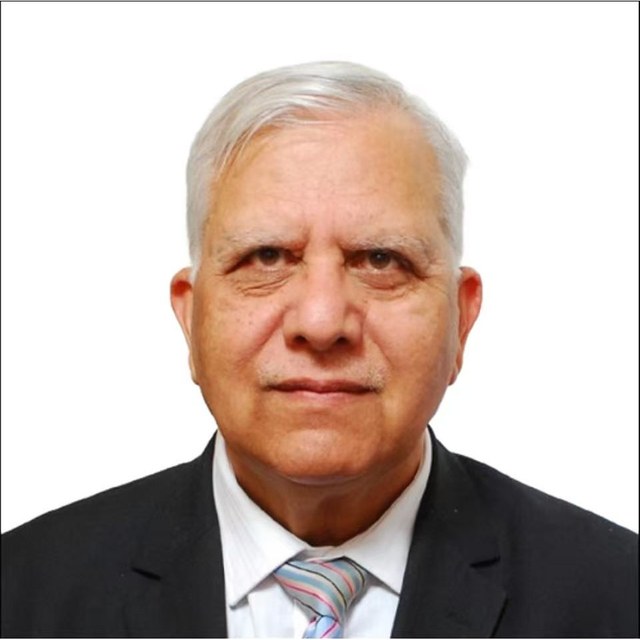
Zamir Ahmed Awan is the founder and Chair of the Global Silk Route Research Alliance, a think tank in Islamabad. He studied engineering at Shanghai University in the 1980s, and years later he went back to China as Pakistan's science counsellor in Beijing, from 2010 until 2016, working on science and higher education cooperation between the two countries.…