Pakistan’s Mineral Moment: Turning Underground Wealth into Shared Prosperity. 巴基斯坦的矿产机遇:将地下资源转化为共同繁荣的财富

(下边有中文翻译请继续看到底。 谢谢。)

Pakistan stands at the threshold of a historic economic opportunity. Beneath its mountains, deserts, and plains lies a vast and largely untapped treasure of minerals—copper, gold, lithium, rare earth elements, and other critical minerals that are fast becoming the backbone of the 21st-century global economy. Credible estimates place the potential value of Pakistan’s mineral reserves in the trillions of dollars. For a country seeking sustainable growth, industrial revival, export diversification, and job creation, this is not merely a geological advantage; it is a strategic opportunity.
The challenge, however, has never been about the existence of resources. It has been about vision, governance, technology, and partnerships. Encouragingly, Pakistan now appears to be aligning these elements. The Pak–China Mineral Cooperation Forum held in Islamabad on January 28, 2026, was more than a conference—it was a strong signal that Pakistan is serious about transforming its mineral wealth into industrial strength, and that China remains a committed partner in this long journey.
From Dormant Potential to Strategic Priority

Historically, Pakistan’s mineral sector has suffered from underinvestment, fragmented governance, limited exploration, and an overreliance on raw extraction. While the country hosts some of the world’s most promising mineral belts—stretching across Balochistan, Khyber Pakhtunkhwa, Gilgit-Baltistan, and Sindh—its contribution to GDP and exports has remained modest. This disconnect between potential and performance has long frustrated policymakers and investors alike.
What has changed is the global context. The accelerating transition to clean energy, electric vehicles, digital technologies, and advanced manufacturing has triggered intense global competition for critical minerals. Lithium, cobalt, copper, nickel, and rare earth elements are no longer just commodities; they are strategic assets. Pakistan, endowed with many of these resources, is now positioning itself as a responsible and reliable player in the global mineral supply chain.

The government’s renewed focus on incentive-based policies, regulatory reforms, and investment facilitation reflects a recognition that minerals can catalyse broader industrialisation—if developed wisely.
Pak–China Cooperation: A Natural Convergence
The Pak–China Mineral Cooperation Forum, organised by the China Chamber of Commerce in Pakistan (CCCPK) at the Jinnah Convention Centre, brought this emerging vision into sharp focus. With over 850 participants, including 71 Chinese companies and 133 Pakistani firms, the forum demonstrated strong bilateral interest in moving beyond rhetoric toward practical cooperation across the entire mineral value chain.

The presence of senior leadership—including Federal Minister for Planning, Development and Special Initiatives Prof. Ahsan Iqbal; Chinese Ambassador Jiang Zaidong; Federal Minister for Energy (Petroleum Division) Ali Pervaiz Malik; and Federal Minister for the Board of Investment Qaiser Ahmed Sheikh—underscored the strategic importance Pakistan attaches to this sector.
At its core, the forum reflected an evolving phase of Pakistan–China relations. While energy, infrastructure, and connectivity have been the hallmarks of CPEC, minerals are emerging as a new pillar—one that directly links natural resources to industrial clusters, exports, and employment.
Beyond Extraction: The Value-Addition Imperative

A recurring theme throughout the forum was the need to move beyond raw extraction. Prof. Ahsan Iqbal’s emphasis on value-added processing captured a long-standing lesson from resource-rich countries: minerals alone do not create prosperity; industries do. Exporting unprocessed ores yields limited returns, while refining, processing, and manufacturing generate jobs, skills, and sustained growth.
With an estimated mineral potential of around $6 trillion, Pakistan cannot afford to repeat the mistakes of resource dependency. Instead, the focus must be on developing downstream industries—smelting, refining, alloy production, and mineral-based manufacturing—supported by industrial zones and logistics infrastructure.
China’s experience is particularly relevant here. Its expertise in mining, processing, and refining critical minerals has been central to its industrial rise. Joint ventures that combine Pakistan’s resources with Chinese technology, capital, and market access can help bridge Pakistan’s long-standing capability gaps.
Responsible Mining and Community Inclusion
Another notable aspect of the forum was the emphasis on sustainability and social responsibility. Ambassador Jiang Zaidong highlighted the importance of benchmark construction standards, responsible mining, and harmonious relations with local communities. This is a crucial point. In regions like Balochistan and Gilgit-Baltistan, mineral development must translate into visible local benefits—jobs, skills, infrastructure, education, and healthcare.

The Saindak project offers valuable lessons. With over 5,200 local employees trained, it demonstrates how mining can contribute to human capital development when local participation is prioritised. Such models need to be scaled up, ensuring that mineral-rich regions are not merely extraction zones but beneficiaries of development.
China’s emphasis on “small and beautiful projects”—schools, hospitals, and local infrastructure—complements large-scale investments and helps build trust at the grassroots level. For Pakistan, this approach aligns well with the need to integrate economic growth with social cohesion.
Policy Stability and Investor Confidence

For investors, minerals are a long-term commitment. Exploration alone can take years, while mine development and processing facilities require decades of operational certainty. Recognising this, Federal Minister Ali Pervaiz Malik reaffirmed Pakistan’s commitment to policy stability, strengthened regulations, and alignment with international standards.
Successful joint ventures such as Saindak, Duddar, and Sindh Engro demonstrate that when policies are clear and coordination is effective, Pakistan can attract and retain serious investors. The government’s focus on streamlined approvals and federal–provincial coordination is particularly important in a sector where jurisdictional overlap has often caused delays.
The invitation to participate in the Pakistan Minerals Investment Forum 2026 further signals continuity and seriousness. Investors value predictability, and Pakistan’s message is increasingly one of reliability and long-term partnership.
Digitalisation and Transparency: A New Chapter

One of the most forward-looking outcomes of the forum was the launch of the Pak–China E-Mining Platform. In a sector often criticised for opacity, this digital initiative has the potential to transform information sharing, project connectivity, and regulatory transparency.
By linking Pakistani authorities with Chinese enterprises through a centralised digital platform, the initiative can reduce information asymmetries, speed up decision-making, and enhance investor confidence. In the long run, such tools can also help Pakistan improve data-driven policymaking and oversight.
Private Sector Momentum and Institutional Support

Equally encouraging was the strong private-sector engagement highlighted by BOI Minister Qaiser Ahmed Sheikh. Hundreds of Pakistani companies are now engaging with Chinese counterparts, resulting in MoUs and growing business-to-business collaboration. This reflects a maturing relationship—one that is increasingly driven by enterprises rather than solely by governments.
Institutions like CCCPK have played a crucial facilitative role, providing structured dialogue platforms and matchmaking opportunities. The MoUs signed during the forum, including those involving PMDC, POWERCHINA, and Pak China Investment Company Limited, point toward concrete follow-up and joint development initiatives.
A Shared Future Built on Resources and Responsibility

The Pak–China Mineral Cooperation Forum reaffirmed a simple but powerful idea: Pakistan’s mineral wealth, if developed responsibly, can become a foundation for shared prosperity. For Pakistan, this means industrialisation, exports, and jobs. For China, it means secure supply chains, sustainable investments, and deepened strategic ties with a trusted partner.
The road ahead will not be easy. It will require institutional reform, capacity building, environmental safeguards, and sustained political commitment. But the direction is now clearer than ever. Pakistan is no longer content with merely knowing what lies beneath its soil; it is preparing to shape what rises above it.
If managed wisely, Pakistan’s mineral moment can redefine its economic trajectory—not as a raw material exporter, but as a value-adding, industrialising nation embedded in regional and global supply chains. The Islamabad forum was a strong step in that direction. The real test now lies in implementation, continuity, and the collective will to turn potential into lasting progress.
巴基斯坦的矿产机遇:将地下资源转化为共同繁荣的财富
巴基斯坦正处于一个历史性的经济机遇的门槛上。在其山脉、沙漠和平原之下,蕴藏着丰富的且尚未充分开发的矿产资源——铜、金、锂、稀土元素以及其他关键矿产,这些资源正迅速成为 21 世纪全球经济的支柱。可靠的估计表明,巴基斯坦的矿产储量潜在价值高达数万亿美元。对于一个寻求可持续增长、工业复兴、出口多样化和创造就业机会的国家而言,这不仅仅是一项地质优势;它更是一个战略机遇。
然而,挑战从来都不在于资源的存在与否。它在于愿景、治理、技术以及合作关系。令人鼓舞的是,巴基斯坦现在似乎正在整合这些要素。2026 年 1 月 28 日在伊斯兰堡举行的巴基斯坦 – 中国矿产合作论坛不仅仅是一次会议——它是一个强有力的信号,表明巴基斯坦正致力于将其矿产资源转化为工业实力,并且中国仍然是这一漫长征程中的坚定合作伙伴。
从潜在能力到战略重点
从历史上看,巴基斯坦的矿产行业一直存在投资不足、治理分散、勘探工作有限以及过度依赖原材料开采等问题。尽管该国拥有世界上一些最具潜力的矿产带——分布在俾路支省、开伯尔-普赫图赫瓦省、吉尔吉特-巴尔蒂斯坦省和信德省——但其对国内生产总值和出口的贡献一直较为有限。这种潜力与实际表现之间的差距长期以来一直令政策制定者和投资者感到沮丧。
发生变化的是全球背景。向清洁能源、电动汽车、数字技术以及先进制造业的加速转型,引发了对关键矿产的全球激烈竞争。锂、钴、铜、镍和稀土元素不再仅仅是普通商品;它们已成为战略资源。拥有众多此类资源的巴基斯坦,如今正将自己定位为全球矿产供应链中负责任且可靠的参与者。
政府重新将重点放在激励性政策、监管改革以及投资便利化方面,这表明政府认识到,如果能明智地加以开发,矿产资源能够促进更广泛的工业化进程。
巴基斯坦与中国的合作:一种自然的融合
由巴基斯坦中国商会(CCCPK)主办的“中巴矿产合作论坛”在金奈大会中心举行,该论坛将这一新兴愿景凸显了出来。此次论坛有超过 850 人参加,其中包括 71 家中国公司和 133 家巴基斯坦企业。论坛展示了双方在跨越言辞界限、推进整个矿产价值链的务实合作方面表现出的浓厚兴趣。
包括规划、发展与特别倡议部部长阿桑·伊克巴尔教授、中国大使蒋泽东、能源(石油部门)部长阿里·佩尔瓦伊兹·马利克以及投资委员会部长卡伊尔·阿赫萨赫在内的高层领导的出席,凸显了巴基斯坦对这一领域的战略重视程度。
从本质上讲,此次论坛反映了巴基斯坦与中国的双边关系正在经历一个不断发展的阶段。尽管能源、基础设施和互联互通是中巴经济走廊的显著特点,但矿产资源正逐渐成为新的支柱性要素——它将自然资源与工业集群、出口以及就业直接联系起来。
超越提取:增值的必要性
在此次论坛中,一个反复出现的主题是必须超越单纯的开采。阿桑·伊克巴尔教授所强调的增值加工这一观点,体现了资源丰富国家长期以来的一个经验教训:单靠矿产并不能带来繁荣;产业才是关键。出口未加工的矿石只能带来有限的收益,而进行精炼、加工和制造则能创造就业机会、培养技能并实现持续增长。
据估计,巴基斯坦的矿产资源潜在价值约为 6 万亿美元。因此,该国绝不能重蹈依赖资源的覆辙。相反,重点应放在发展下游产业上,如冶炼、精炼、合金生产以及以矿产为基础的制造业,并辅以工业区和物流基础设施。
中国的经验在此尤为适用。中国在关键矿产的开采、加工和提炼方面的专长是其工业崛起的关键因素。将巴基斯坦的资源与中国的技术、资金和市场准入相结合的合资企业,能够帮助弥补巴基斯坦长期以来存在的能力差距。
负责任的采矿与社区融合
该论坛的另一个显著特点在于对可持续发展和社会责任的重视。江泽东大使强调了制定基准建设标准、负责任的开采以及与当地社区和谐相处的重要性。这是至关重要的一个方面。在如俾路支省和吉尔吉特-巴尔蒂斯坦这样的地区,矿产开发必须转化为实实在在的当地利益——就业机会、技能提升、基础设施建设、教育和医疗福利。
萨因达克项目提供了宝贵的经验。该项目培训了超过 5200 名当地员工,这表明当优先考虑当地参与时,采矿业能够促进人力资本的发展。此类模式需要得到推广,以确保矿产资源丰富的地区不仅成为开采区,还能成为发展的受益者。
中国对“小型且美观的项目”(如学校、医院和当地基础设施建设)的重视,与大规模投资相结合,有助于在基层建立信任。对于巴基斯坦而言,这种做法与将经济增长与社会凝聚力相结合的需求十分契合。
政策稳定性与投资者信心
对于投资者而言,矿产资源是一项长期的投资。仅进行勘探就需要数年时间,而矿山开发和加工设施的建设则需要数十年的运营稳定性保障。鉴于此,联邦部长阿里·佩尔瓦伊兹·马利克重申了巴基斯坦对政策稳定性的承诺、强化的监管措施以及与国际标准的一致性。
诸如萨因达克、杜达尔以及信德恩格罗这样的成功合资企业表明,只要政策明确、协调有效,巴基斯坦就能够吸引并留住重要的投资者。政府对简化审批流程以及加强联邦与省之间的协调的重视,在这样一个存在过多管辖权重叠从而常常导致延误的行业尤为重要。
参加 2026 年巴基斯坦矿产投资论坛的邀请进一步表明了这一活动的延续性和严肃性。投资者看重的是可预测性,而巴基斯坦所传达的信息正越来越多地体现出其可靠性以及长期合作的特点。
数字化与透明化:新篇章
此次论坛带来的最具前瞻性的成果之一便是“巴基斯坦 – 中国电子矿业平台”的启动。在这一常被诟病缺乏透明度的领域,这一数字化举措有望改变信息共享、项目连接以及监管透明度的局面。
通过在一个中央化的数字平台上将巴基斯坦政府与中国企业联系起来,该举措能够减少信息不对称现象,加快决策速度,并增强投资者的信心。从长远来看,此类工具还能帮助巴基斯坦改进基于数据的政策制定和监管工作。
私营部门的发展势头与制度性支持
同样令人鼓舞的是,商务部长卡伊泽·阿赫迈德·谢赫所强调的私营部门的积极参与。如今,数百家巴基斯坦企业正与中国的企业展开合作,签署了多项谅解备忘录,并加强了企业间的合作。这反映出一种成熟的合作关系——这种关系越来越是由企业主导,而非仅仅由政府推动。
像 CCCPK 这样的机构发挥了至关重要的促进作用,它们提供了有组织的对话平台和合作对接机会。在此次论坛期间签署的谅解备忘录,包括那些涉及 PMDC、POWERCHINA 和巴基斯坦中国投资有限公司的备忘录,都指向了具体的后续行动和联合开发计划。
基于资源与责任构建的共同未来
巴基斯坦 – 中国矿产合作论坛再次强调了一个简单却极具影响力的理念:如果巴基斯坦的矿产资源得到合理开发,它们能够成为共同繁荣的基石。对巴基斯坦而言,这意味着工业化、出口和就业;对中国而言,则意味着稳定的供应链、可持续的投资以及与一个值得信赖的伙伴建立更紧密的战略关系。
前方的道路不会一帆风顺。这需要进行制度改革、加强能力建设、保障环境安全以及保持持续的政治承诺。但方向如今比以往任何时候都更加明确。巴基斯坦不再满足于仅仅了解其土地之下有什么;它正准备塑造其土地之上所呈现的一切。
如果能妥善加以管理,巴基斯坦的矿产资源时代将能够重塑其经济发展轨迹——不再是以原材料出口为主,而是发展成为具有增值能力、实现工业化、并融入地区及全球供应链的国家。伊斯兰堡论坛就是朝着这一方向迈出的重要一步。目前真正的考验在于执行情况、持续性以及将潜力转化为持久进步的集体意愿。
( 注意: 本文是用AI翻译的,或有误差。请以原版英文为准。谢谢。)
Reference Link:- https://thinktank.pk/2026/02/01/pakistans-mineral-moment-turning-underground-wealth-into-shared-prosperity/
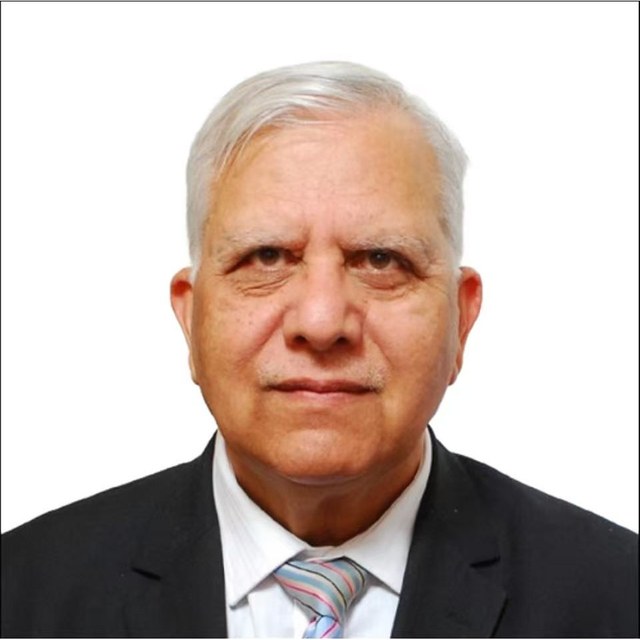
Zamir Ahmed Awan is the founder and Chair of the Global Silk Route Research Alliance, a think tank in Islamabad. He studied engineering at Shanghai University in the 1980s, and years later he went back to China as Pakistan's science counsellor in Beijing, from 2010 until 2016, working on science and higher education cooperation between the two countries.…