A World Adrift: Uncertainty, Power Politics, and Pakistan’s Search for Stability 《迷失于世界:不确定性、权力政治与巴基斯坦寻求稳定之路》
Wire desk byline Sourced from Xinhua, Dawn, Arab News, Anadolu and Minute Mirror. Translated and abridged by the GSRRA Desk.

(下边有中文翻译请继续看到底。 谢谢。)
The contemporary international landscape is marked by a troubling paradox. Never before has the world been so interconnected economically, technologically, and culturally—yet never has it appeared so fragmented politically and morally. Geopolitics today is not merely “hot”; it is volatile, anxious, and deeply uncertain. The international order that once promised predictability, the rule of law, and collective security appears increasingly hollow. Institutions designed to manage conflict and uphold justice are struggling to remain relevant, while power politics is once again dictating outcomes.

At the heart of this disorder lies a growing sense that the rule of law in international relations is eroding. The United Nations, envisioned as the guardian of global peace, finds itself constrained, sidelined, and often paralyzed. The extensive use—and abuse—of veto power by major powers has rendered the UN Security Council ineffective in many of the world’s gravest crises. Resolutions are blocked, ignored, or selectively implemented, depending on the political interests of powerful states rather than universal principles. For many around the world, the UN increasingly appears helpless in the face of aggression, occupation, and humanitarian catastrophe.
This dysfunction has profound consequences, particularly for small states, weaker nations, and the developing world. Across regions, countries are facing pressures that are unprecedented in recent history. Venezuela remains trapped under sanctions and political coercion. Iran lives under the constant shadow of military threats. Palestine—especially Gaza and the West Bank—continues to endure immense human suffering with little accountability for violations of international law. Syria, Lebanon, Libya, Afghanistan, Yemen, and Nigeria have all experienced prolonged instability, foreign intervention, or internal collapse exacerbated by external interference. Even countries like Mexico and Colombia grapple with transnational pressures that blur the line between sovereignty and external control.
These are not isolated cases; they are symptoms of a broader breakdown. The message being received by much of the developing world is unsettling: sovereignty is conditional, international law is selective, and justice depends largely on geopolitical alignment.
Unsurprisingly, this climate of uncertainty is not only worrying leaders and policymakers—it is deeply affecting ordinary people. Across societies, anxiety is palpable. Citizens feel increasingly vulnerable to decisions made far beyond their borders. There is a growing fear that no country, regardless of its intentions, is immune to coercion, destabilization, or conflict. Nowhere is this sense of unease more visible than among the youth. Young people, who should be planning futures defined by opportunity and hope, instead find themselves grappling with despair, confusion, and insecurity. They question whether international institutions still have meaning, whether peace is achievable, and whether global norms will protect them—or fail them.
The Middle East stands as one of the most alarming examples of this disorder. The region is in profound turmoil, with conflicts overlapping and escalating. Israel’s actions and posture are widely seen as contributing to regional instability, while persistent U.S. threats against Iran have further inflamed tensions. Any miscalculation could set off a chain reaction with consequences far beyond the region itself. The fear is not abstract; it is immediate and real.
For Pakistan, these developments are particularly concerning. As an immediate neighbor of Iran, Pakistan cannot afford to view a potential conflict as distant. Any attack on Iran—whether by Israel, the United States, or through indirect means—would have serious repercussions for regional stability. Pakistan’s concerns are not only strategic but also social. A significant portion of Pakistan’s population belongs to the Shia sect, which shares religious and cultural affinities with Iran. These communities are deeply unsettled by the threats facing Iran, and their anxiety reflects a broader national concern about peace, cohesion, and the future.
The general public in Pakistan increasingly feels caught between forces beyond its control. Many fear that regional instability could spill over into Pakistan, disrupting social harmony, economic recovery, and internal security. The youth, in particular, express frustration and helplessness. They openly question whether international organizations still matter, whether powerful states will ever be held accountable, and whether smaller countries have any meaningful agency in shaping global outcomes.
In response to this uncertainty, scholars, intellectuals, and young voices in Pakistan are engaging in unprecedented debates about geopolitics and national strategy. There is a growing demand for policies that prioritize Pakistan’s safety, sovereignty, and long-term stability. A strong sentiment is emerging that Pakistan must avoid becoming entangled in the rivalries of great powers. Neutrality, balance, and strategic autonomy are increasingly seen not as weakness, but as wisdom in an era of unpredictable alliances and shifting power equations.
At the same time, there is visible disappointment—particularly regarding Russia’s role in recent years. Many observers point to Moscow’s failure to prevent the collapse of Bashar al-Assad’s position in Syria, its inability to avert American and Israeli attacks on Iran in mid-2025, and the dramatic episode involving Venezuela’s leadership. These events have fueled a perception, fair or not, that Russia is either unwilling or unable to protect its partners from Western pressure. Among the public, this has led to doubts about Russia’s credibility as a counterweight to American power. Such perceptions, if left unaddressed, risk diminishing Russia’s influence among countries that once looked to it for strategic reassurance.
China, however, is viewed quite differently in Pakistan. Public sentiment toward China remains overwhelmingly positive. Pakistanis vividly recall China’s role during the May 2025 conflict with India, when Chinese diplomatic, technological, and strategic support was widely seen as instrumental in ensuring Pakistan’s success. For many in Pakistan, China is not merely a partner, but a trustworthy friend—one that has consistently stood by Pakistan in difficult moments.
This trust goes beyond bilateral relations. There is a growing expectation within Pakistan that China will play a broader role in stabilizing the international system. Many Pakistanis openly support Chinese initiatives such as the Global Security Initiative, Global Development Initiative, Global Civilization Initiative, and the Belt and Road Initiative. These frameworks are seen as offering an alternative vision of global order—one based on development, mutual respect, non-interference, and shared prosperity rather than coercion and military dominance.
Yet even among China’s supporters, there is a nuanced expectation. Pakistanis do not simply want China to protect its friends; they want it to help protect the principles of international order itself. They hope China will use its economic weight, diplomatic influence, and moral authority to strengthen multilateralism, uphold international law, and give real meaning to the United Nations. In a world hungry for stability, many see China as uniquely positioned to act as a balancing force—firm yet restrained, powerful yet responsible.
For Pakistan, the path forward lies in calm, principled diplomacy. Pakistan has long declared a policy of resolving disputes through dialogue and negotiation under the UN Charter. This commitment is not rhetorical; it reflects Pakistan’s own experience with conflict and its high costs. Islamabad understands that war—whether regional or global—would be catastrophic, particularly in a nuclearized environment.
Pakistan also possesses a unique diplomatic asset: trust. It maintains working relationships with competing powers and regional rivals alike. This positions Pakistan as a potential facilitator of dialogue, particularly between Iran and the United States. While mediation is never easy, the ability to talk to all sides without abandoning principles is a rare and valuable quality in today’s polarized world.
The broader lesson of our time is clear. Power without restraint breeds chaos. Law without enforcement breeds cynicism. And international institutions without political will become hollow shells. If the current trajectory continues, the world risks sliding further into instability—where conflicts multiply, norms erode, and humanity pays the price.
Yet this moment of crisis also carries an opportunity. There is a growing global awareness that unilateralism and force are failing. From the streets of developing nations to academic forums and policy circles, voices are calling for a return to diplomacy, inclusivity, and genuine multilateralism. Pakistan’s public discourse—especially among its youth—reflects this desire for a fairer, more predictable world order.
In this context, Pakistan’s emphasis on neutrality, dialogue, and peace is not an act of fear; it is an assertion of maturity. It recognizes that survival and progress in a fractured world require balance, foresight, and moral clarity. Pakistan does not seek confrontation, nor does it seek submission. It seeks stability—at home, in the region, and globally.
Ultimately, the future of the international order will be shaped not only by the actions of great powers but by the collective insistence of nations and peoples that law must prevail over force, dialogue over domination, and cooperation over coercion. In an age of uncertainty, that insistence may be humanity’s strongest hope.
《迷失于世界:不确定性、权力政治与巴基斯坦寻求稳定之路》
当今的国际格局存在着一个令人不安的悖论。在经济、技术以及文化方面,世界从未像现在这样紧密相连;但在政治和道德层面,它却显得如此分裂。当今的地缘政治不仅“热度”十足,而且充满动荡、焦虑和深深的不确定性。曾经承诺带来可预测性、法治和集体安全的国际秩序,如今似乎愈发空洞无力。旨在管理冲突和维护正义的机构正难以保持其有效性,而权力政治再次主导着结果的形成。
这种混乱局面的核心在于人们日益意识到国际关系中的法治正在受到侵蚀。联合国,作为全球和平的守护者,却发现自己受到限制、被边缘化,并常常陷入瘫痪状态。大国对否决权的广泛使用及滥用使得联合国安理会难以在世界上的许多重大危机中发挥作用。决议被阻拦、被忽视,或者根据强国的政治利益而非普遍原则进行有选择的执行。对于世界各地的许多人来说,联合国在面对侵略、占领和人道主义灾难时显得越来越无能为力。
这种失衡现象带来了深远的影响,尤其对小国、弱小国家以及发展中国家而言更为严重。在全球范围内,各国正面临前所未有的压力。委内瑞拉仍处于制裁和政治胁迫之下。伊朗则始终处于军事威胁的阴影之中。巴勒斯坦——尤其是加沙地带和约旦河西岸——仍在承受着巨大的人类苦难,而国际法的违规行为却几乎未受到任何问责。叙利亚、黎巴嫩、利比亚、阿富汗、也门和尼日利亚都经历了长期的不稳定、外国干预或内部崩溃,而这些情况又因外部干涉而进一步恶化。就连像墨西哥和哥伦比亚这样的国家也面临着跨国压力,这些压力模糊了主权与外部控制之间的界限。
这些情况并非孤立个案,而是更广泛问题的体现。广大发展中国家所接收到的信息令人不安:主权是附带条件的,国际法是有选择性的,而正义很大程度上取决于地缘政治关系的协调。
不出所料,这种不确定性的氛围不仅令领导人和政策制定者感到担忧,也对普通民众产生了深远的影响。在各个社会中,焦虑情绪都显而易见。民众愈发感到自己在远离本国的决策面前变得脆弱不堪。人们越来越担心,无论其初衷如何,没有任何一个国家能够免受胁迫、动荡或冲突的影响。这种不安情绪在年轻人当中表现得尤为明显。本应规划充满机遇和希望的未来的年轻人,如今却不得不面对绝望、困惑和不安。他们质疑国际机构是否仍有意义,和平是否能够实现,以及全球规范是否能保护他们——或者辜负他们。
中东地区便是这种混乱局面中最为令人担忧的典型例子。该地区正处于严重的动荡之中,冲突此起彼伏且不断升级。以色列的行动和态度被普遍认为加剧了地区的不稳定局势,而美国对伊朗的持续威胁更是进一步激化了紧张局势。任何误判都可能引发连锁反应,其后果将远远超出该地区本身。这种恐惧并非抽象的,而是切切实实、迫在眉睫的。
对于巴基斯坦而言,这些情况尤其令人担忧。作为伊朗的近邻,巴基斯坦无法将潜在的冲突视为遥远之事。无论是以色列、美国还是通过间接手段对伊朗发动的攻击,都会对地区稳定产生严重的影响。巴基斯坦的担忧不仅涉及战略层面,还涉及社会层面。巴基斯坦有很大一部分人口属于什叶派教派,他们与伊朗有着宗教和文化上的密切联系。这些社群对伊朗所面临的威胁深感不安,他们的焦虑反映了整个国家对于和平、团结和未来的普遍关切。
在巴基斯坦,普通民众越来越感到自己被无法掌控的力量所左右。许多人担心地区局势的不稳定会蔓延至巴基斯坦,从而破坏社会和谐、阻碍经济复苏以及影响国内安全。尤其是年轻人,他们表现出沮丧和无助的情绪。他们公开质疑国际组织是否还具有意义,强大的国家是否会被追究责任,以及较小的国家在塑造全球结果方面是否有任何实质性的影响力。
面对这种不确定性,巴基斯坦的学者、知识分子以及年轻一代纷纷参与到有关地缘政治和国家战略的前所未有的讨论中来。人们越来越强烈地要求制定优先保障巴基斯坦安全、主权和长期稳定的发展政策。一种强烈的观念正在形成,即巴基斯坦必须避免卷入大国之间的竞争之中。在这样一个联盟关系难以预测、权力格局不断变化的时代,中立、平衡和战略自主性不再被视为弱点,而被视为一种智慧。
与此同时,人们明显感到失望——尤其是对俄罗斯近年来所扮演的角色感到失望。许多观察人士指出,莫斯科未能阻止巴沙尔·阿萨德在叙利亚的地位崩溃,未能避免美国和以色列在 2025 年年中对伊朗的攻击,以及涉及委内瑞拉领导层的那场重大事件。这些事件加剧了人们的一种看法(无论这种看法是否合理),即俄罗斯要么不愿意、要么无法保护其伙伴免受西方压力的影响。在公众中,这导致了对俄罗斯作为抗衡美国力量的砝码的可信度产生质疑。如果这些看法不加以解决,就有可能削弱俄罗斯在那些曾经指望它提供战略保障的国家中的影响力。
然而,在巴基斯坦,中国却被有着截然不同的评价。巴基斯坦民众对中国的看法仍然普遍积极。巴基斯坦人清晰地记得在 2025 年 5 月与印度的冲突中,中国所发挥的作用,当时中国的外交、技术及战略支持被广泛认为对确保巴基斯坦取得胜利起到了关键作用。对许多巴基斯坦人来说,中国不仅是一个合作伙伴,更是一个值得信赖的朋友——在困难时刻始终坚定地支持着巴基斯坦。
这种信任超越了双边关系范畴。在巴基斯坦国内,人们越来越期待中国能在稳定国际体系方面发挥更大的作用。许多巴基斯坦人公开支持中国的多项倡议,如全球安全倡议、全球发展倡议、全球文明倡议以及“一带一路”倡议。这些框架被视为提供了一种不同于以往的全球秩序愿景——一种基于发展、相互尊重、不干涉以及共同繁荣而非胁迫和军事霸权的愿景。
然而,即便在支持中国的群体中,也存在着一种微妙的期望。巴基斯坦人并非仅仅希望中国保护其盟友;他们还希望中国能帮助维护国际秩序的基本原则。他们期望中国凭借其经济影响力、外交影响力和道德权威,来强化多边主义、维护国际法,并赋予联合国真正的意义。在一个渴望稳定的世界里,许多人认为中国在发挥平衡力量方面具有独特的优势——既坚定又克制,既强大又负责。
对于巴基斯坦而言,未来的道路在于冷静且遵循原则的外交手段。巴基斯坦长期以来一直奉行通过联合国宪章规定的对话与谈判来解决争端的政策。这一承诺并非空谈;它反映了巴基斯坦自身在冲突中的经历以及其高昂的代价。伊斯兰堡明白,无论是地区性还是全球性的战争,都会带来灾难性的后果,尤其是在拥有核武器的环境中。
巴基斯坦还拥有一项独特的外交优势:信任。它与竞争国家以及地区对手都保持着良好的合作关系。这使得巴基斯坦有可能成为促进对话的推动者,尤其是在伊朗和美国之间。尽管调解工作从来都不是一件容易的事,但能够在不放弃原则的前提下与各方进行对话,这在当今这个两极分化的世界中是一种罕见且宝贵的品质。
我们这个时代所蕴含的更深刻教训显而易见:权力若不受约束,就会引发混乱;法律若无人执行,就会招致冷漠;而缺乏政治意愿的国际机构则会沦为空壳。如果当前的发展趋势持续下去,世界有可能会进一步陷入不稳定状态——冲突增多,规范遭到破坏,人类也将为此付出代价。
然而,这一危机时刻也蕴含着机遇。全球范围内,人们越来越意识到单边主义和武力手段已不再奏效。从发展中国家的街头到学术论坛和政策圈子,都有人呼吁回归外交、包容以及真正的多边主义。巴基斯坦的公众舆论——尤其是年轻人的言论——反映了他们对建立一个更公平、更可预测的世界秩序的渴望。
在这种情况下,巴基斯坦强调保持中立、开展对话以及追求和平,并非出于恐惧的举动,而是展现了其成熟的姿态。它明白,在一个纷争不断的世界中,要想生存和发展,就需要平衡、远见和明确的道德准则。巴基斯坦无意挑起冲突,也无意屈服。它追求的是国内、地区以及全球范围内的稳定。
最终,国际秩序的未来不仅将由大国的行动所决定,还将由各国和各民族的共同坚持所塑造,即坚信法律必须凌驾于武力之上,对话必须胜过统治,合作必须战胜强制。在充满不确定性的时代,这种坚持可能是人类最强大的希望所在。
( 注意: 本文是用AI翻译的,或有误差。请以原版英文为准。谢谢。)
Author: Prof. Engr. Zamir Ahmed Awan, Founding Chair GSRRA, Sinologist, Diplomat, Editor, Analyst, Advisor, Consultant to Global South Economic and Trade Cooperation Research Center, and Non-Resident Fellow of CCG. (E-mail: awanzamir@yahoo.com).
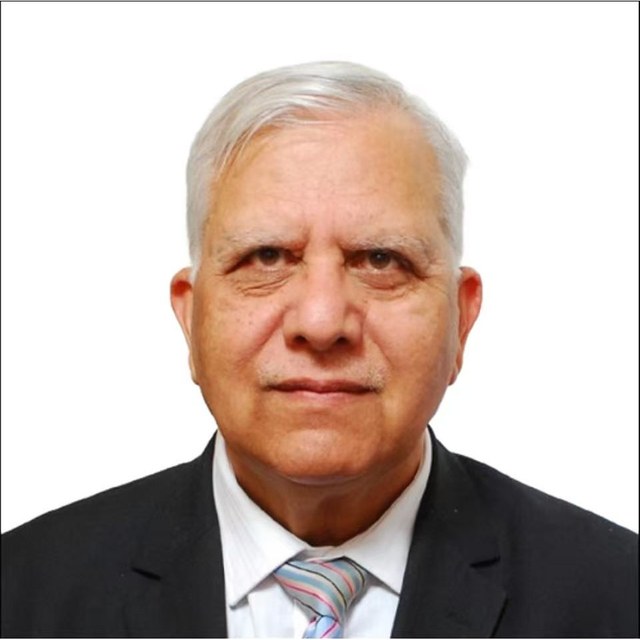
Zamir Ahmed Awan is the founder and Chair of the Global Silk Route Research Alliance, a think tank in Islamabad. He studied engineering at Shanghai University in the 1980s, and years later he went back to China as Pakistan's science counsellor in Beijing, from 2010 until 2016, working on science and higher education cooperation between the two countries.…