
International Day of Genocide Prevention: Remembering the Past, Confronting the Present. 防止种族灭绝国际日:铭记过去,面对现在。
Wire desk byline Sourced from Xinhua, Dawn, Arab News, Anadolu and Minute Mirror. Translated and abridged by the GSRRA Desk.

(下边有中文翻译请继续看到底。 谢谢。)
On 9 December, the world pauses to mark the International Day of Commemoration and Dignity of the Victims of Genocide and of the Prevention of This Crime. This year’s observance carries special weight: it marks a decade since the day was established and arrives at a moment when the very vow of “Never Again” is being tested in real time. The United Nations General Assembly’s Resolution A/RES/79/328, adopted in September 2025, expresses grave concern that—despite seven decades of legal frameworks and countless pledges—innocent human beings continue to fall victim to genocidal violence.
The General Assembly has convened a full-day high-level meeting to reflect on global progress, the failures that haunt us, and the urgent need to strengthen the world’s collective capacity to prevent atrocity crimes. These moments of reflection force us to confront the painful truth: genocide did not end with the 20th century.
Today, once again, conscience is shaken—this time by the tragic suffering of Palestinians in Gaza.
Understanding Genocide: The Definition and Its Legacy
The modern legal definition of genocide was enshrined in 1948, when the UN adopted the Convention on the Prevention and Punishment of the Crime of Genocide—the first international human rights treaty. Drafted in the shadow of the Holocaust, the Convention defines genocide as any act committed with the intent to destroy, in whole or in part, a national, ethnic, racial, or religious group. It lists five categories: killing, causing serious bodily or mental harm, inflicting life-destroying conditions, preventing births, and forcibly transferring children.
The Convention places the primary responsibility on states to prevent and punish genocide, even in times of war. Prevention was not meant to be aspirational—it was meant to be actionable, a daily political and moral obligation.
Yet history since 1948 reads like a catalogue of preventable human failure.
A Litany of Tragedies the World Failed to Stop
Although humanity pledged “Never Again,” the decades that followed saw repeated horrors—from the killing fields of Cambodia, to the slaughter of Bosnia’s Srebrenica, to the mass murders in Rwanda, to the persecution and systemic discrimination against Rohingya Muslims in Myanmar, and etc.
In nearly every case, one pattern stands out; the world recognized the signs but reacted too late.
And in nearly every case, Muslim communities suffered horrifically—despite being among the world’s most peace-loving and gentle societies, living their daily lives with dignity and aspiring simply to coexistence. Their victimhood across multiple tragedies underscores how urgent it is to confront cycles of hatred, discrimination, and impunity.
Gaza: The World’s Most Alarming Genocide Warning
Today, the global conscience trembles at the catastrophe unfolding in Gaza, where Palestinians—overwhelmingly civilians—have endured unprecedented devastation. Entire neighborhoods were leveled; hospitals, universities, places of worship, and civilian shelters have been struck repeatedly; and countless families have been wiped out.
Independent observers, human rights organizations, UN agencies, and international legal experts have warned that the scale and pattern of violence may amount to genocide or genocidal acts. The siege-like conditions—marked by destruction of basic infrastructure, obstruction of humanitarian aid, mass displacement, and widespread starvation—echo elements outlined in the Genocide Convention’s definition of “conditions of life calculated to bring about physical destruction.”
These are not simply political debates—they are issues of international law and human dignity.
The Responsibility of the United Nations
The UN was created in part to prevent the horrors of the Second World War from ever returning. The Genocide Convention itself is a product of that determination. And yet, the limits of the UN’s enforcement capabilities remain painful to observe.
Still, the UN plays three critical roles:
1. Early Warning and Monitoring
The Office of the UN Special Adviser on the Prevention of Genocide collects information on risk factors—hate speech, targeting of communities, discriminatory laws, mass displacement, systematic destruction of civilian infrastructure. In Gaza, the Special Adviser has issued multiple warnings, highlighting the growing danger of mass atrocity crimes.
2. Mobilizing Diplomatic Action
Through resolutions, emergency sessions, and advocacy, the UN seeks to halt violence and mobilize humanitarian access.
3. Documenting Violations and Preserving Evidence
UN bodies act as custodians of truth. Their reports ensure that the world cannot later claim ignorance.
But the UN cannot act decisively without the political will of its member states. Silence or paralysis in the face of mass suffering risks normalizing impunity and weakening the entire architecture of international law.
The Role of the International Court of Justice (ICJ) and International Criminal Court (ICC)
When state-level mechanisms fail or are unwilling to act, global justice institutions become indispensable.
ICJ: Addressing State Responsibility
Several countries have already turned to the ICJ to hold Israel accountable for alleged genocidal acts in Gaza. The Court’s provisional measures—calling for the prevention of genocidal acts and the facilitation of humanitarian aid—underline the seriousness with which the allegations are viewed at the highest judicial level.
ICC: Investigating Individual Responsibility
The ICC’s mandate allows it to prosecute individuals responsible for war crimes, crimes against humanity, and genocide. If commanders or political leaders are found to have intentionally orchestrated or facilitated atrocities, they may face prosecution—regardless of their rank or nationality.
These institutions exist precisely for moments like this. Justice must not be selective. Pardoning war criminals only encourages others to commit new atrocities in the expectation of a future pardon. Accountability is not vengeance—it is deterrence. It is protection for future generations.
Why Prevention Still Fails
The UN Framework of Analysis for Atrocity Crimes highlights common risk factors:
– systemic discrimination,
– dehumanization,
– propaganda,
– impunity,
– forced displacement,
– destruction of cultural and social life.
All of these have been observed historically—from Bosnia to Rwanda—and many are tragically visible again today in Gaza.

The world knows the patterns. What is often missing is political courage.
Marking the Day: Learning from the Past to Safeguard the Future
International Days exist not merely for ceremonies, but for awakening conscience. The International Day of Commemoration and Dignity of Genocide Victims aims to mobilize political will and public resolve. It reminds states of their obligations—not only to mourn, but to act.
Each year, survivors from past genocides remind us that the past is not distant. Their stories mirror today’s suffering. Their grief echoes in the voices of mothers searching for their children under rubble, in families fleeing bombardment, in communities living under siege.
The objects preserved from past genocides—a child’s dress from the Holocaust, a prayer book from Srebrenica, a photograph saved from Rwanda—symbolize lives interrupted and hope extinguished. Each artifact cries out a single message: If we fail to act, history repeats itself.
Gaza’s devastation stands today as the world’s most urgent test of its pledge to prevent genocide.
Muslims: Too Often the Victims, Rarely the Perpetrators
It is impossible to ignore a recurring historical pattern: Muslim populations—whether in Palestine, Bosnia, Myanmar, China’s Xinjiang region, or India-administered Kashmir—have repeatedly been at the receiving end of mass violence, forced displacement, and discrimination. They are societies built on family, compassion, and community, seeking dignity and peace. Yet they have often endured some of humanity’s darkest atrocities.
Their resilience reflects a commitment to patience and coexistence, despite immense suffering. Their experiences must serve as a universal reminder that hatred begins with dehumanization and ends with mass violence.
The Moral and Legal Imperative Before Us
Seventy-seven years after the Genocide Convention, the world must accept an uncomfortable truth: genocide remains a real and present danger. The victims are not numbers; they are children, parents, teachers, students—people whose dreams mattered.
If the world allows impunity to continue, if it treats genocide accusations as political inconvenience rather than moral emergency, then the promise of “Never Again” will continue to ring hollow.
Every war criminal must be held accountable.
Not out of anger—but out of a duty to humanity.
Every state has an obligation to prevent genocide.
Not selectively—but universally.
Every nation must speak when the vulnerable cry for help.
Not tomorrow—but today.
The International Day of Genocide Prevention is not a day of abstract reflection—it is a call to action. A call to protect life, uphold human dignity, and ensure that the suffering unfolding before our eyes does not become another chapter in humanity’s long list of preventable tragedies.
The world failed too many times in the past.
防止种族灭绝国际日:铭记过去,面对现在。
12月9日是纪念灭绝种族罪受害者、受害者尊严和防止此种罪行国际日。今年的纪念活动具有特殊的意义:它标志着该节日成立十周年,而且恰逢“永不再来”的誓言受到实时考验的时刻。联合国大会于2025年9月通过的第A/RES/79/328号决议表示严重关切,尽管七十年来法律框架和无数的承诺,无辜的人类继续成为种族灭绝暴力的受害者。
大会召开了一次全天高级别会议,以反思全球进展、困扰我们的失败以及加强世界集体能力以防止暴行犯罪的迫切需要。这些反思时刻迫使我们面对一个痛苦的事实:种族灭绝并没有随着20世纪而结束。
今天,良知再次动摇——这一次是由于加沙巴勒斯坦人的悲惨苦难。
理解种族灭绝:定义及其遗产
1948年,联合国通过了第一个国际人权条约《防止及惩治灭绝种族罪公约》,确立了种族灭绝的现代法律定义。在大屠杀的阴影下起草的《公约》将种族灭绝定义为旨在全部或部分摧毁一个民族、族裔、种族或宗教群体的任何行为。它列出了五个类别:杀害、造成严重的身体或精神伤害、造成破坏生命的条件、阻止生育和强迫转移儿童。
《公约》将防止和惩罚种族灭绝的主要责任放在各国身上,即使在战争时期也是如此。预防并不是一种空想,而是一种切实可行的行动,一种日常的政治和道德义务。
然而,1948年以来的历史读起来就像是一本本可避免的人类失败目录。
世界无法阻止的一连串悲剧
尽管人类承诺“不再发生”,但在接下来的几十年里,恐怖事件不断发生——从柬埔寨的杀戮场,到波斯尼亚的斯雷布雷尼察大屠杀,到卢旺达的大屠杀,再到缅甸对罗兴亚穆斯林的迫害和系统性歧视,等等。
在几乎所有案例中,都有一种模式引人注目;世界认识到了这些迹象,但反应太晚了。
几乎在每一个案例中,穆斯林社区都遭受了可怕的苦难——尽管他们是世界上最热爱和平、最温和的社会之一,有尊严地过着他们的日常生活,渴望简单地共存。她们在多起悲剧中的受害者身份凸显了对抗仇恨、歧视和有罪不罚循环的紧迫性。
加沙:世界上最令人震惊的种族灭绝警告
今天,全球良知因加沙正在发生的灾难而颤抖,在那里,巴勒斯坦人——绝大多数是平民——遭受了前所未有的破坏。整个社区被夷为平地;医院、大学、礼拜场所和平民庇护所一再遭到袭击;无数的家庭被摧毁。
独立观察员、人权组织、联合国机构和国际法律专家警告说,暴力的规模和模式可能构成种族灭绝或种族灭绝行为。以基础设施遭到破坏、人道主义援助受阻、大规模流离失所和普遍饥饿为特征的围困状况,与《灭绝种族公约》对“蓄意造成物质破坏的生活条件”的定义相呼应。
这些不仅仅是政治辩论——它们是国际法和人类尊严的问题。
联合国的责任
联合国的成立部分是为了防止第二次世界大战的恐怖重演。《灭绝种族罪公约》本身就是这种决心的产物。然而,联合国执行能力的局限性仍然令人痛心。
尽管如此,联合国仍发挥着三个关键作用:
- 早期预警和监测
联合国防止种族灭绝问题特别顾问办公室收集有关风险因素的信息,包括仇恨言论、针对社区、歧视性法律、大规模流离失所、对民用基础设施的系统性破坏。在加沙,特别顾问多次发出警告,强调大规模暴行犯罪的危险日益增加。
- 动员外交行动
通过决议、紧急会议和宣传,联合国寻求制止暴力并动员人道主义援助。
- 记录违法行为并保存证据
联合国机构是真相的保管人。他们的报告确保世界以后不能声称无知。
但如果没有成员国的政治意愿,联合国就无法采取果断行动。面对大规模苦难的沉默或瘫痪有使有罪不罚正常化和削弱整个国际法架构的风险。
国际法院(ICJ)和国际的作记录违法行为并保存证据
联合国机构是真相的保管人。他们的报告确保世界以后不能声称无知。
但如果没有成员国的政治意愿,联合国就无法采取果断行动。面对大规模苦难的沉默或瘫痪有使有罪不罚正常化和削弱整个国际法架构的风险。
国际法院和国际刑事法院的作用
当国家层面的机制失效或不愿采取行动时,全球司法机构就变得不可或缺。
国际法院:处理国家责任
一些国家已经求助于国际法院,要求以色列对所谓的加沙种族灭绝行为负责。法院的临时措施- -要求防止种族灭绝行为和促进人道主义援助- -强调了在最高司法一级看待这些指控的严重性。
ICC:调查个人责任
国际刑事法院的授权允许它起诉犯有战争罪、危害人类罪和种族灭绝罪的个人。如果指挥官或政治领导人被发现有意策划或协助暴行,他们可能会面临起诉——无论他们的军衔或国籍如何。
这些机构正是为这样的时刻而存在。司法不应该有选择性。赦免战犯只会鼓励其他人在未来被赦免的期望下犯下新的暴行。问责不是报复,而是威慑。这是对子孙后代的保护。
为什么预防仍然失败
《联合国暴行犯罪分析框架》强调了常见的风险因素:
-系统性歧视;
——灭绝人性,
——宣传,
——不受惩罚,
-强迫位移;
-破坏文化和社会生活。
从波斯尼亚到卢旺达,所有这些都在历史上被观察到,而今天在加沙,许多悲剧再次出现。
世界知道这些模式。人们往往缺少的是政治勇气。
纪念国际日:以史为鉴,守护未来
国际日的存在不仅是为了举行仪式,也是为了唤醒良知。种族灭绝受害者纪念和尊严国际日旨在调动政治意愿和公众决心。它提醒了各国的义务——不仅要哀悼,还要采取行动。
每一年,过去种族灭绝的幸存者都提醒我们,过去并不遥远。他们的故事反映了今天的苦难。在瓦砾下寻找孩子的母亲、逃离轰炸的家庭以及生活在围困中的社区的声音中,他们的悲伤得到了呼应。
从过去的种族灭绝中保存下来的物品——从大屠杀中保存下来的一件儿童衣服,从斯雷布雷尼察保存下来的一本祈祷书,从卢旺达保存下来的一张照片——象征着生命的中断和希望的破灭。每件艺术品都在传达一个信息:如果我们不采取行动,历史就会重演。
今天,加沙的破坏是对世界防止种族灭绝承诺的最紧迫考验。
穆斯林:往往是受害者,很少是加害者
我们不可能忽视一个反复出现的历史模式:无论是在巴勒斯坦、波斯尼亚、缅甸、中国新疆地区,还是在印控克什米尔,穆斯林人口都一再遭受大规模暴力、被迫流离失所和歧视。它们是建立在家庭、同情和社区基础上的社会,寻求尊严与和平。然而,他们经常忍受人类最黑暗的暴行。
他们的韧性反映了尽管遭受巨大苦难,但他们对忍耐和共存的承诺。他们的经历必须成为一个普遍的提醒:仇恨始于非人化,结束于大规模暴力。
我们面前的道德和法律的必要性
在《灭绝种族罪公约》通过77年后,世界必须接受一个令人不安的事实:种族灭绝仍然是一个真实而现实的危险。受害者不是数字;他们是孩子、父母、老师、学生——他们的梦想很重要。
如果世界允许有罪不罚的情况继续下去,如果它将种族灭绝指控视为政治上的不便而不是道德上的紧急情况,那么“永不再犯”的承诺将继续听起来空洞。
每一个战犯都必须被追究责任。
不是出于愤怒,而是出于对人类的责任。
每个国家都有义务防止种族灭绝。
不是选择性的,而是普遍的。
当弱势群体呼救时,每个国家都必须发声。
不是明天,而是今天。
防止灭绝种族罪国际日不是一个抽象反思的日子,而是一个呼吁采取行动的日子。呼吁保护生命,维护人类尊严,并确保我们眼前的苦难不会成为人类一长串可预防悲剧的另一个篇章。
世界在过去失败了太多次。
( 注意: 本文是用AI翻译的,或有误差。请以原版英文为准。谢谢。)
Reference Link:- https://www2.apdnews.cn/en/item/25/1208/axjffjca821b2155461fe3.html
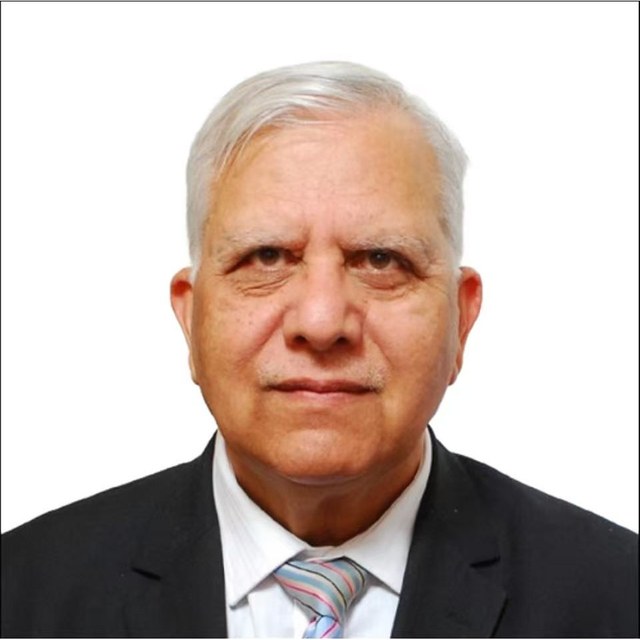
Zamir Ahmed Awan is the founder and Chair of the Global Silk Route Research Alliance, a think tank in Islamabad. He studied engineering at Shanghai University in the 1980s, and years later he went back to China as Pakistan's science counsellor in Beijing, from 2010 until 2016, working on science and higher education cooperation between the two countries.…