Yuri Gagarin in Islamabad: Celebrating Space, Science, and Pakistan-Russia Friendship Yuri Gagarin 在伊斯兰堡:庆祝空间、科学和巴基斯坦与俄罗斯的友谊
Wire desk byline Sourced from Xinhua, Dawn, Arab News, Anadolu and Minute Mirror. Translated and abridged by the GSRRA Desk.

(下边有中文翻译请继续看到底。 谢谢。)

The unveiling of a monument to Yuri Gagarin in Islamabad’s iconic Fatima Jinnah Park is not just a ceremonial event—it is a symbolic affirmation of Pakistan’s enduring friendship with Russia and a tribute to one of humanity’s most extraordinary achievements. Gagarin, the first human to journey into space and return safely, embodies the courage, vision, and scientific ingenuity that have defined Russia’s illustrious contributions to space exploration. As Pakistan commemorates this milestone through the monument, it simultaneously reinforces the growing partnership between Islamabad and Moscow, which spans trade, technology, culture, and now, the frontiers of science itself.
On April 12, 1961, the world witnessed an unparalleled moment of human achievement. Yuri Gagarin, a 27-year-old cosmonaut from the Soviet Union, embarked on a journey that had long been the dream of scientists, engineers, and dreamers worldwide. As the Vostok rocket lifted off from southern Kazakhstan, Gagarin famously uttered the words “Let’s go!”—a phrase that has since become immortal in the annals of space history. In just 108 minutes, he orbited the Earth and returned safely, parachuting into a field in the Saratov region, marking the dawn of human spaceflight.
This monumental feat was not merely a personal triumph but a showcase of Soviet scientific prowess and technological supremacy. The Soviet Union, through rigorous research, meticulous planning, and unwavering determination, had successfully propelled humanity into the cosmic arena. The legacy of Yuri Gagarin serves as a timeless reminder that space exploration is a testament to human ambition, international cooperation, and the relentless pursuit of knowledge.

The recent unveiling ceremony in Islamabad, attended by Russian Energy Minister Sergei Tsivilev, Pakistan’s Power Minister Awais Leghari, Russian Ambassador Albert P. Khorev, Pakistani Ambassador to Russia Faisal Niaz Tirmizi, and Russian pilot-cosmonaut Elena Serova, highlights the profound respect both nations hold for each other’s contributions to science and international cooperation. The event coincided with the 10th Meeting of the Russia-Pakistan Intergovernmental Commission on Trade, Economic, Scientific, and Technical Cooperation, reinforcing the multidimensional nature of bilateral relations. This deliberate alignment underscores a shared commitment to fostering scientific collaboration alongside economic and cultural ties.
Minister Tsivilev, in his remarks, aptly described Gagarin’s journey as “the greatest feat in our shared history,” emphasizing that the achievements of space science should benefit all countries. This sentiment resonates deeply with Pakistan’s own aspirations in science and technology. Pakistan, a nation that has made remarkable strides in its own scientific and technological landscape, acknowledges the inspiration that Russia provides through its space program. From launching satellites to advancing cosmonautics, Russia’s contributions have not only expanded humanity’s understanding of the cosmos but have also paved the way for global collaboration in space research.

The installation of the Gagarin monument was made possible through the support of the International Charitable Fund “Dialogue of Cultures-United World,” the St. Petersburg International Mercantile Exchange, and the cooperation of Pakistani authorities. Such collaborative efforts mirror the larger spirit of Pakistan-Russia relations, which have matured from tentative engagement to a comprehensive strategic partnership. Today, the two nations are exploring avenues beyond traditional diplomacy and trade, moving into sectors like energy, infrastructure, and scientific innovation. The space domain, symbolized by Gagarin’s monument, offers a particularly compelling example of how science can strengthen international friendship.
Russia’s supremacy in the field of space exploration cannot be overstated. The Soviet Union’s early achievements, including the launch of Sputnik in 1957 and Gagarin’s historic flight, laid the foundation for decades of pioneering research in cosmonautics, space stations, interplanetary exploration, and satellite technology. Russian space engineers and scientists have consistently demonstrated a capacity to overcome technological challenges, often under stringent conditions, delivering solutions that have not only propelled Russia to the forefront of space science but have also benefited global space initiatives. Russia’s accomplishments have inspired countless nations, including Pakistan, to pursue their own scientific goals with renewed vigor.
Pakistan, in turn, views its relationship with Russia as a bridge to scientific knowledge, technological exchange, and mutual progress. While Pakistan’s space program has achieved significant milestones—ranging from satellite launches to participation in international space research—the experience and expertise of Russian scientists offer a rich resource for growth. By honoring Gagarin and commemorating Russia’s achievements, Pakistan signals its readiness to engage in advanced scientific collaboration, while simultaneously reinforcing cultural and diplomatic bonds.
The unveiling of the monument also reflects a broader philosophy: that science transcends borders and that great achievements, like Gagarin’s journey, belong to all humanity. Minister Tsivilev’s remarks captured this beautifully: “A huge number of scientists are engaged in space research. Let this work benefit all countries of the world.” This statement resonates deeply with Pakistan’s own vision for scientific development—one that seeks knowledge, innovation, and progress not only for national benefit but also for regional and global advancement. In a world increasingly shaped by technology and innovation, collaboration in space research represents a beacon of hope and shared human achievement.

Looking ahead, the announcement of a Russia-Pakistan conference on cosmonautics and space infrastructure to be held in Islamabad next year is particularly significant. Such a forum will provide Pakistani scientists, engineers, and policymakers direct access to Russian expertise in space technologies. It will facilitate dialogue on satellite deployment, space exploration strategies, and the development of infrastructure essential for sustained space programs. More importantly, it symbolizes a shift in bilateral cooperation from conventional trade and energy sectors to the cutting edge of science and technology, marking a new chapter in Pakistan-Russia relations.
Beyond the tangible benefits of technological exchange, events like the Gagarin monument unveiling carry immense symbolic weight. They represent the shared values of exploration, innovation, and human curiosity. They remind Pakistan and the world that progress is not a zero-sum endeavor; rather, it is a collective journey that thrives on collaboration, mutual respect, and the celebration of achievement. By honoring Gagarin, Pakistan pays homage not only to Russian ingenuity but also to the spirit of human perseverance and ambition.
The monument also serves as a cultural and educational touchstone. Young Pakistanis visiting Fatima Jinnah Park will see a tangible reminder of what determination, intellect, and courage can achieve. Gagarin’s story transcends national boundaries—it is a narrative of human potential realized against immense odds. In promoting such stories, Pakistan signals its commitment to fostering a culture of scientific curiosity and aspiration, encouraging the next generation to pursue careers in science, technology, and engineering.
Moreover, the broader context of Pakistan-Russia cooperation cannot be ignored. Over the past decade, the two countries have steadily expanded their partnership across multiple dimensions—energy, defense, trade, and cultural exchange. From agreements on energy cooperation to initiatives in infrastructure development, the trajectory of the relationship reflects growing trust, mutual respect, and shared strategic interests. The Gagarin monument, therefore, is more than a tribute to a space pioneer; it is a reflection of a partnership built on collaboration, vision, and a commitment to shared progress.
Russia’s contributions to space research, exemplified by Gagarin and countless scientists and engineers who followed him, provide Pakistan with a model of how sustained investment in science can yield transformative results. The Soviet Union, and now Russia, invested decades in developing the infrastructure, human capital, and technological innovation required for space exploration. For Pakistan, this provides both inspiration and a roadmap: strategic planning, investment in human talent, and international collaboration can unlock new frontiers of knowledge and capability.
At a time when the world faces rapid technological change and growing competition in space and advanced research, the symbolic and practical significance of the Gagarin monument cannot be overstated. It is a reminder that science and technology are not isolated national endeavors; they are shared human ventures with the power to unite nations, inspire citizens, and advance global progress. By commemorating Gagarin, Pakistan not only celebrates the past but also stakes a claim in the ongoing journey of space exploration, scientific discovery, and international cooperation.
In conclusion, the unveiling of the Yuri Gagarin monument in Islamabad’s Fatima Jinnah Park is a milestone that transcends ceremonial significance. It is a tribute to the brilliance and courage of a man who opened the door to space for humanity and a recognition of Russia’s unmatched contributions to space science. It is a celebration of Pakistan-Russia friendship, reflecting decades of growing trust, collaboration, and shared aspirations. The event reinforces the notion that science and diplomacy can walk hand in hand, forging bonds that benefit not only the nations involved but the world at large.
As Pakistan looks toward the future, the monument stands as a reminder that the sky is not the limit—it is the beginning of a journey that humanity undertakes together. The collaboration between Pakistan and Russia in science, technology, and space exploration offers a vision of partnership that is forward-looking, inspiring, and transformative. It is a model of how nations can honor shared history, celebrate human achievement, and work together for a better, more enlightened future.
Through Yuri Gagarin, Pakistan is reminded of the power of human ingenuity, the value of scientific collaboration, and the importance of international friendship. In commemorating him, Islamabad sends a message to the world: the pursuit of knowledge, the exploration of space, and the cultivation of friendship are timeless endeavors that enrich all of humanity. This monument, therefore, is not only a tribute to a Russian hero—it is a testament to the enduring partnership between Pakistan and Russia, a partnership that continues to soar to new heights, inspired by the legacy of a man who dared to go where no one had gone before.
在伊斯兰堡:庆祝空间、科学和巴基斯坦与俄罗斯的友谊
在伊斯兰堡标志性的法蒂玛真纳公园,尤里·加加林纪念碑的揭幕仪式不仅仅是一个仪式,它是对巴基斯坦与俄罗斯持久友谊的象征性肯定,也是对人类最非凡成就之一的致敬。加加林是第一个进入太空并安全返回的人,他体现了勇气、远见和科学智慧,这些都是俄罗斯在太空探索方面做出的杰出贡献。在巴基斯坦通过纪念碑纪念这一里程碑的同时,它也加强了伊斯兰堡和莫斯科之间日益增长的伙伴关系,这种伙伴关系跨越了贸易、技术、文化,现在又扩展到了科学本身的前沿。
1961年4月12日,全世界见证了人类取得空前成就的时刻。尤里·加加林,一名27岁的苏联宇航员,踏上了全世界科学家、工程师和梦想家长久以来的梦想之旅。当东方号火箭从哈萨克斯坦南部升空时,加加林说出了一句著名的话:“我们走吧!”这句话从此在太空历史的编年史上永垂不朽。在短短108分钟内,他绕地球飞行并安全返回,降落伞降落在萨拉托夫地区的一片土地上,标志着人类太空飞行的曙光。
这一不朽的壮举不仅是个人的胜利,也是苏联科学实力和技术霸权的展示。苏联通过严格的研究、细致的计划和坚定不移的决心,成功地将人类推向了宇宙的舞台。尤里·加加林的遗产是一个永恒的提醒,太空探索是人类野心、国际合作和对知识不懈追求的证明。
最近在伊斯兰堡举行的揭幕仪式上,俄罗斯能源部长Sergei Tsivilev、巴基斯坦电力部长Awais Leghari、俄罗斯大使Albert P. Khorev、巴基斯坦驻俄罗斯大使Faisal Niaz Tirmizi和俄罗斯飞行员兼宇航员Elena Serova出席了仪式,这凸显了两国对彼此在科学和国际合作方面的贡献的深刻尊重。此次活动恰逢俄罗斯-巴基斯坦政府间贸易、经济、科学和技术合作委员会第十次会议,加强了双边关系的多层面性质。这种刻意的结盟强调了在经济和文化联系的同时促进科学合作的共同承诺。
齐维列夫部长在讲话中恰当地将加加林的旅程描述为“我们共同历史上最伟大的壮举”,并强调空间科学的成就应该使所有国家受益。这种情绪与巴基斯坦自身在科学和技术方面的抱负产生了深刻的共鸣。巴基斯坦是一个在自己的科学和技术领域取得显著进步的国家,它承认俄罗斯通过其太空计划提供的灵感。从发射卫星到推进航天,俄罗斯的贡献不仅扩大了人类对宇宙的认识,而且为全球空间研究合作铺平了道路。
加加林纪念碑的设立是在“文化对话-联合世界”国际慈善基金、圣彼得堡国际商业交易所的支持下以及巴基斯坦当局的合作下得以实现的。这些合作努力反映了巴俄关系的更大精神,两国关系已经从试探性接触成熟为全面战略伙伴关系。今天,两国正在探索超越传统外交和贸易的途径,进入能源、基础设施和科学创新等领域。以加加林纪念碑为象征的太空领域,为科学如何加强国际友谊提供了一个特别引人注目的例子。
俄罗斯在太空探索领域的霸主地位怎么强调都不过分。苏联早期的成就,包括1957年发射的人造卫星和加加林的历史性飞行,为数十年来在航天、空间站、行星际探索和卫星技术方面的开创性研究奠定了基础。俄罗斯空间工程师和科学家一贯表现出克服技术挑战的能力,往往是在严格的条件下,提供的解决方案不仅将俄罗斯推向了空间科学的前沿,而且也有利于全球空间倡议。俄罗斯的成就激励了包括巴基斯坦在内的无数国家以新的活力追求自己的科学目标。
反过来,巴基斯坦将其与俄罗斯的关系视为科学知识、技术交流和共同进步的桥梁。虽然巴基斯坦的空间计划取得了重大的里程碑——从卫星发射到参与国际空间研究——但俄罗斯科学家的经验和专业知识为发展提供了丰富的资源。通过表彰加加林和纪念俄罗斯的成就,巴基斯坦表明其愿意参与先进的科学合作,同时加强文化和外交纽带。
纪念碑的揭幕也反映了一种更广泛的哲学:科学超越国界,伟大的成就,如加加林的旅程,属于全人类。齐维列夫部长的话恰如其分地表达了这一点:“大量科学家从事太空研究。让这项工作惠及世界各国。”这一声明与巴基斯坦自身的科学发展愿景产生了深刻的共鸣——寻求知识、创新和进步,不仅是为了国家利益,也是为了地区和全球进步。在一个日益受到技术和创新影响的世界,空间研究合作是希望的灯塔,是人类共同成就的象征。
展望未来,俄罗斯和巴基斯坦宣布将于明年在伊斯兰堡举行关于航天和空间基础设施的会议,这尤其具有重要意义。这样一个论坛将使巴基斯坦的科学家、工程师和政策制定者直接获得俄罗斯在空间技术方面的专业知识。它将促进有关卫星部署、空间探索战略和可持续空间计划所需基础设施发展的对话。更重要的是,它标志着双边合作从传统的贸易和能源领域转向前沿的科技领域,标志着巴俄关系翻开了新的篇章。
除了技术交流带来的切实好处之外,像加加林纪念碑揭幕这样的事件还具有巨大的象征意义。它们代表了探索、创新和人类好奇心的共同价值观。他们提醒巴基斯坦和世界,进步不是零和努力;相反,这是一段以合作、相互尊重和庆祝成就为基础的集体旅程。通过表彰加加林,巴基斯坦不仅向俄罗斯人的聪明才智致敬,而且向人类坚韧不拔和雄心勃勃的精神致敬。
这座纪念碑也是文化和教育的试金石。参观法蒂玛真纳公园的巴基斯坦年轻人将看到一个有形的提醒,提醒他们决心、智慧和勇气可以取得什么成就。加加林的故事超越了国界——它讲述了人类在巨大的困难下实现潜能的故事。巴基斯坦通过宣传这类故事表明,它致力于培养一种对科学充满好奇和渴望的文化,鼓励下一代从事科学、技术和工程方面的职业。
此外,巴基斯坦与俄罗斯合作的更广泛背景不容忽视。在过去十年中,两国在能源、国防、贸易和文化交流等多个领域稳步扩大了伙伴关系。从能源合作协议到基础设施建设倡议,两国关系的发展轨迹反映了日益增长的信任、相互尊重和共同的战略利益。因此,加加林纪念碑不仅仅是对太空先驱的致敬;它反映了建立在协作、远见和对共同进步的承诺基础上的伙伴关系。
以加加林和他之后的无数科学家和工程师为代表的俄罗斯对空间研究的贡献为巴基斯坦提供了一个模式,说明对科学的持续投资如何产生变革性的结果。前苏联和现在的俄罗斯在发展太空探索所需的基础设施、人力资本和技术创新方面投入了数十年。对巴基斯坦来说,这既提供了灵感,也提供了路线图:战略规划、人才投资和国际合作可以开辟知识和能力的新领域。
在世界面临快速的技术变革和日益激烈的空间和先进研究竞争的时代,加加林纪念碑的象征意义和实际意义怎么强调都不为过。它提醒我们,科学技术不是孤立的国家事业;它们是人类共同的事业,具有团结各国、激励公民和推动全球进步的力量。通过纪念加加林,巴基斯坦不仅庆祝过去,而且在正在进行的太空探索、科学发现和国际合作的旅程中占有一席之地。
总之,尤里·加加林纪念碑在伊斯兰堡法蒂玛真纳公园的揭幕是一个超越仪式意义的里程碑。这是对一个为人类打开太空之门的人的才华和勇气的致敬,也是对俄罗斯在空间科学方面无与伦比的贡献的认可。这是对巴基斯坦和俄罗斯友谊的庆祝,反映了几十年来不断增长的信任、合作和共同愿望。这次活动强化了科学和外交可以携手并进的观念,建立的纽带不仅有利于相关国家,也有利于整个世界。
当巴基斯坦展望未来时,这座纪念碑提醒人们,天空不是极限——它是人类共同承担的旅程的开始。巴基斯坦和俄罗斯在科学、技术和空间探索方面的合作提供了一种具有前瞻性、鼓舞人心和变革性的伙伴关系愿景。它是各国如何尊重共同的历史、庆祝人类成就、为更美好、更开明的未来而共同努力的典范。
通过尤里·加加林,巴基斯坦意识到人类智慧的力量、科学合作的价值和国际友谊的重要性。通过纪念他,伊斯兰堡向世界传递了一个信息:追求知识、探索太空和培养友谊是永恒的努力,可以丰富全人类。因此,这座纪念碑不仅是对这位俄罗斯英雄的致敬,也是巴基斯坦和俄罗斯之间持久的伙伴关系的证明,这种伙伴关系在这位敢于去前人从未去过的地方的人的遗产的鼓舞下,继续飙升到新的高度。
( 注意: 本文是用AI翻译的,或有误差。请以原版英文为准。谢谢。)
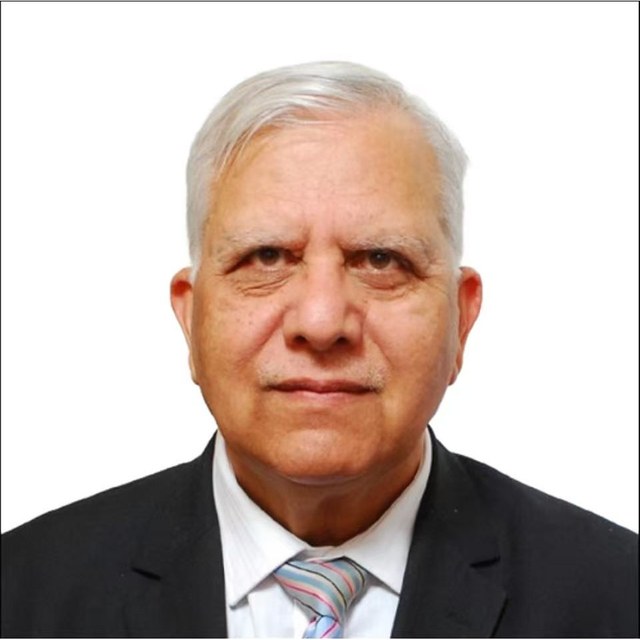
Zamir Ahmed Awan is the founder and Chair of the Global Silk Route Research Alliance, a think tank in Islamabad. He studied engineering at Shanghai University in the 1980s, and years later he went back to China as Pakistan's science counsellor in Beijing, from 2010 until 2016, working on science and higher education cooperation between the two countries.…