Navigating a Changing World: Pakistan and the New Geopolitical Realities 驾驭变化的世界:巴基斯坦和新的地缘政治现实

(下边有中文翻译请继续看到底。 谢谢。)
We live in an age of extraordinary transformation. The global order that once appeared firmly anchored in post–Cold War stability is now in flux, shaped by emerging power centers, disruptive technologies, and shifting economic and ideological tides. From Washington to Beijing, from the Middle East to South Asia, the old assumptions of global dominance, alliances, and influence are being tested as never before.
For Pakistan, a nation at the crossroads of civilizations and trade routes, these geopolitical transformations present both challenges and opportunities. How we understand, adapt, and respond to them will determine not only our global standing but also the prosperity and confidence of future generations.
The Changing Nature of Global Power
In the 20th century, power was defined largely by military might and territorial control. Today, it is increasingly measured by mastery over data, technology, innovation, and values. The geopolitical contest is no longer just about land or weapons—it is about ideas, connectivity, and digital dominance.
Artificial Intelligence (AI), biotechnology, and quantum computing have become new arenas of competition, where nations that lead in innovation enjoy both economic and strategic advantages. Control over digital platforms, communication networks, and data sovereignty now defines the new frontiers of power.
This shift has profound implications for developing countries like Pakistan. The traditional formula of security through arms and alliances is giving way to a new paradigm—security through education, innovation, and technological capacity. Investing in science and technology, encouraging start-ups, and fostering a culture of creativity are no longer optional—they are prerequisites for national resilience in the 21st century.
Global Fault Lines and Emerging Multipolarity
Three developments vividly illustrate the ongoing transformation of global politics: the continuing Israel–Palestine conflict, the war in Ukraine, and the resurgence of protectionism under U.S. President Donald Trump.
Each of these events underscores the weakening of the old order and the rise of new centers of power. The global South—comprising Asia, Africa, and Latin America—is now asserting a stronger voice in world affairs. Nations once seen as peripheral are demanding equitable participation in global decision-making.
This emerging multipolarity is visible in the growing influence of groupings such as BRICS, ASEAN, and the Shanghai Cooperation Organization (SCO). These forums challenge Western-dominated institutions and promote an alternative vision of cooperation based on mutual respect, sovereignty, and non-interference.
For Pakistan, this changing landscape opens up strategic space. Our deep partnership with China under the China–Pakistan Economic Corridor (CPEC) aligns well with this multipolar vision. Through regional initiatives like the SCO, Pakistan can play a meaningful role in promoting dialogue, connectivity, and stability across Eurasia.
At the same time, Pakistan must maintain balanced relations with all major powers—including the United States, Europe, and the Islamic world. A pragmatic, interest-driven foreign policy—anchored in economic diplomacy rather than security-centric thinking—should be the way forward.
Technology, Innovation, and the Future of Nations
Technology is now the engine of both prosperity and power. The nations leading the AI revolution will not only shape the global economy but also the values embedded in technology. Whether algorithms promote inclusivity or inequality, whether digital spaces spread peace or polarization—these choices will define the character of our shared future.
Pakistan cannot afford to be a bystander in this transformation. With a youthful population—more than 60 percent under the age of 30—Pakistan holds immense potential to become a hub of digital innovation. However, this requires a radical rethinking of our education system.
We must shift from rote learning to research-based education, from degrees to skills, and from dependency to creativity. Universities should become centers of innovation where technology meets entrepreneurship. Investment in AI research, biotechnology, and renewable energy must become national priorities. Public–private partnerships can accelerate this transition, enabling our youth to build globally competitive solutions.
The government, academia, and industry must work hand in hand to create an ecosystem that nurtures startups, protects intellectual property, and integrates Pakistan into the global digital economy.
Islamophobia, Identity, and the Battle of Narratives
This persistent bias not only fuels prejudice but also weakens global solidarity. The only effective response is to counter ignorance with knowledge, hatred with understanding, and division with excellence.
Pakistan, as the second-largest Muslim-majority country, carries a moral and intellectual responsibility to project a balanced, confident, and progressive image of Islam to the world. Through diplomacy, education, and media engagement, we must highlight our contributions to science, art, and humanitarian values. Our embassies, universities, and think tanks should serve as bridges of dialogue, promoting a narrative of peace, tolerance, and shared humanity.
Climate Change and the New Global Consensus
No discussion on modern geopolitics can ignore the existential challenge of climate change. The devastating floods of 2022 reminded Pakistan that environmental crises respect no borders. Climate resilience is now inseparable from national security.
As global attention turns toward green transformation and sustainable development, Pakistan should position itself as a proactive advocate for climate justice. The Global South, especially countries like Pakistan, bears the brunt of a crisis largely caused by industrialized nations. Our diplomatic voice must call for fairness, financial support, and technology transfer to ensure that development does not come at the cost of the planet.
Green technology, water management, and renewable energy are areas where Pakistan can not only adapt but also lead. Initiatives like reforestation, sustainable agriculture, and climate-smart urban planning can turn vulnerability into opportunity.
Economic Realignments and the End of Dollar Dominance
The world economy is also undergoing a profound shift. The slow but steady move toward de-dollarization, led by China, Russia, and other emerging economies, signifies a gradual diversification of the global financial system.
This presents both challenges and opportunities for Pakistan. Reducing dependence on a single currency in international trade can increase economic resilience. Strengthening trade in local currencies with China, Iran, and Central Asian countries can help stabilize Pakistan’s external sector.
To seize this opportunity, Pakistan must enhance its regional connectivity through transport, energy, and digital corridors. The operationalization of the Gwadar Port and cross-border energy projects like CASA-1000 can transform Pakistan into a gateway for trade between South Asia, Central Asia, and the Middle East.
The Human Dimension: How Geopolitics Shapes Lives
Geopolitics may seem abstract, but its consequences are deeply personal. It affects economies, job markets, technologies, and even our sense of identity. In a world of constant change, adaptability is the most valuable currency.
For Pakistani youth, this is both an age of anxiety and an age of hope. The challenges of unemployment, social inequality, and political instability are real—but so are the opportunities in the digital economy, freelancing, and innovation. With the right mindset and skills, our youth can turn uncertainty into empowerment.
We must encourage young Pakistanis to think globally but act locally—solving problems within their communities while connecting to global knowledge networks. Critical thinking, cross-cultural understanding, and ethical leadership should be cultivated as essential tools for the future.
The Way Forward: Realigning Pakistan under New Geopolitics
To navigate the turbulence of changing geopolitics, Pakistan needs a coherent national strategy anchored in five core principles:
Strategic Autonomy and Balanced Diplomacy:
Pakistan must maintain friendly relations with all major powers while prioritizing national interests. Avoiding entanglement in great power rivalries is crucial for stability and growth.
Economic Diplomacy over Security Politics:
Foreign policy should serve economic revival. Trade, technology partnerships, and investment promotion must replace dependency on aid and loans.
Knowledge, Innovation, and Youth Empowerment:
National development must be powered by education reform, digital skills, and entrepreneurship. The youth should be equipped to lead Pakistan into the Fourth Industrial Revolution.
Green Transformation and Climate Leadership:
Pakistan should champion environmental sustainability as a global priority, aligning development with climate resilience.
Narrative Building and Cultural Confidence:
Through arts, academia, and media, Pakistan must project a positive and confident narrative—rooted in tolerance, creativity, and contribution to global peace.
High Hopes in a Time of Change
The world is changing faster than ever before. Yet, change is not a threat—it is an opportunity for renewal. Pakistan stands at a historic crossroads where decisive vision and ethical leadership can transform potential into progress.
If we invest in our people, harness technology wisely, and pursue principled diplomacy, Pakistan can emerge as a bridge between regions and civilizations—a nation that connects, rather than divides, the world.
The message is simple yet profound: Geopolitical shifts are not the end of stability; they are the beginning of a new era of shared responsibility. By embracing change with wisdom and courage, Pakistan can secure its rightful place in the global community—peaceful, prosperous, and proud.
驾驭变化的世界:巴基斯坦和新的地缘政治现实
我们生活在一个巨变的时代。在新兴的权力中心、颠覆性技术以及不断变化的经济和意识形态浪潮的影响下,冷战后稳定的全球秩序如今正处于不断变化之中。从华盛顿到北京,从中东到南亚,关于全球支配、联盟和影响力的旧假设正受到前所未有的考验。
对于巴基斯坦这个处于文明和贸易路线十字路口的国家来说,这些地缘政治变革既带来了挑战,也带来了机遇。我们如何理解、适应和应对这些挑战,不仅将决定我们在全球的地位,也将决定子孙后代的繁荣和信心。
全球权力性质的变化
在20世纪,权力主要由军事力量和领土控制来定义。今天,它越来越多地通过对数据、技术、创新和价值观的掌握来衡量。地缘政治的竞争不再仅仅是关于土地或武器,而是关于思想、连通性和数字优势。
人工智能(AI)、生物技术、量子计算已经成为新的竞争领域,在这些领域,领先的国家享有经济和战略优势。对数字平台、通信网络和数据主权的控制现在定义了权力的新边界。
这种转变对巴基斯坦等发展中国家有着深远的影响。通过武器和联盟实现安全的传统模式正在让位于通过教育、创新和技术能力实现安全的新模式。投资科技、鼓励创业和培育创新文化不再是可有可无的选择——它们是21世纪国家恢复力的先决条件。
全球断层线和新兴多极化
三个事态发展生动地说明了全球政治正在发生的变化:持续的以色列-巴勒斯坦冲突、乌克兰战争以及美国总统唐纳德·特朗普(Donald Trump)领导下的保护主义抬头。
这些事件都突显了旧秩序的衰落和新权力中心的崛起。包括亚洲、非洲和拉丁美洲在内的全球南方现在正在世界事务中发出更大的声音。曾经被视为边缘国家的国家正在要求公平参与全球决策。
金砖国家、东盟、上海合作组织等国际组织的影响力日益增强,体现了世界多极化的趋势。这些论坛挑战西方主导的机构,促进基于相互尊重、主权和不干涉的另一种合作愿景。
对巴基斯坦来说,这种变化的形势打开了战略空间。我们同中国在中巴经济走廊框架下建立的深度伙伴关系,符合我们的多极愿景。通过上海合作组织等地区倡议,巴基斯坦可以在促进欧亚对话、互联互通和稳定方面发挥有意义的作用。
与此同时,巴基斯坦必须与包括美国、欧洲和伊斯兰世界在内的所有大国保持平衡的关系。务实的、利益驱动的外交政策——以经济外交为基础,而不是以安全为中心的思维——应该是前进的方向。
技术、创新和国家的未来
技术现在是繁荣和力量的引擎。引领人工智能革命的国家不仅将塑造全球经济,还将塑造技术所蕴含的价值观。算法是促进包容性还是不平等,数字空间是传播和平还是两极分化——这些选择将决定我们共同未来的特征。
巴基斯坦不能在这一转变中成为旁观者。巴基斯坦人口年轻化——超过60%的人口年龄在30岁以下——拥有成为数字创新中心的巨大潜力。然而,这需要对我们的教育体系进行彻底的反思。
我们必须从死记硬背转向以研究为基础的教育,从学位转向技能,从依赖转向创造。大学应该成为技术与创业相结合的创新中心。对人工智能研究、生物技术和可再生能源的投资必须成为国家的优先事项。公私伙伴关系可以加速这一转变,使我们的青年能够制定具有全球竞争力的解决方案。
政府、学术界和工业界必须携手合作,创建一个培育初创企业、保护知识产权并将巴基斯坦融入全球数字经济的生态系统。
伊斯兰恐惧症、身份认同和叙事之战
这种持续的偏见不仅助长了偏见,而且削弱了全球团结。唯一有效的回应是以知识对抗无知,以理解对抗仇恨,以卓越对抗分裂。
巴基斯坦作为第二大穆斯林占多数的国家,在道德和思想上有责任向世界展示一个平衡、自信和进步的伊斯兰形象。通过外交、教育和媒体参与,我们必须突出我们对科学、艺术和人道主义价值观的贡献。我们的大使馆、大学和智库应该成为对话的桥梁,促进和平、宽容和人类共享的叙事。
气候变化与新的全球共识
任何关于现代地缘政治的讨论都不能忽视气候变化带来的生存挑战。2022年毁灭性的洪水提醒巴基斯坦,环境危机不分国界。气候适应能力现在与国家安全密不可分。
随着全球关注转向绿色转型和可持续发展,巴基斯坦应将自己定位为气候正义的积极倡导者。全球南方国家,尤其是像巴基斯坦这样的国家,首当其冲地承受着这场主要由工业化国家造成的危机。我们的外交声音必须呼吁公平、资金支持和技术转让,以确保发展不以牺牲地球为代价。
绿色技术、水资源管理和可再生能源是巴基斯坦不仅可以适应而且可以引领的领域。植树造林、可持续农业和气候智慧型城市规划等举措可以化脆弱性为机遇。
经济调整与美元主导地位的终结
世界经济也在发生深刻变化。由中国、俄罗斯和其他新兴经济体主导的缓慢但稳定的去美元化进程,标志着全球金融体系的逐步多样化。
这对巴基斯坦来说既是挑战,也是机遇。在国际贸易中减少对单一货币的依赖可以增强经济弹性。加强与中国、伊朗和中亚国家的本币贸易有助于稳定巴基斯坦的对外部门。
为了抓住这一机遇,巴基斯坦必须通过交通、能源和数字走廊加强区域互联互通。瓜达尔港和CASA-1000等跨境能源项目的投入运营,将使巴基斯坦成为南亚、中亚和中东之间的贸易门户。
《人文维度:地缘政治如何塑造生活
地缘政治可能看起来很抽象,但其后果是非常个人化的。它影响着经济、就业市场、技术,甚至我们的认同感。在一个不断变化的世界里,适应性是最有价值的货币。
对巴基斯坦年轻人来说,这是一个焦虑的时代,也是一个希望的时代。失业、社会不平等和政治不稳定的挑战是真实存在的,但数字经济、自由职业和创新带来的机遇也是真实存在的。有了正确的心态和技能,我们的年轻人可以把不确定性转化为赋权。
我们必须鼓励年轻的巴基斯坦人在全球范围内思考问题,但在当地采取行动,同时与全球知识网络建立联系。批判性思维、跨文化理解和道德领导应该被培养为未来的基本工具。
前进之路:在新地缘政治下重组巴基斯坦
为了应对不断变化的地缘政治动荡,巴基斯坦需要一个以五项核心原则为基础的连贯的国家战略:
〇战略自治和均衡外交
巴基斯坦必须在优先考虑国家利益的同时,与所有大国保持友好关系。避免卷入大国竞争对稳定和增长至关重要。
〇经济外交高于安全政治
外交政策应该为经济复苏服务。贸易、技术伙伴关系和投资促进必须取代对援助和贷款的依赖。
知识、创新和青年赋权:
国家发展必须以教育改革、数字技能和创业精神为动力。年轻人应该准备好带领巴基斯坦进入第四次工业革命。
绿色转型和气候领导力:
巴基斯坦应将环境可持续性作为全球优先事项,使发展与气候适应能力保持一致。
叙事构建与文化自信:
通过艺术、学术和媒体,巴基斯坦必须展现一种积极和自信的叙事,这种叙事植根于宽容、创造力和对全球和平的贡献。
变革时代的厚望
世界的变化比以往任何时候都要快。然而,变革不是威胁,而是复兴的机会。巴基斯坦正处在一个历史性的十字路口,在这里,果断的远见和合乎道德的领导能够把潜力转化为进步。
如果我们投资于我们的人民,明智地利用技术,并奉行有原则的外交,巴基斯坦就能成为地区和文明之间的桥梁——一个连接而不是分裂世界的国家。
这传递的信息简单而深刻:地缘政治变化并非稳定的终结;它们是共同承担责任的新时代的开始。通过以智慧和勇气迎接变革,巴基斯坦可以确保其在国际社会中应有的地位——和平、繁荣和自豪。
( 注意: 本文是用AI翻译的,或有误差。请以原版英文为准。谢谢。)
Reference Link:- https://thinktank.pk/2025/11/08/navigating-a-changing-world-pakistan-and-the-new-geopolitical-realities/
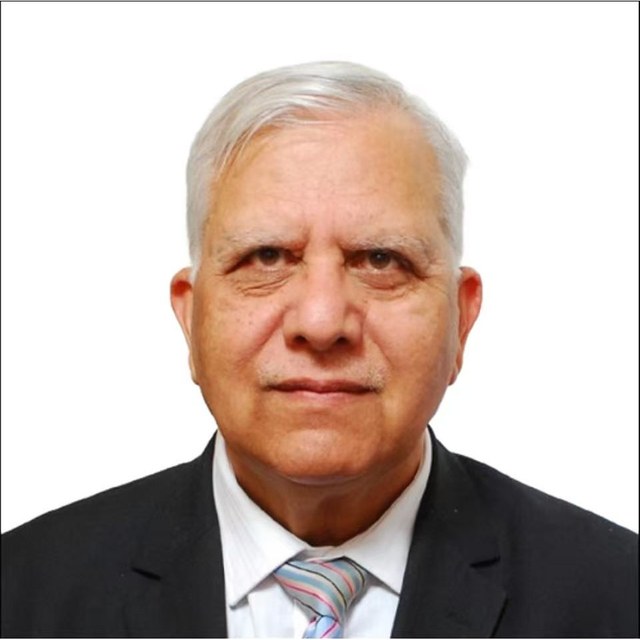
Zamir Ahmed Awan is the founder and Chair of the Global Silk Route Research Alliance, a think tank in Islamabad. He studied engineering at Shanghai University in the 1980s, and years later he went back to China as Pakistan's science counsellor in Beijing, from 2010 until 2016, working on science and higher education cooperation between the two countries.…